Starwood DS-700D D/8° Spectrophotometric Colorimeter

| Brand | Starwood |
|---|---|
| Model | DS-700D |
| Measurement Geometry | D/8° (Diffuse Illumination / 8° Viewing, with SCI & SCE modes) |
| Spectral Range | 400–700 nm |
| Wavelength Interval | 10 nm |
| Spectral Resolution | 0.01% Reflectance |
| Reflectance Range | 0–200% |
| Repeatability (ΔE*ab) | ≤0.025 (std dev), ≤0.04 (max, after white tile calibration, 30 measurements at 5-sec intervals) |
| Inter-instrument Agreement | ΔE*ab ≤ 0.25 (BCRA Series II 12-tile average) |
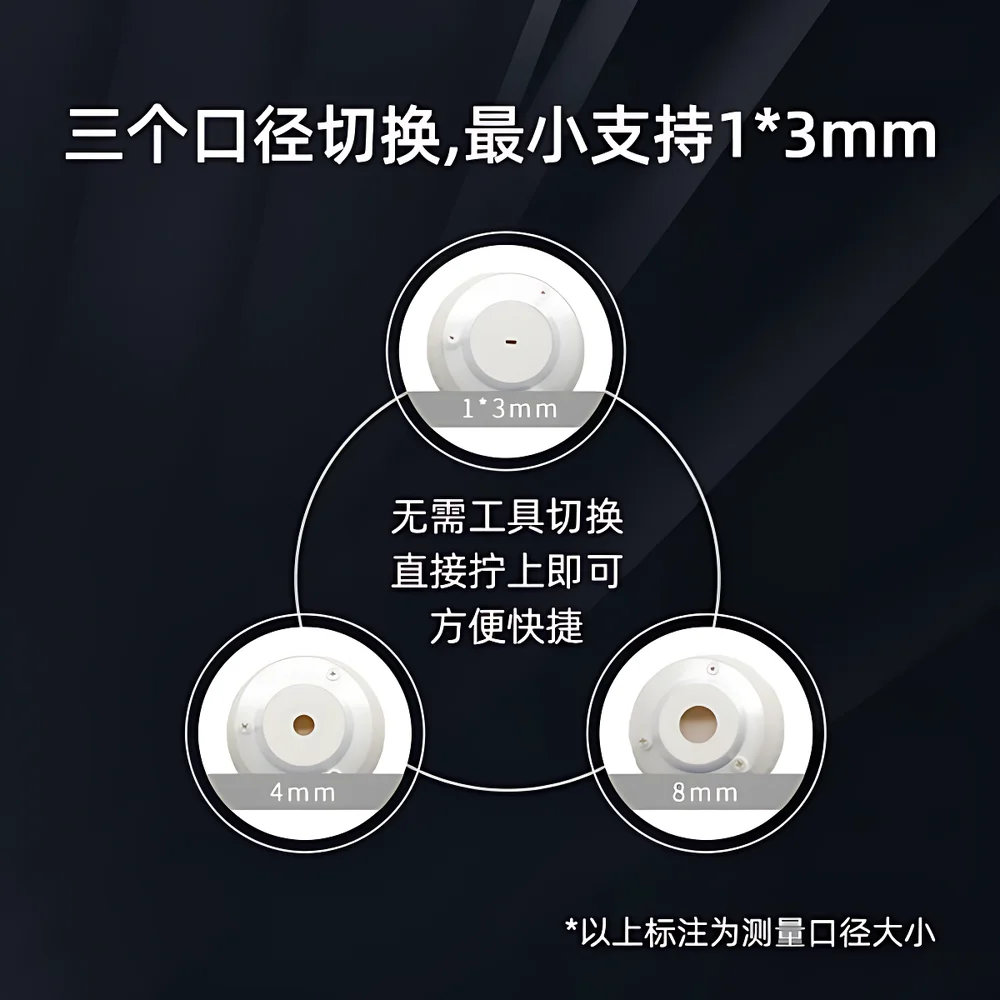
| Apertures | MAV (Φ8 mm / Φ11 mm), SAV (Φ4 mm / Φ6 mm), MNI (1×3 mm) |
| Observer Angles | 2° & 10° |
| Integrating Sphere Diameter | 40 mm |
| Illuminant Options | A, B, C, D50, D55, D65, D75, F1–F12, U30, U35, DLF, NBF, TL83, TL84, ID50, ID65, LED-B1 to B5, BH1, RGB1, V1, V2, CF |
| UV Compensation | Yes |
| Illuminant Source | Full-spectrum balanced LED array with integrated UV |
| Viewing System | Built-in CMOS camera for real-time sample positioning |
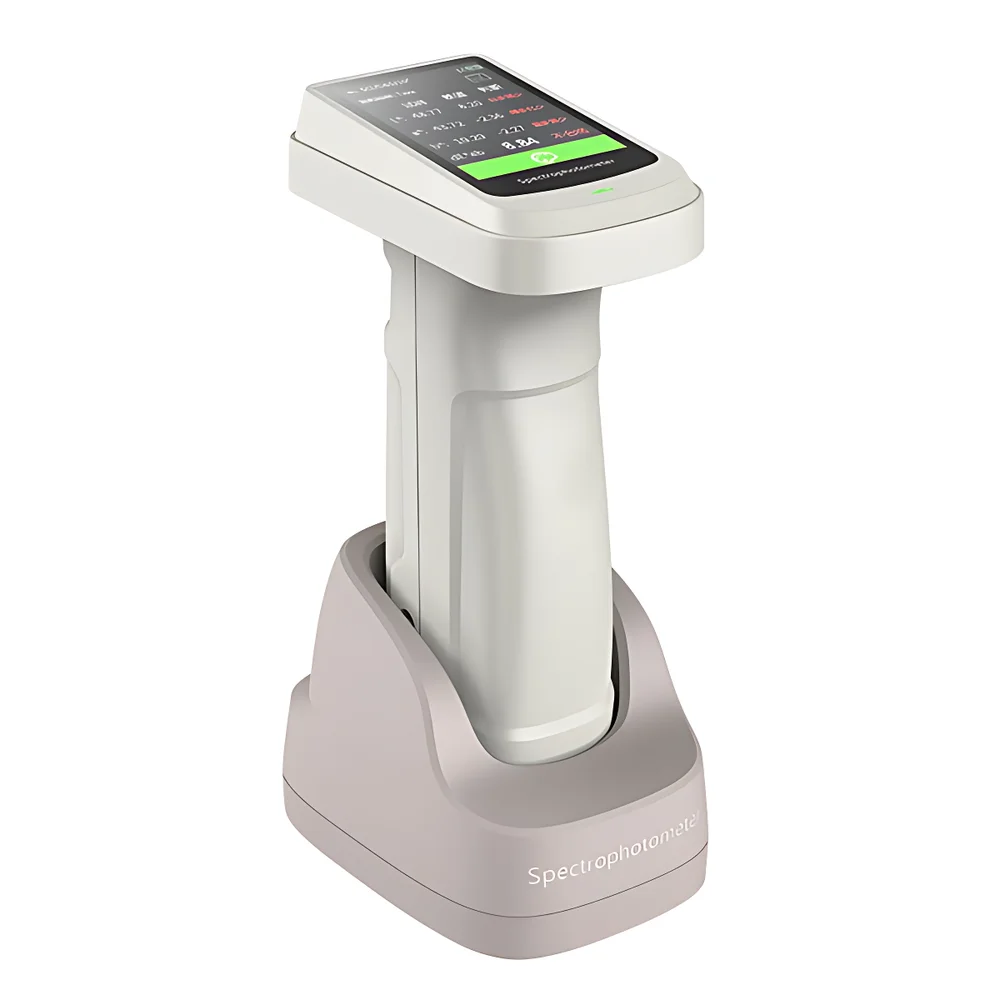
| Display | 3.5″ IPS full-color touchscreen |
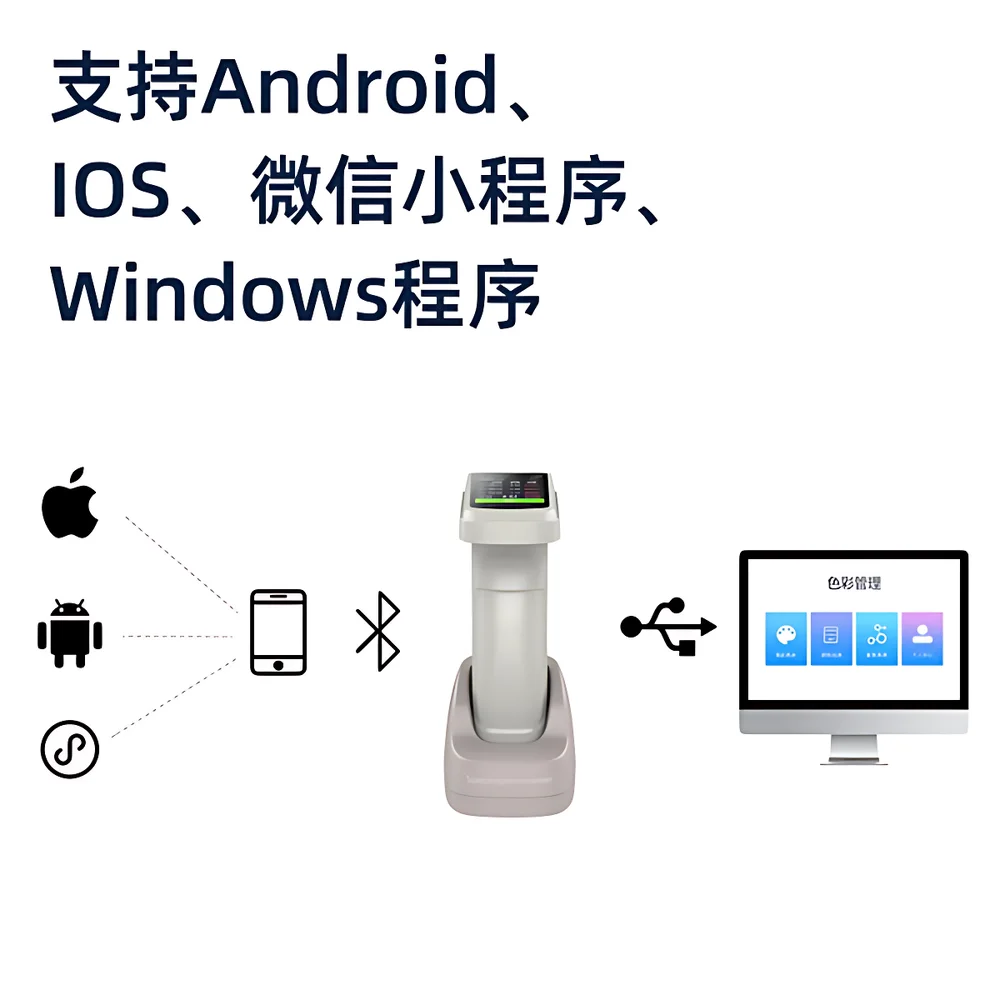
| Operating System Support | Android, iOS, Windows, WeChat Mini Program |
| Data Interface | USB 2.0, Bluetooth 5.0 |
| Battery Life | ≥8,000 measurements per charge |
| Compliance | CIE No. 15:2018, GB/T 3978–2008, GB/T 18833–2020, ISO 7724-1:1984, ASTM E1164–22, DIN 5033-7:2018 |
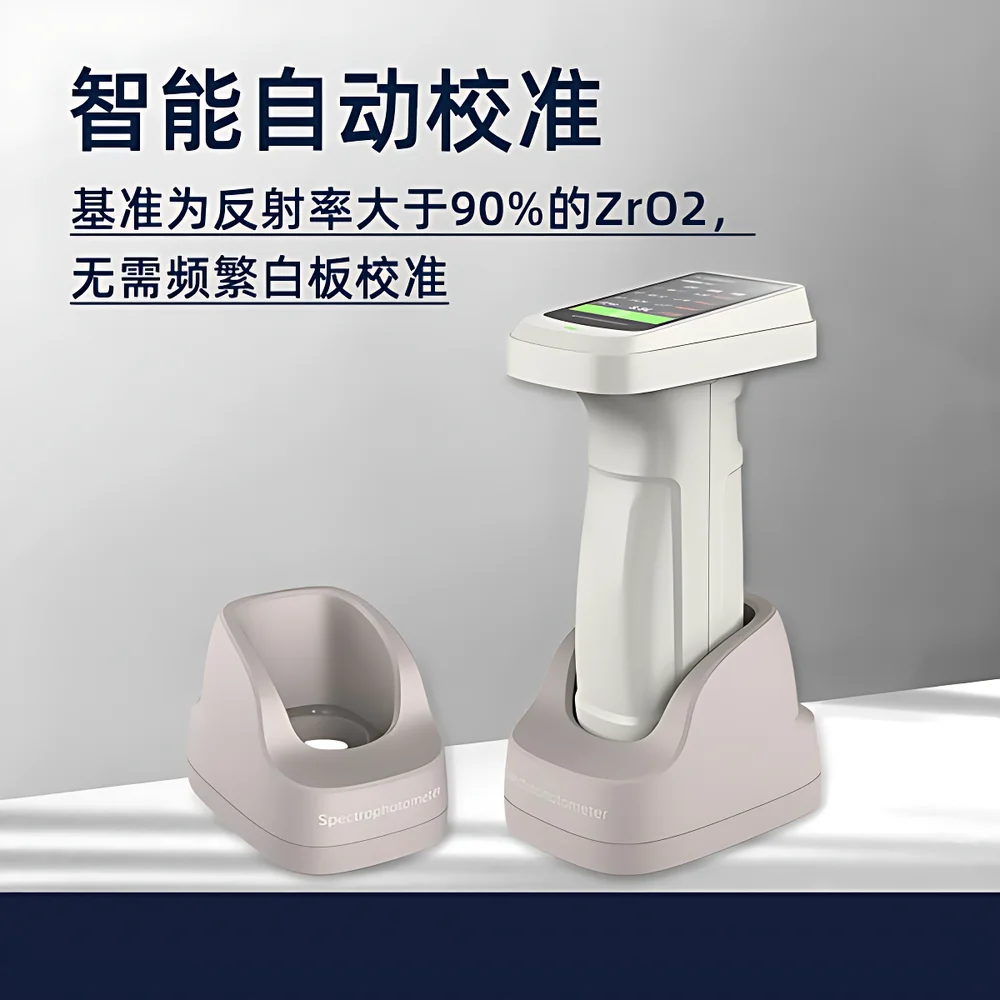
| Calibration | Automated intelligent calibration with NIST-traceable white tile |
| Metrological Certification | Compliant with China National Class I Metrological Verification Standard |
Ask about pricing, availability and specifications.
Overview
The Starwood DS-700D is a high-precision D/8° spectrophotometric colorimeter engineered for rigorous color quality control in industrial R&D, production QC, and regulatory-compliant laboratories. It operates on the fundamental principle of spectral reflectance measurement using a dual-array silicon photodiode sensor coupled with a precision holographic grating monochromator. Light from a full-spectrum balanced LED source—spectrally stabilized and UV-enhanced—is diffusely integrated within a 40 mm diameter sphere, enabling simultaneous capture of both specular-included (SCI) and specular-excluded (SCE) reflectance data under standardized geometric conditions (CIE D/8°). This architecture ensures metrologically traceable colorimetric data aligned with CIE No. 15:2018 and ISO 7724-1, supporting accurate quantification of color differences (ΔE*ab, ΔE00, ΔEcmc), whiteness (ASTM E313-00/73, CIE/ISO), yellowness index, blackness (My, dM), tint, metamerism index (MI), and pigment strength across plastics, coatings, metallic films, textiles, and printed materials.
Key Features
- Dual-mode optical geometry (SCI/SCE) with motorized baffle switching for seamless gloss-independent color evaluation
- Full-spectrum LED illumination (400–700 nm) with integrated UV channel, calibrated to CIE illuminant standards including D65, TL84, LED-BH1, and custom spectral profiles
- Real-time CMOS camera viewfinder with crosshair overlay for precise aperture alignment—critical for small-area or heterogeneous samples such as metallic flakes or textured coatings
- Triple-aperture system (MAV, SAV, MNI) supporting ISO-compliant field-of-view selection: 2° and 10° observers, with MAV (Φ8/Φ11 mm) optimized for general-purpose QC and SAV (Φ4/Φ6 mm) for fine-detail analysis
- Automated intelligent calibration routine using factory-certified NIST-traceable ceramic white tile, eliminating manual drift correction and ensuring long-term stability
- Sub-2-second measurement cycle time with spectral resolution of 10 nm and reflectance resolution of 0.01%, delivering high throughput without compromising repeatability (ΔE*ab ≤ 0.025 std dev)
- Inter-instrument agreement validated to ΔE*ab ≤ 0.25 across BCRA Series II reference tiles—essential for multi-site color matching and supply chain harmonization
Sample Compatibility & Compliance
The DS-700D accommodates diverse physical forms encountered in industrial color management: rigid plastic substrates, solvent- or water-based liquid coatings (via optional cup holder), vacuum-metallized films, anodized aluminum, pearlescent automotive finishes, and textile swatches. Its 0–200% reflectance range supports highly reflective metallics and fluorescent-enhanced whites. All optical and software functions comply with international colorimetry standards—including CIE No. 15:2018, ISO 7724-1, ASTM E1164–22, DIN 5033-7, and GB/T 18833–2020—and support audit-ready documentation required under GLP and GMP frameworks. The instrument meets China’s Class I metrological verification standard, with factory certification traceable to the National Institute of Metrology (NIM).
Software & Data Management
Built-in firmware enables direct operation via the 3.5″ IPS touchscreen, while cross-platform software extends functionality across Windows desktops, Android and iOS mobile devices, and WeChat Mini Programs—facilitating real-time collaboration between lab, production floor, and supplier portals. Data export supports CSV, XML, and industry-standard .qtx formats compatible with major color formulation systems (e.g., X-Rite Color iMatch, Datacolor Match Textile). Audit trails include timestamped measurement logs, operator ID, calibration history, and illuminant configuration metadata—fully compliant with FDA 21 CFR Part 11 requirements for electronic records when deployed with appropriate IT validation protocols.
Applications
- Color consistency verification of injection-molded plastic components against master standards
- Batch-to-batch spectral comparison of architectural and automotive coatings during manufacturing
- Quantitative assessment of metallic flake orientation and interference effects in PVD-coated films
- Whiteness and brightness grading of paper, synthetic fibers, and detergent-boosted fabrics per ASTM D1925 and E313
- Metamerism screening under multiple LED and fluorescent illuminants (e.g., TL84 vs. D65) for retail packaging validation
- Strength and coverage evaluation of organic pigments and inorganic colorants in masterbatches
- Regulatory submission support for color specifications in medical device housings (ISO 10993-1) and food-contact polymers (FDA 21 CFR 170–189)
FAQ
What is the difference between SCI and SCE measurement modes?
SCI (Specular Component Included) captures total reflectance—including surface gloss—and is used for material-intrinsic color evaluation. SCE (Specular Component Excluded) removes mirror-like reflection, isolating body color—ideal for comparing matte vs. glossy finishes under identical viewing conditions.
Does the DS-700D support non-standard illuminants beyond those listed?
Yes. Custom illuminant spectra can be imported via .cie or .txt files through the Windows desktop software, enabling simulation of proprietary light sources or regional daylight conditions.
How is inter-instrument agreement maintained across a fleet of DS-700D units?
Each unit ships with individual characterization data and a BCRA Series II validation report. Cross-unit correlation is sustained through periodic re-calibration using the same NIST-traceable white tile and adherence to the manufacturer’s warm-up and stabilization protocol (15 minutes prior to use).
Can the camera-assisted targeting function be used for automated pass/fail inspection?
While the camera provides visual confirmation and manual ROI selection, automated decision logic requires integration with external vision software via the USB or Bluetooth API—available under OEM licensing.
Is UV calibration included in routine maintenance?
UV output is factory-characterized and monitored continuously during measurement. No user-accessible UV recalibration is required; however, annual verification against a certified UV reference tile is recommended for applications involving optical brighteners.