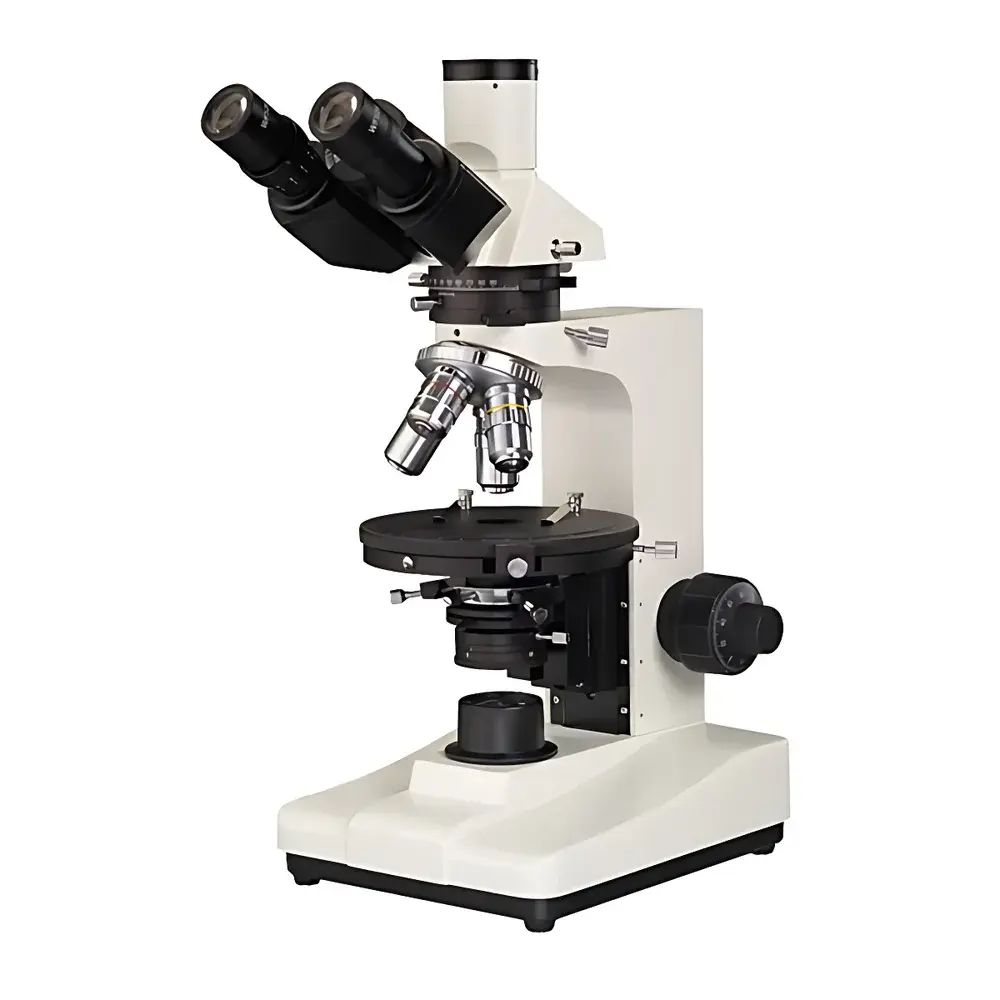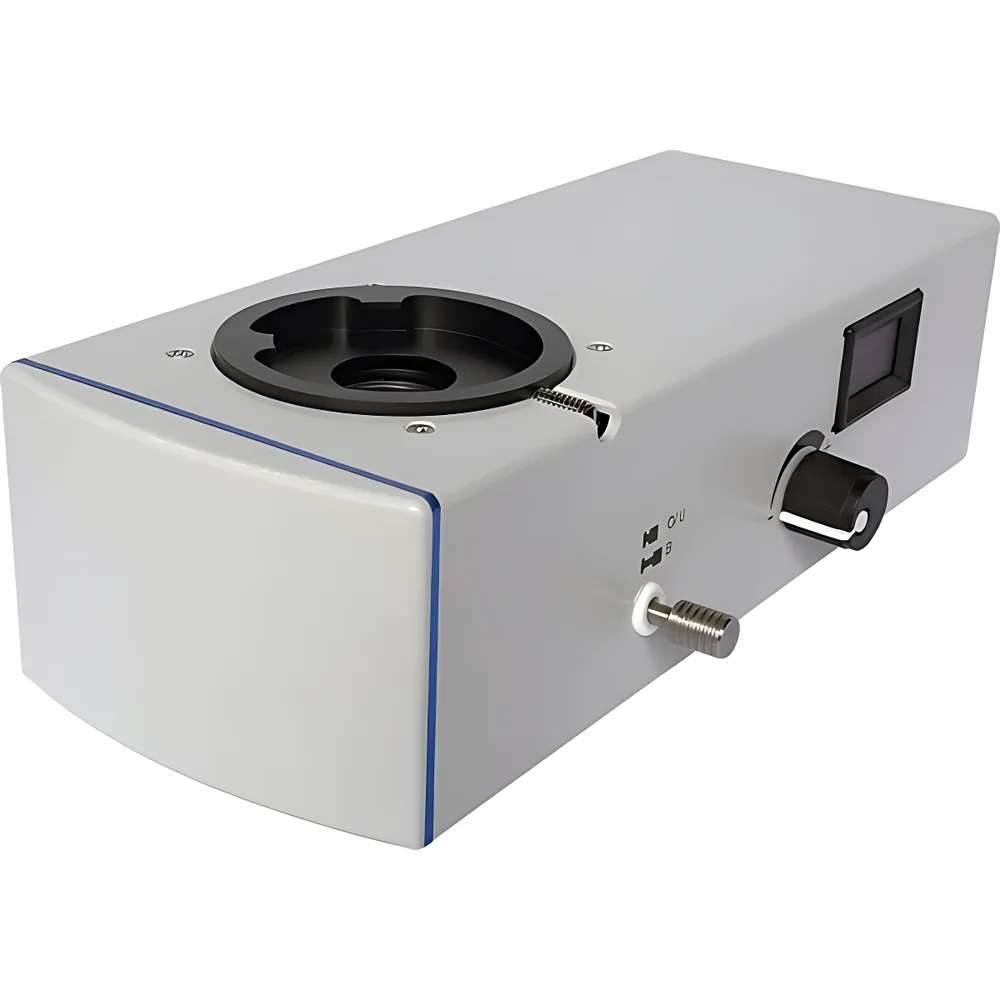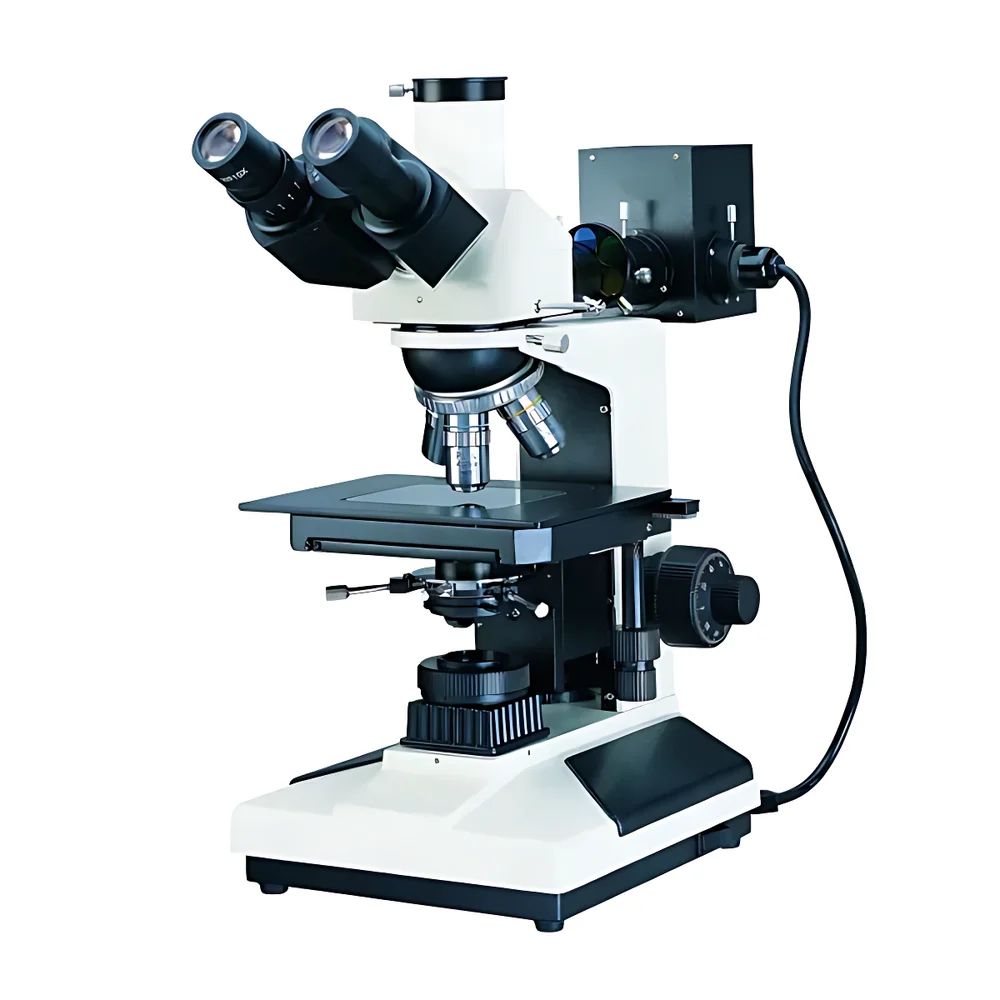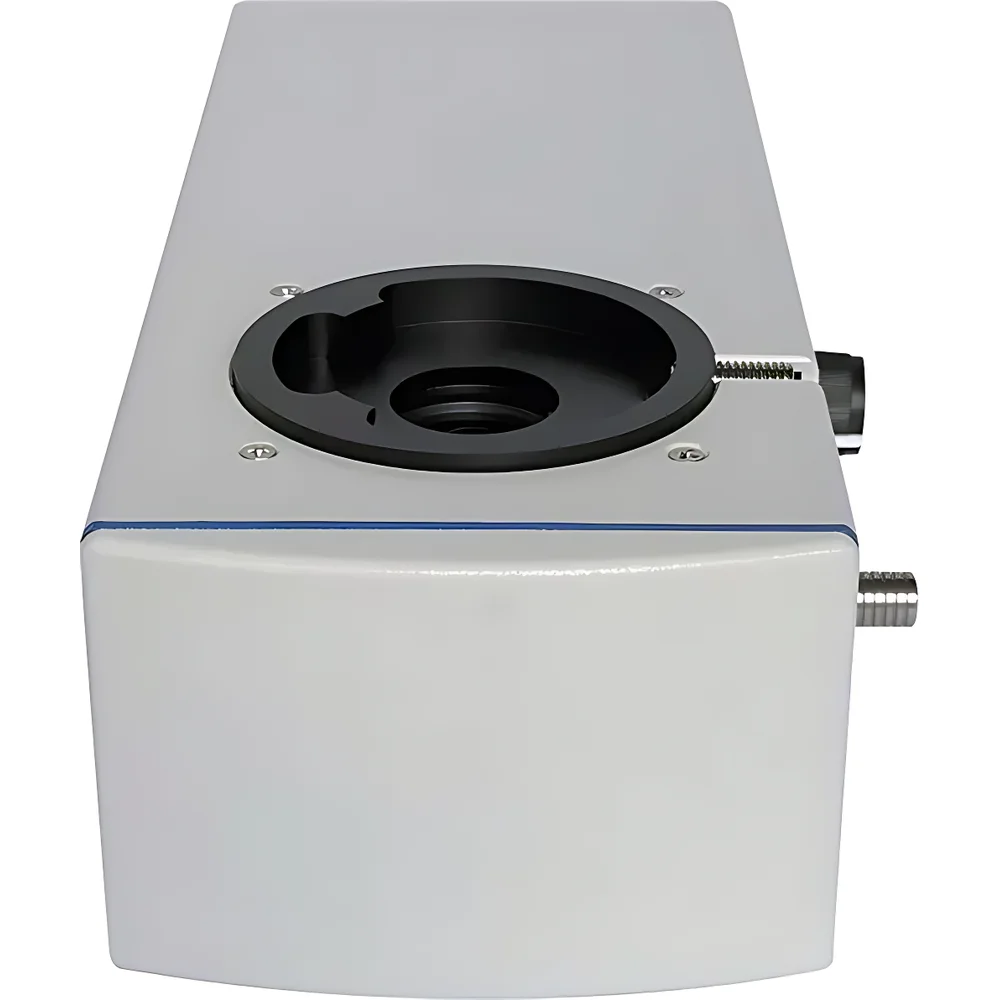
MingHui BU-LED-MH Upright Dual-Channel LED Fluorescence Illumination Module

| Brand | MingHui |
|---|---|
| Origin | Guangdong, China |
| Manufacturer Type | Original Equipment Manufacturer (OEM/ODM) |
| Product Category | Domestic |
| Model | BU-LED-MH (UV + Blue) |
| Light Source Type | High-Power Solid-State LED |
| Illumination Method | Internal (Built-in Microscope Port Integration) |
| LED Lifetime | ≥20,000 h |
| Intensity Control | 0–100% Linear Analog/Digital Adjustment |
| Observation Modes | Brightfield & Fluorescence |
| Fluorescence Channels | Two Independent Channels (B & U) |
| B-Channel Excitation | 475 nm ± 35 nm (centered at 475 nm), compatible with FITC (Em: ~515 nm) |
| U-Channel Excitation | 360 nm ± 50 nm (centered at 365 nm), compatible with DAPI (Em: ~410–460 nm) |
| Excitation Center Wavelengths | 365 nm and 475 nm |
| Channel Selection Mechanism | Manual Slide-Actuated Dichroic Filter Cartridge |
| Compatibility | Universal Mount for Standard Upright Microscopes (Olympus BX/BH, Nikon E/CI, Zeiss Axioskop, Leica DM series, Keyence BZ, Motic BA, Phoenix, and domestic OEM systems) |
Ask about pricing, availability and specifications.
Overview
The MingHui BU-LED-MH Upright Dual-Channel LED Fluorescence Illumination Module is an engineered optical add-on designed to retrofit standard upright compound microscopes with stable, low-noise, and spectrally defined fluorescence excitation capability—without modifying the host microscope’s native optical train. Based on solid-state LED technology, the module implements a dual-wavelength excitation architecture centered at 365 nm (U-channel, optimized for DAPI and Hoechst staining) and 475 nm (B-channel, optimized for FITC and GFP derivatives), each paired with matched emission filtering and beam path alignment to ensure high signal-to-background ratio in epifluorescence observation. Unlike traditional mercury or xenon arc lamps, this LED-based illumination system eliminates warm-up time, minimizes phototoxicity and photobleaching through precise intensity control, and delivers consistent spectral output over its rated lifetime of ≥20,000 hours. The module integrates directly into the microscope’s internal light port (e.g., side port or rear trinocular port), preserving Köhler illumination geometry and enabling seamless switching between brightfield and fluorescence modes via mechanical slide actuation.
Key Features
- Dual independent LED excitation channels (U: 365 nm ± 50 nm; B: 475 nm ± 35 nm) with individually adjustable intensity (0–100% linear analog/digital control)
- Integrated dichroic filter cartridges mounted on precision linear slide mechanism—enabling rapid, repeatable channel selection without realignment
- No optical modification required: compatible with standard C-mount, F-mount, or proprietary upright microscope illumination ports from Olympus, Nikon, Zeiss, Leica, Keyence, Motic, Phoenix, and other domestic OEM platforms
- Thermally stabilized LED drivers ensuring wavelength stability and minimal spectral drift across operating temperature range (15–35 °C)
- Low electromagnetic interference (EMI) design compliant with IEC 61326-1 for laboratory instrumentation environments
- Support for optional third- and fourth-channel expansion kits (e.g., 545 nm for TRITC, 625 nm for Cy5), subject to mechanical interface verification
Sample Compatibility & Compliance
The BU-LED-MH is routinely deployed in clinical microbiology and translational research workflows involving fixed or live-cell fluorescent labeling—including acid-fast staining (Ziehl–Neelsen modified protocols for Mycobacterium tuberculosis), immunofluorescence detection of autoantibodies (e.g., ANA screening using HEp-2 substrates), respiratory pathogen identification (e.g., Chlamydia pneumoniae, Mycoplasma), and reproductive tract pathogen assays (Trichomonas vaginalis, HPV E6/E7 expression). Its spectral profiles align with ISO 10934-1 (microscopy terminology) and ASTM E2877-18 (standard guide for fluorescence microscopy in biological applications). While not certified as an IVD device under EU IVDR or FDA 510(k), the module meets general laboratory equipment requirements per ISO/IEC 17025:2017 for method validation support and is suitable for GLP-compliant imaging when used with traceable calibration references (e.g., NIST-traceable fluorescence microspheres).
Software & Data Management
The BU-LED-MH operates as a hardware-controlled illumination source and does not include embedded firmware or USB connectivity. Intensity adjustment is performed via front-panel potentiometer or external 0–5 V/0–10 V analog input (optional), enabling synchronization with third-party acquisition software such as NIS-Elements (Nikon), ZEN (Zeiss), CellSens (Olympus), or open-source platforms like Micro-Manager and Fiji/ImageJ. For audit-trail compliance in regulated environments, intensity settings may be logged externally via DAQ systems supporting IEEE 1588 PTP timestamping. No proprietary drivers or cloud services are required; configuration remains fully transparent and reproducible within existing microscope control ecosystems.
Applications
- Clinical cytology and histopathology: rapid screening of DAPI/FITC-labeled tissue sections for nuclear morphology and antigen localization
- Mycobacterial diagnostics: fluorescence-enhanced detection of acid-fast bacilli in sputum smears, reducing interpretation time versus conventional ZN staining
- Autoimmune serology: standardized ANA pattern analysis using HEp-2 cell substrates under controlled excitation intensity
- Reproductive health testing: direct visualization of fluorescently labeled pathogens in vaginal/cervical swabs
- Academic cell biology: cost-effective platform for GFP/RFP co-expression studies in adherent mammalian cultures without requiring full confocal infrastructure
- Teaching laboratories: robust, maintenance-free fluorescence capability for undergraduate microscopy curricula
FAQ
Is the BU-LED-MH compatible with inverted microscopes?
No—it is specifically engineered for upright configurations with internal side/rear illumination ports. Inverted systems require alternative mounting solutions (e.g., epi-illumination arms) not supported by this module.
Can excitation bandwidths be customized beyond 365 nm and 475 nm?
Yes. MingHui offers OEM customization for center wavelengths between 340–660 nm with FWHM ≤ 40 nm, subject to minimum order quantity and optical feasibility review.
Does the module include emission filters or barrier filters?
No. Emission filtering must be provided by the microscope’s filter cube turret or external filter slider; the BU-LED-MH supplies only excitation light and dichroic separation.
What safety certifications does the unit carry?
It complies with IEC 61010-1 (Safety Requirements for Electrical Equipment for Measurement, Control, and Laboratory Use) and carries CE marking for EMC Directive 2014/30/EU and Low Voltage Directive 2014/35/EU.
Is thermal management active or passive?
Passive aluminum heat-sink design with natural convection; no fans or moving parts—ensuring silent operation and zero vibration coupling to the optical path.