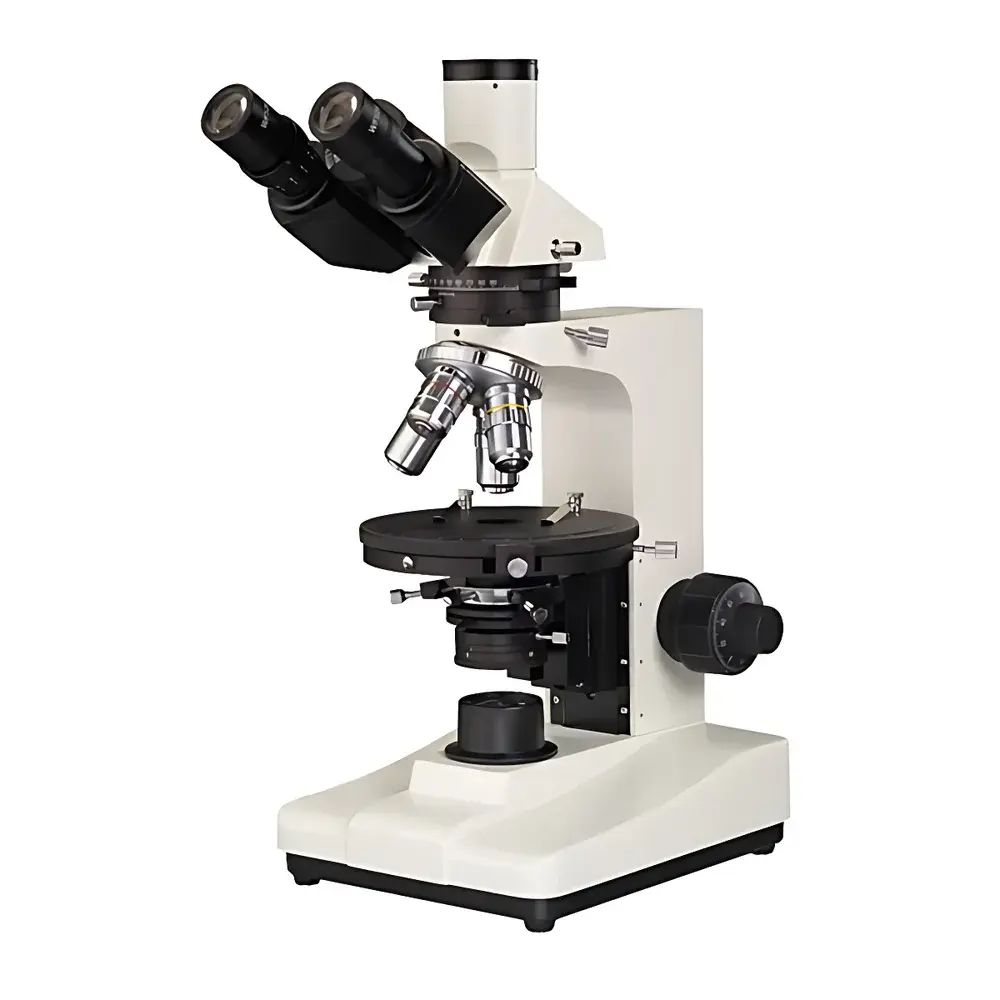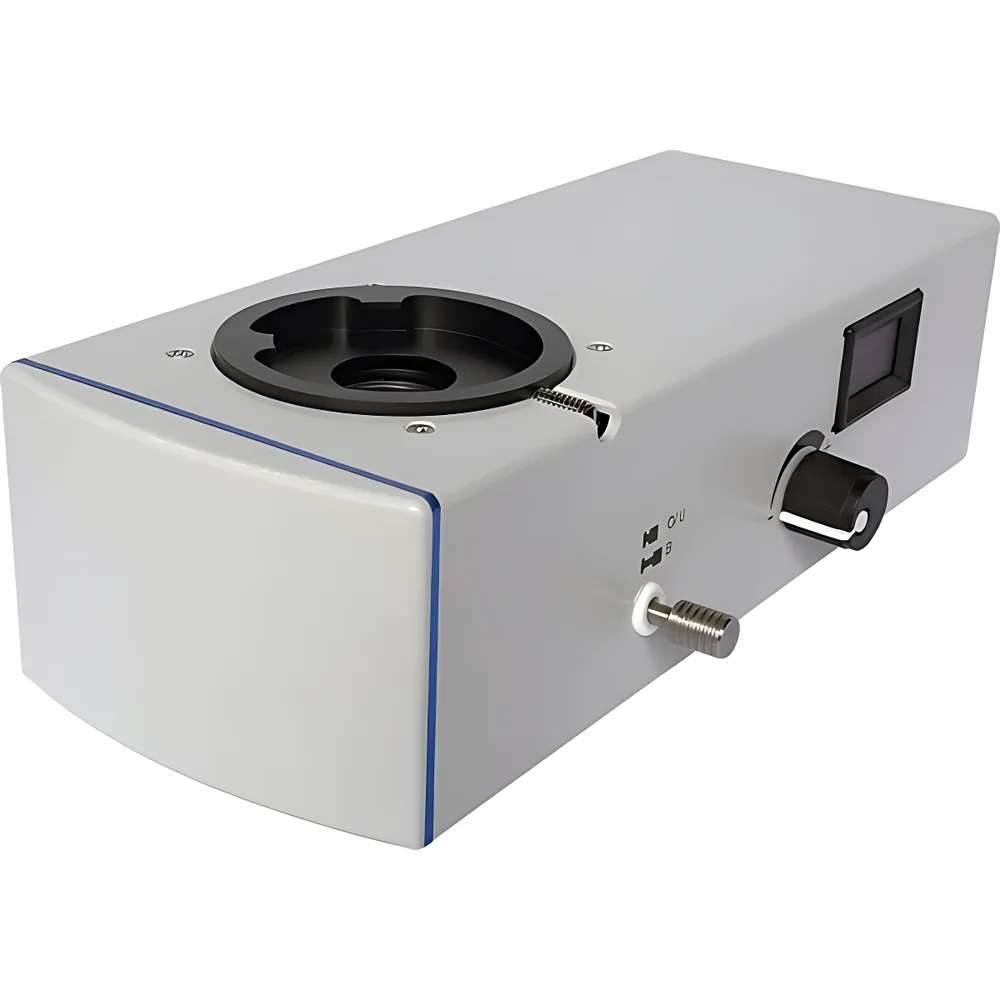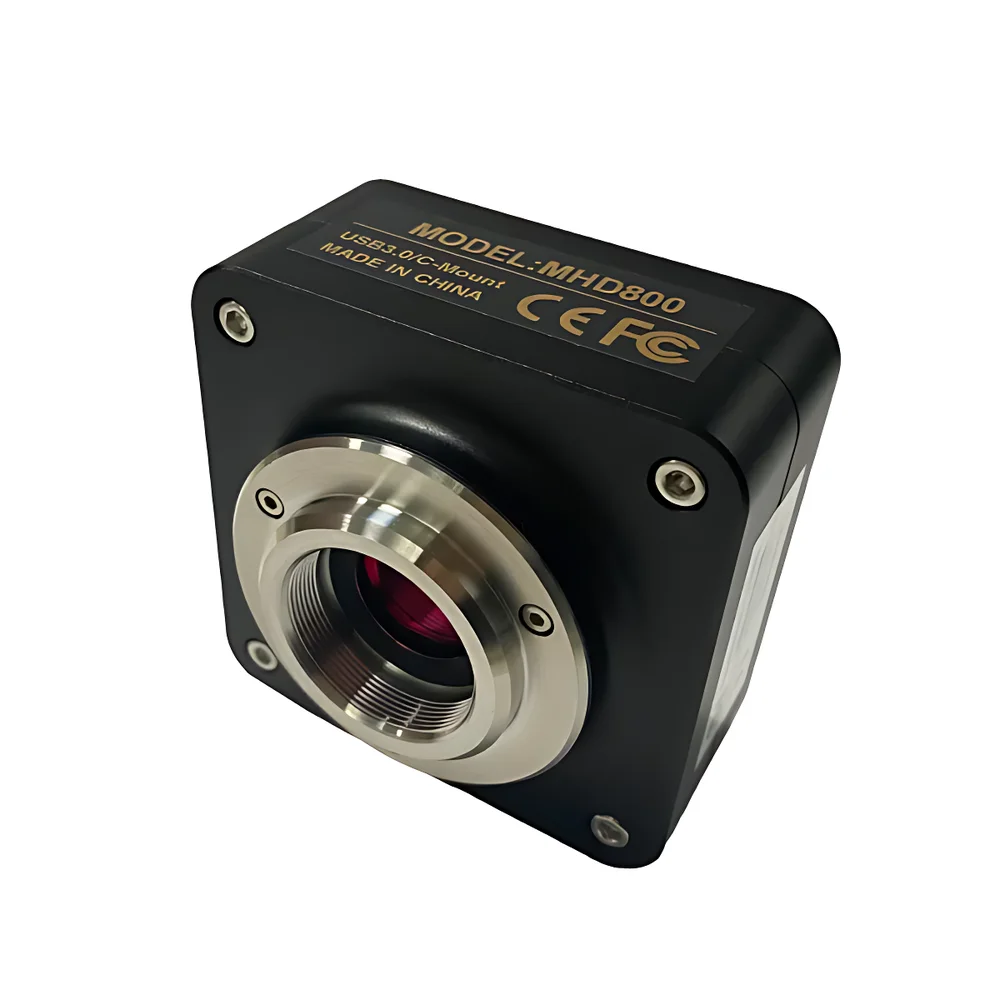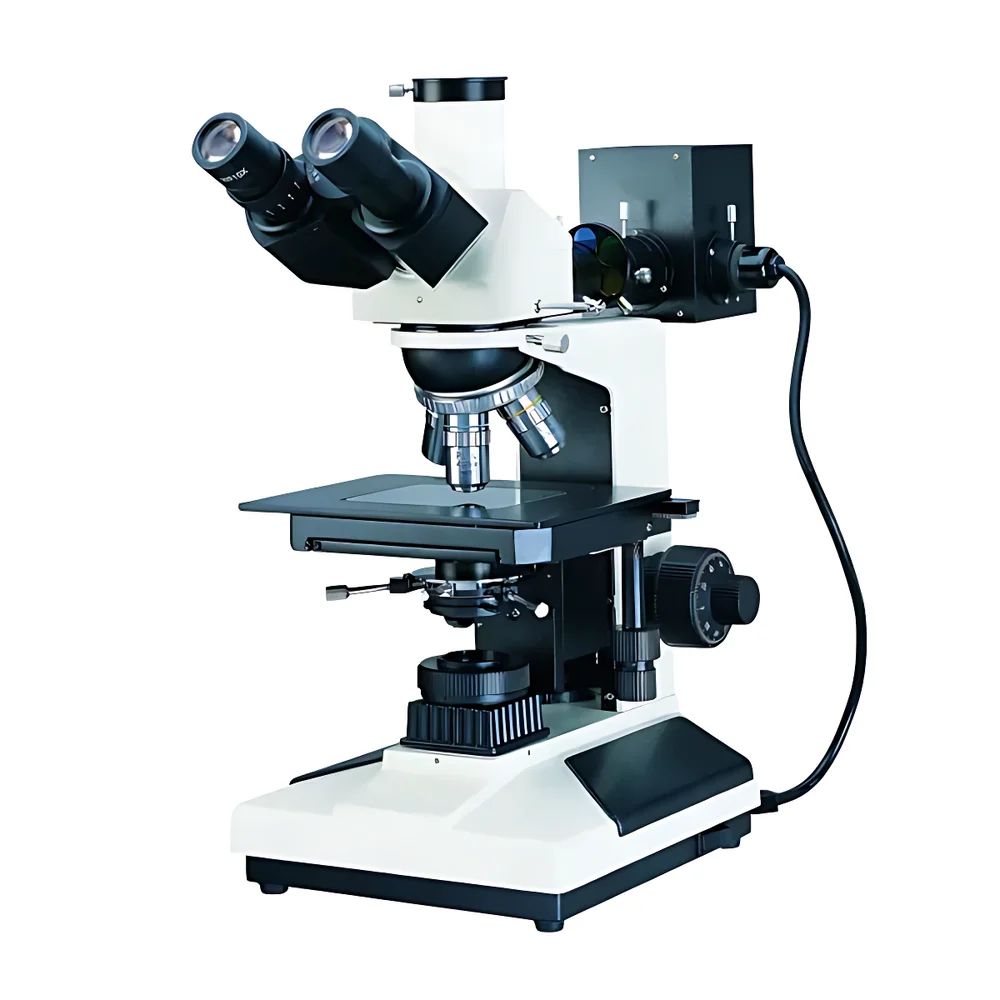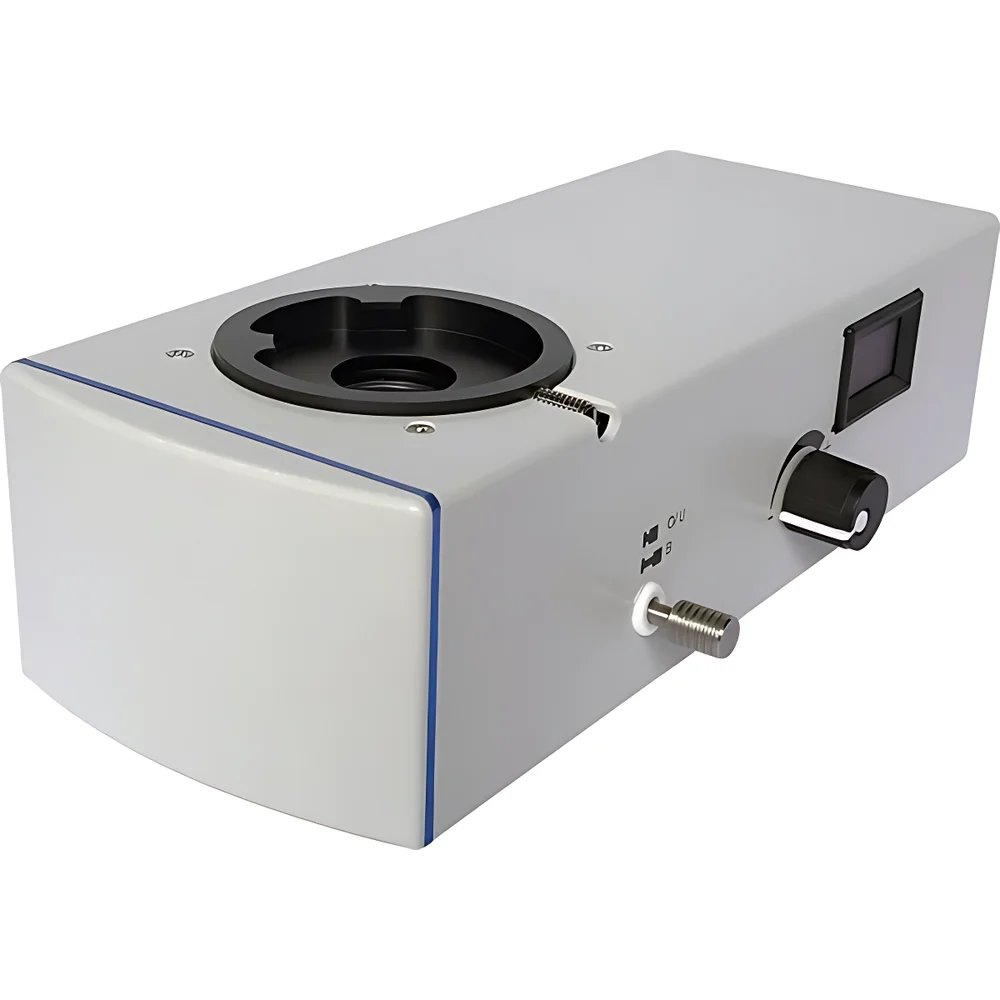
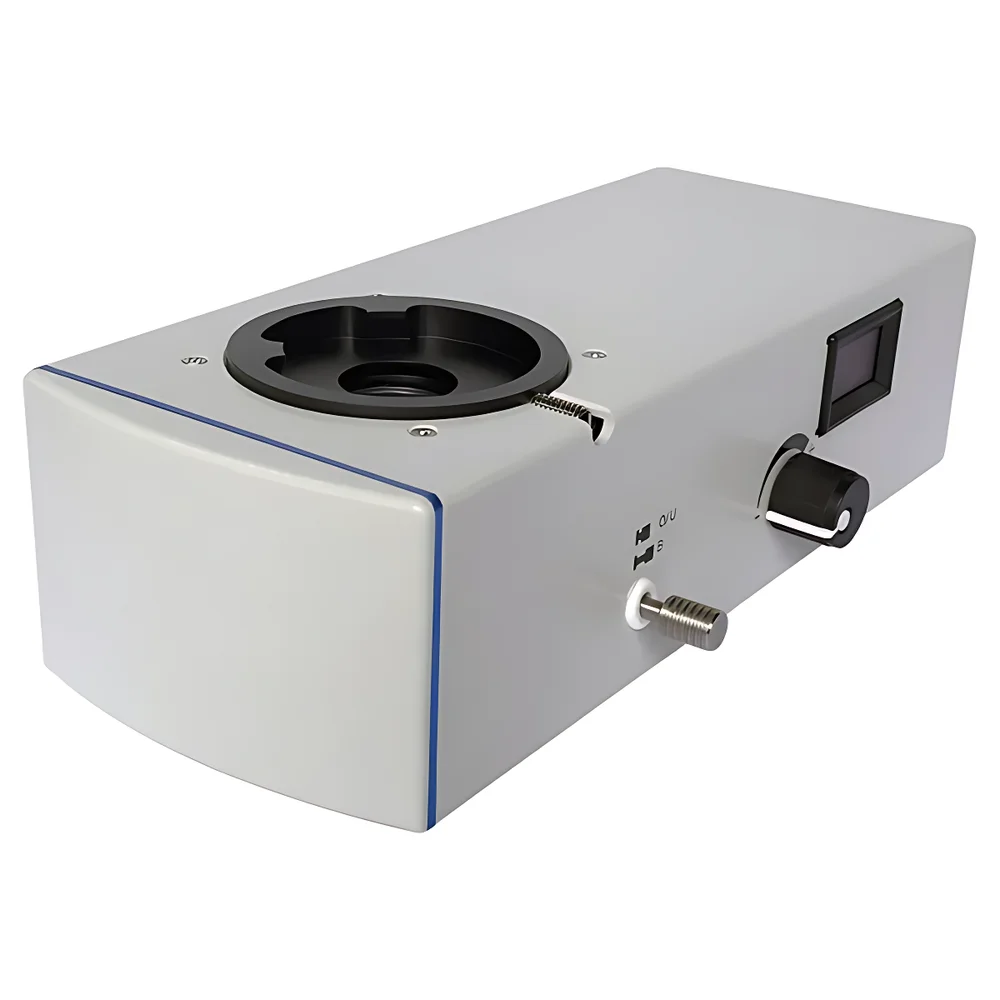
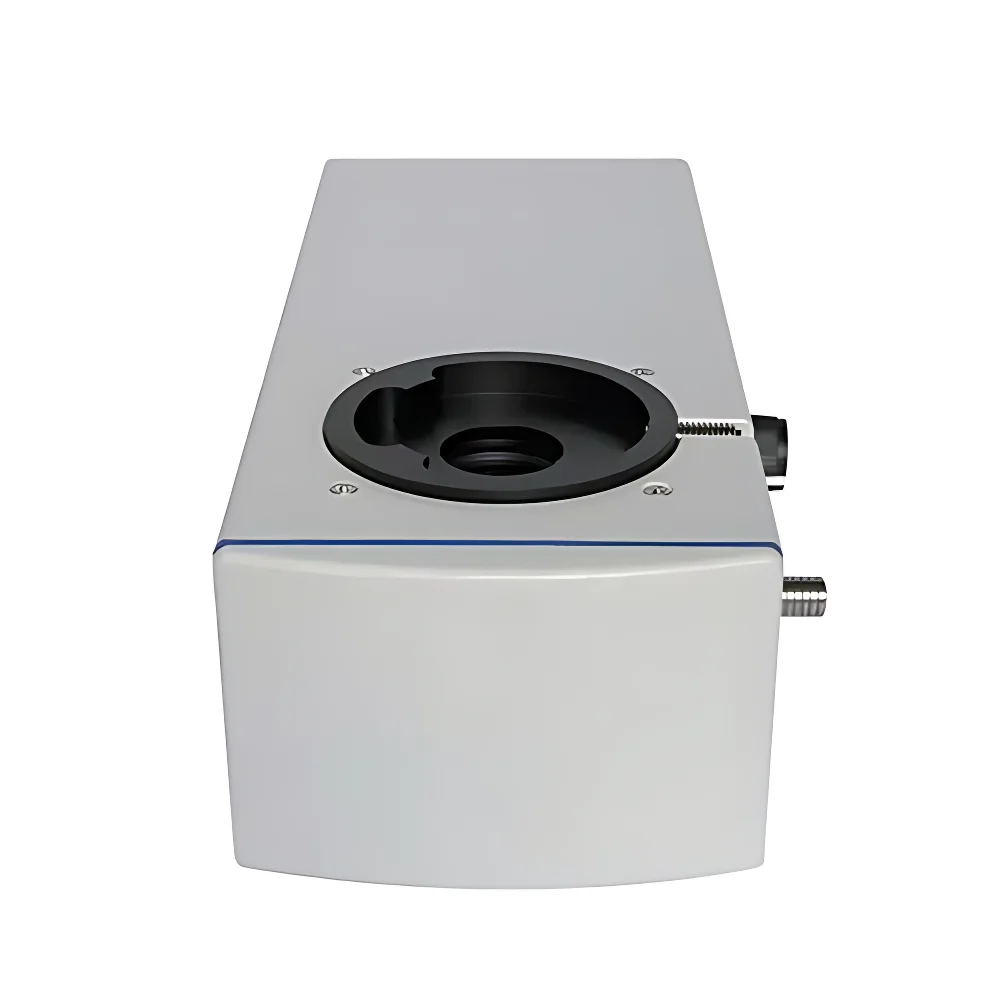
MingHui G-LED-MH Upright Monochromatic Fluorescence Module

| Brand | MingHui |
|---|---|
| Origin | Guangdong, China |
| Manufacturer Type | Manufacturer |
| Product Category | Domestic |
| Model | G-LED-MH |
| Light Source Type | High-Power Tunable LED (525 nm center wavelength) |
| Illumination Mode | Internal (Epi-Illumination) |
| Excitation Filter | 530/40 nm |
| Dichroic Mirror | 560 nm |
| Emission Filter | 575 nm |
| Observation Modes | Brightfield & Fluorescence |
| Fluorescence Channel Count | Single-channel |
| LED Lifetime | >20,000 h |
| Intensity Control | 0–100% linear dimming via analog voltage or manual potentiometer |
| Switching Mechanism | Manual slide-block selector |
| Compatible Microscope Optical Path | Infinity-corrected (160 mm tube lens focal length, ∞/160 standard) |
Ask about pricing, availability and specifications.
Overview
The MingHui G-LED-MH Upright Monochromatic Fluorescence Module is an engineered optical add-on designed for integration into infinity-corrected upright microscopes. It operates on the principle of epi-fluorescence illumination—where high-brightness, narrow-band LED light is directed through a dichroic mirror onto the specimen, and emitted fluorescence is separated from excitation light by spectral filtering before reaching the eyepiece or camera. The module features a fixed-wavelength 525 nm high-efficiency LED source with a spectral full-width at half-maximum (FWHM) < 25 nm, optimized to excite fluorophores such as FITC, calcein, and GFP derivatives. Its optical architecture complies with standard Köhler illumination geometry for uniform field illumination and minimal stray light. Designed for laboratory environments requiring routine diagnostic fluorescence imaging—including clinical cytology, acid-fast bacilli detection (e.g., Ziehl–Neelsen–compatible staining), autoimmune serology (ANA screening), and reproductive tract pathogen identification—the G-LED-MH delivers stable, low-heat, maintenance-free excitation without mercury lamp hazards or xenon arc instability.
Key Features
- High-reliability 525 nm LED light source with >20,000 h operational lifetime and no warm-up delay or spectral drift over time
- Linear 0–100% analog intensity control enabling precise photostability management during time-lapse or quantitative imaging
- Integrated triple-filter set: excitation (530/40 nm), dichroic (560 nm), emission (575 nm), aligned for optimal signal-to-noise ratio in green-excited red-emitting fluorophore detection
- Manual push-pull slider mechanism for rapid, backlash-free switching between brightfield and fluorescence observation modes
- Compact modular housing with standardized dovetail and screw-mount interfaces compatible with ∞/160 optical systems
- No external power supply required beyond standard 12 V DC input; includes internal current regulation and thermal dissipation fins
Sample Compatibility & Compliance
The G-LED-MH supports standard glass microscope slides (1 × 3 inches), coverslips (No. 1.5, 0.17 mm thick), and common mounting media including glycerol-based and aqueous anti-fade reagents. It is validated for use with FDA-cleared immunofluorescence assays (e.g., anti-dsDNA, ANA, and Mycobacterium tuberculosis direct fluorescent antibody tests) and conforms to ISO 13485 manufacturing practices. While not certified under IEC 61000-6-3 for EMC or IEC 62471 for photobiological safety, its LED output falls within Risk Group 1 (exempt) per CIE S009/E:2020 when used with standard microscope objectives (≤100×, NA ≤ 1.4). The module meets GLP-aligned documentation requirements for instrument qualification (IQ/OQ) in clinical lab settings.
Software & Data Management
As a hardware-only illumination module, the G-LED-MH does not include proprietary software or drivers. It functions transparently with third-party imaging platforms—including NIS-Elements, ZEN Blue, CellSens, and open-source tools like Micro-Manager and Fiji—that support external TTL or analog intensity triggering. When paired with a USB3 or GigE monochrome camera, users may log illumination state metadata (intensity %, mode selection timestamp) via GPIO synchronization. Audit trails for intensity settings are maintainable within LIMS-integrated acquisition workflows compliant with 21 CFR Part 11 when combined with electronic lab notebooks (ELNs) supporting digital signature capture.
Applications
- Routine clinical microbiology: Direct fluorescent antibody (DFA) testing for Mycobacterium tuberculosis, Chlamydia trachomatis, and respiratory syncytial virus (RSV)
- Autoimmune diagnostics: Indirect immunofluorescence assay (IFA) for antinuclear antibodies (ANA) using HEp-2 cell substrates
- Urogenital pathology: Detection of Trichomonas vaginalis and Neisseria gonorrhoeae in stained smears
- Teaching laboratories: Modular fluorescence upgrade for educational microscopes without dedicated fluorescence stands
- Quality control in biomanufacturing: Visual verification of fluorescently labeled recombinant proteins or viral vectors
FAQ
Is the G-LED-MH compatible with Olympus CX31 microscopes?
Yes—provided the CX31 is equipped with an infinity-corrected objective turret and uses a standard 45 mm parfocal distance. Mechanical alignment requires only the removal of the original condenser and installation of the module’s adapter ring.
Can the excitation wavelength be changed to 470 nm or 630 nm?
No—the G-LED-MH is a fixed-wavelength single-channel module. For multi-wavelength capability, consider the G-LED-MH-TRI series with interchangeable LED cartridges.
Does it support automated filter cube switching?
Not natively. The push-pull slider is manually operated. Motorized filter wheels require external integration via third-party actuators and controller firmware.
What is the maximum permissible working distance for objective lenses?
The module maintains collimation integrity with objectives having ≥0.5 mm working distance at 40× magnification and ≥0.1 mm at 100× oil immersion.
Is service calibration available outside mainland China?
Calibration certificates traceable to NIM (National Institute of Metrology, China) are provided with each unit. International recalibration services are coordinated through authorized MingHui technical partners in ASEAN, Middle East, and Latin America regions.