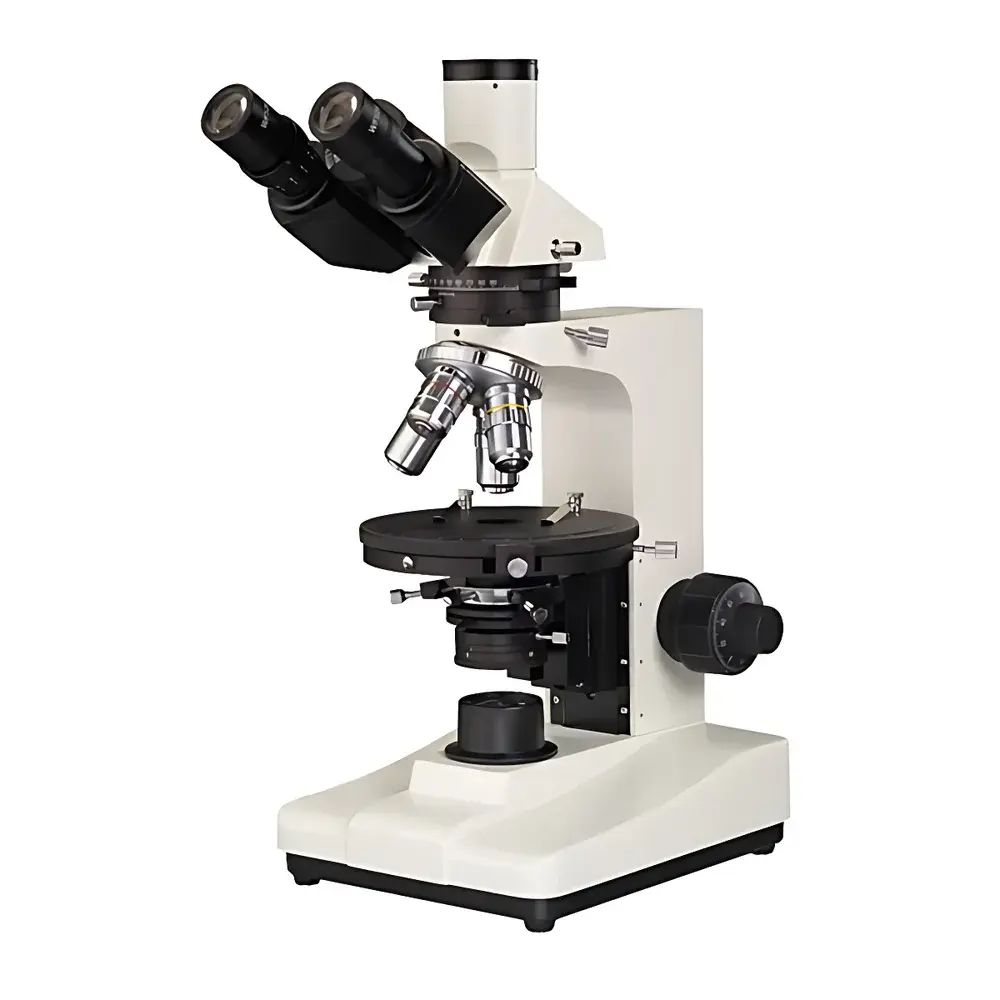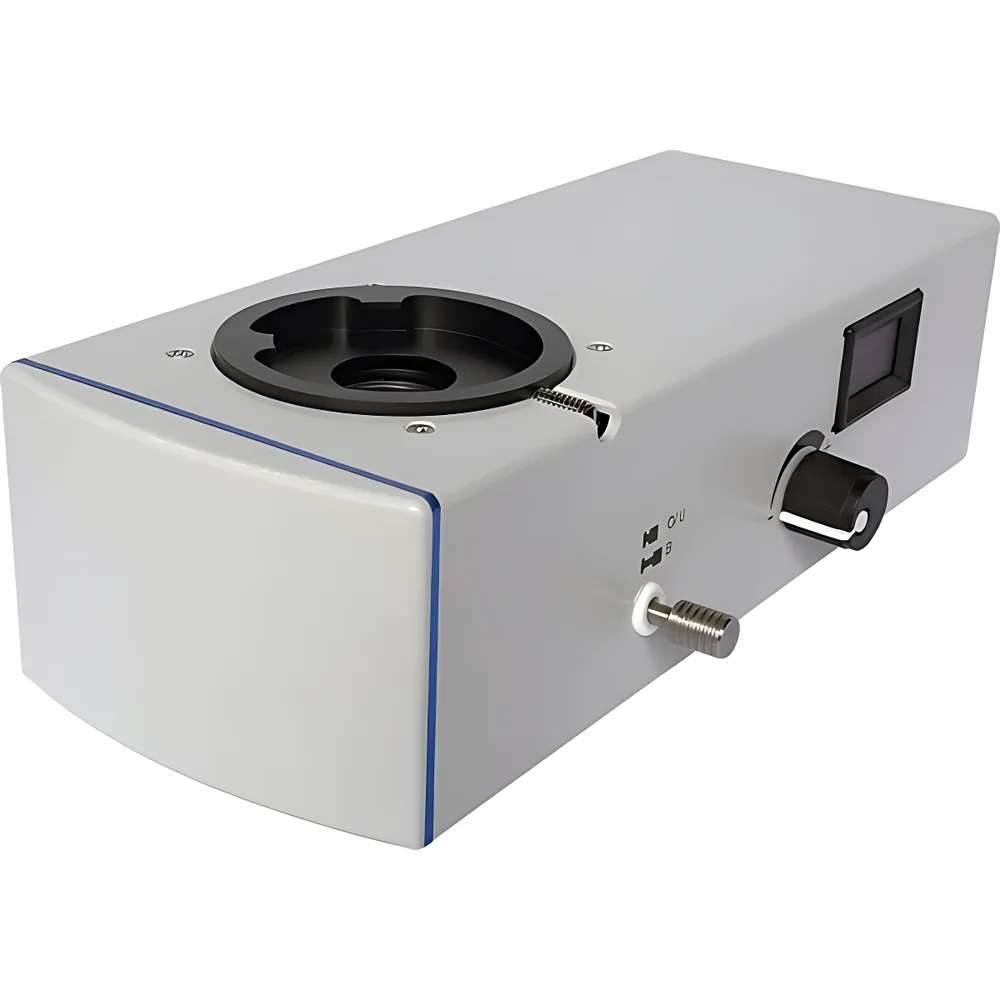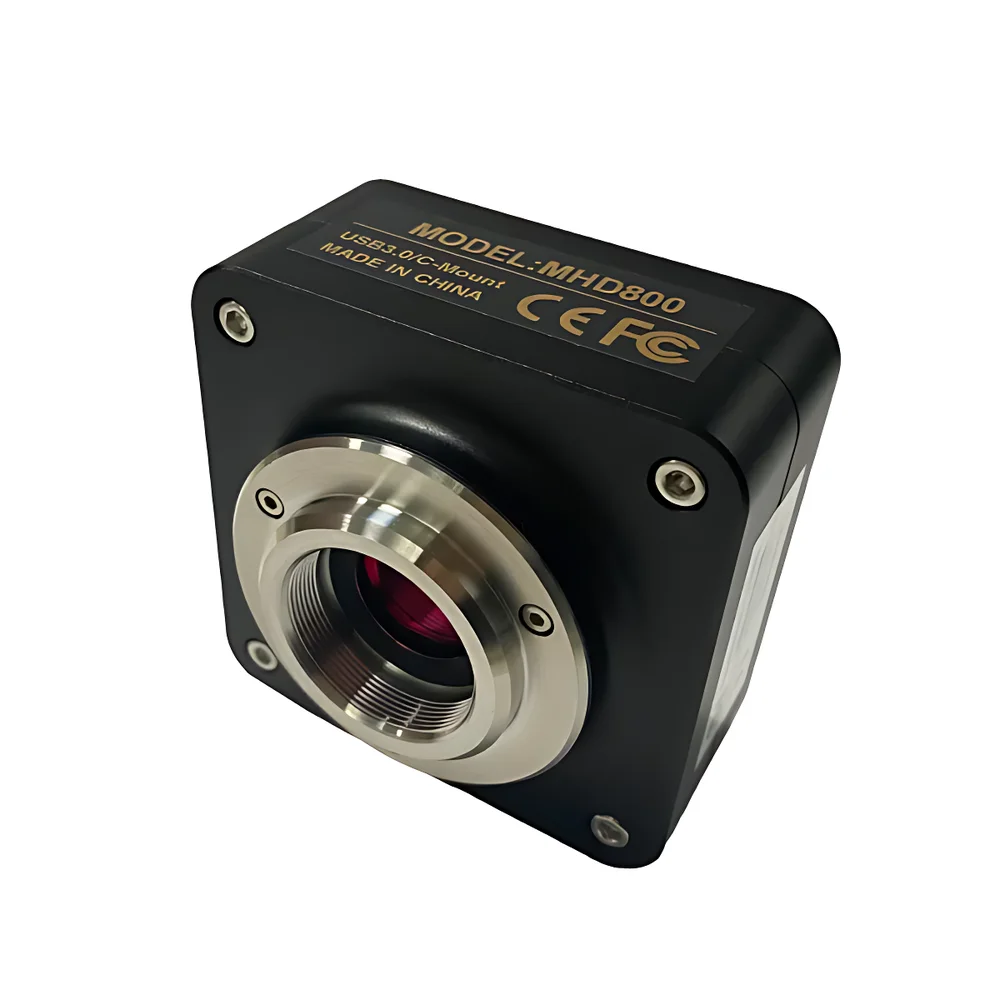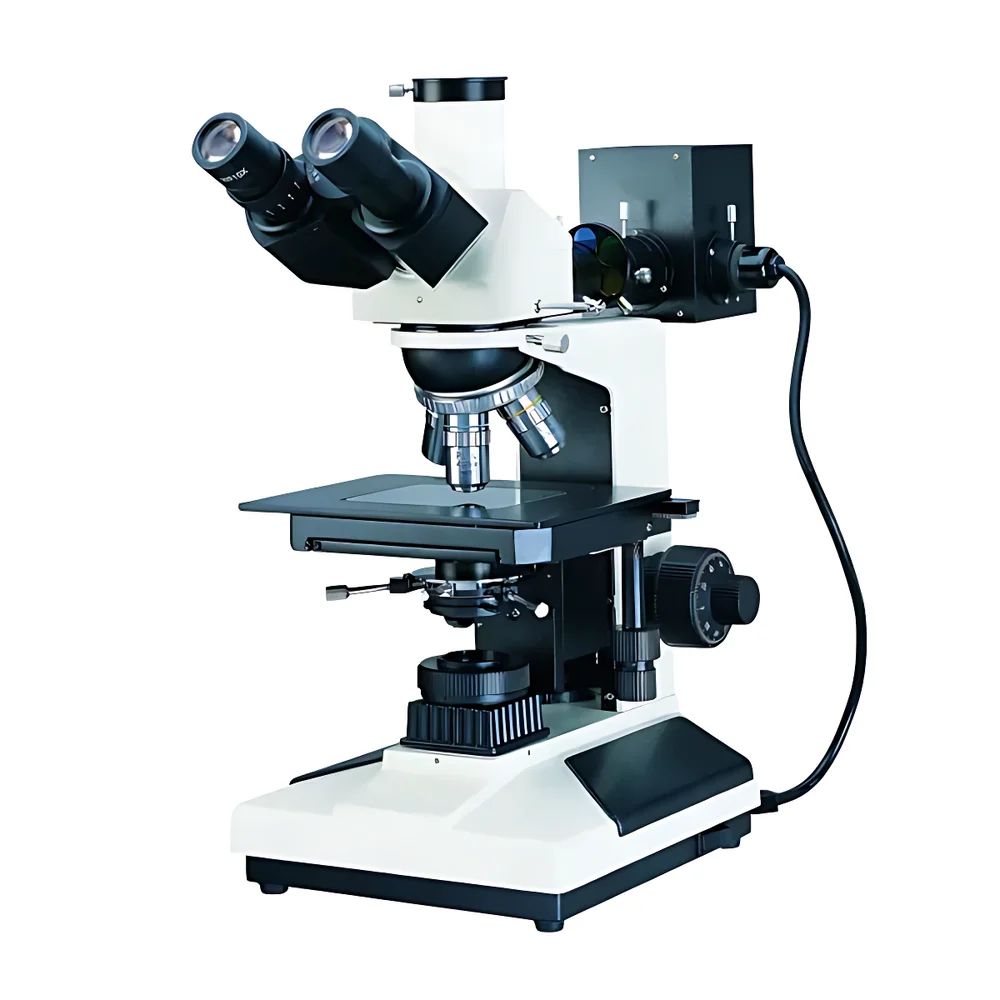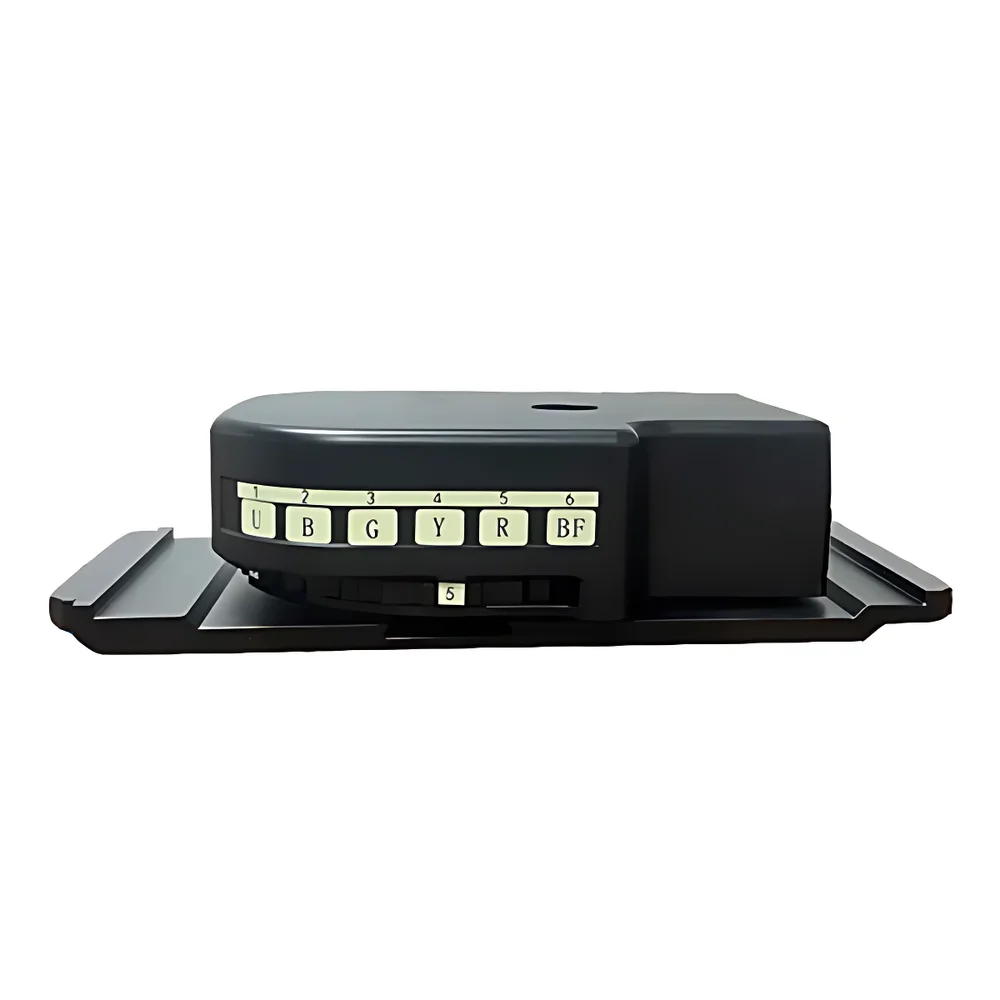
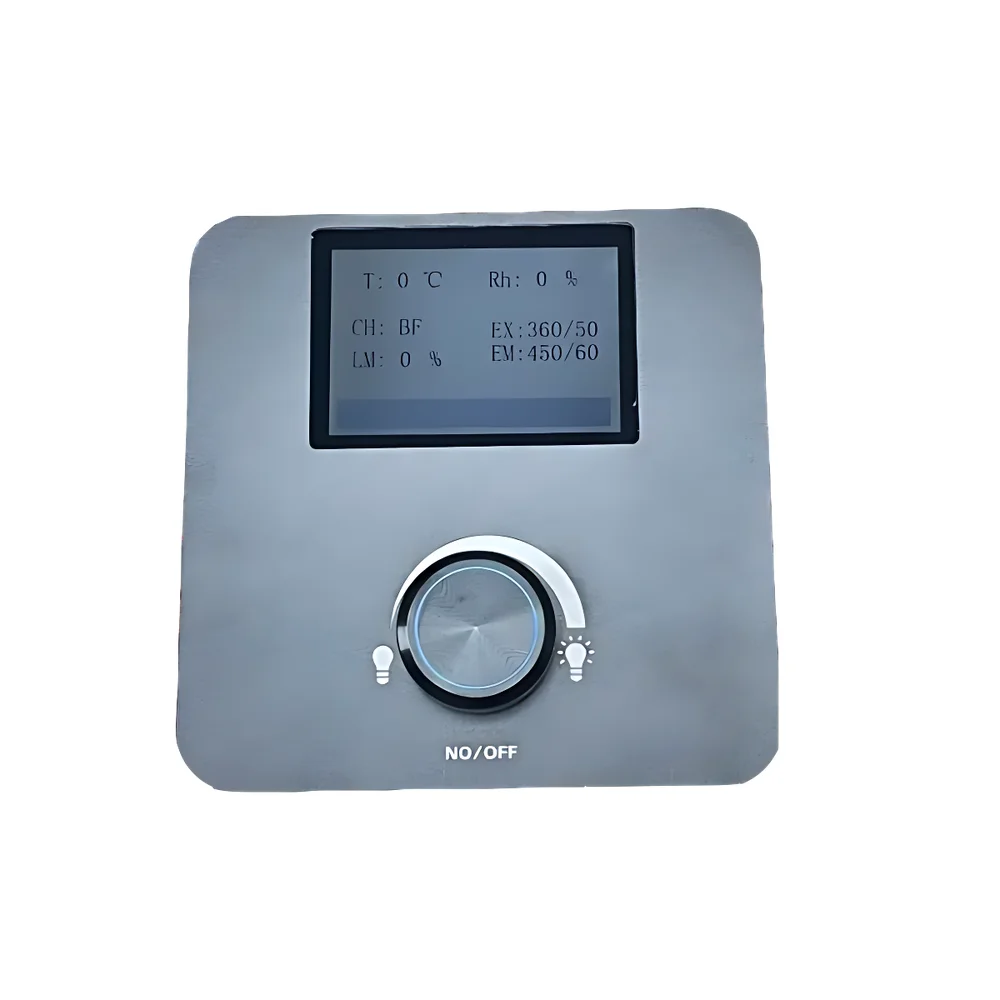
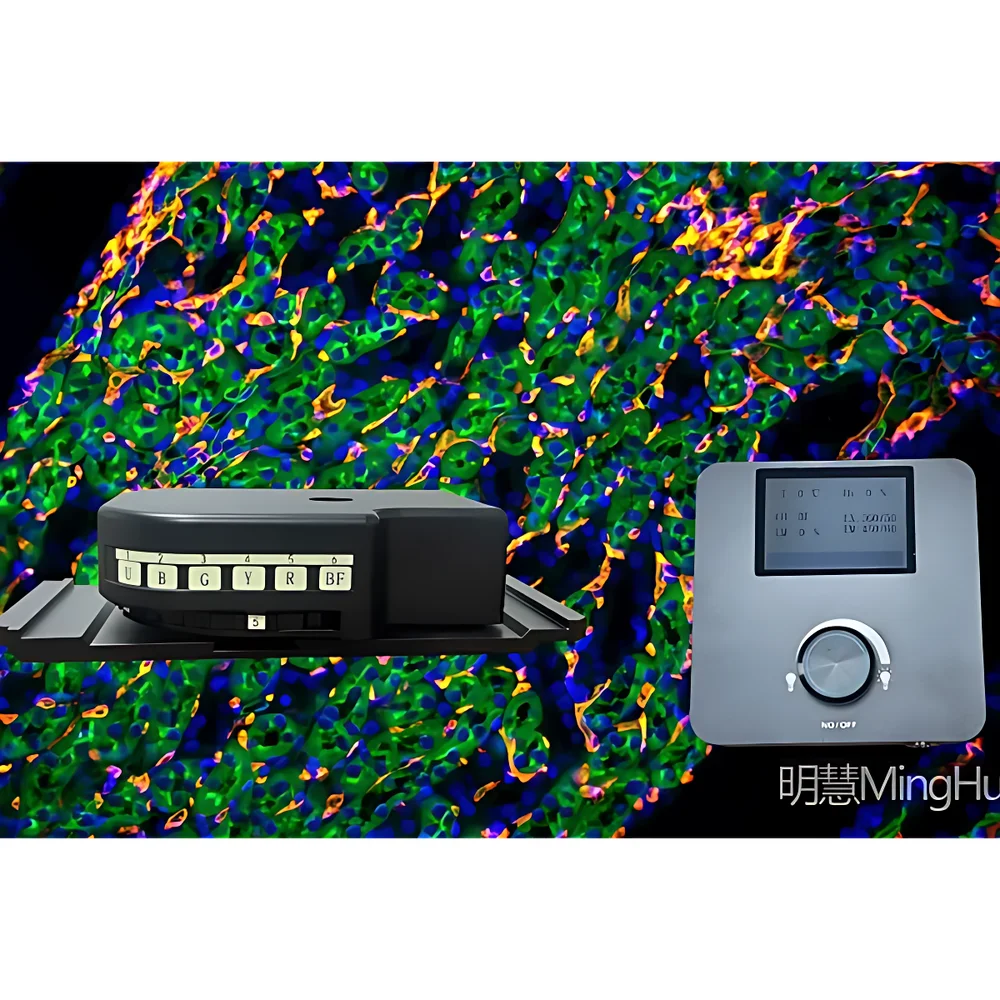
MingHui H6-LED-IMH Six-Position Inverted Fluorescence Illumination Module for Olympus IX73 Microscope

| Brand | MingHui |
|---|---|
| Origin | Guangdong, China |
| Manufacturer Type | OEM/ODM Manufacturer |
| Product Category | Domestic |
| Model | H6-LED-IMH (Olympus IX73-Compatible) |
| Light Source Type | High-Power Monochromatic LED Array |
| Illumination Mode | Internal (Epi-Illumination) |
| Max. LED Channels | 6 |
| LED Power | 10 W per channel |
| LED Lifetime | ≥20,000 h |
| Excitation Filter Options | UV (EX 360/50 nm, DM 400 nm, EM 460/50 nm), Blue (EX 475/35 nm, DM 500 nm, EM 530/50 nm), Green (EX 530/40 nm, DM 560 nm, EM 575LP) |
| Control Interface | 3.5″ LCD Touch Panel with Channel-Specific Intensity Memory |
| Power Supply | 12 V / 3 A Adapter |
| Switching Mechanism | Manual Rotating Filter Turret |
| Warm-up Time | 0 s |
| Alignment Requirement | Pre-aligned, No Optical Realignment Needed After Installation |
Ask about pricing, availability and specifications.
Overview
The MingHui H6-LED-IMH is a six-position epi-fluorescence illumination module engineered for seamless integration with the Olympus IX73 inverted microscope platform. Designed as a direct replacement for traditional mercury and xenon arc lamps, this module employs high-intensity, narrow-bandwidth 10 W monochromatic LEDs to deliver stable, cool, and spectrally precise excitation across multiple fluorophore classes. Unlike broadband sources that generate excessive heat and spectral bleed-through, the H6-LED-IMH utilizes discrete solid-state emitters with tightly controlled excitation bandwidths—enabling high signal-to-noise ratio imaging while minimizing phototoxicity and dye photobleaching. Its internal epi-illumination architecture ensures optimal light coupling into the IX73’s infinity-corrected optical path without requiring objective-side modifications or beam-splitter recalibration. The system operates on a zero-warm-up principle: full-intensity output is achieved instantaneously upon activation, supporting rapid experimental transitions between brightfield and fluorescence modalities.
Key Features
- Six-position manual filter turret with pre-aligned, factory-calibrated excitation/dichroic/emission filter sets—including standard UV (360/50 nm), blue (475/35 nm), and green (530/40 nm) configurations—ensuring compatibility with DAPI, FITC, TRITC, and other widely used fluorophores.
- Independent intensity control per LED channel via a 3.5-inch LCD controller; each channel retains user-defined brightness settings in non-volatile memory for reproducible acquisition conditions across sessions.
- Modular, tool-free channel installation: fluorescent modules are mechanically keyed and optically registered—no collimation or centering adjustments required post-installation.
- Thermally managed LED drivers with constant-current regulation ensure intensity stability over extended imaging sessions (>8 h continuous operation) and minimal wavelength drift (<0.5 nm over 25–40 °C ambient range).
- Integrated safety design: all high-power electronics are housed in an external power management box, isolating heat-generating components from the microscope frame and reducing thermal drift in stage-mounted samples.
Sample Compatibility & Compliance
The H6-LED-IMH supports live-cell imaging, fixed-tissue sections, and microplate-based assays on standard glass-bottom dishes, chambered coverslips, and multi-well plates compatible with the IX73 stage geometry. Its low-heat emission profile (<25 °C surface temperature at full output) enables long-term observation of thermosensitive specimens without environmental chamber compensation. While not certified under FDA 510(k) or CE IVD directives (as it functions as a microscope accessory rather than a diagnostic device), the module complies with IEC 61000-6-3 (EMC emissions) and IEC 62471 (photobiological safety) for Class 1 LED equipment. Filter configurations adhere to ISO 8578:2017 standards for fluorescence microscopy filter nomenclature and spectral tolerances.
Software & Data Management
The H6-LED-IMH operates independently of proprietary acquisition software but interfaces seamlessly with common third-party platforms—including Olympus cellSens, Nikon NIS-Elements, and open-source tools such as Micro-Manager and Fiji—via TTL trigger inputs for synchronized exposure control. The LCD controller logs operational metadata (channel ID, intensity %, cumulative runtime) accessible through USB-C diagnostics port, supporting GLP-compliant recordkeeping when paired with laboratory information management systems (LIMS). Audit trails for intensity settings can be exported as CSV for traceability in regulated environments operating under 21 CFR Part 11 guidelines.
Applications
- Live-cell calcium imaging using Fluo-4 or Fura-2 dyes under controlled thermal and phototoxic conditions.
- Multi-color co-localization studies requiring sequential excitation without mechanical realignment.
- High-content screening (HCS) workflows where consistent illumination intensity across wells and timepoints is critical for quantitative analysis.
- Teaching laboratories requiring robust, maintenance-free fluorescence capability with intuitive channel switching and no lamp replacement logistics.
- Time-lapse confocal correlation experiments where LED stability eliminates temporal intensity artifacts inherent to arc-lamp aging.
FAQ
Is the H6-LED-IMH compatible with other Olympus inverted models beyond the IX73?
Yes—mechanical and optical interface dimensions match the IX53, IX83, and IX71 series with minor adapter plate adjustments; contact technical support for model-specific mounting kits.
Can custom excitation/emission filter sets be installed?
Yes—the turret accepts standard 25 mm diameter filters; users may supply or request OEM-validated sets for Cy5, mCherry, or near-IR dyes.
Does the module support automated filter switching via software?
Not natively—but TTL-compatible versions with motorized turret control are available under OEM agreement.
What is the expected calibration interval for intensity output?
No routine recalibration is required; LED output stability is validated to ±3% over 12 months under normal lab use (per ISO/IEC 17025-accredited internal verification protocol).
How is heat dissipation managed during extended fluorescence acquisitions?
Each LED channel incorporates aluminum-core PCBs and passive finned heatsinks; thermal imaging confirms ≤5 K rise above ambient at maximum output for >4 h continuous operation.