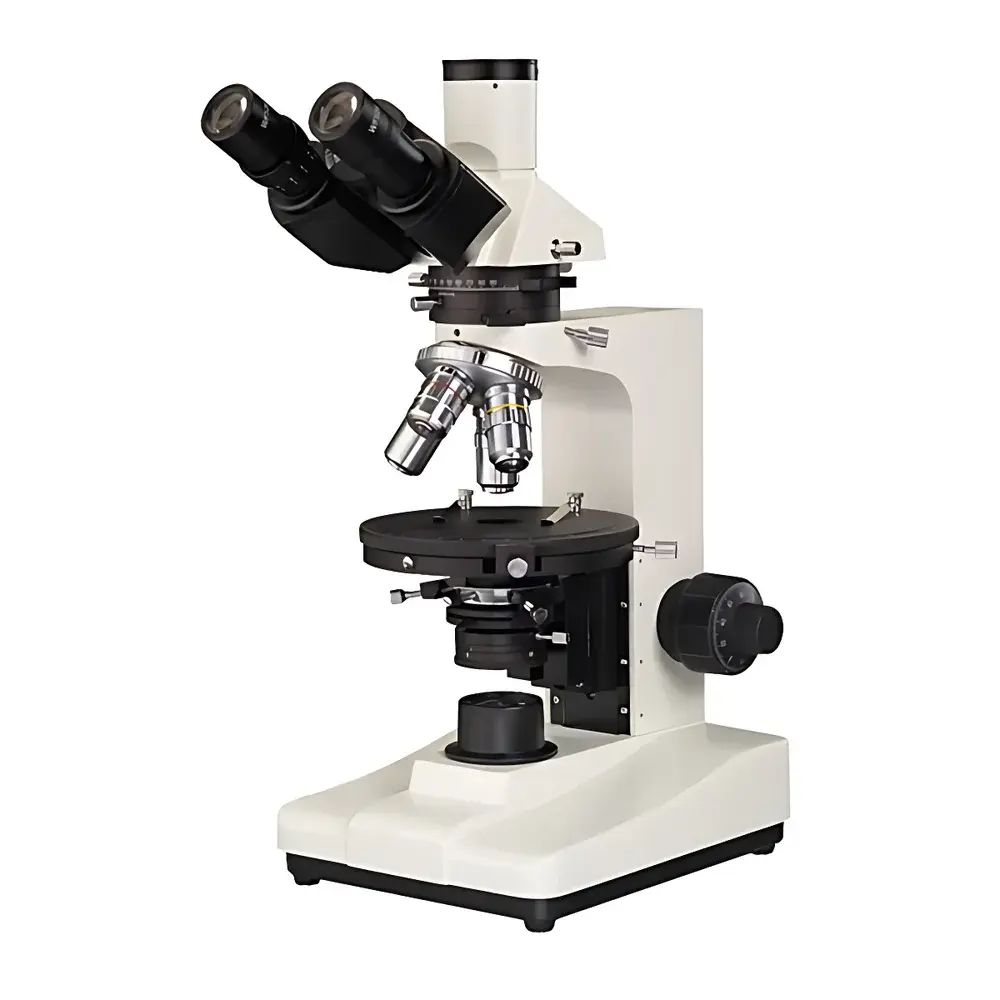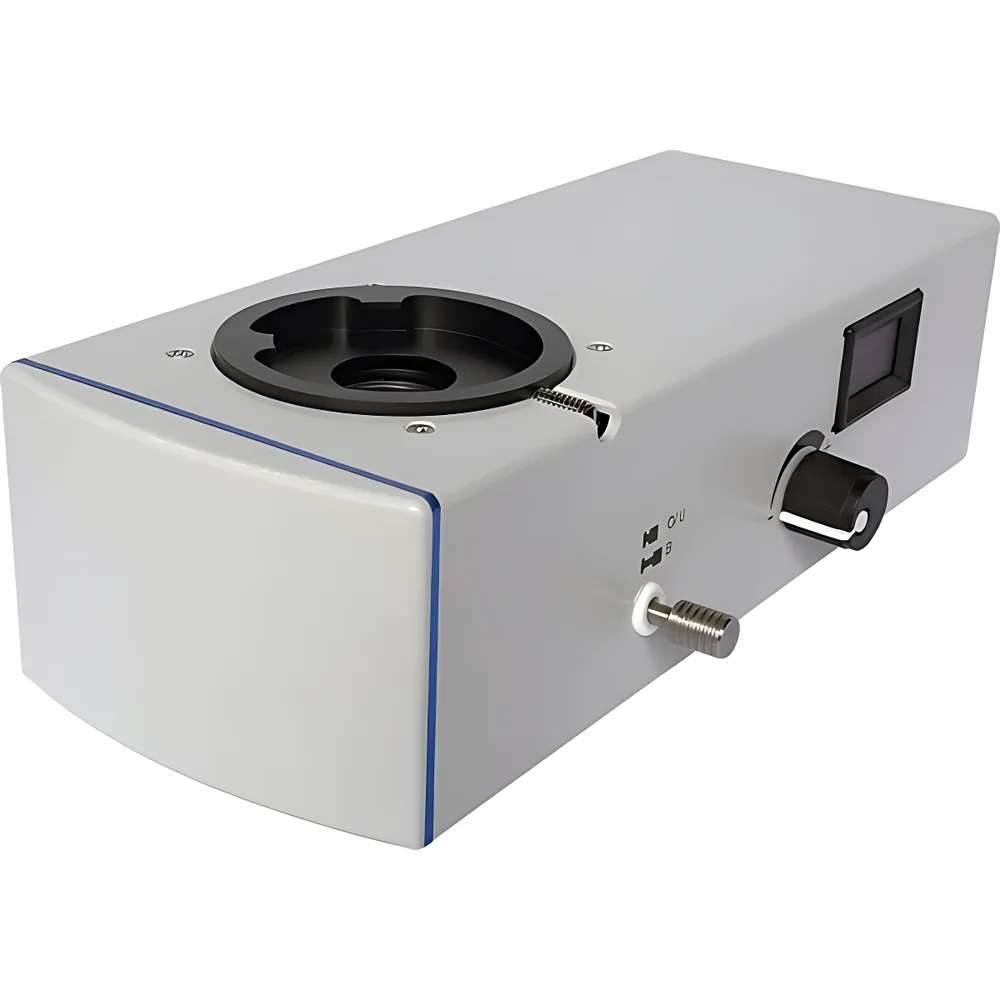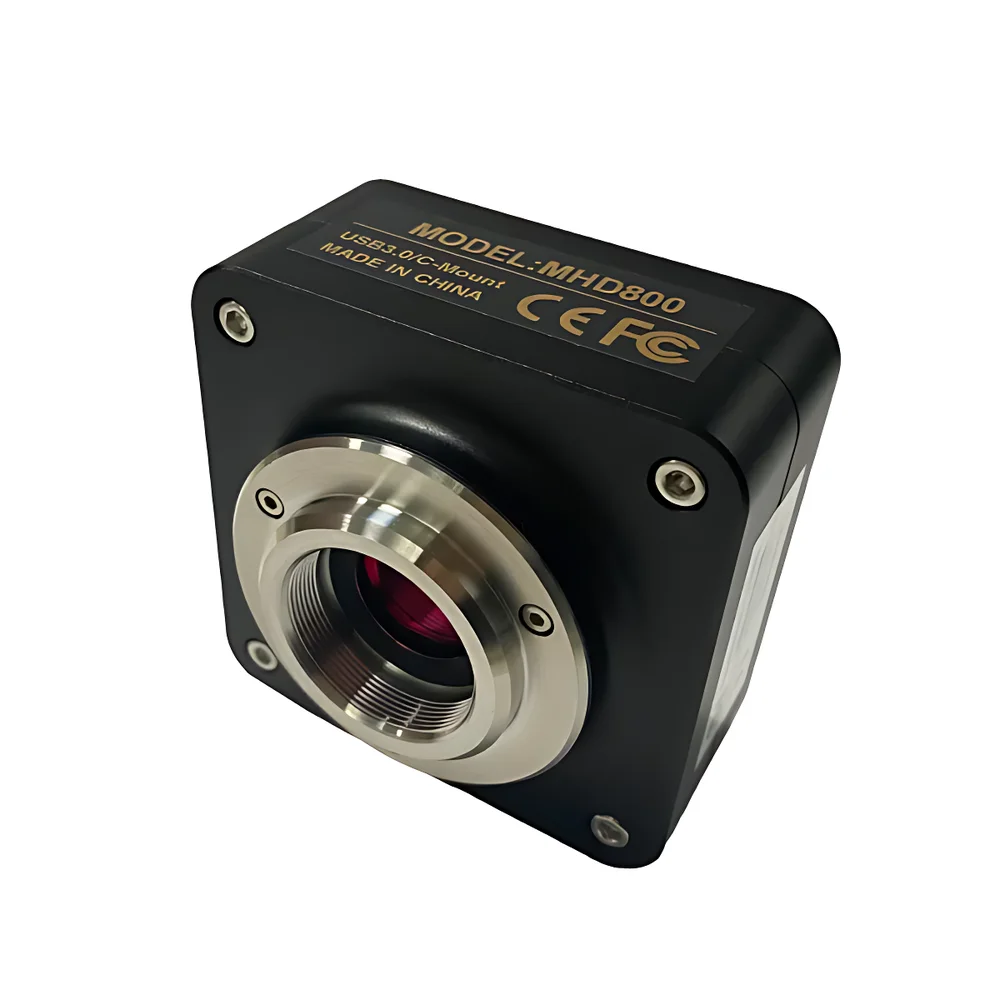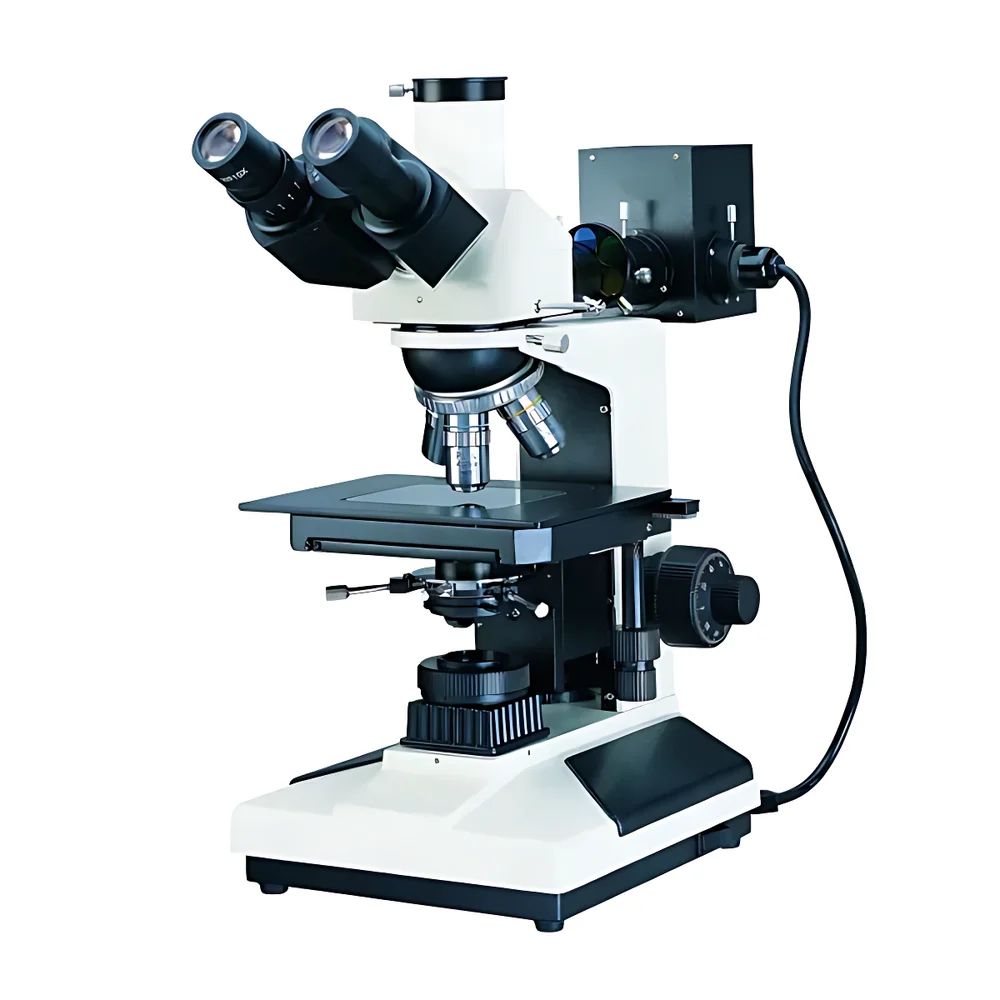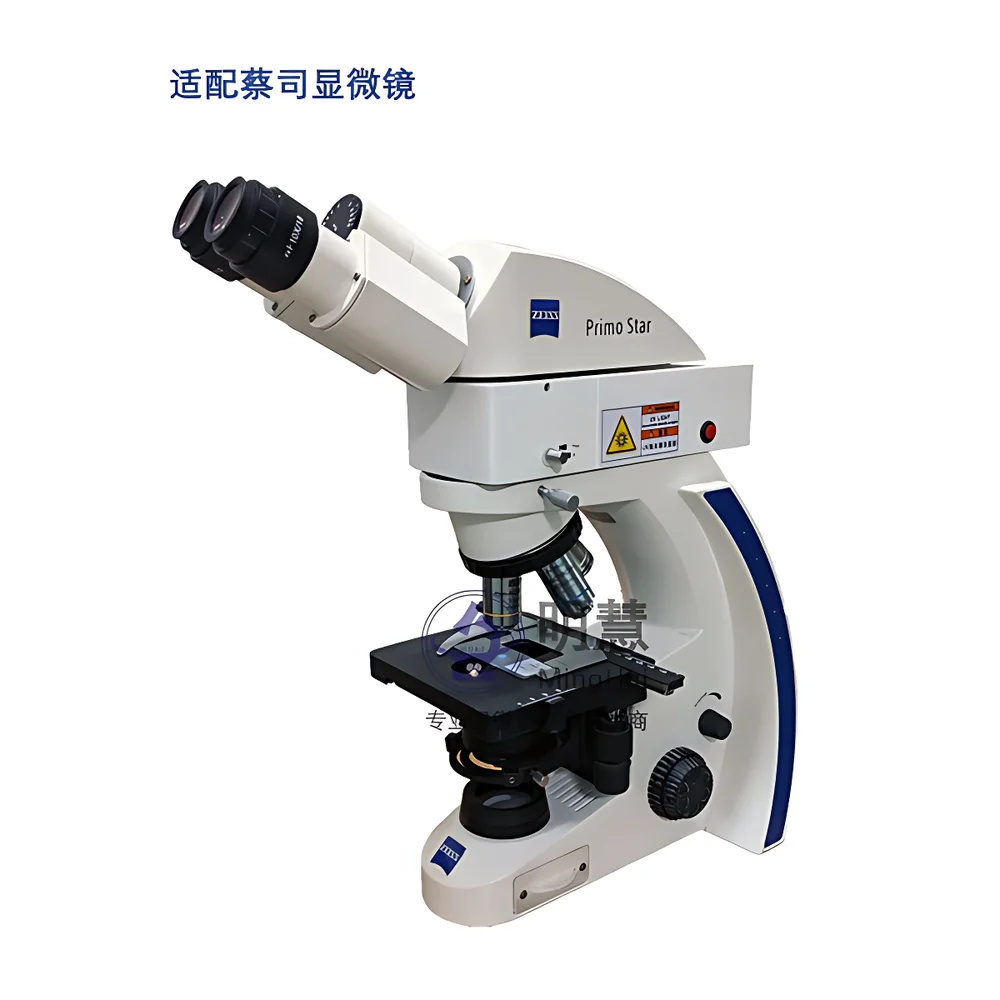
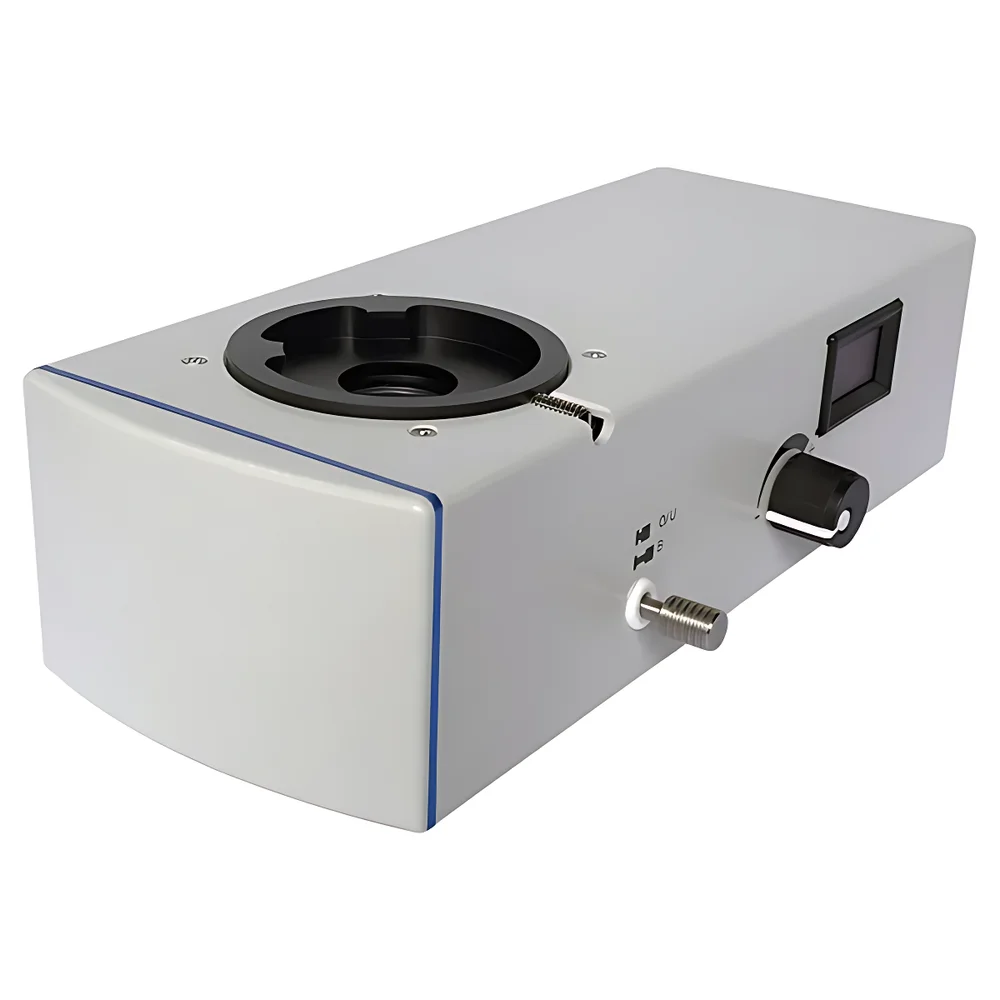
MingHui B-LED-MH(RB) Upright Microscope Fluorescence Module

| Brand | MingHui |
|---|---|
| Origin | Guangdong, China |
| Manufacturer Type | Manufacturer |
| Product Category | Domestic |
| Model | B-LED-MH(RB) |
| Light Source Type | High-Power LED (Blue) |
| Illumination Mode | Internal (Built-in) |
| Excitation Filter | 475/35 nm |
| Dichroic Mirror | 500 nm |
| Emission Filter | 515 nm |
| LED Peak Wavelength | 475 nm |
| LED Lifetime | >20,000 h |
| Intensity Control | 0–100% Linear Dimming |
| Observation Modes | Brightfield & Fluorescence |
| Fluorescence Channels | Single |
| Switching Mechanism | Manual Slide-Block |
| Compatibility | Infinity-Corrected Upright Microscopes (Olympus, Nikon, Zeiss, Leica, and domestic brands) |
| Mounting Interface | Interchangeable dovetail adapter plate |
Ask about pricing, availability and specifications.
Overview
The MingHui B-LED-MH(RB) Upright Microscope Fluorescence Module is an engineered optical upgrade solution designed to convert standard infinity-corrected upright microscopes into dual-mode brightfield/fluorescence observation platforms. Based on solid-state LED excitation technology, this module employs a high-stability 475 nm narrow-band LED source with a spectral bandwidth of ±17.5 nm (475/35 nm), optimized for common blue-excitable fluorophores including DAPI (with appropriate dichroic pairing), FITC, GFP, and SYTO dyes. Unlike mercury or xenon arc lamps, the LED source delivers instant on/off operation, negligible thermal drift, and no UV-induced phototoxicity—critical for live-cell imaging and routine clinical fluorescence assays. The module integrates seamlessly into the optical train via an internal illumination path, preserving the microscope’s native Köhler illumination geometry and mechanical stability without requiring objective turret modification or beam splitter realignment.
Key Features
- Long-life 475 nm LED source rated for >20,000 hours of stable output, eliminating lamp replacement cycles and associated calibration recalibration.
- Linear 0–100% intensity dimming via rotary encoder or potentiometer, enabling precise photometric control for quantitative fluorescence assessment and photobleaching mitigation.
- Dedicated optical filter set: 475/35 nm excitation filter, 500 nm dichroic mirror, and 515 nm emission barrier filter—configured to maximize signal-to-noise ratio for blue-excited fluorophores.
- Manual slide-block channel selector positioned adjacent to the intensity control for ergonomic, one-handed operation; tactile detents ensure repeatable alignment and minimal vibration transfer.
- Interchangeable dovetail mounting plate system compatible with major upright microscope chassis—including Olympus BX/BX3 series, Nikon ECLIPSE Ci-L/Ci-S, Zeiss Axio Imager/Axio Scope.A1, and Leica DM2500/DM4000—without disassembly or permanent modification.
- Large-aperture optical path (≥25 mm clear diameter) ensures uniform illumination across full-frame sensors and wide-field eyepieces, minimizing vignetting and edge falloff in both brightfield and fluorescence modes.
Sample Compatibility & Compliance
The B-LED-MH(RB) module supports routine fluorescence applications in clinical diagnostics and biomedical research, including acid-fast bacilli (AFB) detection using auramine-O staining, immunofluorescent identification of respiratory pathogens (e.g., influenza A/B, RSV), reproductive tract pathogen screening (e.g., Chlamydia trachomatis, Ureaplasma), and autoantibody profiling in connective tissue disease serology. Its design conforms to ISO 8578:2017 (microscope accessories — mechanical and optical interface requirements) and aligns with IEC 61000-6-3 (EMC emissions) and IEC 62471 (photobiological safety classification for LED light sources). While not certified under FDA 21 CFR Part 11, the module’s hardware-based intensity control and mechanical switching architecture support GLP-compliant documentation workflows when integrated into validated laboratory systems.
Software & Data Management
As a hardware-only optical accessory, the B-LED-MH(RB) requires no proprietary drivers or software installation. It operates independently of camera acquisition software (e.g., NIS-Elements, ZEN Blue, MetaMorph, or open-source Micro-Manager), maintaining full compatibility with third-party frame-grabbers and scientific CMOS/CCD cameras. Intensity settings are retained mechanically and do not rely on digital memory or firmware—ensuring reproducibility across instrument platforms and user sessions. For laboratories implementing electronic lab notebooks (ELN) or LIMS integration, the module’s consistent spectral output and fixed filter alignment enable traceable, parameter-locked acquisition protocols without dependency on software-mediated calibration.
Applications
- Clinical microbiology: Rapid fluorescent staining of Mycobacterium tuberculosis in sputum smears using auramine-rhodamine protocols.
- Immunopathology: Detection of IgG/IgA autoantibodies bound to HEp-2 cells via FITC-conjugated secondary antibodies.
- Virology: Visualization of viral inclusion bodies in respiratory epithelial cells stained with anti-RSV or anti-influenza monoclonal antibodies.
- Reproductive health: Identification of Chlamydia trachomatis elementary bodies in endocervical swabs using direct fluorescent antibody (DFA) testing.
- Teaching laboratories: Cost-effective fluorescence capability for undergraduate cell biology and histology courses using standard upright teaching microscopes.
FAQ
Is the B-LED-MH(RB) compatible with finite-conjugate microscopes?
No. This module is engineered exclusively for infinity-corrected optical systems. Finite-conjugate (160 mm tube length) microscopes lack the required parallel beam path and will not achieve proper focus or Köhler illumination alignment.
Can multiple fluorescence modules (e.g., UV-LED-MH and G-LED-MH) be used simultaneously on one microscope?
No. The B-LED-MH(RB) is a single-channel module. Multi-color imaging requires sequential acquisition with manual filter exchange or integration with a motorized filter cube turret (not included).
Does the module include a power supply?
Yes. A regulated 12 V DC switching power supply with overvoltage and short-circuit protection is supplied, compliant with IEC 60950-1 safety standards.
What maintenance is required?
None beyond periodic cleaning of external filter surfaces using lens-grade tissue and reagent-grade isopropanol. No consumables, alignment tools, or recalibration procedures are necessary during normal operation.
Is the LED intensity output calibrated to radiometric units (e.g., mW/mm²)?
No. Intensity is controlled as a relative linear percentage of maximum drive current. Absolute irradiance values depend on microscope-specific optical throughput and should be measured empirically using a calibrated photodiode sensor if required for quantitative work.