Micro2100-N (03) Multi-Parameter Microelectrode Analysis System

| Brand | Easysensor |
|---|---|
| Origin | Jiangsu, China |
| Model | Micro2100-N (03) |
| Detection Parameters | pH, Dissolved Oxygen (DO), Redox Potential (Eh), Hydrogen Sulfide (H₂S), Nitric Oxide (NO) |
| Spatial Resolution | ≤200 µm |
| Temporal Resolution | <100 ms per measurement point |
| Electrode Types | Glass microelectrodes and stainless-steel needle microelectrodes (user-selectable) |
| Motion Control | Motorized linear translation stage with ±0.1 µm positioning repeatability |
| Software | Multi-channel calibration & real-time profiling software (Windows-based, USB 3.0 interface) |
| Compliance | Designed for GLP-compliant environmental research workflows |
Ask about pricing, availability and specifications.
Overview
The Easysensor Micro2100-N (03) Multi-Parameter Microelectrode Analysis System is an engineered platform for high-resolution, in situ electrochemical profiling of physicochemical gradients across heterogeneous environmental interfaces. It operates on two fundamental electrochemical principles: potentiometric detection (governed by the Nernst equation) for pH and redox potential (Eh), and amperometric (voltammetric) detection under fixed-potential polarization for dissolved oxygen (DO), hydrogen sulfide (H₂S), and nitric oxide (NO). The system integrates five independently calibrated microelectrodes—each with a tip diameter of ≤200 µm—into a synchronized vertical profiling workflow enabled by a precision motorized linear stage. This architecture allows acquisition of co-registered, depth-resolved concentration profiles at sub-second temporal resolution (≤100 ms per data point), enabling dynamic observation of biogeochemical processes at microscale interfaces such as sediment–water boundaries, rhizosphere zones, biofilm matrices, and algal mats.
Key Features
- Simultaneous five-parameter acquisition: pH, DO, Eh, H₂S, and NO—each measured via electrode-specific transduction mechanisms and signal conditioning circuits optimized for low-noise, high-fidelity output.
- Sub-micrometer mechanical positioning: Linear translation stage delivers ≤0.1 µm step resolution and repeatable vertical movement over a 50 mm travel range, supporting automated gradient sampling from air–water to solid–porewater interfaces.
- Dual-electrode modularity: Interchangeable glass microelectrodes (for pH/Eh) and stainless-steel needle-type microelectrodes (for DO/H₂S/NO) allow application-specific configuration without hardware re-engineering.
- Multi-channel calibration protocol: Implements a unified reference framework wherein all electrodes are calibrated concurrently in standardized buffer or standard solutions, ensuring cross-parameter comparability and minimizing drift-induced inter-channel offset.
- Real-time visualization suite: Proprietary Windows-based software provides live depth–parameter plots, time-series overlays, derivative analysis (e.g., flux estimation via Fick’s first law), and export-ready data formats (CSV, HDF5, MATLAB-compatible).
Sample Compatibility & Compliance
The Micro2100-N (03) is validated for use in complex, non-homogeneous matrices including saturated soils, freshwater and marine sediments, submerged macrophyte rhizospheres, microbial biofilms, and intact plant tissues (e.g., fruit pulp, moss thalli). Its microscale probe geometry minimizes physical disturbance during insertion, preserving native chemical gradients—a critical requirement for studies adhering to ASTM D6798 (Standard Guide for In Situ Measurements in Sediment Pore Water) and ISO 17402 (Soil quality — Guidance on the selection and application of methods for the assessment of bioavailability of contaminants). All firmware and software modules support configurable audit trails, user access levels, and electronic signature functionality aligned with FDA 21 CFR Part 11 for regulated environmental monitoring and GLP-compliant laboratory studies.
Software & Data Management
The bundled MicroProfile Suite v3.2 offers integrated instrument control, multi-electrode calibration management, and post-acquisition analysis tools. Calibration workflows enforce bracketing standards and slope validation per electrode type, with automatic pass/fail flagging based on IUPAC-recommended criteria. During acquisition, the software logs timestamped position coordinates, raw mV/pA signals, temperature-compensated parameter values, and metadata (operator ID, sample ID, ambient conditions). Data files are structured with embedded schema definitions compliant with FAIR principles (Findable, Accessible, Interoperable, Reusable), facilitating integration with LIMS platforms and long-term archival systems. Batch processing scripts enable automated calculation of diffusion coefficients, reaction rates, and interfacial fluxes using finite-difference approximations.
Applications
- Rhizosphere biogeochemistry: Quantifying diel oscillations in O₂ and pH adjacent to submerged macrophyte leaves (e.g., Vallisneria spiralis) to model photosynthetic–respiratory coupling under controlled light regimes.
- Soil redox dynamics: Tracking Eh shifts across flooding–drainage cycles in paddy soil microcosms, correlating electrochemical transitions with Fe(II)/Fe(III) speciation and methanogenic activity.
- Fruit maturation physiology: Mapping spatial pH gradients within grape berry mesocarp to establish objective, electrochemical biomarkers of ripening stage independent of subjective sensory evaluation.
- Moss ecophysiology: Resolving sub-hourly DO and Eh fluctuations in hydrated moss cushions under ambient photoperiods, linking metabolic signatures to atmospheric pollutant exposure history.
- Bioremediation efficacy assessment: Profiling vertical DO and Eh collapse zones in lake sediment microcosms dosed with varying concentrations of exogenous denitrifying consortia, identifying threshold inoculum densities for anaerobic zone expansion.
FAQ
What is the minimum detectable tip size for the microelectrodes included with the Micro2100-N (03)?
All standard microelectrodes supplied with this system feature a tip outer diameter of 200 µm, optimized for minimal invasiveness while maintaining mechanical stability and signal-to-noise ratio in soft biological and geochemical matrices.
Can the system perform simultaneous measurements across all five parameters without cross-talk?
Yes—each channel employs isolated analog front-end circuitry with dedicated filtering, gain staging, and ADC conversion. Electrode-specific calibration curves and real-time temperature compensation eliminate inter-parameter interference during concurrent acquisition.
Is the software compatible with Windows 11 and 64-bit architectures?
The MicroProfile Suite v3.2 supports Windows 10 and Windows 11 (64-bit only); it requires .NET Framework 4.8 and a minimum of 8 GB RAM for full multi-channel real-time operation.
Does the system meet requirements for regulatory submission of environmental monitoring data?
While the hardware itself is not certified as a medical or clinical device, its software architecture—including electronic signatures, audit trails, and calibration documentation export—meets foundational technical controls specified in FDA 21 CFR Part 11 and EU Annex 11 for non-clinical environmental research data integrity.
How is electrode drift managed during extended profiling runs?
Drift correction is implemented through periodic in situ reference checks using built-in zero-current potential references and optional secondary calibration points inserted at user-defined depths, enabling post-hoc baseline stabilization without interrupting continuous acquisition.
More from Easysensor
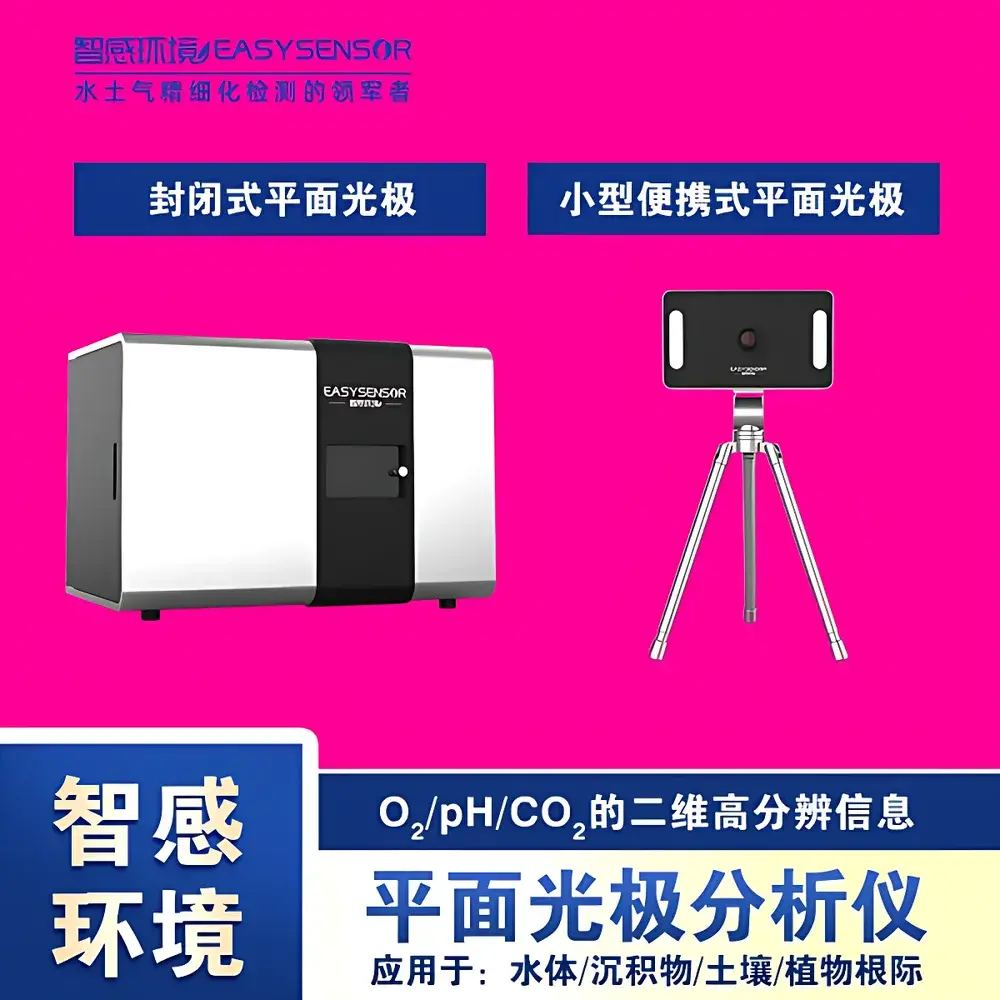
View all Easysensor products → High-Resolution Planar Optode Fluorescence Imaging Analyzer – Easysensor Planar Optode Analyzer (Model 02)
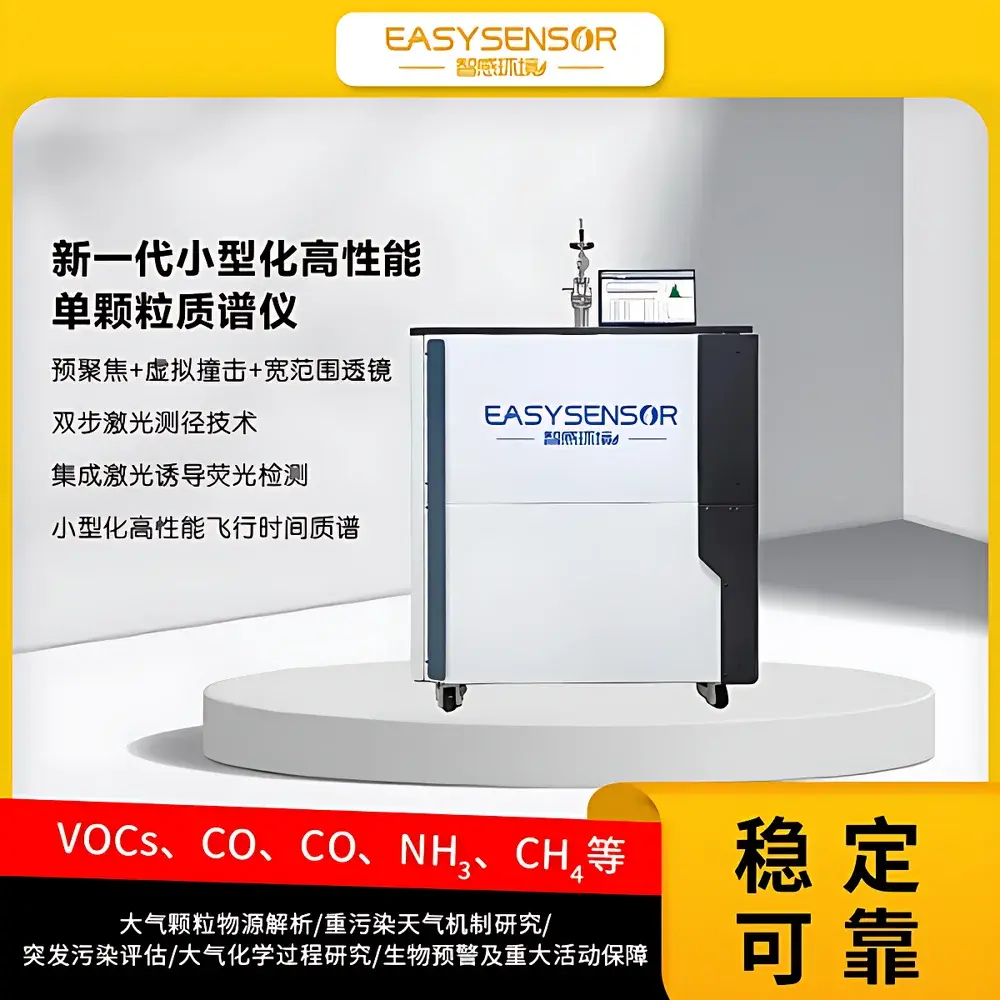
- Easysensor ZG-SPAMS 1000(15) Aerosol Single-Particle Time-of-Flight Mass Spectrometer
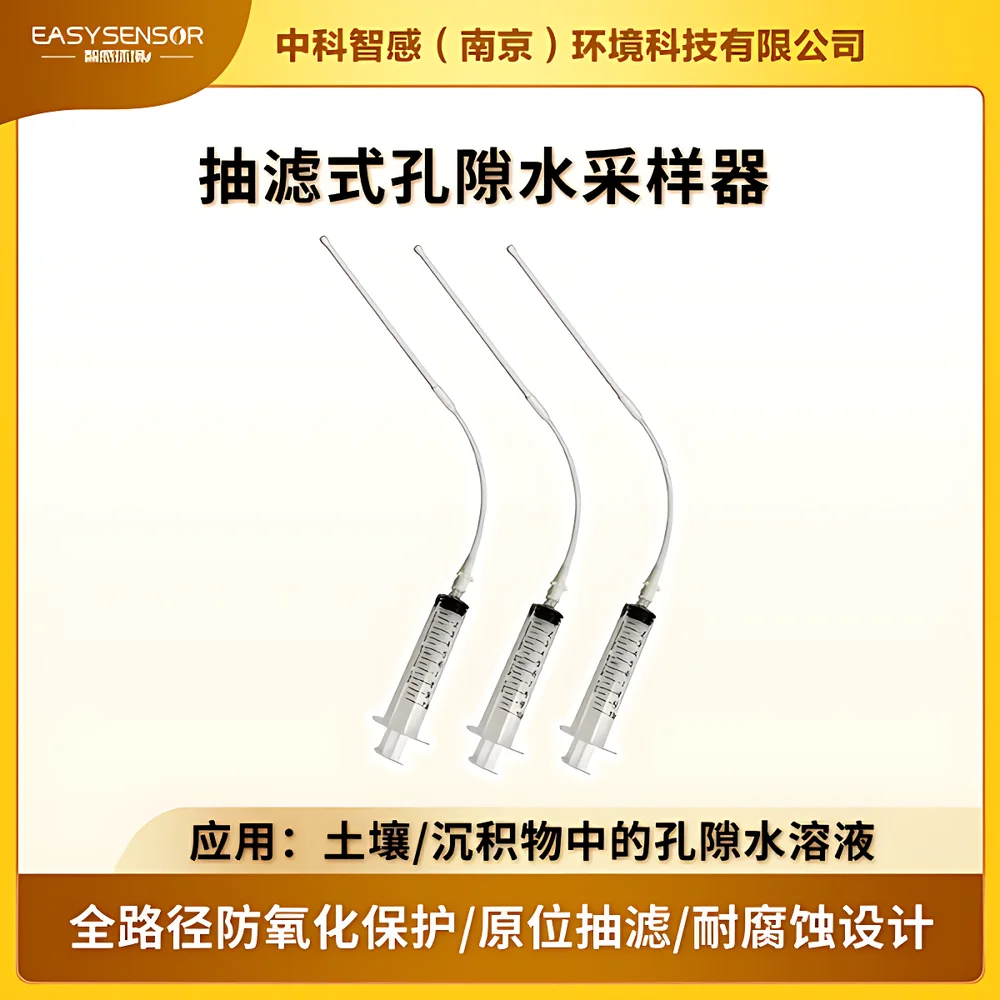
- Easysensor SFS-5/10 Series (03) Vacuum-Driven Pore Water Sampler with 0.40 µm Hydrophilized PVDF Filtration Membrane
- Easysensor RS-γ3000-Pro In-Situ Gamma Spectrometry Sensor for Real-Time Aquatic Radioactivity Monitoring