Micro2100-N (06) Multi-Channel Microelectrode Analysis System for High-Resolution, Low-Disturbance Profiling of Eh, DO, pH, H₂S, and NO

| Brand | Easysensor |
|---|---|
| Origin | Jiangsu, China |
| Model | Micro2100-N (06) |
| Channel Capacity | 5 simultaneous channels (pH / DO / Eh / H₂S / NO) |
| Electrode Tip Diameter | 200 µm (standard), optional down to 10 µm |
| Vertical Resolution | ≤10 µm (with linear translation stage) |
| Temporal Resolution | <100 ms per measurement point |
| Calibration Mode | Multi-electrode concurrent calibration in unified reference buffer system |
| Software | Easysensor MicroProfile Suite v3.2 (Windows-based, GLP-compliant audit trail, real-time visualization, depth-synchronized data export) |
| Compliance | Designed for ISO/IEC 17025-aligned environmental microprofiling |
Ask about pricing, availability and specifications.
Overview
The Easysensor Micro2100-N (06) is a research-grade multi-channel microelectrode analysis system engineered for high-spatial-resolution, low-perturbation chemical profiling across heterogeneous aqueous and semi-solid interfaces. It operates on two fundamental electrochemical principles: potentiometric sensing (for pH and redox potential, Eh) governed by the Nernst equation, and amperometric (voltammetric) detection (for dissolved oxygen, hydrogen sulfide, and nitric oxide) based on controlled-potential current response proportional to analyte concentration. The system integrates five independently addressable microelectrodes—each with a tip diameter as small as 200 µm (customizable to 10 µm)—mounted on a computer-controlled linear translation stage with ±0.5 µm positional repeatability. This architecture enables vertical microprofiling from air–water interfaces through sediment porewater, rhizosphere zones, biofilms, and algal mats with sub-millimeter depth increments and millisecond-scale temporal resolution. Unlike macro-scale probes, the microelectrode’s minimal invasive footprint preserves in situ biogeochemical gradients during measurement, making it suitable for dynamic process studies under controlled laboratory simulation conditions.
Key Features
- Simultaneous 5-channel acquisition: Synchronized real-time recording of pH, Eh, DO, H₂S, and NO at identical spatial coordinates.
- Low-disturbance microprofiling: 200 µm glass or stainless-steel needle-type microelectrodes minimize mechanical disruption to fragile interfaces such as root mucilage layers or microbial consortia.
- Precision motion control: Linear translation stage with 0.1 µm step resolution and programmable depth ramping (0–50 mm range), enabling automated vertical scanning across defined stratigraphic intervals.
- Concurrent multi-electrode calibration: All electrodes calibrated within a single reference buffer matrix prior to deployment, ensuring inter-channel signal coherence and quantitative comparability.
- Integrated data synchronization: Hardware-timed acquisition ensures depth-position metadata is embedded directly into each data point, eliminating post-hoc alignment errors.
- Modular electrode configuration: Interchangeable probe holders support mixed-tip geometries (e.g., pH + DO + Eh in one scan pass) without recalibration.
Sample Compatibility & Compliance
The Micro2100-N (06) is validated for use in saturated and unsaturated porous media including freshwater sediments, paddy soils, wetland peat, plant rhizospheres, microbial biofilms, and benthic algal mats. Its non-destructive sampling approach aligns with OECD Test Guideline 217 (sediment-water interface characterization) and supports experimental designs compliant with ISO 14040 (life cycle assessment of soil interventions). While not an in-vivo medical device, its data output meets reporting requirements for GLP-regulated environmental fate studies, including full audit trails, user authentication logs, and electronic signature capability per FDA 21 CFR Part 11 when used with validated software configurations. The system does not require hazardous reagents during operation and generates no radioactive or pressurized outputs.
Software & Data Management
The Easysensor MicroProfile Suite v3.2 provides native support for Windows 10/11 and includes three functional modules: (1) Calibration Manager, which enforces standardized buffer sequences (e.g., pH 4.01/7.00/10.01, ORP Zobell solution, DO zero/saturation standards); (2) Profile Acquisition Engine, enabling depth-triggered, time-triggered, or event-triggered scanning modes with customizable dwell times (10 ms–5 s per point); and (3) Visualization & Export Module, generating cross-sectional contour plots, depth-concentration profiles, and time-series overlays. All raw data are stored in HDF5 format with embedded metadata (timestamp, temperature, electrode ID, stage position, calibration coefficients). Export options include CSV (for MATLAB/Python ingestion), Excel (.xlsx), and image-ready PNG/PDF. Audit logs record operator ID, calibration history, instrument configuration changes, and data export events—fully traceable for regulatory review.
Applications
This system is routinely deployed in academic and governmental laboratories to quantify biogeochemical dynamics at microscale interfaces. Representative use cases include: mapping O₂ and pH gradients across submerged macrophyte leaves to assess photosynthetic efficiency; resolving diel Eh shifts in flooded rice soils during alternating anaerobic/aerobic cycles; quantifying H₂S penetration depth in sulfate-reducing sediments; tracking NO release kinetics from denitrifying biofilms under varying C/N ratios; and characterizing proton fluxes around maize root tips under drought stress. Its capacity for repeated, non-lethal measurements enables longitudinal studies—such as monitoring microbial amendment effects on sediment redox zonation over 30-day incubations—with statistical power derived from intra-sample replicate profiling rather than destructive sampling.
FAQ
What electrode types are supported?
Glass-body pH microelectrodes and solid-state steel-needle electrodes for Eh, DO, H₂S, and NO are supplied standard; custom tip geometries (e.g., carbon-fiber, gold-plated) can be integrated upon request.
Is field deployment possible?
The system is designed for controlled laboratory environments only; it requires stable temperature (20–25°C), vibration-isolated tables, and uninterrupted AC power. Field-portable variants are not available.
How is electrode drift compensated during long-duration profiling?
Drift correction is applied via in-run reference point re-measurement at predefined intervals (e.g., every 100 µm or 5 min), using built-in zero-point and span-check routines.
Can data be imported into third-party modeling platforms?
Yes—HDF5 and CSV exports retain all dimensional metadata required for import into COMSOL Multiphysics, PHREEQC, or Python-based reactive transport models.
What maintenance is required for microelectrodes?
Electrodes undergo weekly cleaning (ultrasonic bath in ethanol/water), monthly polishing (for metal tips), and annual recalibration verification using certified reference solutions traceable to NIST SRMs.
More from Easysensor
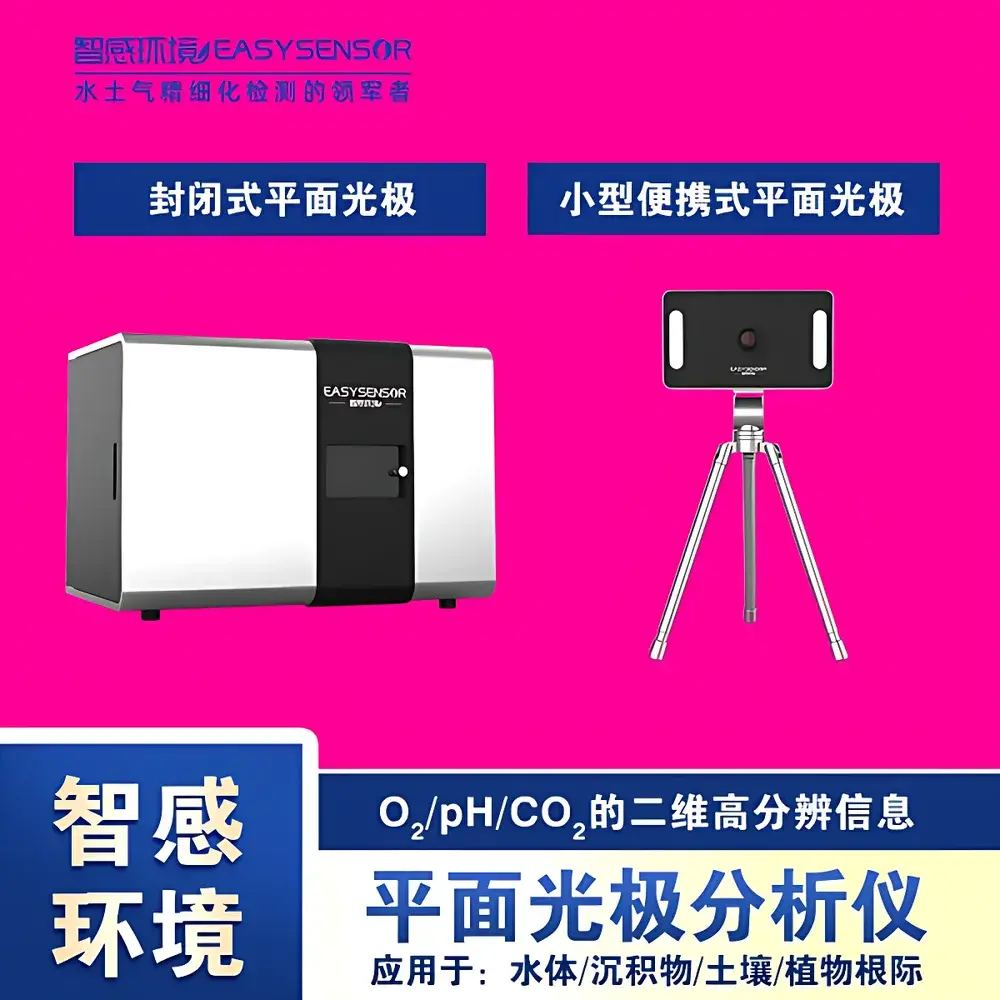
View all Easysensor products → High-Resolution Planar Optode Fluorescence Imaging Analyzer – Easysensor Planar Optode Analyzer (Model 02)
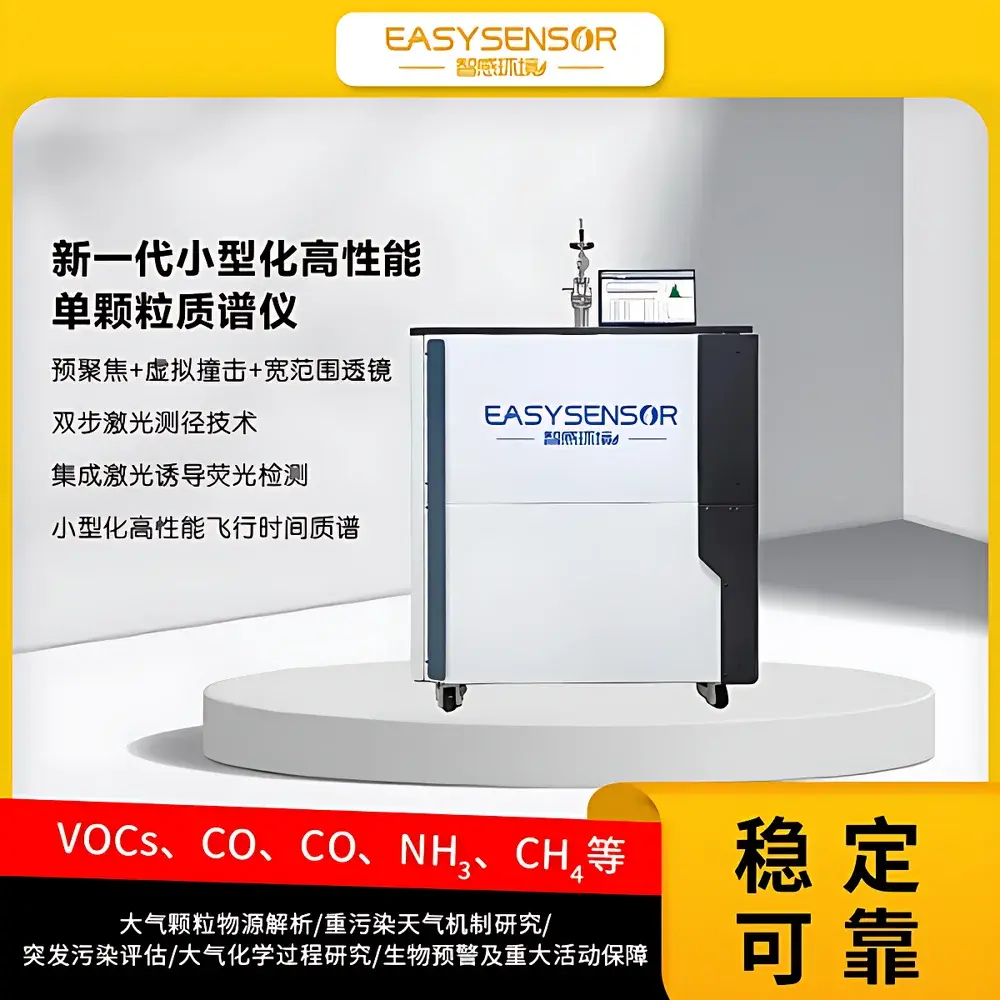
- Easysensor ZG-SPAMS 1000(15) Aerosol Single-Particle Time-of-Flight Mass Spectrometer
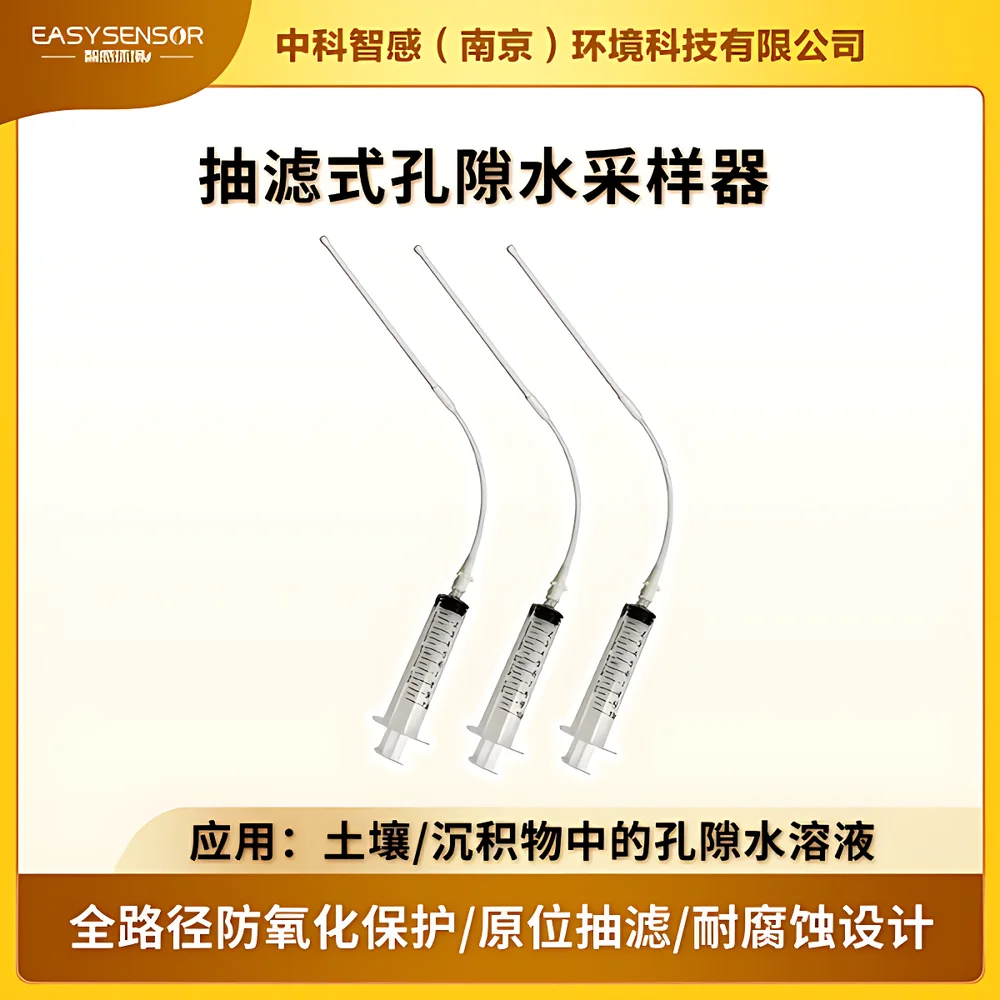
- Easysensor SFS-5/10 Series (03) Vacuum-Driven Pore Water Sampler with 0.40 µm Hydrophilized PVDF Filtration Membrane
- Easysensor RS-γ3000-Pro In-Situ Gamma Spectrometry Sensor for Real-Time Aquatic Radioactivity Monitoring