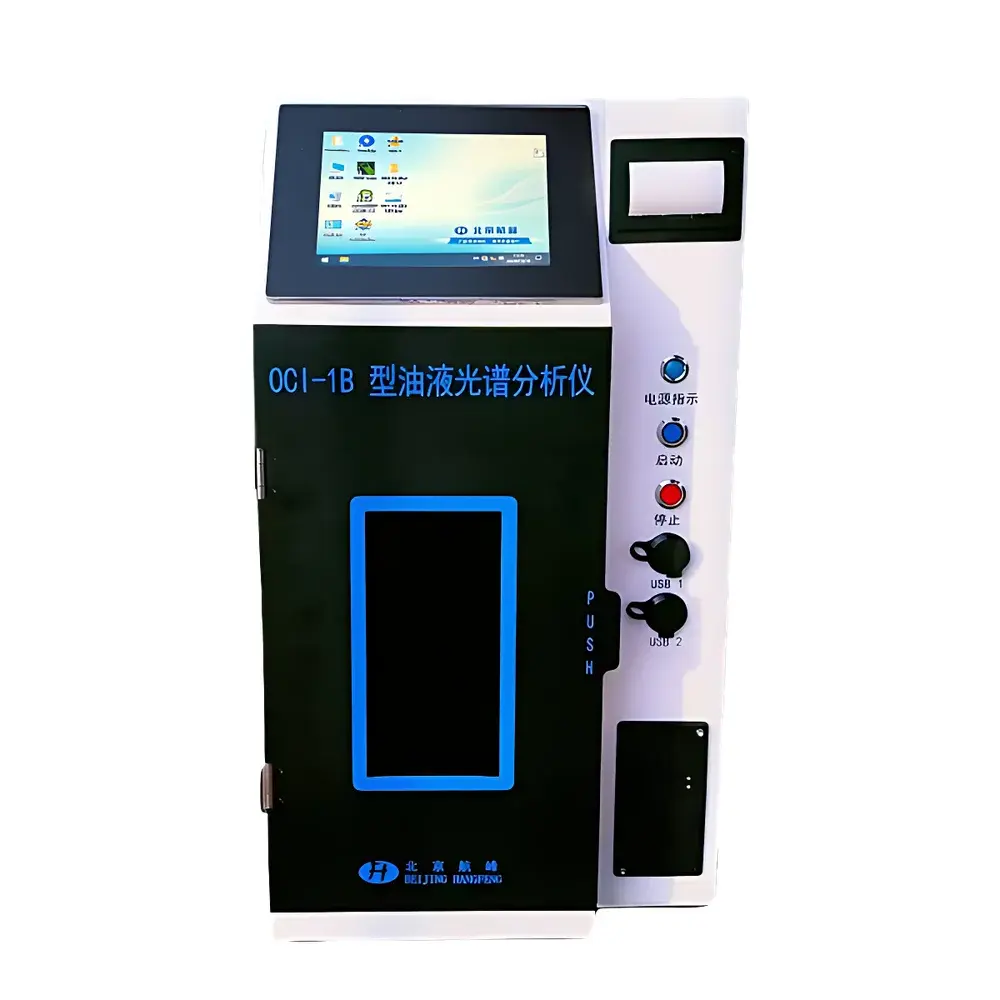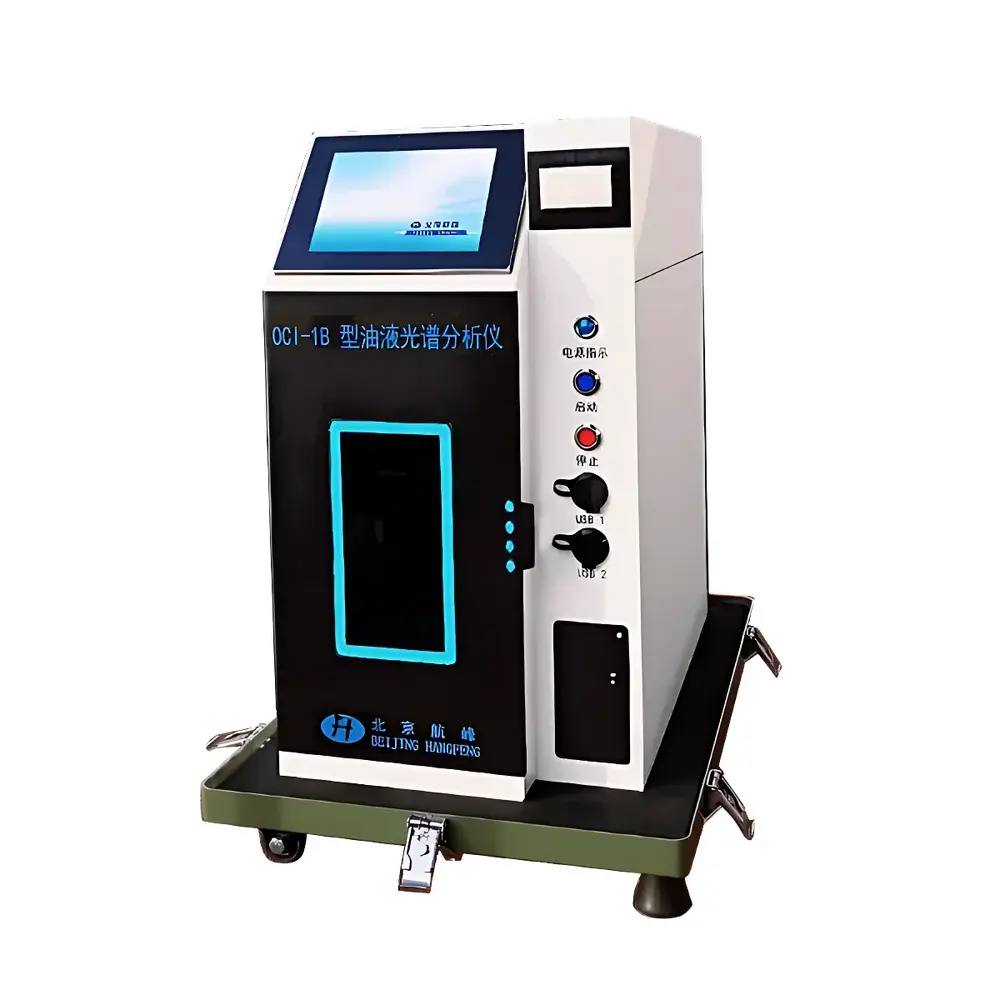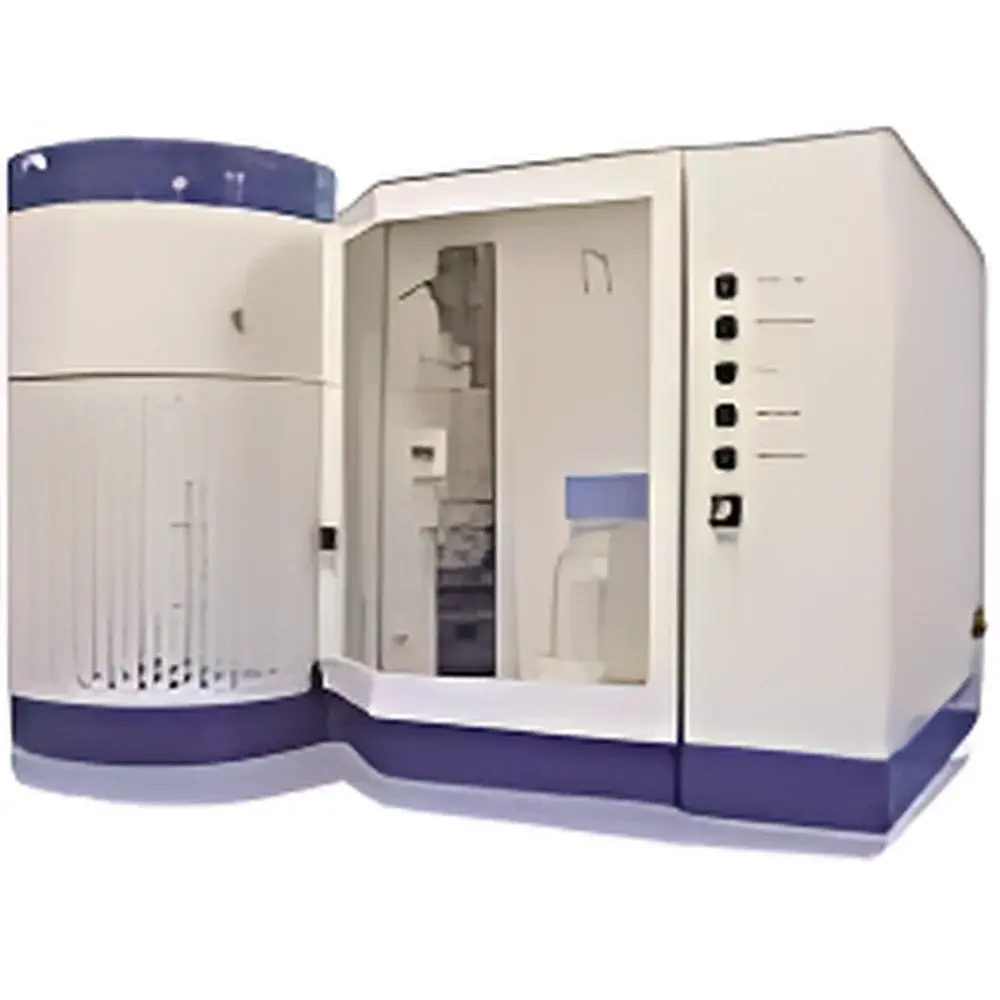
NPS-20 Desktop Flame Spray Pyrolysis (FSP) Nanoparticle Synthesizer
| Origin | Germany |
|---|---|
| Manufacturer Type | Authorized Distributor |
| Origin Category | Imported |
| Model | NPS-20 |
| Pricing | Upon Request |
Overview
The NPS-20 Desktop Flame Spray Pyrolysis (FSP) Nanoparticle Synthesizer is a fully integrated, benchtop-scale system engineered for controlled synthesis of advanced nanomaterials via flame spray pyrolysis—a gas-phase, one-step aerosol process rooted in high-temperature thermal decomposition. Operating on the principle of turbulent premixed combustion, the NPS-20 atomizes precursor solutions (typically metal nitrates, carboxylates, or alkoxides dissolved in volatile organic solvents such as ethanol or xylene) into fine droplets using a coaxial nozzle configuration. These droplets are entrained in a stabilized oxygen–fuel flame (commonly O2/H2 or O2/propane), where rapid heating (>2500 °C peak flame temperature) induces instantaneous solvent evaporation, precursor decomposition, nucleation, coalescence, and crystallization—yielding primary nanoparticles within milliseconds. The resulting dry, solvent-free powder is collected directly on a high-efficiency glass fiber filter under vacuum, eliminating post-synthesis drying or calcination steps. Designed for early-stage R&D and formulation screening, the NPS-20 enables systematic exploration of composition–structure–property relationships across diverse material families—including metal oxides (TiO2, Al2O3, ZrO2), doped ceramics (YSZ, CGO), spinels, phosphates, elemental metals (e.g., Pt, Pd), and core–shell architectures—without requiring cleanroom infrastructure or high-vacuum environments.
Key Features
- Benchtop footprint (<600 × 450 × 500 mm) with integrated flame reactor, liquid delivery module, flame monitoring, and filtration/vacuum unit
- Low-pulsation syringe pump system with mass flow-controlled precursor feeding (0.1–10 mL/min range, ±1% volumetric accuracy)
- Coaxial nozzle design enabling stable flame ignition and precise control over precursor dispersion and residence time
- Integrated flame photodetector with real-time feedback to microprocessor-based controller (RS232 interface for external logging or automation)
- Temperature- and pressure-monitored glass fiber filtration stage with adjustable vacuum level (up to −95 kPa) and thermal shielding for safe handling of hot particulates
- Modular architecture supporting optional sheath gas injection (e.g., N2, Ar) for flame stabilization, particle surface passivation, or inert atmosphere synthesis
Sample Compatibility & Compliance
The NPS-20 accommodates a broad spectrum of liquid precursors—including aqueous and alcoholic solutions of transition metal nitrates (e.g., Fe(NO3)3, Ni(NO3)2), acetates, acetylacetonates, and alkoxides—enabling synthesis of crystalline, stoichiometric nanoparticles without post-annealing. Primary particle sizes typically range from 5 to 50 nm, with aggregate morphology tunable via flame stoichiometry, precursor concentration, and quench rate. The system complies with standard laboratory safety protocols for flammable gas handling (EN 13463-1, IEC 60079-0), and its modular design supports integration into GLP-compliant workflows when paired with validated electronic logbooks and audit-trail-capable data acquisition software. While not certified for GMP manufacturing, it meets functional requirements for preclinical material generation per ISO 13485-aligned development pipelines.
Software & Data Management
The NPS-20 operates via embedded firmware with configurable setpoints for flow rates, flame gas ratios, and vacuum levels. Process parameters—including real-time flame intensity, filter temperature, differential pressure across the collector, and pump status—are logged locally and exportable via RS232 to third-party SCADA or LIMS platforms. Optional LabVIEW-based control software provides synchronized parameter sweeps, recipe storage, and CSV/Excel-compatible output for statistical analysis of synthesis reproducibility (RSD <5% for particle size distribution under fixed conditions). All electronic records support metadata tagging (operator ID, date/time stamp, batch ID), fulfilling foundational traceability requirements aligned with FDA 21 CFR Part 11 Annex 11 principles when deployed in regulated research settings.
Applications
- Catalyst development: High-surface-area metal oxide and supported noble metal nanoparticles for automotive exhaust, PEM fuel cells, and photocatalytic water splitting
- Energy materials: YSZ and CGO electrolytes for SOFCs; LiFePO4-derived cathodes; SiOx/C anode composites
- Biomedical engineering: Phase-pure hydroxyapatite, bioactive glasses, and iron oxide contrast agents with narrow size distributions
- Functional ceramics: Transparent alumina precursors, UV-shielding ZnO, and piezoelectric BaTiO3
- Polymer nanocomposites: Surface-modified nanoparticles for enhanced dispersion and interfacial adhesion in thermoplastics and elastomers
- Sensor platforms: Chemoresistive metal oxide films fabricated via direct deposition or ink formulation
FAQ
What precursor chemistries are compatible with the NPS-20?
Metal nitrates, acetates, carboxylates, and alkoxides dissolved in low-boiling-point solvents (e.g., ethanol, methanol, xylene) are routinely used. Precursor solubility >0.1 M and flash point >25 °C are recommended for stable atomization.
Can the NPS-20 produce doped or multi-metallic nanoparticles?
Yes—homogeneous mixing of multiple precursors in a single solution enables stoichiometric co-precipitation of complex oxides (e.g., Ni–Fe spinel, La0.8Sr0.2MnO3) without segregation.
Is post-synthesis annealing required?
No. FSP inherently yields crystalline products; however, optional downstream thermal treatment may be applied to adjust phase purity or surface hydroxyl content.
What is the typical nanopowder yield per hour?
Yields range from 0.1 to 2 g/h depending on precursor concentration, flow rate, and metal loading—optimized for lab-scale material procurement rather than bulk production.
Does the system support in situ diagnostics?
While the base configuration includes flame photometry and filter condition monitoring, integration with laser-induced incandescence (LII) or aerosol mobility spectrometry requires custom porting and third-party instrumentation.