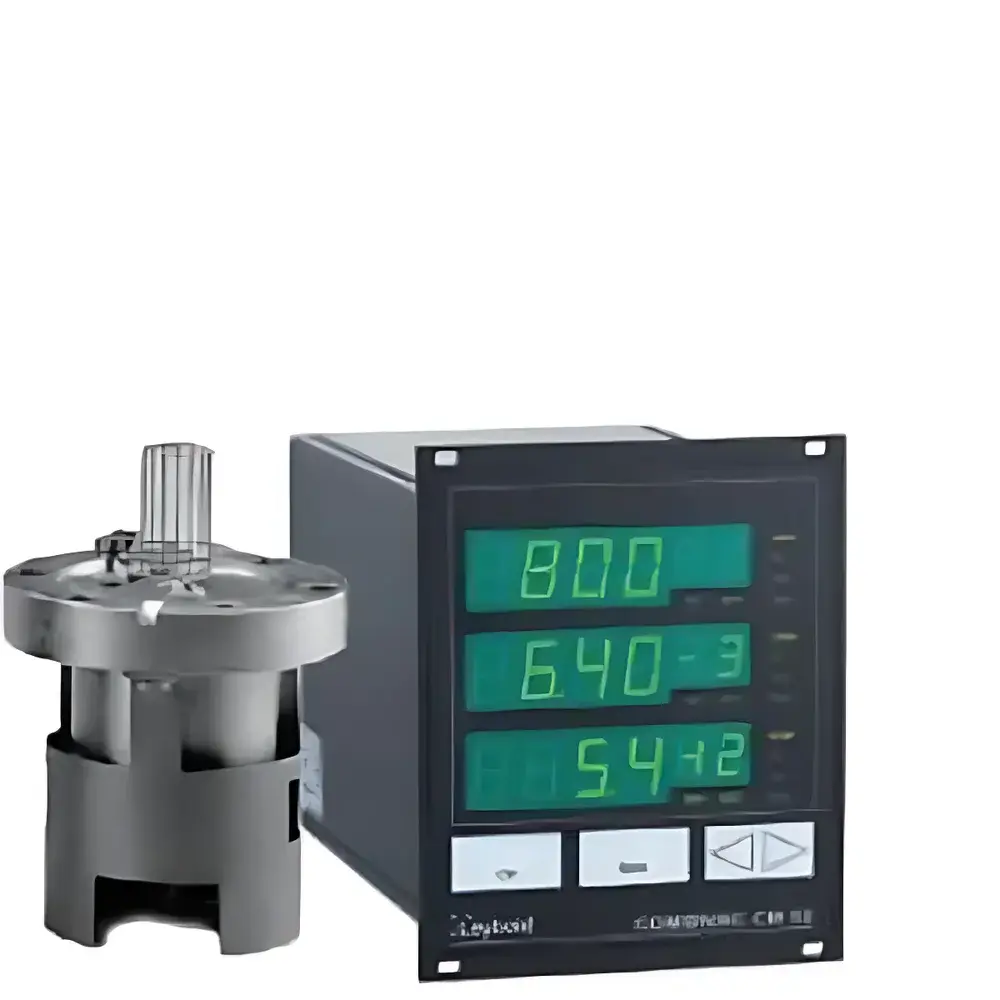
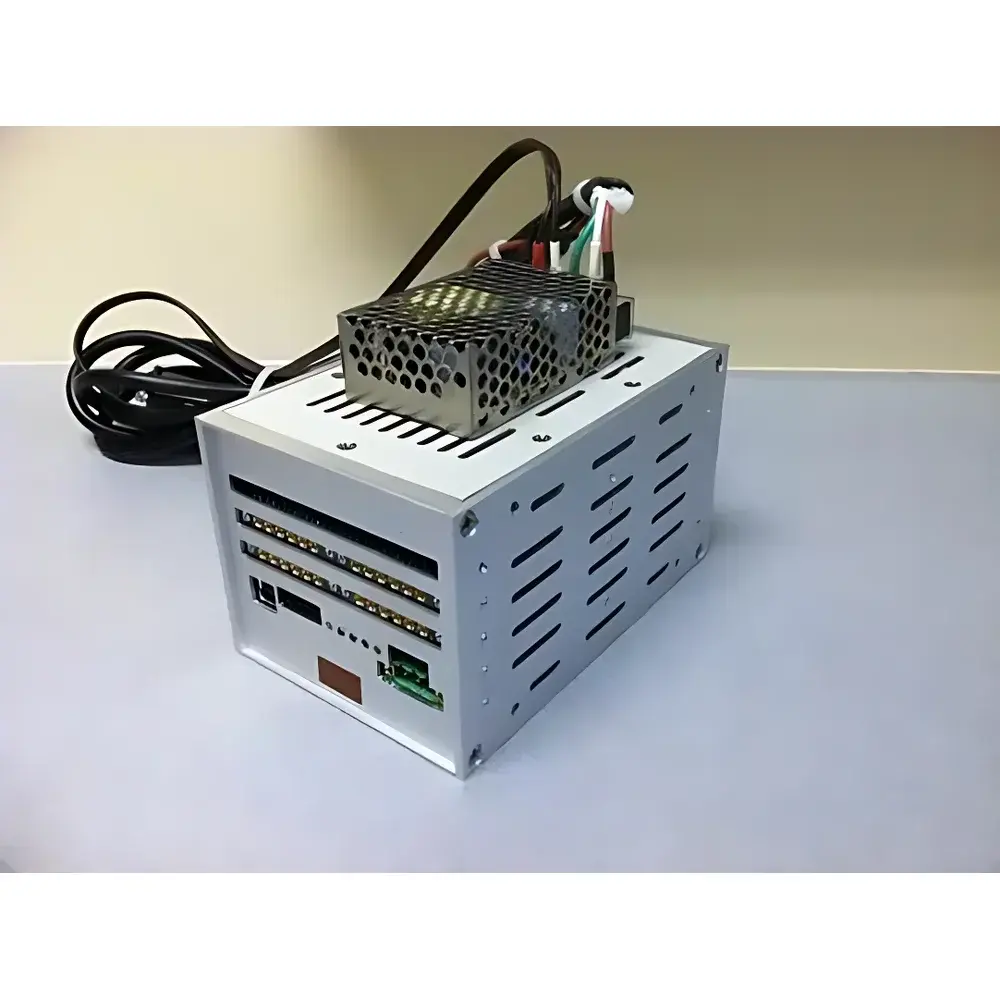
Tech4imaging ECT-12 Capacitance Tomography System
| Origin | USA |
|---|---|
| Manufacturer Type | Authorized Distributor |
| Origin Category | Imported |
| Model | ECT-12 |
| Pricing | Available Upon Request |
Overview
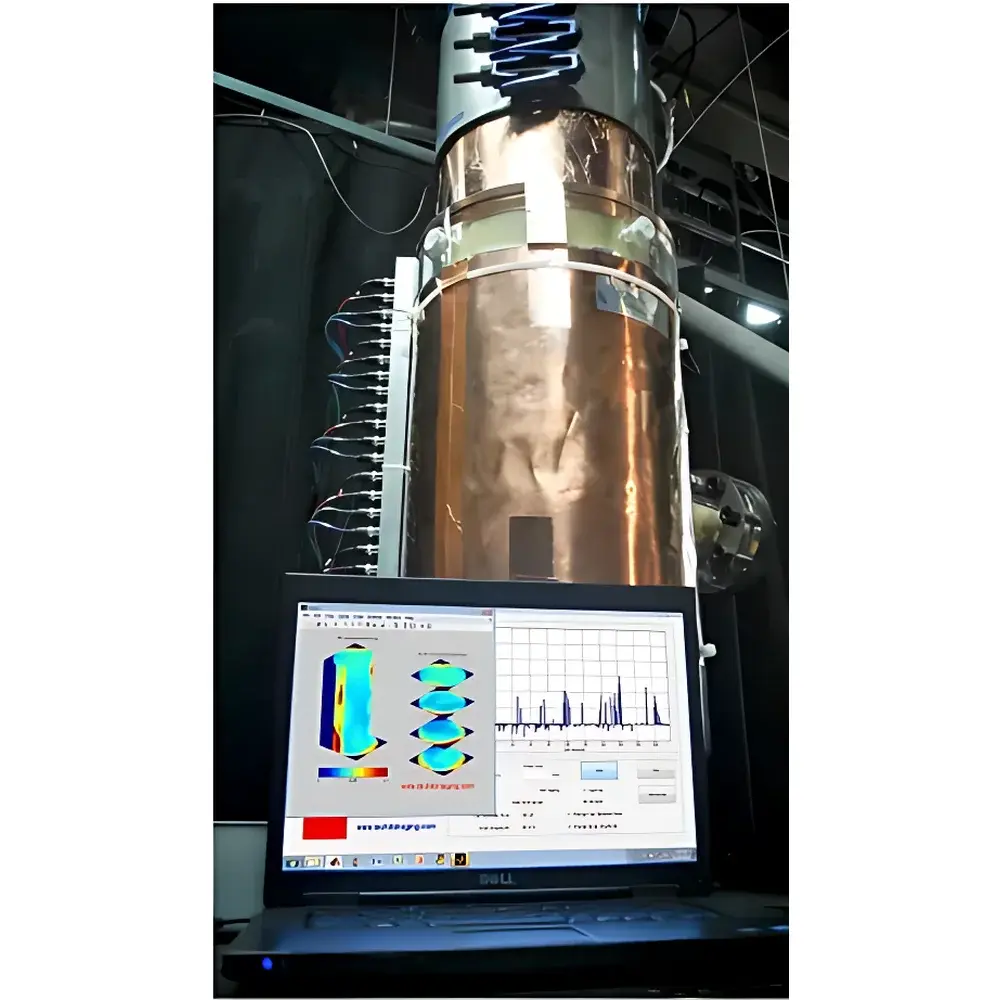
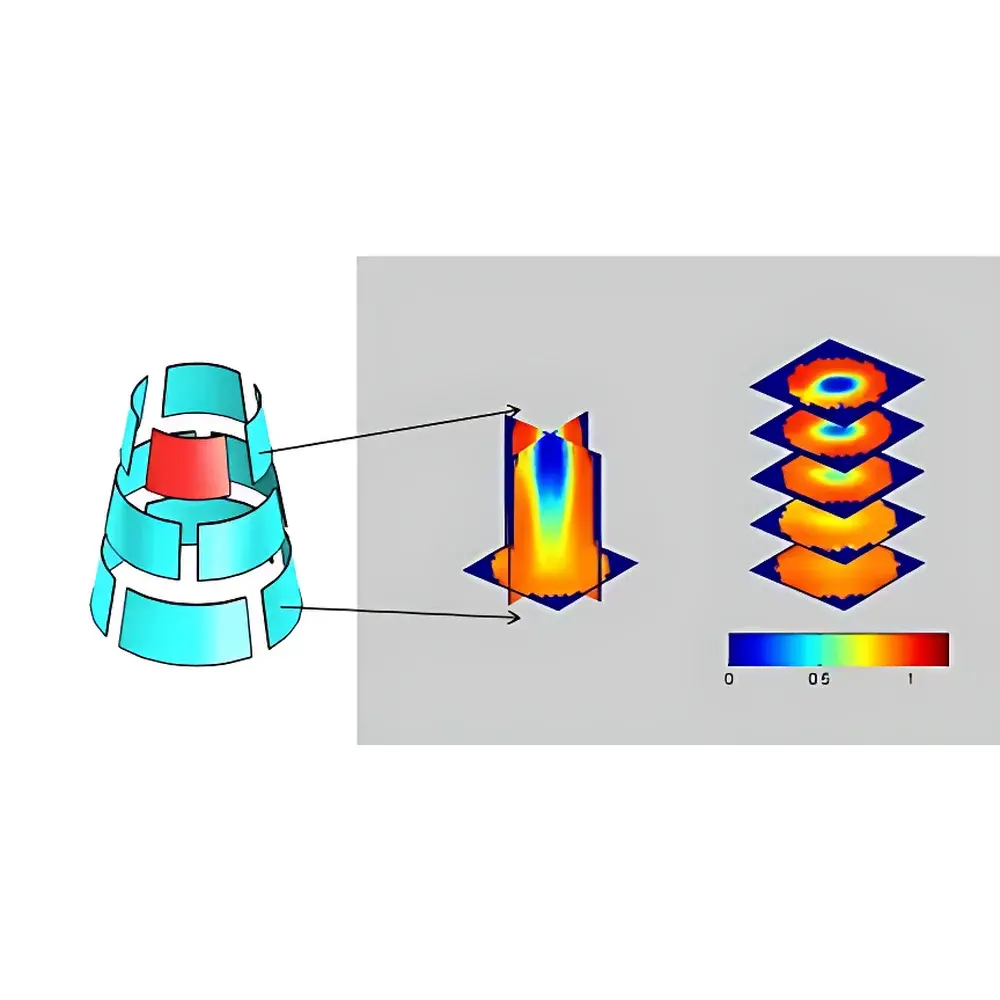
The Tech4imaging ECT-12 Capacitance Tomography System is a non-invasive, high-speed electrical tomography platform engineered for real-time, two-dimensional and three-dimensional visualization and quantitative analysis of multiphase flow dynamics. Based on the physical principle of capacitance variation induced by permittivity differences between coexisting phases (e.g., gas/solid, liquid/liquid, or gas/liquid), the system reconstructs cross-sectional permittivity distributions via boundary capacitance measurements between electrode pairs. Unlike optical or radioactive techniques, ECT operates without radiation hazards, optical access constraints, or intrusive probes—making it uniquely suited for opaque, high-temperature, high-pressure, or chemically aggressive industrial environments. The ECT-12 is specifically designed for laboratory-scale research, pilot-plant validation, and CFD benchmarking in energy, process engineering, and fundamental fluid mechanics.
Key Features
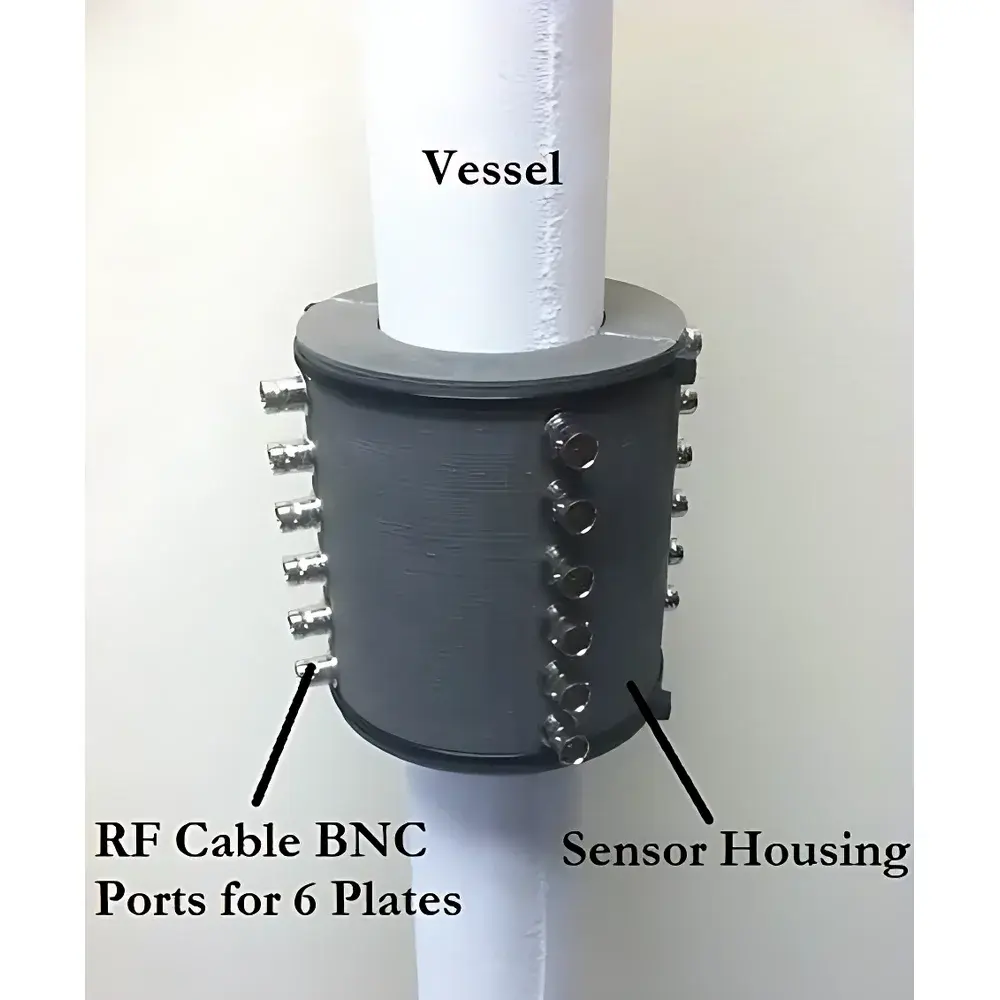
- 12-electrode modular sensor array with customizable geometry (cylindrical, rectangular, or planar configurations) for flexible integration into reactors, pipelines, fluidized beds, and combustion chambers.
- Ultra-high-resolution capacitance measurement capability down to 1 fF (10⁻¹² F), enabling detection of subtle permittivity contrasts in low-dielectric media such as air–sand or steam–catalyst mixtures.
- Real-time data acquisition at configurable frame rates from 50 Hz to 200 Hz, supporting transient flow event capture and time-resolved statistical analysis.
- Robust hardware architecture compliant with industrial EMC standards (IEC 61326-1), rated for continuous operation up to 200 °C when equipped with high-temperature electrode housings and mineral-insulated cabling.
- Open communication interface (TCP/IP and USB 2.0) for synchronized triggering with external instrumentation including pressure transducers, thermocouples, and high-speed cameras.
Sample Compatibility & Compliance
The ECT-12 accommodates heterogeneous multiphase systems across diverse material classes: gas–solid (e.g., pneumatic conveying of polymers or biomass), gas–liquid (e.g., bubble column reactors), liquid–liquid (e.g., solvent extraction emulsions), and solid–liquid suspensions (e.g., slurry transport). Sensor materials—including ceramic-coated stainless steel, alumina, and quartz-reinforced composites—are selected per application-specific thermal, chemical, and mechanical requirements. The system meets ISO/IEC 17025 calibration traceability guidelines for metrological assurance and supports audit-ready documentation per GLP and GMP frameworks. While not a medical device, its data output format complies with ASTM D7958–21 (Standard Practice for Electrical Capacitance Volume Tomography Data Reporting) for inter-laboratory comparability.
Software & Data Management
The ECT-12 ships with a validated software suite comprising three integrated modules: (1) CapScan Acquisition, providing real-time sensor diagnostics, noise filtering (adaptive median + wavelet denoising), and raw capacitance matrix logging in HDF5 format; (2) Recon3D Engine, implementing iterative Landweber and Tikhonov-regularized reconstruction algorithms with user-adjustable regularization parameters and spatial resolution presets (up to 64 × 64 pixel reconstructions); and (3) FlowMetrics Analyzer, delivering quantitative post-processing including phase fraction mapping, velocity field estimation via cross-correlation of temporal permittivity sequences, residence time distribution (RTD) computation, and volumetric dispersion coefficient derivation. All software modules support FDA 21 CFR Part 11-compliant electronic signatures, audit trails, and role-based access control.
Applications
- Energy & Combustion Research: In-situ monitoring of flame front propagation, char particle distribution in coal gasifiers, and coke deposition dynamics in FCC risers—without perturbing thermal or chemical equilibrium.
- CFD Validation: Generation of time-resolved, spatially resolved ground-truth datasets for validating Euler–Euler and Euler–Lagrange simulations of bubbling/fluidized bed hydrodynamics under realistic operating conditions.
- Process Intensification: Optimization of mixing efficiency, segregation behavior, and mass transfer coefficients in multiphase reactors used in pharmaceutical granulation, biofuel synthesis, and wastewater treatment.
- Academic Fluid Mechanics: Teaching and experimental investigation of pattern formation, instability onset (e.g., slugging, choking), and chaotic transport phenomena in canonical geometries including vertical risers, horizontal pipes, and tapered ducts.
FAQ
What is the minimum detectable phase fraction difference the ECT-12 can resolve?
Under controlled lab conditions with optimized electrode geometry and signal averaging, the system achieves ±0.8% relative phase fraction uncertainty for gas–solid systems with permittivity contrast >5:1.
Can the ECT-12 be used in explosive atmospheres?
Yes—when configured with ATEX/IECEx-certified intrinsically safe barriers and Class I, Division 1–rated enclosures, the system complies with EN 60079-11 and EN 60079-14 for hazardous area deployment.
Is third-party CFD coupling supported?
The software exports reconstructed permittivity fields in VTK and CSV formats compatible with ANSYS Fluent, OpenFOAM, and COMSOL Multiphysics for direct import and boundary condition initialization.
Does Tech4imaging provide calibration services?
Yes—NIST-traceable capacitance calibration is performed annually at the manufacturer’s ISO/IEC 17025-accredited facility, with full uncertainty budget documentation provided per test report.