AC-ECT Capacitive Tomography System
| Origin | United Kingdom |
|---|---|
| Supplier Type | Authorized Distributor |
| Import Status | Imported |
| Model | AC-ECT |
| Pricing | Upon Request |
Overview
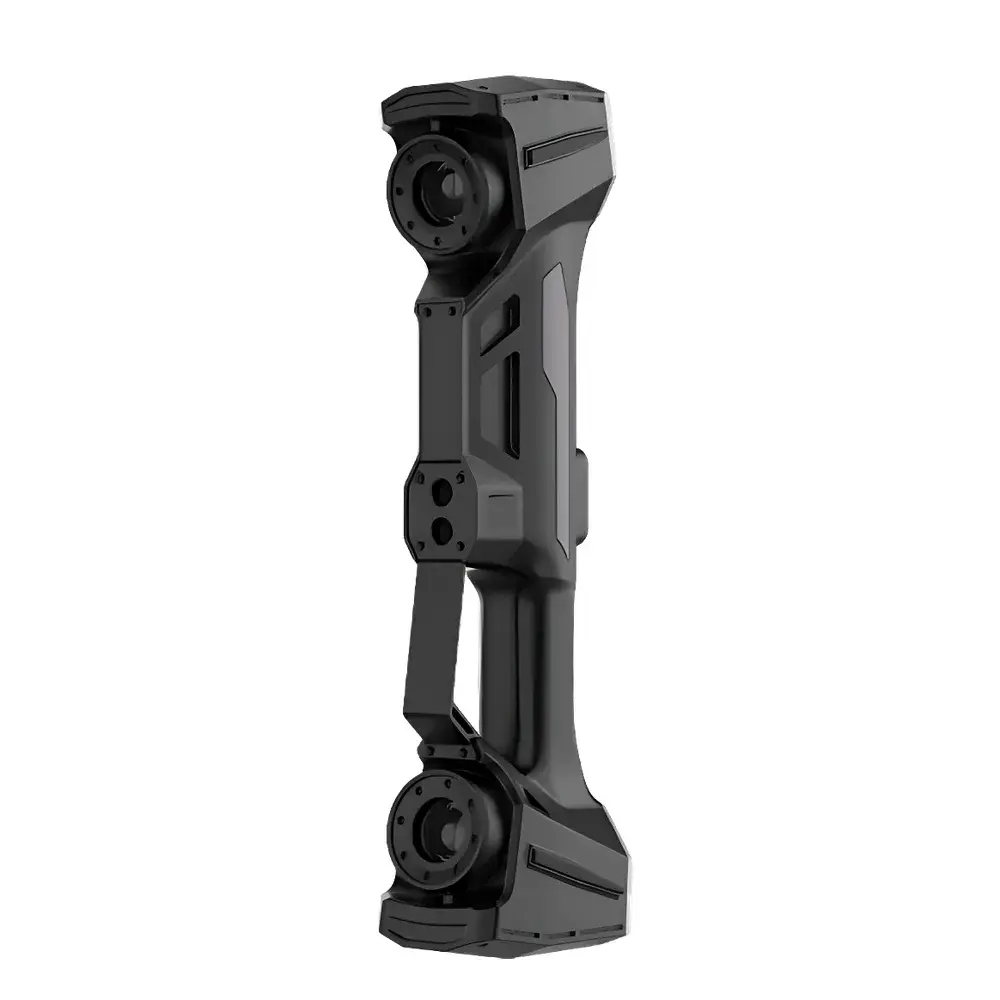
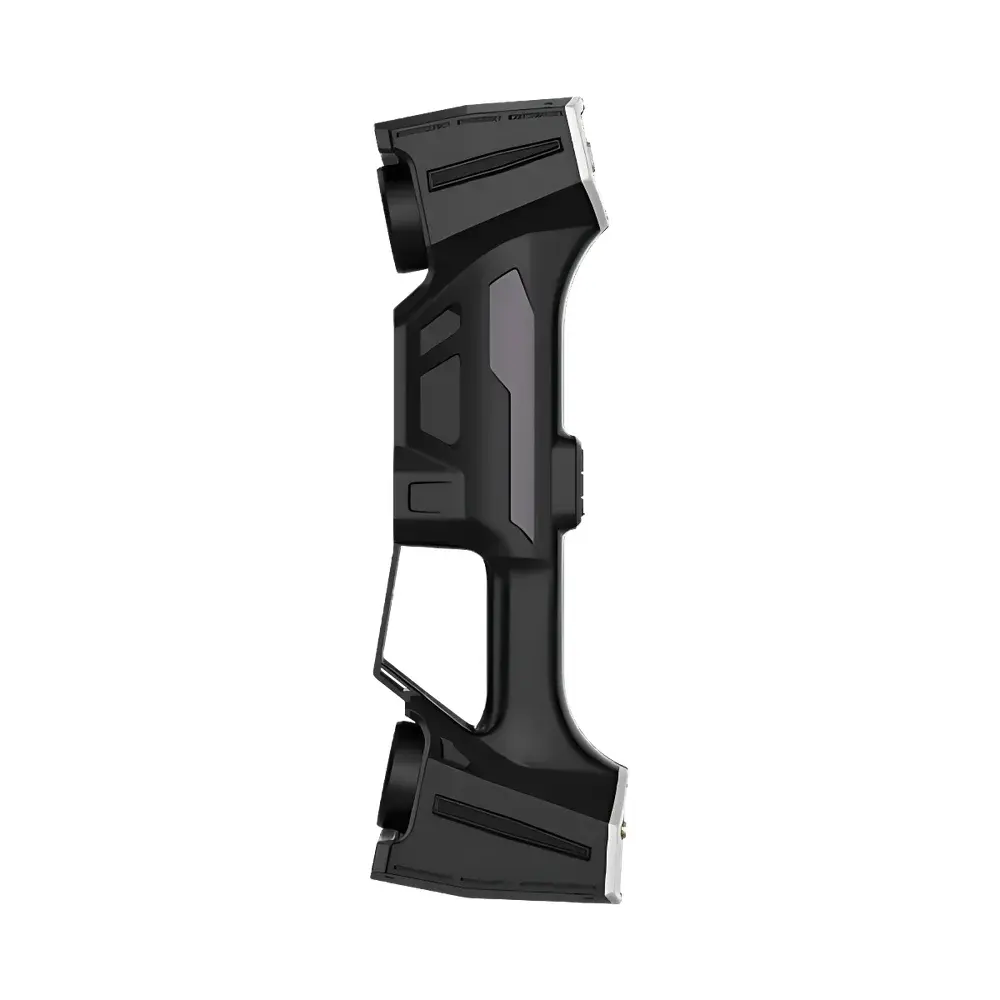
The AC-ECT Capacitive Tomography System is a non-invasive, real-time process imaging platform engineered for industrial multiphase flow visualization and quantitative permittivity-based mapping. Unlike optical or radioactive tomographic methods, ECT operates by measuring minute capacitance variations between electrode pairs arranged circumferentially around a pipe or vessel—changes induced by spatially varying dielectric properties of the internal medium (e.g., gas, liquid, solid, or slurry phases). This principle—rooted in electrostatic field theory and boundary-value problem inversion—enables cross-sectional permittivity reconstruction without physical intrusion, radiation hazard, or process interruption. The system is functionally analogous to medical X-ray CT but fundamentally distinct: it relies on capacitive coupling rather than ionizing radiation, making it intrinsically safe, cost-effective, and suitable for continuous operation in hazardous, high-temperature (>200 °C), high-pressure (>10 MPa), and electrically noisy environments typical of oil & gas, power generation, pharmaceutical fluidized beds, and pneumatic conveying systems.
Key Features
- High-resolution AC capacitance measurement circuitry employing sinusoidal excitation and phase-sensitive demodulation (PSD), achieving capacitance resolution of 0.0001 pF.
- Signal-to-noise ratio (SNR) of 73 dB—significantly exceeding industry benchmarks for ECT hardware.
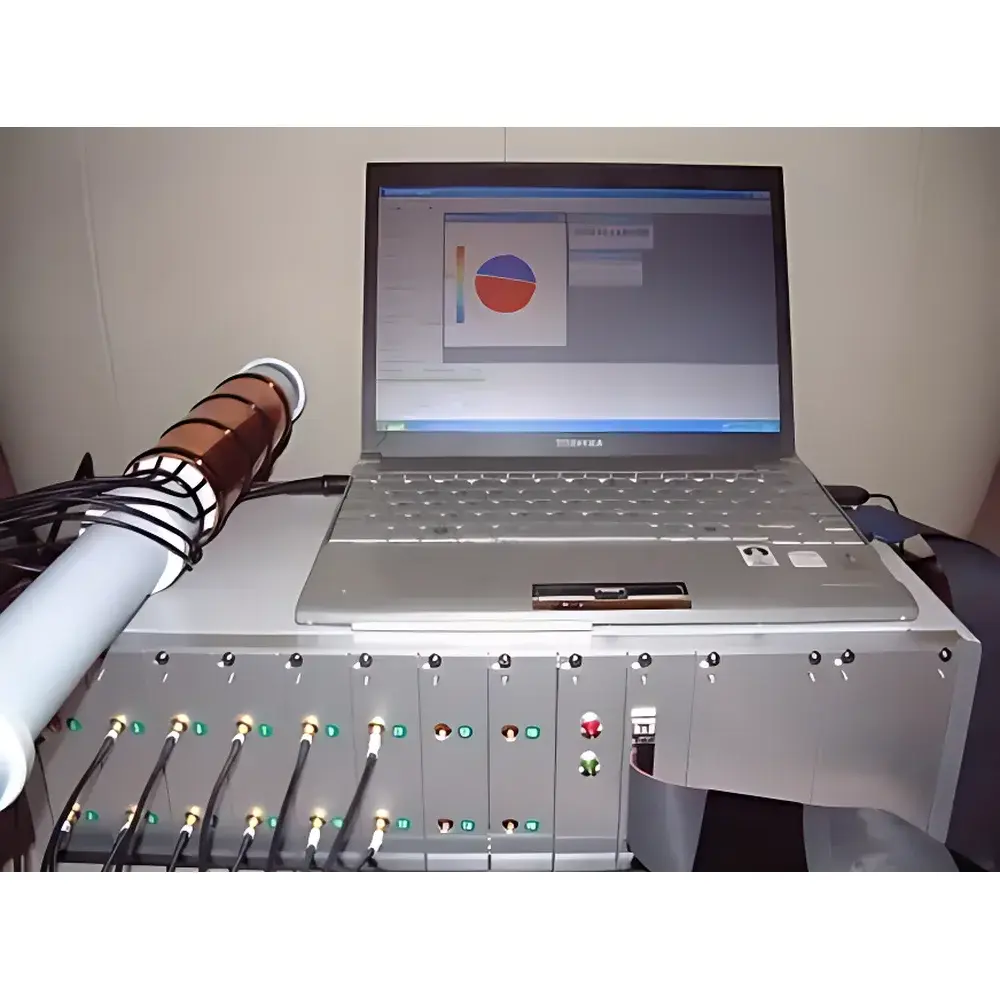
- Parallel 16-channel acquisition architecture supporting up to 300 frames per second for an 8-electrode sensor configuration.
- Dedicated PCI or PCMCIA data acquisition interface ensuring deterministic real-time data throughput—USB-based acquisition is explicitly excluded due to latency and jitter constraints inherent to industrial control timing requirements.
- Integrated electrostatic discharge (ESD)-hardened design, critical for reliable operation in dry particulate or triboelectrically active gas–solid flows (e.g., coal pneumatic transport).
- Optional fiber-optic or shielded twisted-pair remote operation capability with up to 300 m separation between sensor head and control room.
Sample Compatibility & Compliance
The AC-ECT system accommodates cylindrical vessels and pipelines with internal diameters ranging from 10 mm to 1000 mm. It supports both single-plane and dual-plane sensor configurations—enabling not only 2D cross-sectional imaging but also axial velocity profiling via inter-plane cross-correlation analysis. The hardware conforms to IEC 61000-4 electromagnetic compatibility (EMC) standards and meets ATEX/IECEx Zone 2 certification prerequisites when integrated with appropriate enclosure ratings. While ECT itself does not require regulatory approval as a diagnostic medical device, its deployment in GMP-compliant pharmaceutical manufacturing or API synthesis processes aligns with FDA 21 CFR Part 11 data integrity expectations through audit-trail-enabled software logging and user-access controls.
Software & Data Management
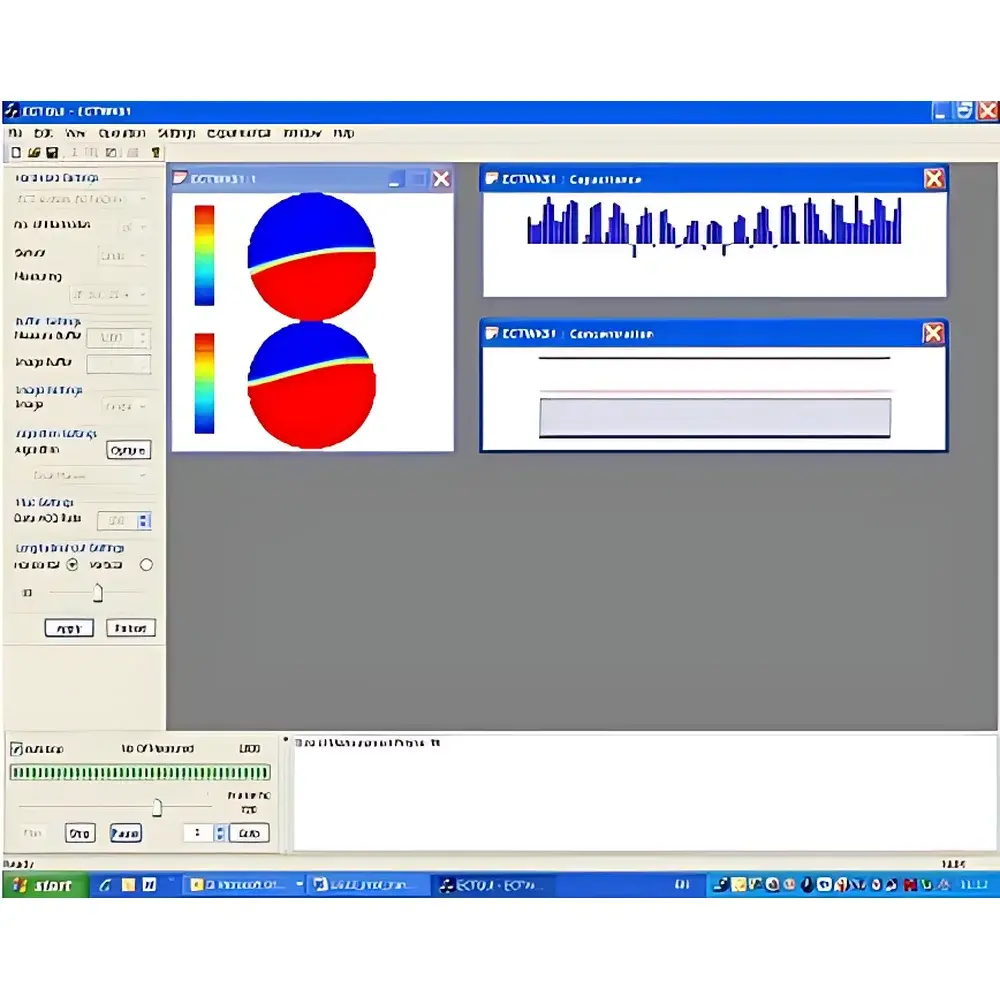
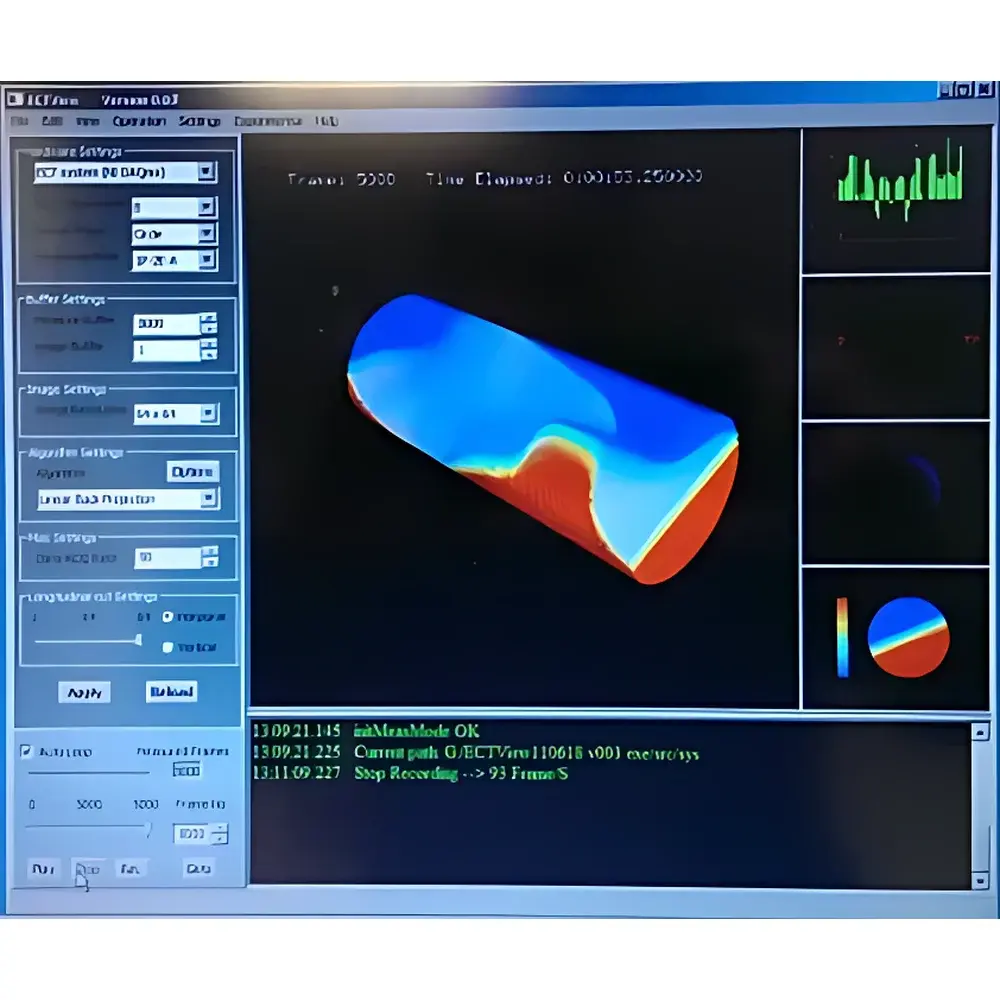
The AC-ECT software suite is developed in Visual C++ (32-bit) and includes three validated image reconstruction algorithms: Linear Back Projection (LBP) for rapid qualitative monitoring; Landweber iterative regularization for improved spatial fidelity at moderate computational cost; and Prior-based iterative reconstruction, which incorporates physical constraints (e.g., material permittivity bounds, symmetry) to achieve high-fidelity images at near-LBP speed. Dual-sensor synchronization enables time-resolved 3D volumetric reconstruction. All software modules—including real-time visualization, offline post-processing, batch analysis, and export to HDF5/CSV—are provided at no additional license fee. The interface is designed for minimal training overhead: operators routinely achieve full operational proficiency within five minutes of first use. Raw capacitance datasets are timestamped, checksummed, and stored with metadata (sensor geometry, excitation frequency, calibration coefficients) to support traceability and reprocessing.
Applications
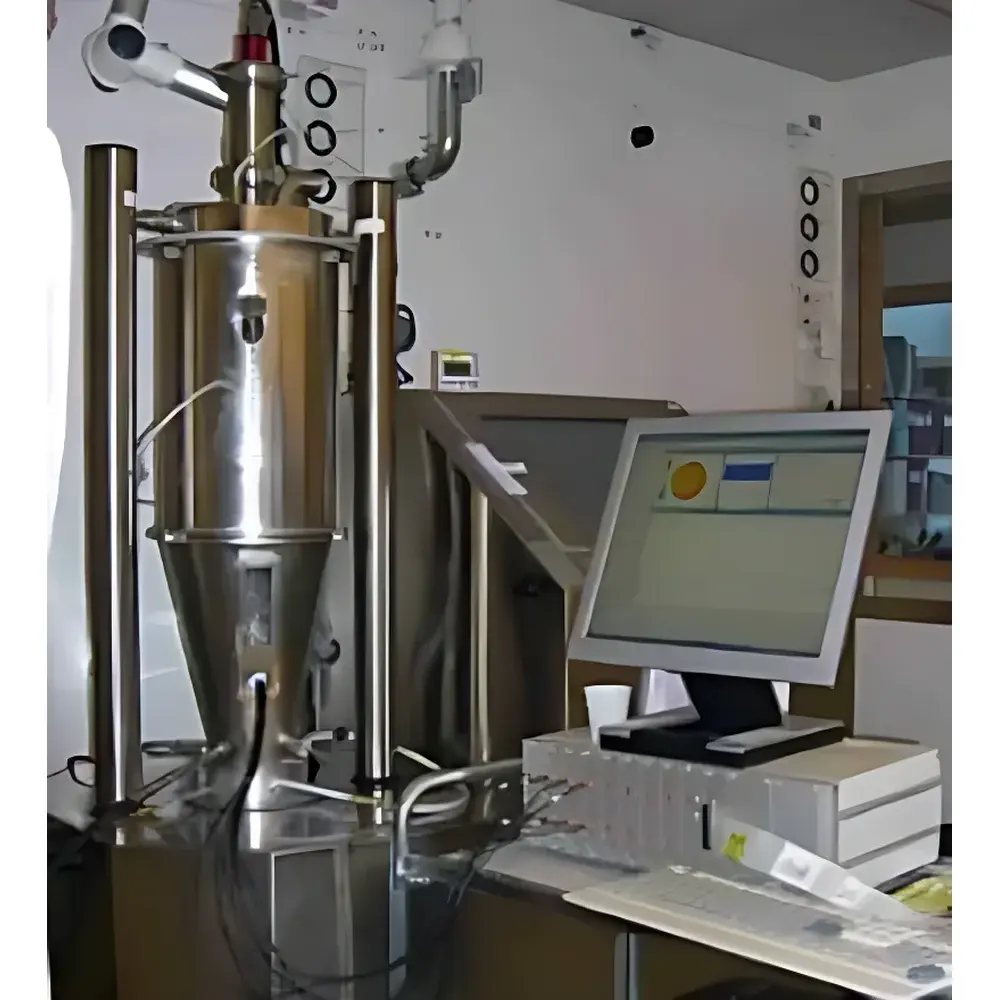
The AC-ECT system has been deployed across multiple regulated and research-intensive sectors. In upstream oil & gas, it quantifies gas–oil–water phase distribution in multiphase pipelines under live well conditions. In pharmaceutical manufacturing, it monitors fluidization homogeneity, bed expansion dynamics, and moisture migration in Wurster and top-spray granulators. In energy conversion, it characterizes particle concentration and velocity profiles in circulating fluidized bed (CFB) gasifiers operating above 900 °C—critical for optimizing syngas purity and minimizing tar formation during coal-to-gas conversion. Additional validated use cases include cement kiln feed homogenization, biomass pyrolysis reactor monitoring, and aerospace-grade powder handling in additive manufacturing feedstock delivery systems. End users include Schlumberger, Shell, PETRONAS, Airbus, Honeywell, NASA, Tsinghua University, and the Chinese Academy of Sciences.
FAQ
What is the minimum detectable permittivity contrast between phases?
The system reliably resolves permittivity differences ≥0.5 units (e.g., air εr ≈ 1.0 vs. water εr ≈ 80) in standard configurations; sensitivity improves with optimized electrode geometry and signal averaging.
Can the system operate in explosive atmospheres?
Yes—when housed in certified explosion-proof enclosures (e.g., IP66/NEMA 4X with ATEX II 2G Ex d IIB T4), the intrinsic safety of low-energy capacitive sensing eliminates ignition risk.
Is calibration required before each measurement?
A one-time geometric and electronic calibration is performed during installation; periodic verification using known dielectric standards (e.g., PTFE, alumina) is recommended per ISO/IEC 17025 quality management protocols.
Does the software support integration with DCS or SCADA systems?
Yes—OPC UA and Modbus TCP interfaces are available for real-time data streaming to industrial control networks, with configurable alarm thresholds and trend logging.
What is the maximum operating temperature for the sensor electronics?
Standard electronics are rated to 70 °C ambient; high-temperature variants with extended-range components and heat-sinked housings support operation up to 125 °C at the sensor junction box.