
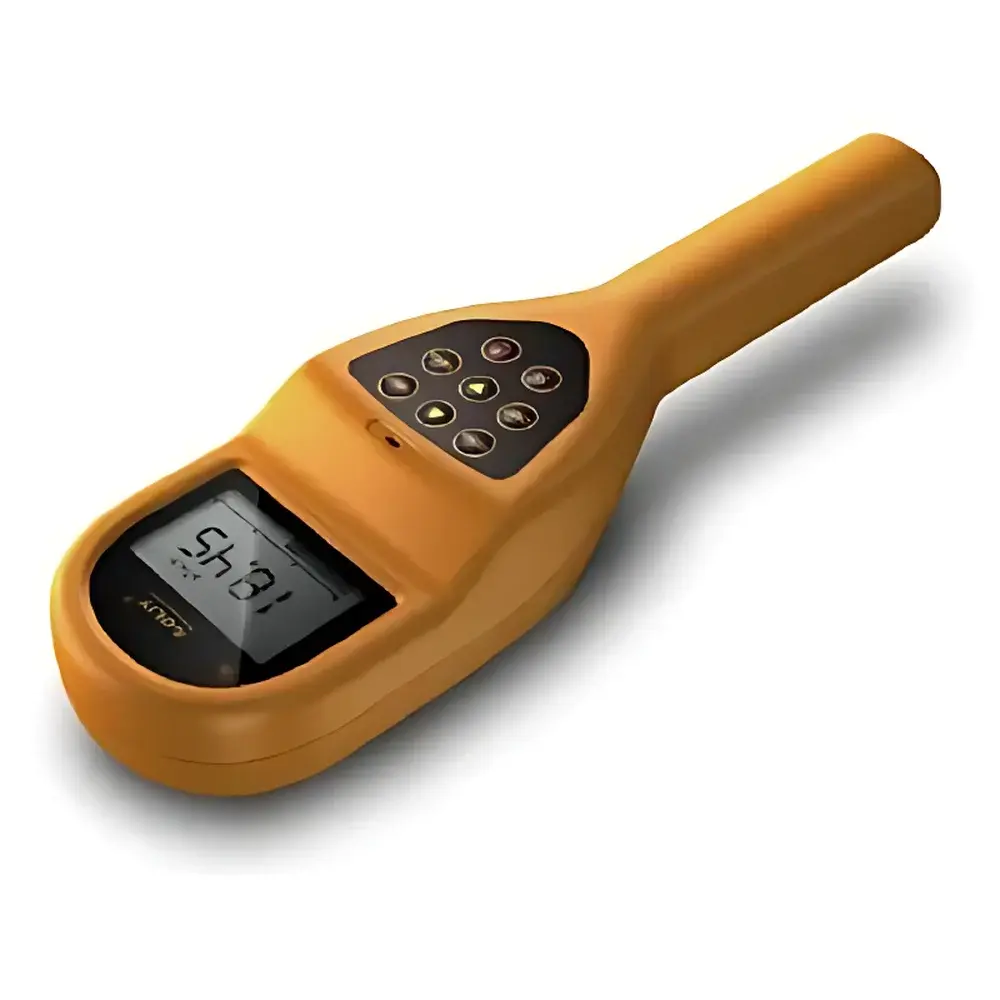
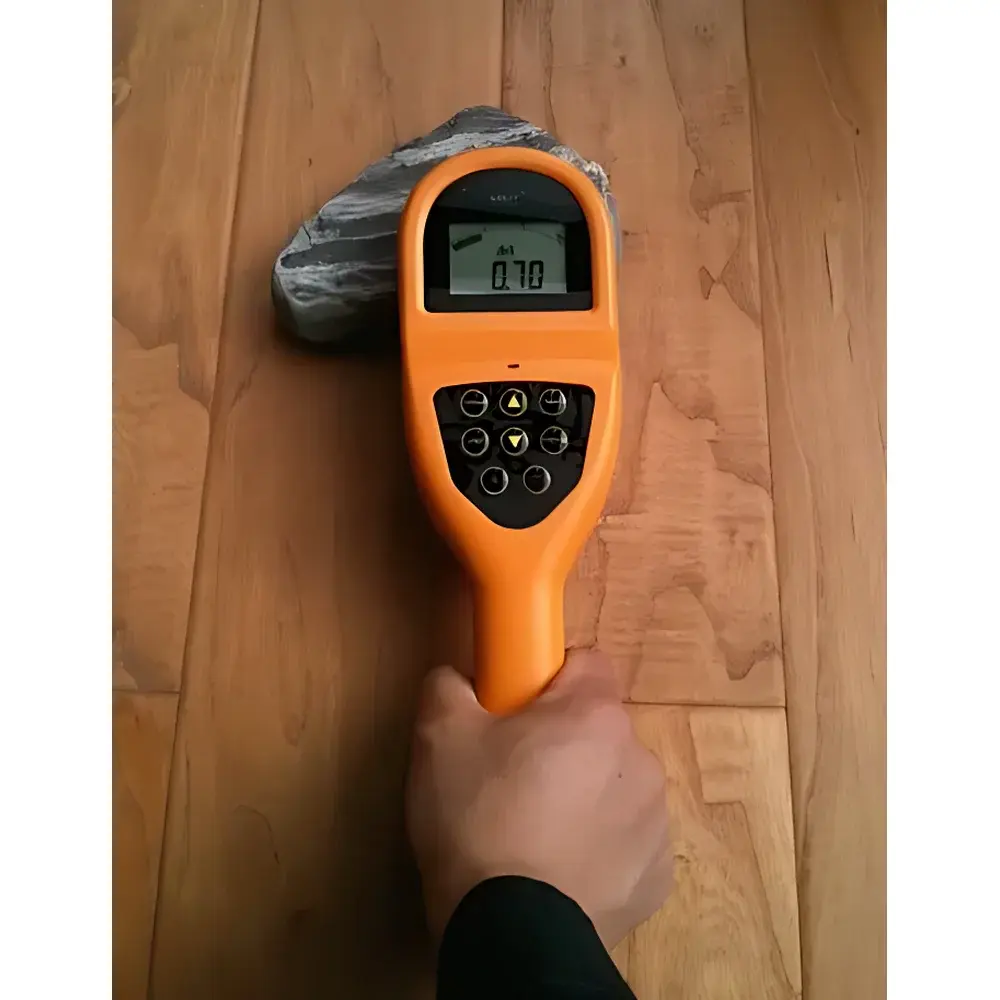
PKSAIR R500 Multi-Function Digital Radiation Survey Meter
| Brand | PKSAIR |
|---|---|
| Origin | Germany |
| Model | R500 |
| Instrument Type | Portable Dose Rate Meter |
| Detector Type | Geiger-Müller Tube (2" flat spiral, mica window, 1.5–2.0 mg/cm² density) |
| Measurable Radiation Types | Alpha (α), Beta (β), Gamma (γ), and X-rays (Χ) |
| Dose Rate Range | 0.001 mR/hr – 100 mR/hr (equivalent to 0.01 µSv/h – 1000 µSv/h) |
| Pulse Rate Range | 0–300,000 CPM / 0–5,000 CPS |
| Accumulated Dose Range | 0.001 µSv – 999 Sv |
| Sensitivity | 3500 CPM/mR/hr (for Cs-137) |
| Energy Efficiency | ~36% for Am-241 (5.5 MeV α), ~75% for Sr-90 (β), ~11% for C-14 (β), ~64% for Bi-210 (β) |
| Display | Backlit LCD with bar graph |
| Average Time | Adjustable from 2 s to 120 s (default 32 s) |
| Alarm Threshold | User-configurable (factory default: 5 µSv/hr) |
| Accuracy | ±15% |
| Data Storage | 2,000 records (manual or auto-triggered) |
| Interface | USB port (with optional 100 m extension cable) |
| Power | 3 × AA batteries (30 days typical runtime) |
| Operating Temperature | −40 °C to +75 °C |
| Dimensions | 300 × 90 × 40 mm |
| Weight | 450 g |
| Certifications | CE, FCC Part 15, ISO 9001 |
Overview
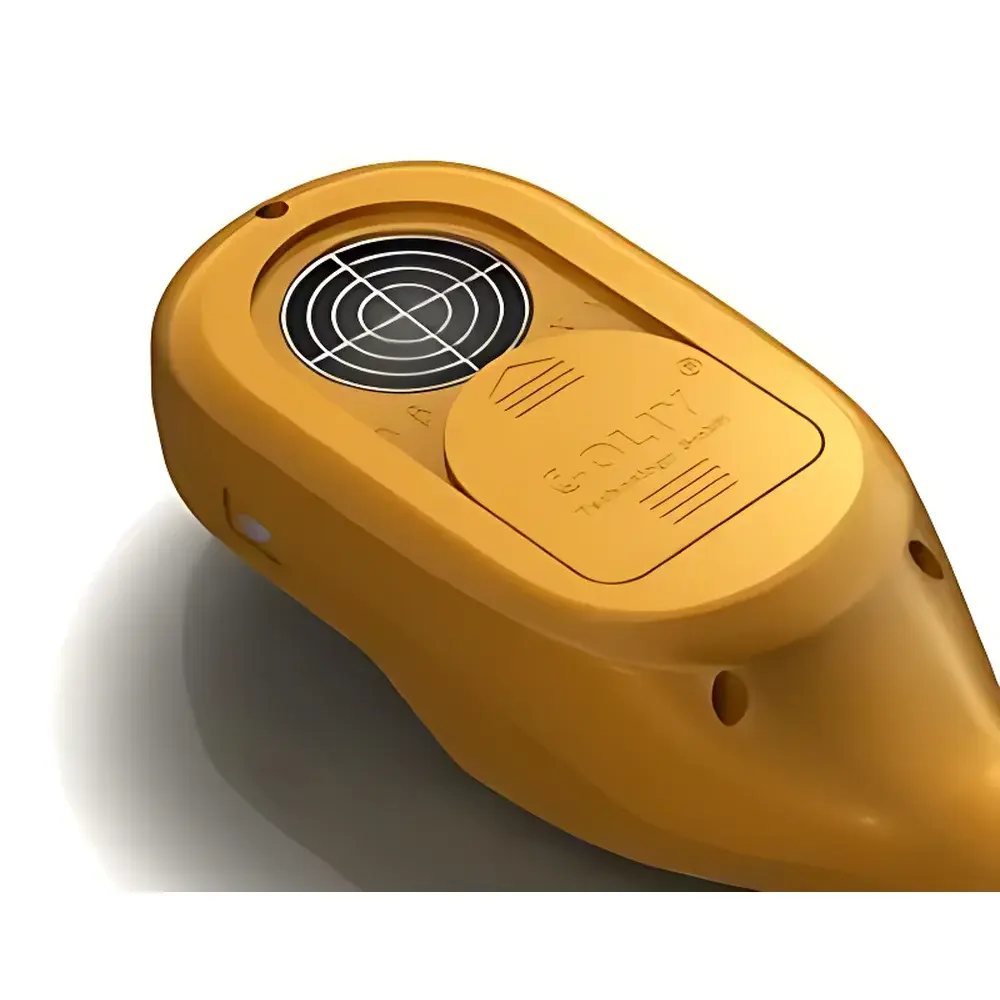
The PKSAIR R500 Multi-Function Digital Radiation Survey Meter is a field-deployable, high-sensitivity radiation detection instrument engineered for quantitative measurement of ionizing radiation dose rates and cumulative exposure across alpha (α), beta (β), gamma (γ), and X-ray (Χ) emissions. It employs a large-area (45 mm effective diameter), low-density mica-window Geiger-Müller tube—manufactured to NIST-traceable specifications—optimized for enhanced detection efficiency across a broad energy spectrum. The detector’s geometry and window characteristics enable direct alpha detection when the protective sliding shield is retracted, while maintaining robust gamma/X-ray response under shielded operation. Its microprocessor-controlled signal processing incorporates anti-saturation circuitry, allowing stable readings even in fields exceeding full-scale by up to two orders of magnitude—a critical feature for emergency response and high-background environments. Designed for operational continuity in extreme ambient conditions (−40 °C to +75 °C), the R500 meets fundamental requirements for radiological safety surveys, environmental baseline monitoring, and regulatory compliance verification.
Key Features
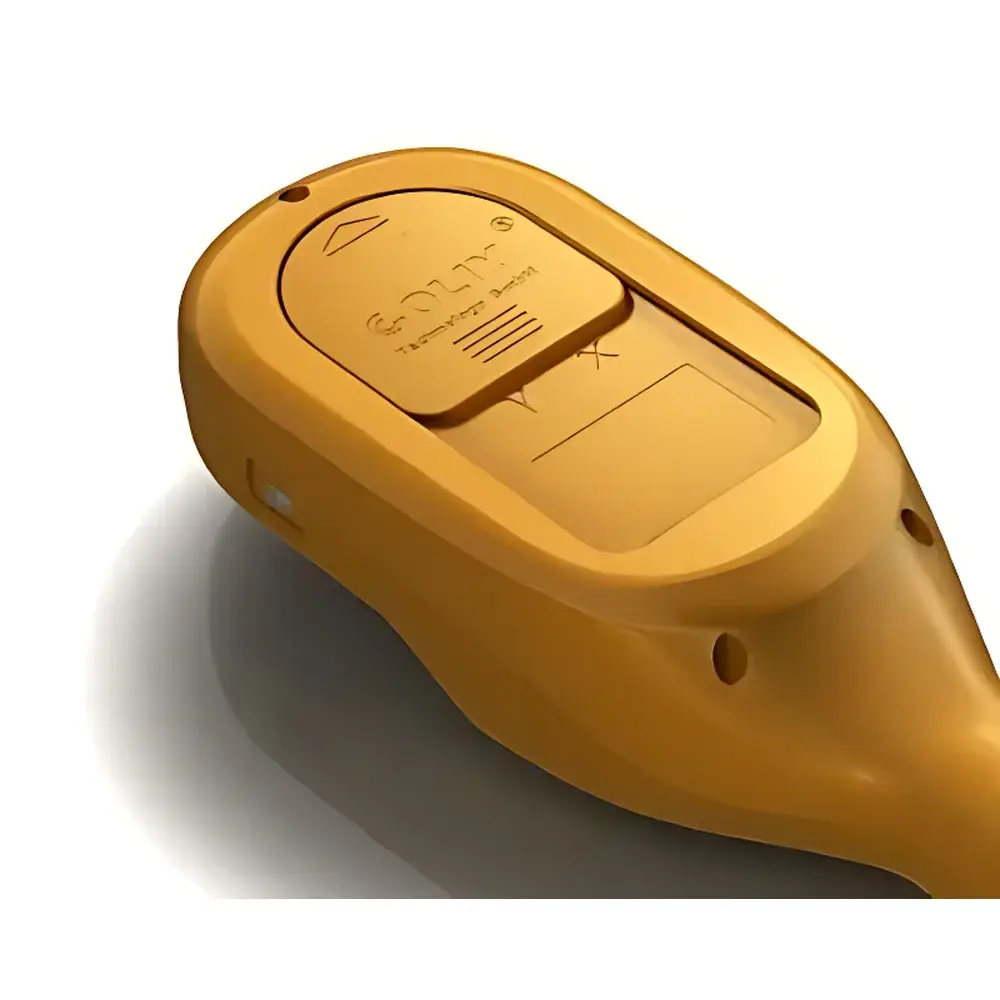
- Switchable detection mode: Sliding cover enables dual-mode operation—open for α/β/γ/Χ sensitivity; closed for γ/Χ-only measurement with enhanced probe protection.
- Adjustable averaging time (2–120 s) for optimized statistical precision versus real-time responsiveness—configurable manually or automatically based on count rate stability.
- Integrated correction factor adjustment allows end-user calibration traceability without requiring external service tools or radioactive standards.
- Real-time audible and visual alarm with programmable threshold (default 5 µSv/hr), supporting configurable alert logic for dose rate excursions or accumulated exposure limits.
- Onboard memory stores up to 2,000 timestamped measurements (dose rate, pulse rate, cumulative dose), with manual or time-interval auto-storage options.
- Ruggedized ergonomic housing (450 g, IP54-equivalent ingress resistance), compliant with EN 61000-6-3 (EMC) and EN 61000-6-2 (immunity) for reliable performance near RF sources and industrial equipment.
Sample Compatibility & Compliance
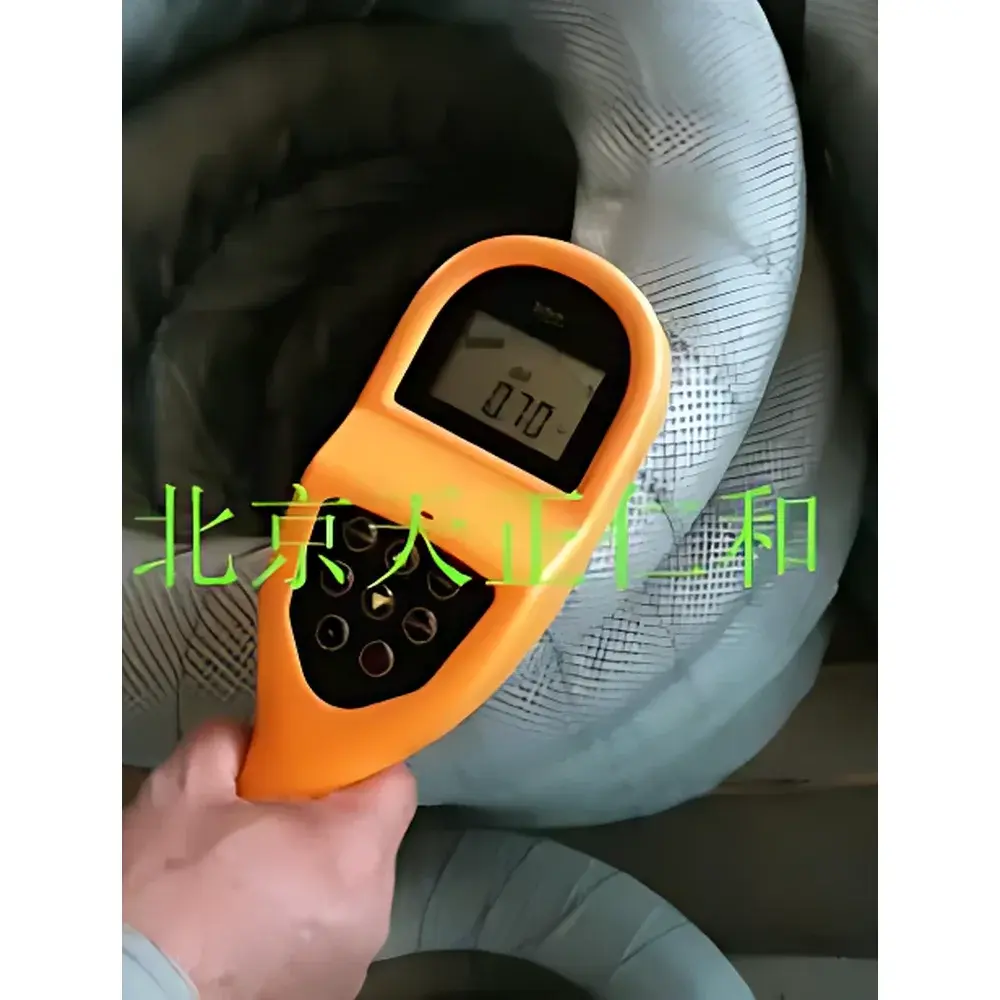
The R500 is validated for direct surface scanning of solid materials—including foodstuffs, building materials (granite, ceramic tiles, concrete), geological samples, scrap metal, and consumer goods (e.g., vintage glassware, ceramics)—without sample preparation. Its alpha-sensitive configuration permits qualitative screening of surface contamination (e.g., uranium/thorium-bearing minerals, legacy radium dials), while gamma/X-ray modes support ambient dose rate mapping per IAEA Safety Guide RS-G-1.1. The instrument complies with European CE Directive 2014/30/EU (EMC), 2014/53/EU (Radio Equipment), and ISO 9001:2015 quality management requirements. It is not intended for personnel dosimetry per ISO 15382 or for diagnostic medical physics applications governed by IEC 62495.
Software & Data Management
The R500 interfaces via USB 2.0 with proprietary Windows-compatible software (PKSAIR DataLink v3.x), enabling live streaming of dose rate, pulse count, and accumulated dose to a host PC. Data exports as CSV or XML for integration into LIMS or regulatory reporting systems. Software features include time-series plotting, statistical summary (mean, SD, min/max), geotagged logging (when paired with optional GPS module), and audit-trail generation compliant with GLP principles. All firmware updates and configuration changes are logged with timestamps and user identifiers, satisfying documentation requirements under EU Directive 2013/59/Euratom for occupational radiation protection programs.
Applications
- Environmental health departments: Baseline surveys of soil, water, and air particulate filters for natural and anthropogenic radionuclides.
- Food safety laboratories: Rapid screening of imported produce, seafood, and dairy products for Cs-137 or I-131 contamination post-nuclear incidents.
- Construction and mining sectors: On-site assessment of radon progeny potential in granite quarries, phosphogypsum stockpiles, or zircon sand processing facilities.
- Waste management authorities: Characterization of landfill leachate sediments, decommissioned equipment, and orphan source recovery operations.
- Law enforcement and border control: Detection of illicit radioactive materials in cargo containers, postal parcels, or personal effects at checkpoints.
- Academic and teaching labs: Demonstrating inverse-square law, shielding effectiveness, and decay kinetics using calibrated check sources (e.g., Ba-133, Co-60).
FAQ
Does the R500 require annual recalibration?
While not mandated by regulation for general survey use, PKSAIR recommends functional verification against a traceable Cs-137 check source every 12 months—or after physical shock, battery replacement, or exposure to >10× full-scale dose—to maintain stated ±15% accuracy.
Can the R500 measure radon gas concentration directly?
No. The R500 detects alpha particles emitted by radon progeny deposited on surfaces (e.g., filter papers), but does not quantify airborne Rn-222 activity. For radon gas measurement, an electret ion chamber or continuous alpha spectrometer is required.
Is USB data transfer compatible with macOS or Linux?
The native PKSAIR DataLink software is Windows-only; however, raw serial output (9600 bps, ASCII protocol) is documented in the technical manual and supports third-party parsing on macOS/Linux via terminal emulators or Python scripts.
What is the minimum detectable activity (MDA) for Am-241 on a stainless steel surface?
Under standard 60-second counting with 2 cm source-to-detector distance and no shielding, MDA is approximately 0.37 Bq/cm² (10 pCi/cm²) at 95% confidence, assuming background of 0.12 µSv/hr.
Does the R500 meet ANSI N42.33-2022 for radiation detection instrumentation?
It satisfies core performance criteria for portable survey meters (e.g., energy dependence, angular response, overload recovery) but lacks formal ANSI N42.33 certification; users requiring certified conformance should consult PKSAIR’s OEM documentation package for test reports.







