Barnes Maze and TY Maze System by Panlab
| Brand | Panlab |
|---|---|
| Origin | Spain |
| Distributor Type | Authorized Distributor |
| Origin Category | Imported |
| Model | Reference |
| Pricing | Upon Request |
Overview
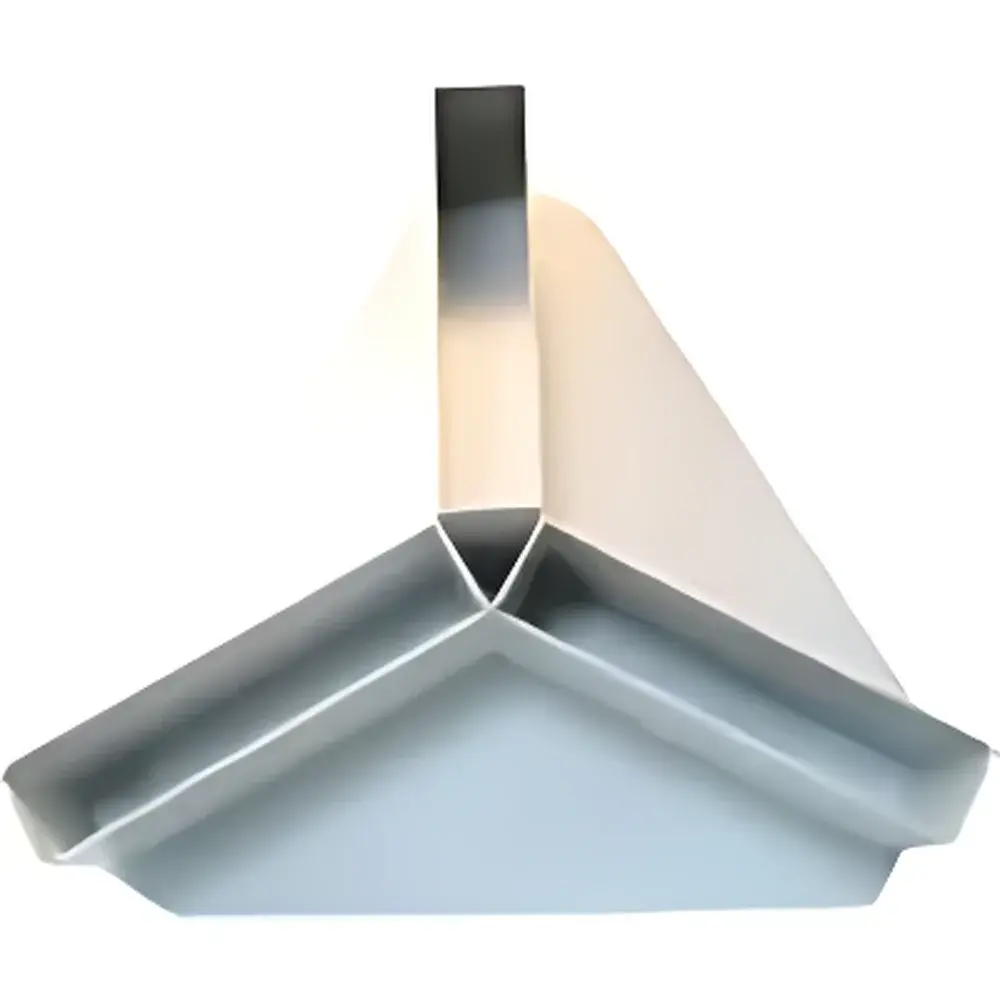
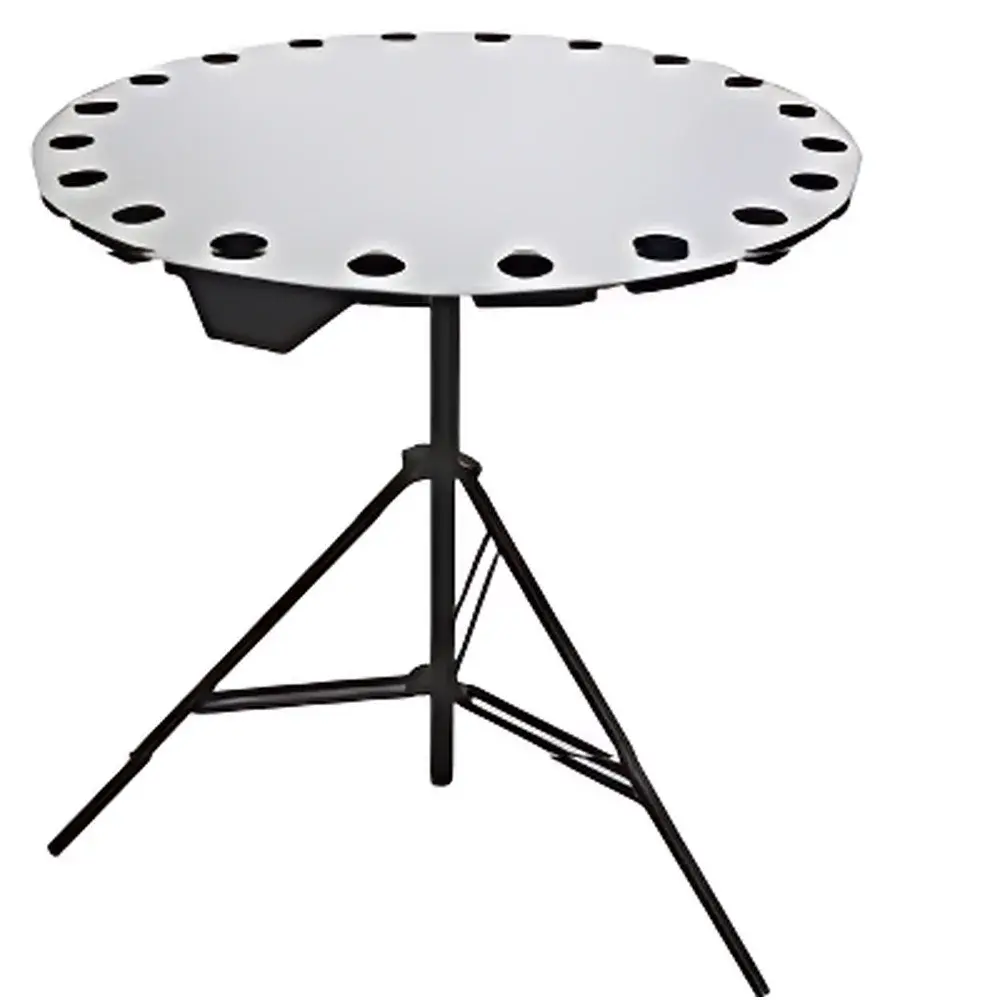
The Barnes Maze and TY Maze System is a standardized, non-invasive behavioral testing platform engineered for the quantitative assessment of spatial learning, reference memory, and working memory in rodents—primarily mice and rats. Unlike aversive paradigms (e.g., Morris water maze), this system relies on innate ethological drives: photophobia (aversion to bright light) and thigmotaxis (preference for enclosed, dark spaces). The apparatus consists of a circular, elevated platform constructed from non-reflective, odorless acrylic—a critical design element ensuring minimal sensory confounds during repeated trials. Multiple equidistant holes are arranged along the perimeter; one leads to a target escape chamber (the “goal box”), while others terminate in blind or dummy compartments. During testing, animals are placed at the center under bright illumination and motivated to locate the hidden goal box. Latency to first entry, number of errors (incorrect hole investigations), path efficiency, and time spent in target quadrant are objectively quantified via synchronized video tracking software.
Key Features
- Non-reflective, optically neutral acrylic platform—eliminates glare, specular artifacts, and tracking interference for high-fidelity video analysis
- Odor-neutral material composition—prevents olfactory cue contamination across subjects and sessions, essential for longitudinal and cross-group studies
- Rotatable platform design—enables systematic counterbalancing of spatial cues to control for extramaze landmark bias
- Modular goal box configuration—supports randomized placement of the functional escape chamber and inert dummy boxes to prevent habituation and positional learning artifacts
- Integrated compatibility with EthoVision XT and other ISO/IEC 17025-aligned behavioral tracking suites—ensuring traceable, timestamped event logging
- Calibration-ready geometry—precise hole spacing, consistent platform diameter (typically 92 cm or 122 cm), and standardized height above floor meet widely adopted protocol specifications (e.g., Barnes, 1979; Sun et al., 2017)
Sample Compatibility & Compliance
The system is validated for use with C57BL/6, BALB/c, CD-1, and transgenic murine models—including APP/PS1, 3xTg-AD, and tauopathy lines—as well as Sprague-Dawley and Wistar rats. Platform dimensions and hole configurations comply with consensus guidelines published by the National Institute on Aging (NIA) and the Behavioral Phenotyping Core Consortium. All components are manufactured in accordance with EU Regulation (EC) No 1907/2006 (REACH) and carry CE marking for laboratory equipment. The acrylic substrate meets ISO 719 Class A hydrolytic resistance standards, ensuring dimensional stability and chemical inertness during routine ethanol or quaternary ammonium disinfection protocols required under GLP-compliant animal facility SOPs.
Software & Data Management
The maze integrates natively with EthoVision XT (Noldus Information Technology) and ANY-maze (Stoelting Co.), supporting frame-by-frame trajectory reconstruction, zone-based activity mapping, and automated latency/error classification. Raw video streams are encoded in H.264 format with embedded UTC timestamps and hardware-synced trigger pulses. Audit trails include operator ID, session metadata (light intensity, ambient noise level, trial duration), and version-stamped analysis parameters—fully compliant with FDA 21 CFR Part 11 requirements for electronic records and signatures when deployed in regulated preclinical research environments. Export formats include CSV (for statistical packages such as R or GraphPad Prism), HDF5 (for machine learning preprocessing), and XML (for LIMS integration).
Applications
- Evaluation of hippocampal-dependent spatial memory deficits in neurodegenerative disease models (e.g., Alzheimer’s, vascular dementia)
- Pharmacological screening of nootropic, cholinergic, or NMDA-modulating compounds
- Assessment of developmental neurotoxicity following prenatal or early-life exposure
- Validation of gene-editing outcomes in conditional knockout/knock-in strains
- Longitudinal behavioral phenotyping across aging cohorts (e.g., 3-, 6-, 12-, and 18-month timepoints)
- Multi-modal correlation studies combining Barnes performance with ex vivo histopathology, electrophysiology (e.g., LTP), or in vivo calcium imaging
FAQ
What is the standard platform diameter used in published Barnes maze protocols?
The most widely adopted configuration uses a 92 cm diameter platform for mice and 122 cm for rats—both specified in peer-reviewed methodology papers and vendor validation reports.
How many holes are typically included, and what is their diameter?
Standard mouse platforms feature 20 holes (5.5 cm diameter); rat platforms use 40 holes (10 cm diameter), spaced uniformly to minimize angular discrimination error.
Can the system be used for both reference memory and working memory paradigms?
Yes—reference memory is assessed over multiple days with fixed goal location; working memory is tested within a single day using intra-session relocation of the goal box (e.g., “matching-to-place” variant).
Is calibration required before each session?
While geometric calibration is performed once per setup, daily verification of lighting uniformity (≥500 lux at platform center, ±10% variance) and camera focus is mandatory per IACUC-approved SOPs.
Does Panlab provide validation documentation for regulatory submissions?
Yes—system qualification documents (IQ/OQ/PQ), traceable metrology reports, and software validation packages (including 21 CFR Part 11 compliance evidence) are available under NDA upon request.
Related Products