
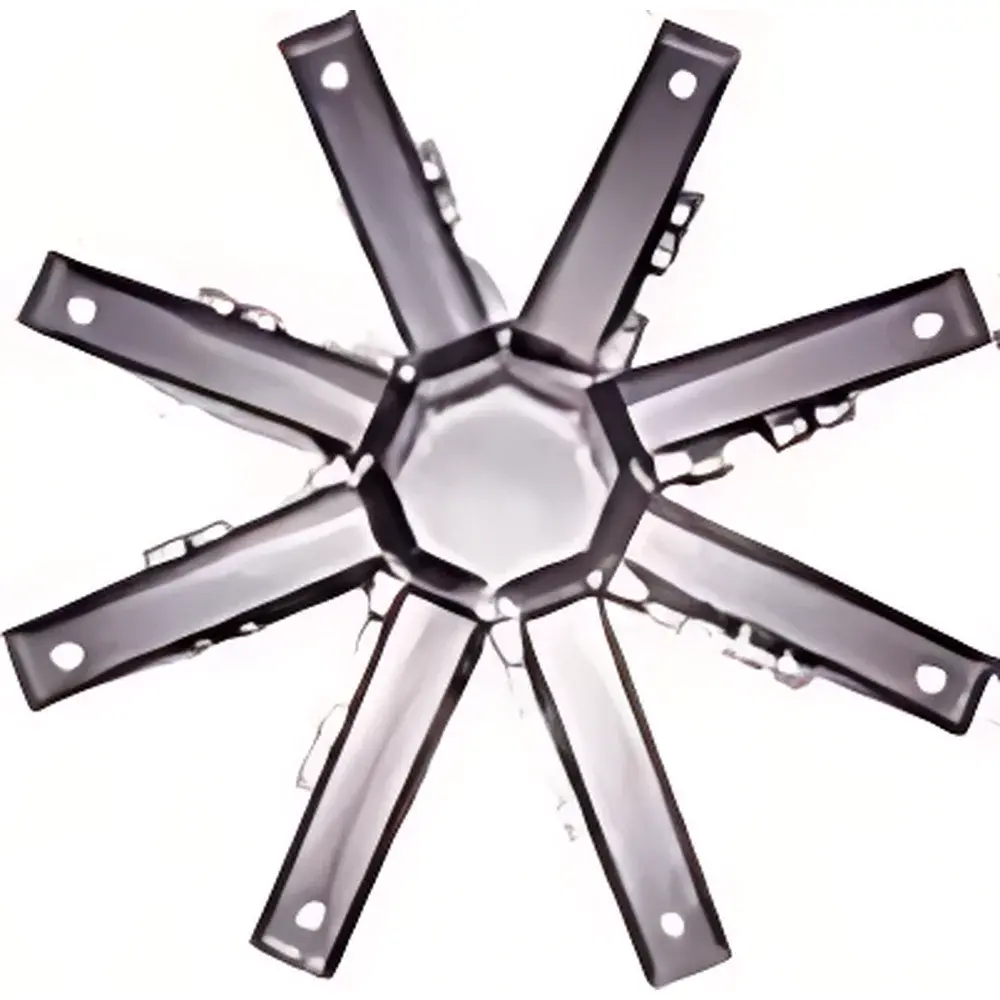
Panlab Radial 8-Arm Radial Maze System
| Brand | Panlab |
|---|---|
| Origin | Spain |
| Manufacturer Type | Authorized Distributor |
| Origin Category | Imported |
| Model | Radial |
| Pricing | Available Upon Request |
Overview
The Panlab Radial 8-Arm Radial Maze System is a rigorously engineered behavioral testing apparatus designed for quantitative assessment of spatial learning, working memory, reference memory, and decision-making processes in rodent models. Based on the classic radial arm maze paradigm first developed by Olton and Samuelson (1976), this system implements a symmetrical octagonal configuration with eight identical, equally spaced arms radiating from a central hub. Each arm terminates in a reward zone—typically configured with a recessed cup holder compatible with standardized food pellets or liquid rewards—and features a vertically adjustable barrier to control access and minimize olfactory cue interference. Constructed from optically opaque black acrylic (PMMA), the maze ensures consistent visual contrast for video-based tracking while eliminating external light contamination. The entire structure is mounted on a height-adjustable, vibration-dampened tripod base, enabling ergonomic setup across diverse laboratory environments and compatibility with ceiling- or wall-mounted camera rigs.
Key Features
- Modular radial architecture with eight interchangeable, precision-machined arms fabricated from UV-stable black acrylic (light transmittance <0.1% at 400–700 nm)
- Central hub equipped with eight independent motorized sliding gates, controllable via LE766/8 universal control unit or programmable PCI interface
- Two-tier detection capability: integrated infrared beam break sensors at each arm entrance (for real-time entry/exit logging) + full compatibility with EthoVision XT, ANY-maze, or custom OpenCV-based video tracking pipelines
- Adjustable arm barriers: proximal barriers (3 cm height) and distal barriers (5 cm height) reduce thigmotaxis and promote exploratory motivation without physical restraint
- Standardized reward zone design: 25 mm diameter recessed cup mount at arm terminus, configurable with removable stainless-steel cups or opaque plastic lids for non-rewarded trials
- LE766/8 control unit supports TTL synchronization with electrophysiology rigs (e.g., Neuralynx, TDT), fMRI gating signals, and external stimulus delivery systems
Sample Compatibility & Compliance
The Radial Maze is validated for use with adult Sprague-Dawley and Wistar rats (200–500 g), C57BL/6 and BALB/c mice (20–35 g), and other small mammalian models exhibiting sufficient locomotor capacity and reward responsiveness. All structural components comply with ISO 10993-5 (biological evaluation of medical devices — cytotoxicity) and EU Directive 2011/65/EU (RoHS). Experimental protocols align with NIH Guide for the Care and Use of Laboratory Animals and adhere to ARRIVE 2.0 reporting standards. Data acquisition workflows support GLP-compliant audit trails when paired with timestamped sensor logs and synchronized video metadata.
Software & Data Management
The LE766/8 control unit operates under Windows-compatible firmware with native drivers for LabVIEW, MATLAB, and Python (via PySerial API). It records binary event logs (arm entry/exit, gate state, reward retrieval) with microsecond-resolution timestamps. When integrated with EthoVision XT v15+, the system enables automated trajectory reconstruction, dwell time analysis per arm, error classification (working memory errors vs. reference memory errors), and heat map generation. All raw data exports in CSV and HDF5 formats; encrypted SQLite databases are available for multi-user labs requiring role-based access control and FDA 21 CFR Part 11–compliant electronic signatures.
Applications
- Spatial working memory assessment using delayed non-match-to-sample (DNMTS) protocols
- Pharmacological screening of NMDA receptor antagonists (e.g., MK-801), cholinergic modulators (scopolamine), and nootropic compounds
- Longitudinal evaluation of hippocampal-dependent memory deficits in transgenic Alzheimer’s disease models (e.g., APP/PS1, 3xTg)
- Neurodevelopmental studies involving early-life stress, maternal separation, or adolescent ethanol exposure
- Validation of optogenetic or chemogenetic interventions targeting medial prefrontal cortex–hippocampal circuitry
- Combined behavioral–electrophysiological experiments (e.g., in vivo tetrode recordings during maze navigation)
FAQ
Is the Radial Maze compatible with both rats and mice?
Yes—the arm width (10 cm) and central hub diameter (25 cm) are optimized for bidirectional scalability; optional narrow-arm inserts (7 cm width) are available for juvenile or dwarf strains.
Can gate operation be triggered by animal position rather than fixed timing?
Yes—real-time sensor feedback enables conditional logic (e.g., “open Arm 3 only after subject exits Arm 1”) via custom scripting in the LE766/8 firmware.
Does Panlab provide validation documentation for regulatory submissions?
Yes—system qualification documents (IQ/OQ/PQ templates), calibration certificates for gate actuation latency (<±2 ms), and traceable sensor sensitivity reports are supplied with each installation.
What video tracking frame rates are supported?
The maze’s matte-black surface and high-contrast geometry are optimized for 60–120 fps recording under standard LED illumination; motion blur is minimized for sub-pixel centroid detection accuracy.
Is remote monitoring supported during long-duration trials?
Yes—LE766/8 includes Ethernet and Wi-Fi modules enabling live event streaming, remote gate override, and TLS-encrypted log retrieval via secure lab network infrastructure.




