
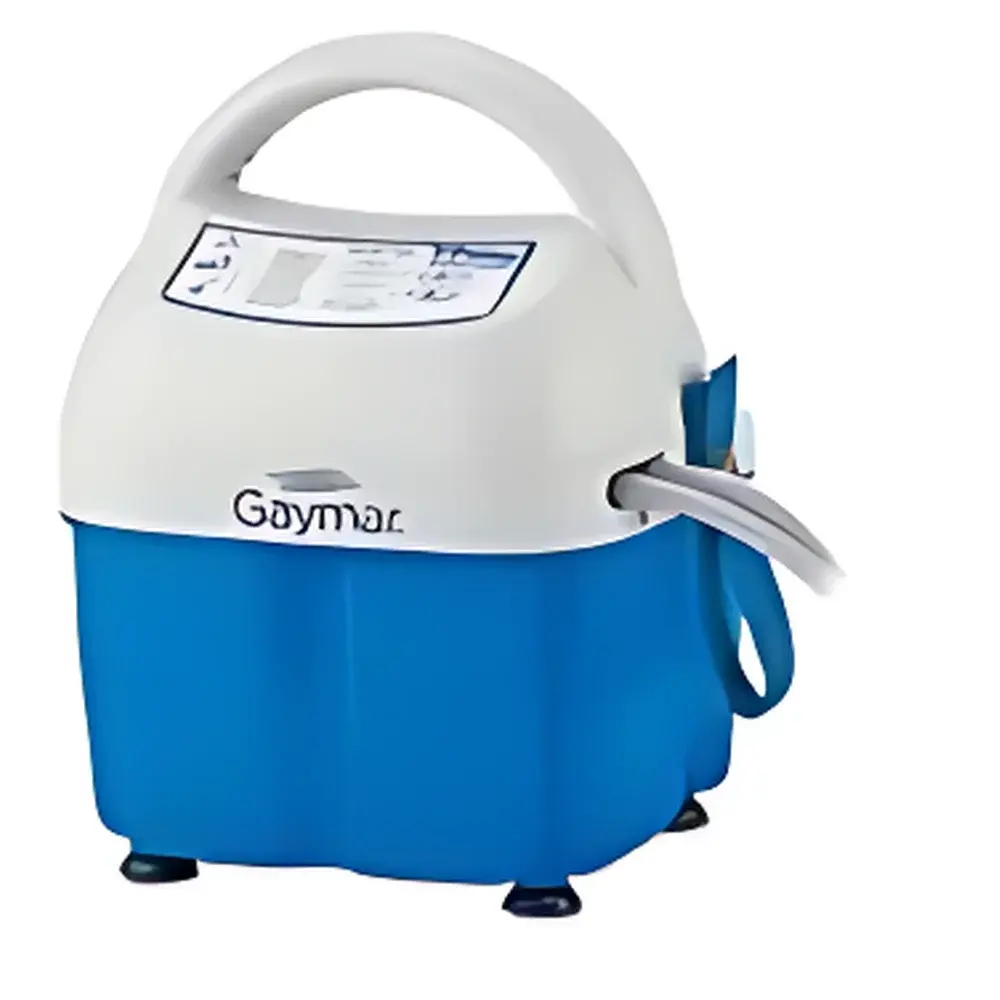
Harvard Apparatus Post-Operative Recovery System for Rodents and Large Animals
| Brand | Harvard Apparatus |
|---|---|
| Origin | USA |
| Manufacturer Type | Authorized Distributor |
| Origin Category | Imported |
| Model | Post-Operative Recovery System |
| Pricing | Upon Request |
Overview
The Harvard Apparatus Post-Operative Recovery System is an engineered thermal and positional support platform designed to maintain physiological stability during the critical post-anesthetic and post-surgical recovery phase in laboratory animals. Based on principles of controlled thermoregulation and ergonomic restraint, the system mitigates hypothermia—a leading cause of delayed recovery, increased morbidity, and compromised experimental reproducibility in rodent and large-animal models. Unlike passive warming methods, this system integrates active temperature modulation via digitally regulated heating/cooling modules, precision airflow management, and anatomically adaptive positioning—enabling consistent core body temperature maintenance across species ranging from mice (15–30 g) to large animals up to 150 kg. Its architecture complies with institutional animal care guidelines (e.g., AAALAC International standards) and supports compliance with NIH OLAW and EU Directive 2010/63/EU requirements for perioperative welfare.
Key Features
- Dual-mode thermal control: Adjustable warming (up to 42 °C) and active cooling (down to ambient −5 °C) via integrated Peltier-based pump module with programmable time-cycle profiles
- Digital PID temperature regulation with ±0.3 °C accuracy and real-time feedback from calibrated thermistor probes placed at dorsal and abdominal sites
- Configurable recovery surfaces: AISI-316 stainless steel (autoclavable, chemical-resistant), medical-grade silicone rubber (non-slip, low-thermal-conductivity), or laminated phenolic board (compatible with dry-heat sterilization at 180 °C for 30 min)
- Modular restraint system: Includes adjustable limb clamps, thoracic stabilizers, and optional sternal lift accessories compatible with thoracotomy and laparotomy procedures
- Integrated audible/visual alarm system triggered by temperature deviation >±1.5 °C, airflow interruption, or timer expiration—loggable via RS-485 interface
- Lockable control panel with password-protected parameter settings to prevent unintended configuration changes during shared-lab use
Sample Compatibility & Compliance
The system accommodates a defined range of species and procedural workflows: standard configurations support C57BL/6 and CD-1 mice (Model 1), Sprague-Dawley and Wistar rats (Model 5), guinea pigs, and rabbits; extended platforms accommodate swine, sheep, and non-human primates up to 150 kg and 1 m length. All surface materials meet ISO 10993-5 (cytotoxicity) and ISO 10993-10 (irritation/sensitization) biocompatibility requirements. The dry-heat sterilization module (glass bead bath operating at 233 °C) achieves microbial lethality (≥6-log reduction of Geobacillus stearothermophilus spores) within 15 seconds per instrument—validated per ANSI/AAMI ST58:2013 and eliminating reliance on ethylene oxide or glutaraldehyde. Device firmware supports audit trails and electronic signatures compliant with FDA 21 CFR Part 11 when integrated with validated LIMS environments.
Software & Data Management
A dedicated Windows-based control application enables protocol-driven operation: users define multi-stage thermal profiles (e.g., rapid warm-up → plateau → gradual cooldown), set fan speed gradients (0–100% PWM-controlled airflow), and configure alarm thresholds per animal weight class. Temperature logs are timestamped with UTC synchronization and exportable in CSV/Excel format. Optional Ethernet/IP connectivity allows integration into centralized vivarium monitoring systems (e.g., Sable Systems, Tecniplast VitalView), supporting GLP-aligned data integrity practices including user-level access control, change history tracking, and encrypted backup.
Applications
- Post-anesthetic recovery following inhalational (isoflurane/sevoflurane) or injectable (ketamine/xylazine) anesthesia in murine models
- Support during minimally invasive procedures requiring prolonged immobilization (e.g., tail vein cannulation, intracerebroventricular injection, echocardiography)
- Perioperative thermoregulation in survival surgeries involving craniotomy, spinal cord injury models, or orthotopic tumor implantation
- Non-surgical applications including behavioral testing acclimatization, metabolic cage pre-conditioning, and pharmacokinetic sampling protocols
- Routine sterilization of microsurgical instruments (forceps, needle holders, biopsy punches) without residue or material degradation
FAQ
Is the system compatible with IACUC-approved surgical protocols?
Yes—the thermal profiles, restraint geometry, and alarm logic align with NIH Guide for the Care and Use of Laboratory Animals recommendations for perioperative thermal support.
Can temperature data be exported for regulatory submissions?
Yes—CSV exports include full metadata (user ID, timestamp, sensor ID, calibration offset), satisfying ALF/AAALAC documentation requirements.
What sterilization validation documentation is provided?
Each glass-bead sterilizer ships with a factory-issued DQ/IQ/OQ report referencing ANSI/AAMI ST58 and includes batch-specific spore strip validation kits.
Does the large-animal platform support imaging compatibility?
The non-magnetic AISI-316 surface and absence of ferromagnetic components permit safe use adjacent to MRI, PET, and micro-CT systems.
How often does the system require recalibration?
Thermistors are NIST-traceable and require annual verification; airflow sensors are drift-compensated in firmware and do not require field recalibration.





