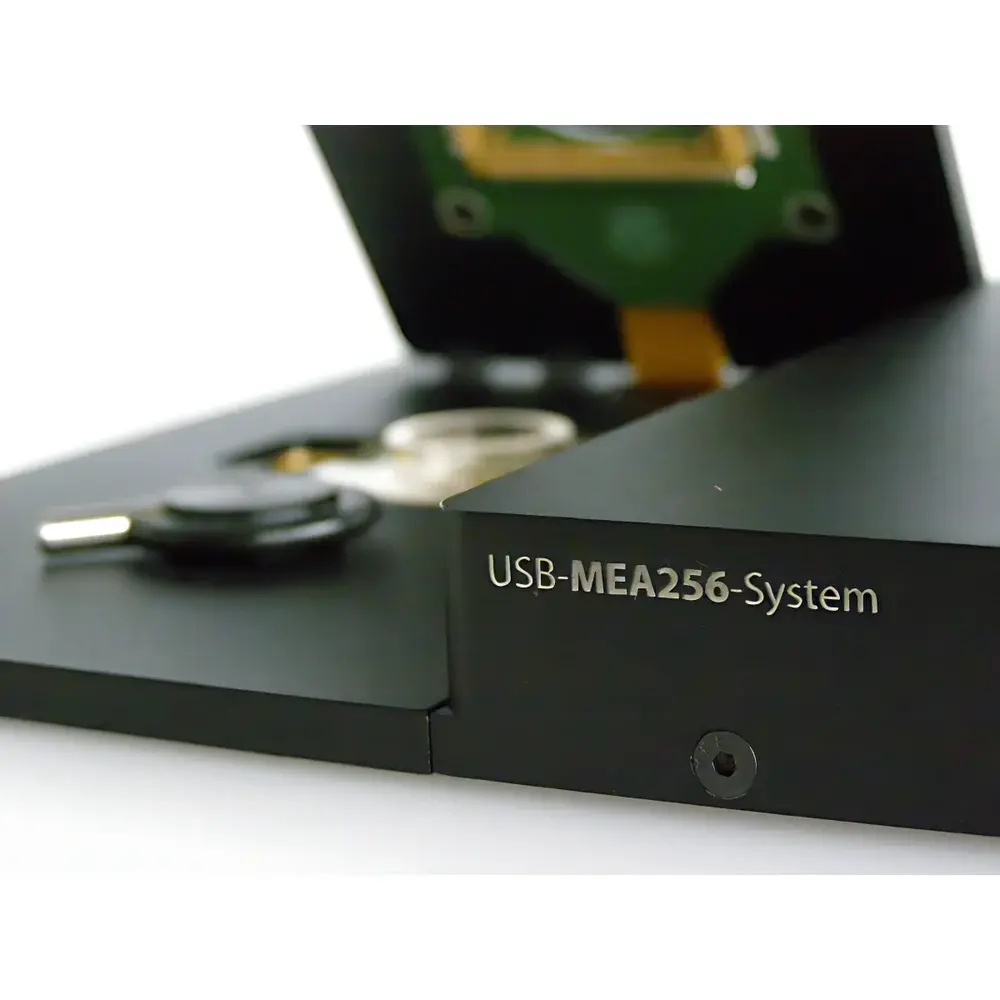
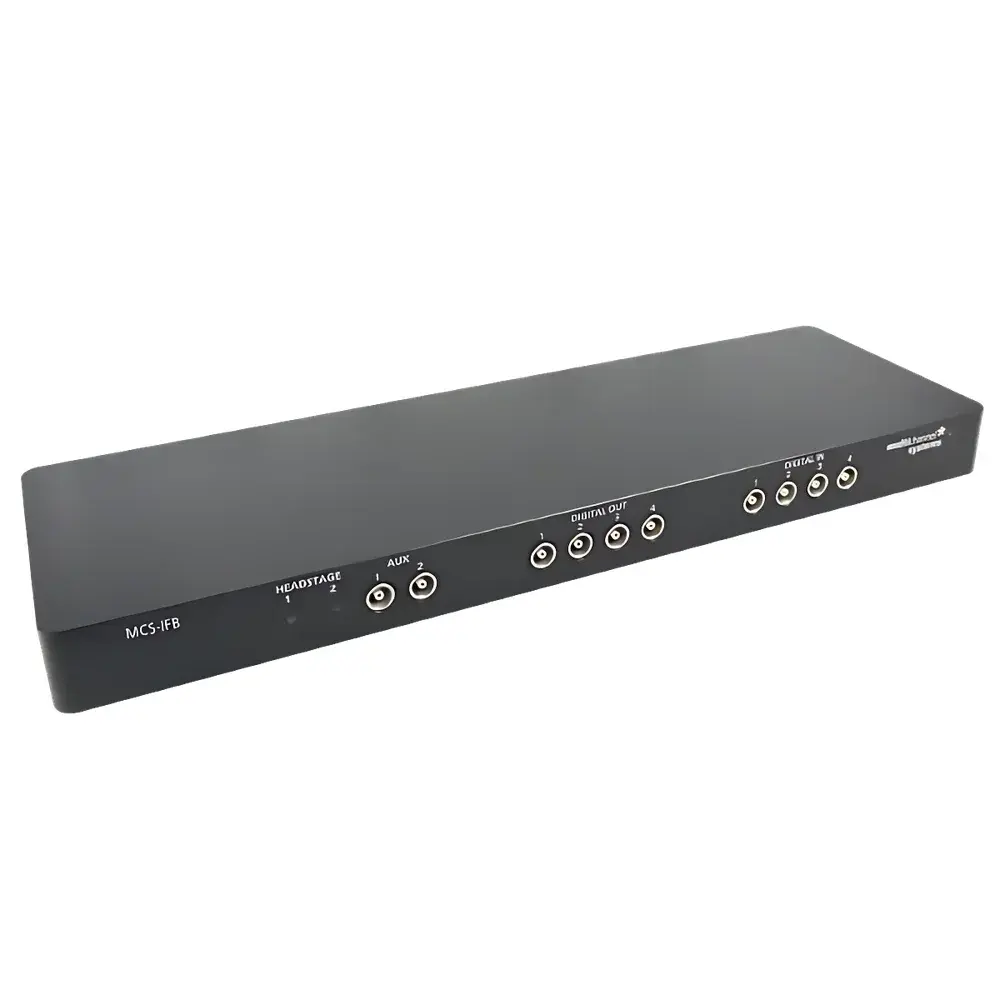
Multi Channel Systems MEA2100-256 In Vitro Microelectrode Array (MEA) Recording System
| Brand | Multi Channel Systems |
|---|---|
| Origin | Germany |
| Manufacturer Type | Manufacturer |
| Origin Category | Imported |
| Model | MEA2100-256 |
| Pricing | Upon Request |
Overview
The Multi Channel Systems MEA2100-256 is a high-fidelity, in vitro microelectrode array (MEA) recording system engineered for extracellular electrophysiological monitoring of living biological preparations—including acute brain and spinal cord slices, dissociated neuronal cultures, cardiomyocyte monolayers, retinal explants, intestinal tissue, and stem cell-derived neural or cardiac lineages. It operates on the principle of planar extracellular field potential detection: 252 titanium nitride (TiN)-coated microelectrodes—each with a minimum diameter of 8 µm and center-to-center spacing as low as 30 µm—are lithographically patterned onto glass or polymer substrates in configurable layouts (e.g., 8×8, 6×10, 16×16). When adherent tissue or cultured cells interface with the electrode surface, local field potentials and spontaneous or evoked action potentials are captured simultaneously across up to 252 spatially resolved channels. The system integrates analog signal conditioning, real-time spike detection, hardware-based TTL pulse generation, and synchronized data acquisition within a compact, electrically shielded architecture optimized for low-noise, high-temporal-resolution neurophysiology and cardiac electrophysiology experiments.
Key Features
- 252-channel simultaneous extracellular recording capacity with TiN-coated microelectrodes ensuring high charge injection capacity, biocompatibility, and autoclavability (up to 134 °C, 2 bar)
- Integrated analog front-end with programmable gain (×100–×1000), hardware-configurable bandpass filtering (0.1 Hz–5 kHz), and real-time spike discrimination using adjustable voltage thresholds
- Dedicated TTL output per detected spike event, enabling closed-loop stimulation protocols and hardware-triggered external devices (e.g., optogenetic LEDs, perfusion valves)
- Low input-referred noise ( 100 dB, and robust electromagnetic interference (EMI) shielding compliant with IEC 61326-1 for laboratory environments
- Modular design supporting interchangeable MEA chips (e.g., 60-, 120-, or 252-electrode configurations) and compatibility with standard incubation chambers, perfusion systems, and microscope stages
Sample Compatibility & Compliance
The MEA2100-256 supports a broad range of ex vivo and in vitro preparations without requiring intracellular penetration: acute CNS slices (hippocampus, cortex, spinal cord), retinal whole-mounts, Langendorff-perfused heart preparations, atrial/ventricular tissue slices, human iPSC-derived cardiomyocyte or cortical neuron networks, and primary enteric nervous system explants. All hardware components meet CE marking requirements under Directive 2014/30/EU (EMC) and 2014/35/EU (LVD). The system architecture enables full traceability and audit-ready operation when configured with MCS’s optional FDA 21 CFR Part 11-compliant software modules—supporting electronic signatures, change logs, and secure user access control for GLP- and GMP-aligned preclinical safety pharmacology studies (e.g., CiPA-compliant cardiac proarrhythmia assessment).
Software & Data Management
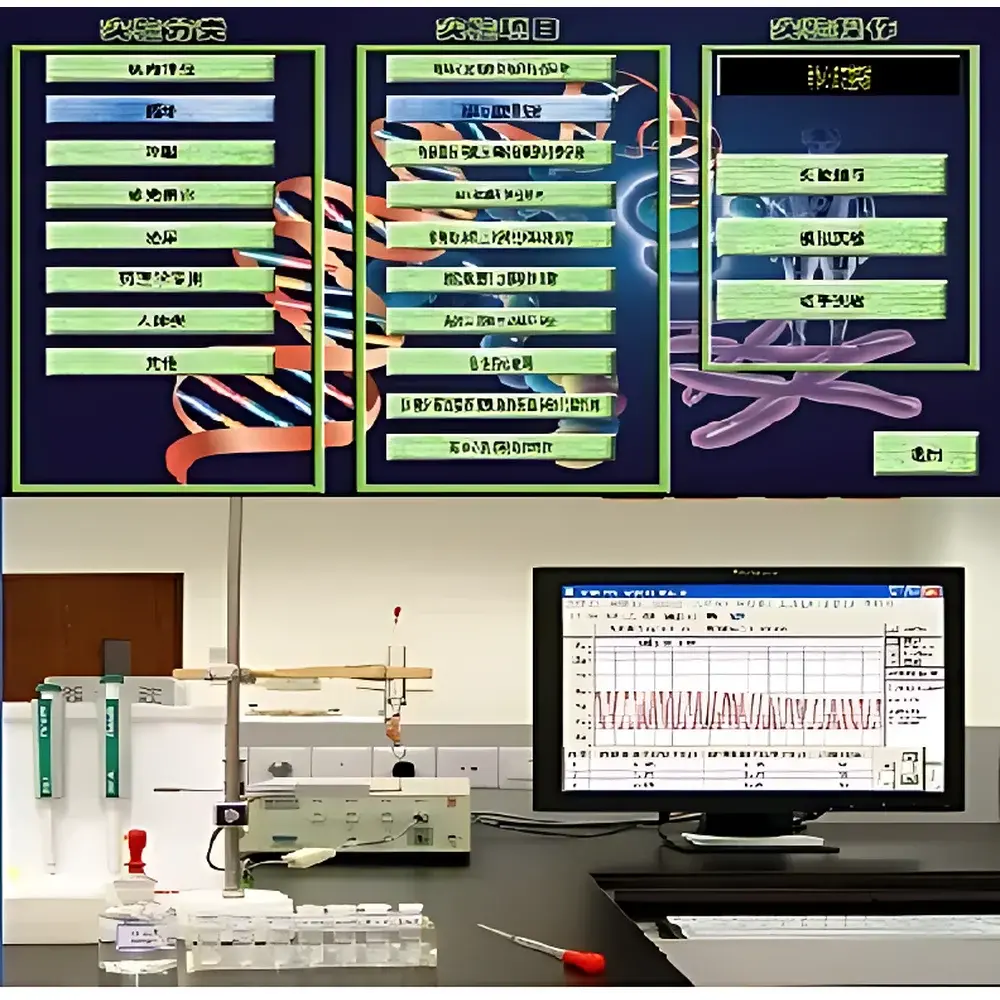
Acquisition and analysis are performed via MC_Rack, a native Windows application providing real-time visualization, offline spike sorting (using template-matching and PCA-based clustering), network burst detection, cross-correlation mapping, and raster plot generation. Raw data are stored in HDF5 format (IEEE 754 double-precision), ensuring long-term interoperability with Python (Neo, Elephant), MATLAB (Neurodata Without Borders), and open-source electrophysiology toolchains. Export options include CSV, MAT, and NWB 2.0 for integration into institutional data repositories. Batch processing pipelines support automated LFP power spectral density estimation, inter-spike interval histograms, and functional connectivity metrics (e.g., transfer entropy, phase-locking value) essential for translational neuroscience and safety pharmacology reporting.
Applications
- Neuroscience: Long-term potentiation/depression (LTP/LTD), paired-pulse facilitation (PPF), network oscillations (gamma, theta), epileptiform burst analysis, circadian rhythm entrainment in SCN slices, and developmental synaptogenesis assays
- Cardiac Electrophysiology: Conduction velocity mapping, arrhythmia induction and termination dynamics, drug-induced QT prolongation screening, and hiPSC-cardiomyocyte maturation profiling
- Retinal Physiology: Light-evoked response topography, microelectroretinogram (µERG) quantification, photoreceptor-bipolar-ganglion signal propagation, and degeneration models (e.g., rd10, P23H)
- Gastrointestinal Research: Interstitial cells of Cajal (ICC)-driven slow-wave propagation, enteric neural circuit mapping, and motilin/gastrin modulation studies
- Stem Cell & Regenerative Medicine: Functional validation of neuronal or cardiomyocyte differentiation, electrophysiological maturity scoring, and co-culture network integration assays
- Pharmacology: High-throughput compound screening (e.g., Na+/K+/Ca2+ channel modulators), proarrhythmic risk assessment per CiPA guidelines, and neurotoxicity profiling (ICH S7B/S7B addendum)
FAQ
Is the MEA2100-256 compatible with live-cell imaging during electrophysiological recording?
Yes—the system uses transparent glass-based MEA substrates and supports inverted microscope integration; optical access is preserved for concurrent calcium imaging, voltage-sensitive dye recording, or optogenetic stimulation.
Can the same MEA chip be reused after sterilization?
Yes—TiN electrodes withstand repeated autoclaving (134 °C, 2 bar, 18 min) and ethanol/UV decontamination without performance degradation; electrochemical impedance spectroscopy (EIS) validation is recommended between uses.
Does the system support offline spike sorting for multi-unit activity?
Yes—MC_Rack includes semi-automated template-based sorting and supports third-party tools (e.g., Klusta, MountainSort) via standardized data export.
What regulatory documentation is provided for preclinical study submissions?
MCS supplies full technical specifications, calibration certificates, installation qualification (IQ) templates, and optional 21 CFR Part 11 validation packages including risk assessments and test scripts.
How is synchronization achieved between the MEA2100-256 and external hardware (e.g., stimulators, cameras)?
Via dedicated BNC-trigger I/O ports supporting TTL-compatible start/stop signals, frame sync pulses, and event markers with sub-millisecond timing resolution.