
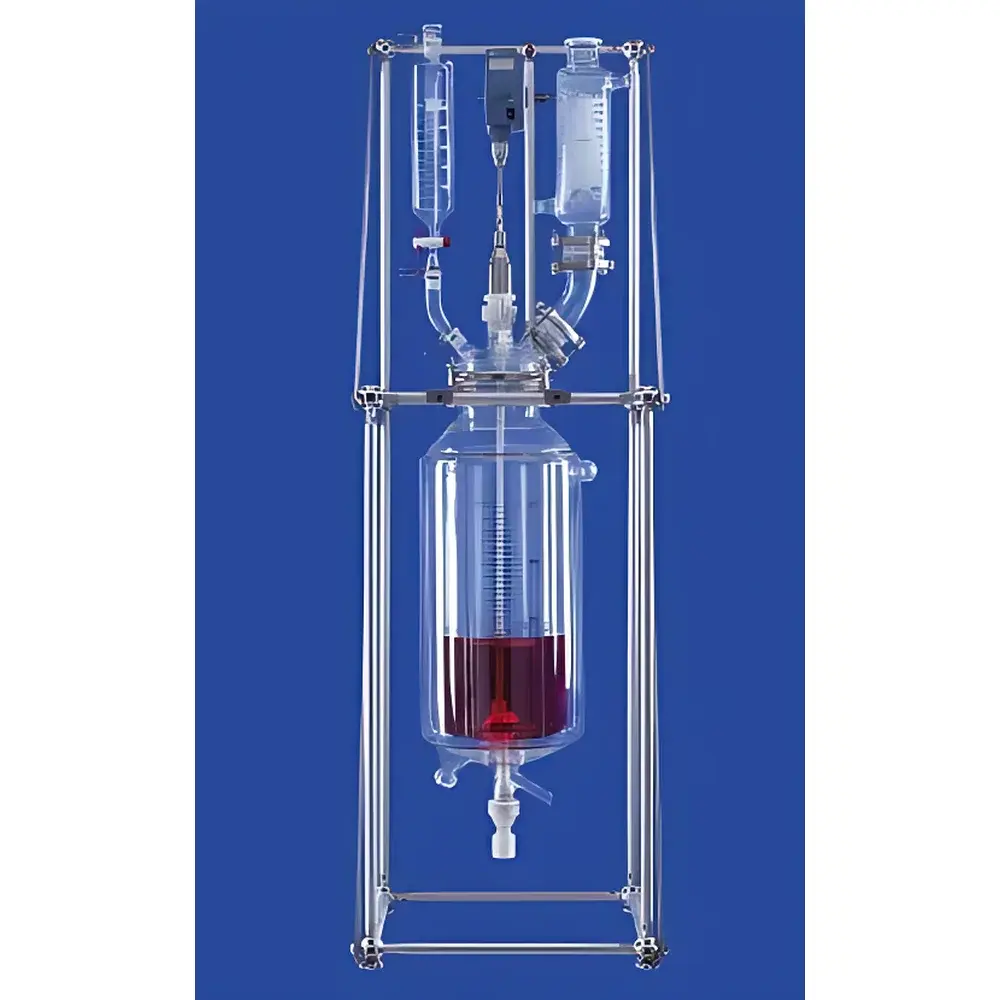
LENZ Kilogram-Scale Glass Reactor with Double-Jacketed DURAN® Borosilicate Glass (Schott)
| Brand | LENZ |
|---|---|
| Origin | Germany |
| Model | 10 L, 20 L, 30 L |
| Vessel Material | Schott DURAN® borosilicate glass 3.3 |
| Jacket Type | Double-walled, GL or KF jacket outlet options |
| Operating Pressure | Low-pressure (≤ 0.5 bar gauge) |
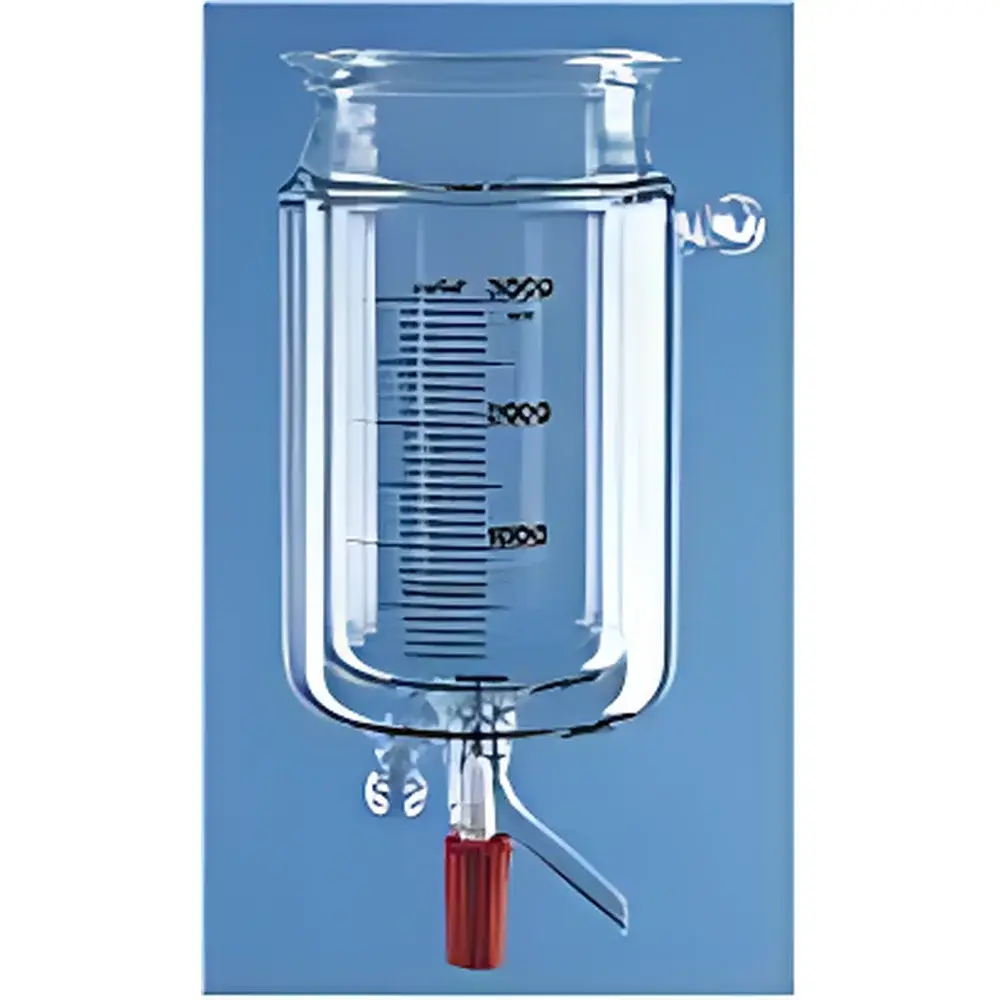
| Working Volume Range | 10–30 L (calibrated scale on vessel) |
| Seal Material | Chemically resistant FKM/EPDM O-rings |
| Bottom Valve | PTFE-coated, zero-dead-volume design |
| Stirrer Shaft Seal | PTFE-lip mechanical seal or magnetic coupling option |
| Stirrer Types | Anchor, propeller, dual-layer impeller |
| Stirrer Adapter | PTFE-coated, vacuum-compatible (down to 5 mbar) |
| Frame | Stainless steel (AISI 304), modular and tool-free disassembly |
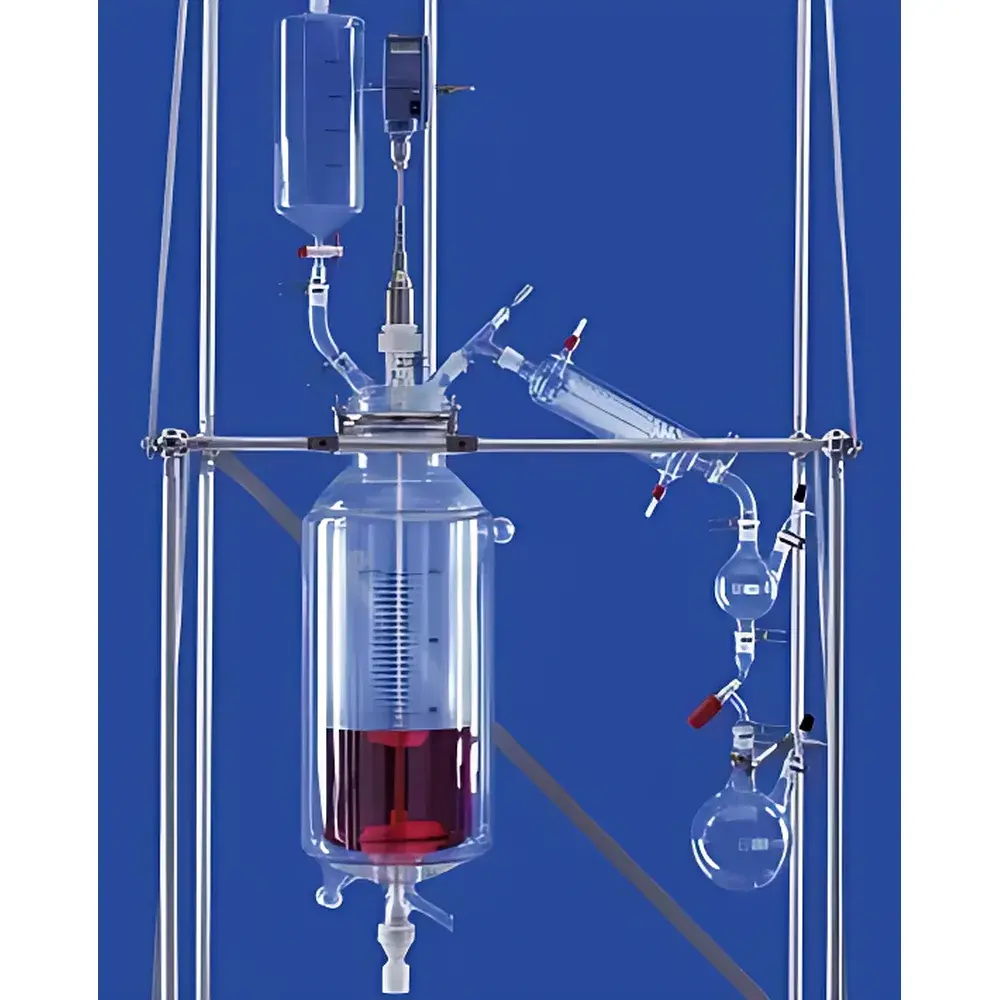
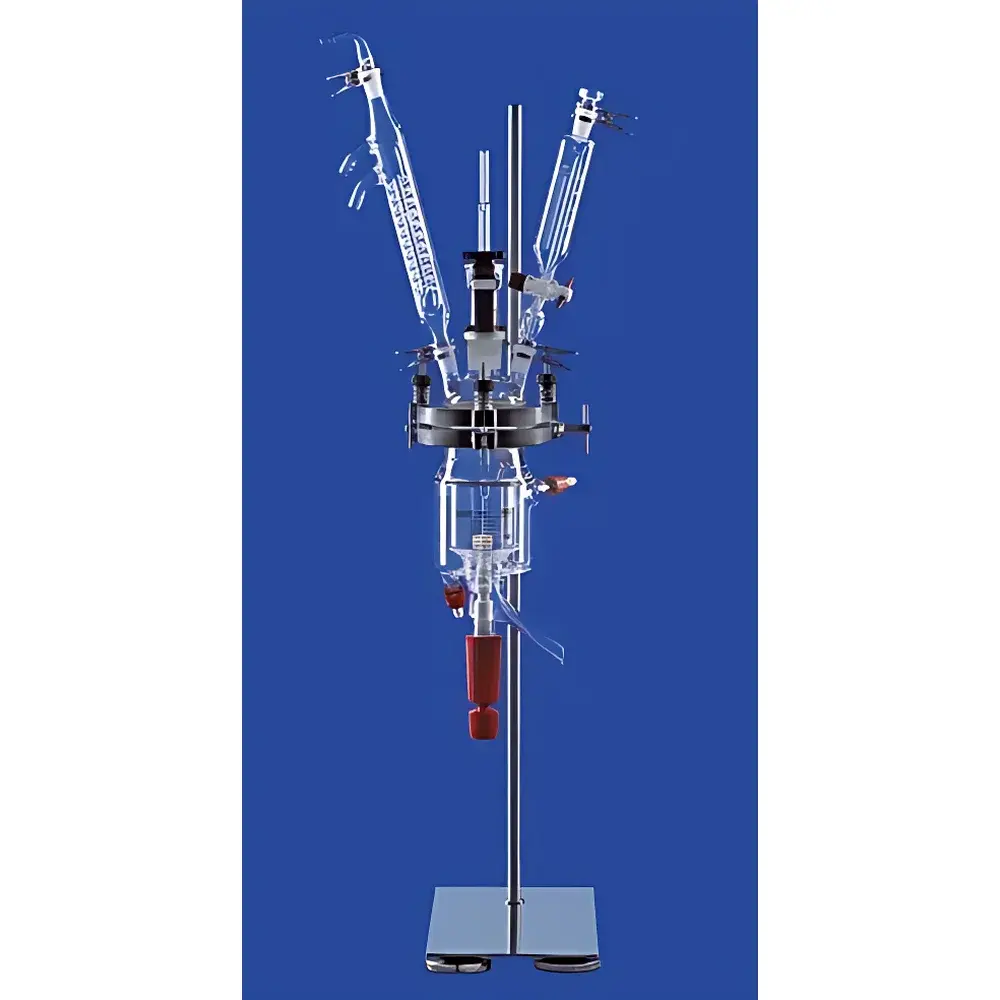
| Condenser Options | Straight, Liebig, Allihn, or Dimroth |
| Feed Funnel | PTFE-tapered, volumetric, with pressure-equalizing vent |
| Distillation/Reflux Configurations | Available as reflux-only or phase-separation variants |
| Compliance | Designed per DIN ISO 1776, compatible with GLP/GMP lab environments requiring traceable setup documentation |
Overview
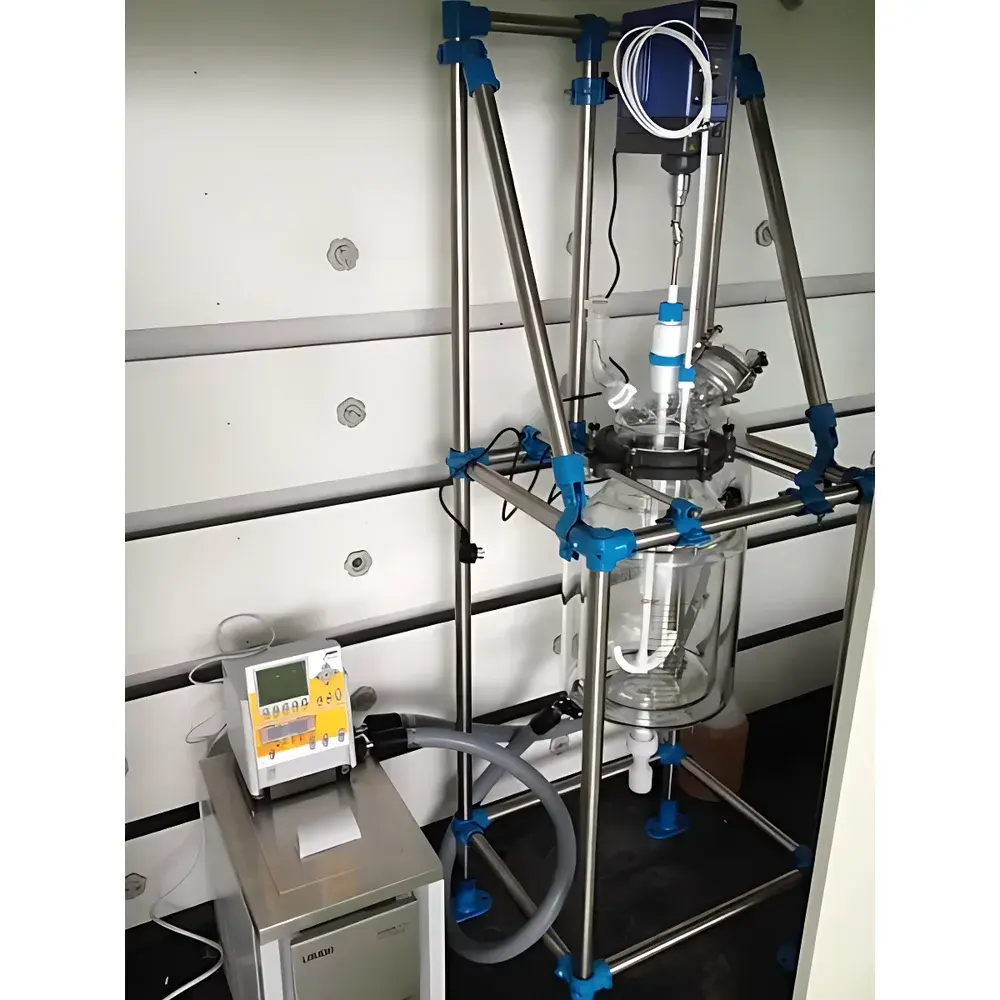
The LENZ Kilogram-Scale Glass Reactor is an engineered solution for laboratory-scale chemical synthesis, process development, and pilot-stage reaction optimization under controlled thermal, atmospheric, and mechanical conditions. Constructed entirely from Schott DURAN® borosilicate glass 3.3—certified to DIN ISO 3585—the reactor delivers exceptional thermal shock resistance (ΔT ≤ 150 °C), hydrolytic stability (Class 1 per ISO 8547), and optical clarity for real-time visual monitoring of reaction progress, phase separation, crystallization, or gas evolution. Its double-jacketed architecture enables precise temperature control via external circulators (e.g., LAUDA units), supporting both exothermic quenching and endothermic activation across –20 °C to +200 °C operating ranges (dependent on heat transfer fluid). The system operates within low-pressure regimes (≤ 0.5 bar gauge), making it suitable for atmospheric reactions, gentle vacuum distillations, and inert-gas purged syntheses—without compromising structural integrity or measurement fidelity.
Key Features
- Monolithic DURAN® glass vessel with laser-etched volume graduations (±1% full-scale accuracy) and sapphire-hardened ground-glass joints (ISO 2955 standard)
- Modular lid assembly with 4–5 standardized NS29/32 or NS45/50 ports accommodating thermocouples, condensers, addition funnels, gas inlets, and vacuum lines
- PTFE-coated bottom discharge valve featuring zero-dead-volume geometry and integrated PTFE seat—validated for >10,000 cycles under abrasive slurry conditions
- Stirring system with interchangeable impellers (anchor, axial, dual-layer) mounted on PTFE-sheathed shafts; optional magnetic drive eliminates dynamic seal wear and enables true leak-tight operation
- Quick-release clamp system (DIN 11851 compliant) with calibrated torque indicators ensures repeatable joint sealing force and eliminates cross-threading risks
- Stainless steel support frame (AISI 304) with height-adjustable clamps, integrated leveling feet, and load-rated lifting lugs (EN 13858 certified)
Sample Compatibility & Compliance
The reactor is chemically inert toward concentrated mineral acids (except HF), alkalis up to 30 wt%, organic solvents, and halogenated compounds—validated per DIN EN ISO 1776 corrosion resistance testing. All wetted surfaces are non-metallic (glass, PTFE, FKM), eliminating catalytic side reactions or metal ion leaching—critical for pharmaceutical intermediate synthesis and catalyst screening. The design supports compliance with Good Laboratory Practice (GLP) and pre-GMP process validation when paired with audit-trail-capable temperature and agitation loggers. Optional documentation packages include material certificates (3.1 EN 10204), dimensional inspection reports, and DURAN® batch traceability records.
Software & Data Management
While the base reactor is manually operated, it integrates seamlessly with third-party control platforms including LAUDA Proline refrigerated circulators (via RS485/Modbus), digital stirrer controllers (e.g., IKA RV 10), and data acquisition systems (NI CompactDAQ, LabVIEW). All interfaces comply with IEC 61508 functional safety guidelines for peripheral device communication. For regulated environments, optional add-ons include 21 CFR Part 11–compliant electronic lab notebook (ELN) templates and CSV-exportable calibration logs traceable to PTB/NIST standards.
Applications
- Multi-step organic synthesis under reflux, nitrogen/argon blanket, or reduced pressure
- Kinetic studies requiring real-time sampling via side-arm valves without system depressurization
- Heterogeneous catalysis trials with suspended solids or immobilized enzymes
- Solvent recovery and fractional distillation using interchangeable condenser configurations
- Polymerization initiation and viscosity monitoring during monomer conversion
- Crystallization process mapping (cooling, anti-solvent, or reactive crystallization)
FAQ
What temperature range is supported with the double-jacket configuration?
Standard operation spans –20 °C to +200 °C, contingent on compatible heat transfer fluids (e.g., silicone oil, ethanol/water mixtures, or specialized low-temp brines).
Can the reactor be used under vacuum for solvent removal?
Yes—mechanical seals or magnetic drives maintain integrity down to 5 mbar absolute; PTFE valves and joints are rated for continuous vacuum service.
Is custom port layout or vessel geometry available?
LENZ offers engineering-led customization including spherical-bottom vessels, extended necks, integrated sight glasses, and bespoke flange patterns—subject to DURAN® manufacturability constraints and minimum order quantities.
How is cleaning and residue verification performed?
All components are fully disassemblable; glass surfaces permit ATP bioluminescence swab testing and HPLC-grade rinse validation per ICH Q5C guidelines.
Does the system meet European Pressure Equipment Directive (PED) requirements?
As a low-pressure (< 0.5 bar) apparatus, it falls outside PED scope (2014/68/EU); however, pressure-relief accessories (e.g., rupture discs) can be supplied for enhanced operational safety.



