
DIEHM DV-Series Medium-Scale Borosilicate Glass Reactor
| Brand | DIEHM |
|---|---|
| Origin | Germany |
| Construction Material | DIN 23530/ISO 3585 High-Borosilicate Glass (Schott Duran®) |
| Design Pressure | ≤0.1 MPa (gauge) |
| Vacuum Rating | ≤1 mbar (absolute) |
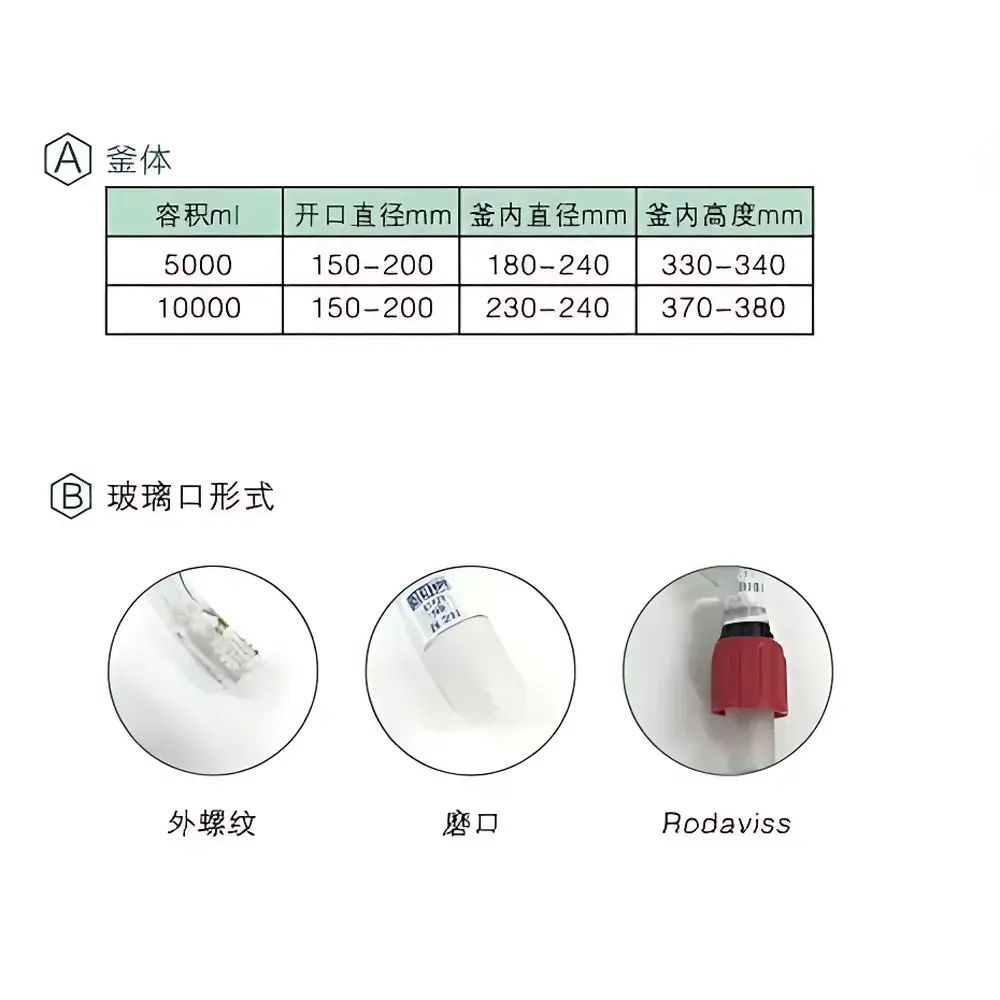
| Nominal Volume | 1 L |
| Jacketed Configuration | Yes |
| Standard Flange Sizes | DN60–DN120 |
| Thermal Shock Resistance | ΔT ≤100 °C across jacket wall |
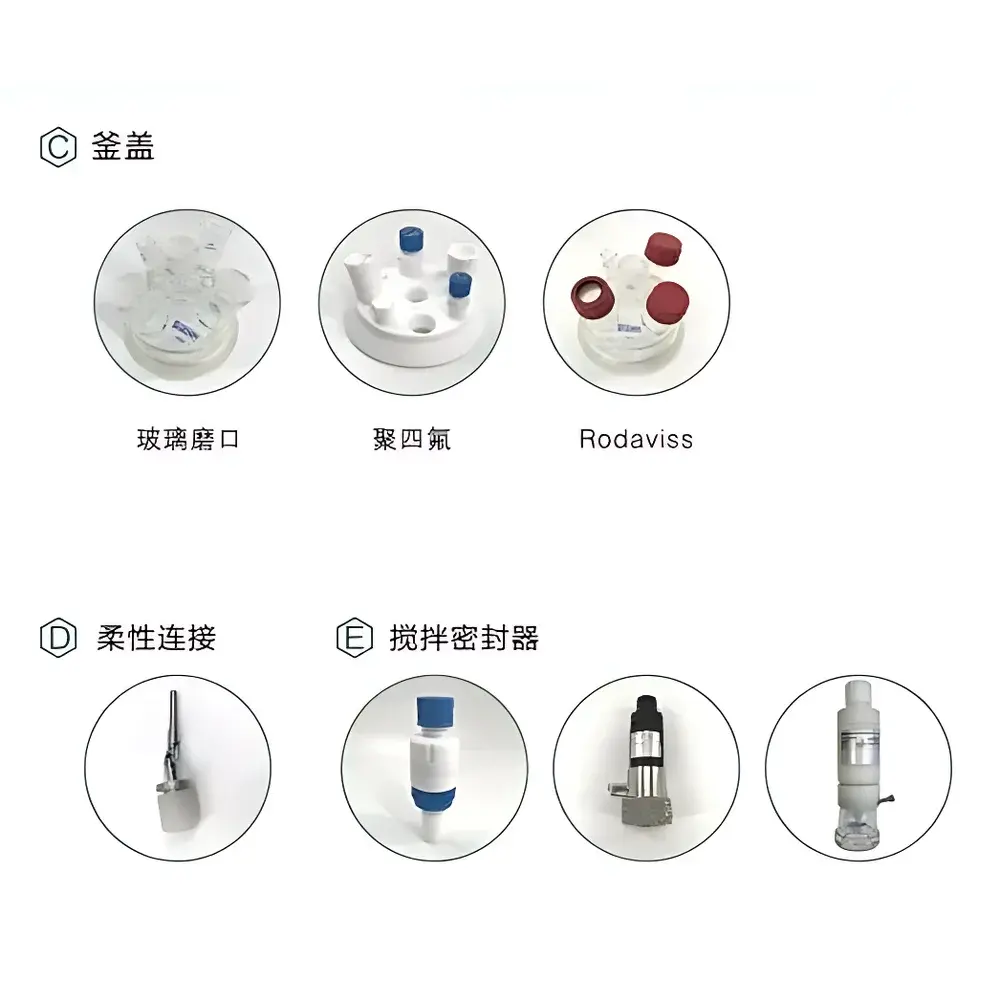
| Sealing System | Rodaviss PTFE-coated glass-to-glass mechanical seal with axial load compensation |
Overview
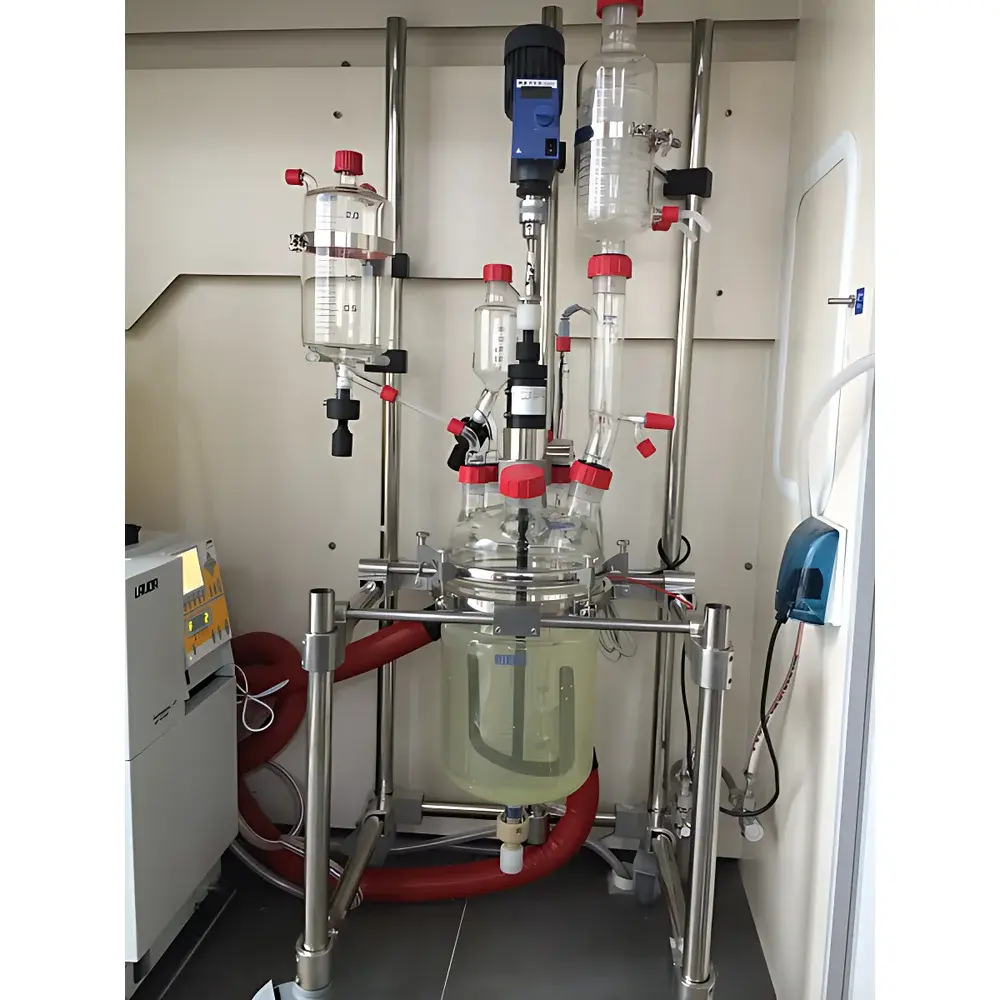
The DIEHM DV-Series Medium-Scale Borosilicate Glass Reactor is an engineered laboratory-scale reaction system designed for controlled synthesis, distillation, reflux, and multi-step chemical processing under inert, reduced-pressure, or ambient conditions. Built upon the foundational principles of glass-lined process engineering, this reactor leverages the optical transparency, chemical inertness, and thermal stability of Schott Duran® high-borosilicate glass (compliant with DIN 23530 and ISO 3585 standards) to enable real-time visual monitoring of reaction progress, phase separation, crystallization, and foam formation. Its jacketed double-wall construction permits precise temperature control via external heating/cooling circulators—critical for exothermic or cryogenic reactions requiring tight thermal management. The reactor operates within a low-pressure regime (≤0.1 MPa gauge) and achieves vacuum levels down to 1 mbar absolute, supporting applications such as solvent removal, fractional distillation, and moisture-sensitive chemistry.
Key Features
- Optically transparent, chemically resistant Schott Duran® borosilicate glass body and lid—resistant to halogens, strong acids (except hydrofluoric), alkalis, and organic solvents at moderate temperatures
- Integrated double-jacket design enabling simultaneous heating and cooling; jacket withstands thermal gradients up to 100 °C without stress-induced microfracturing
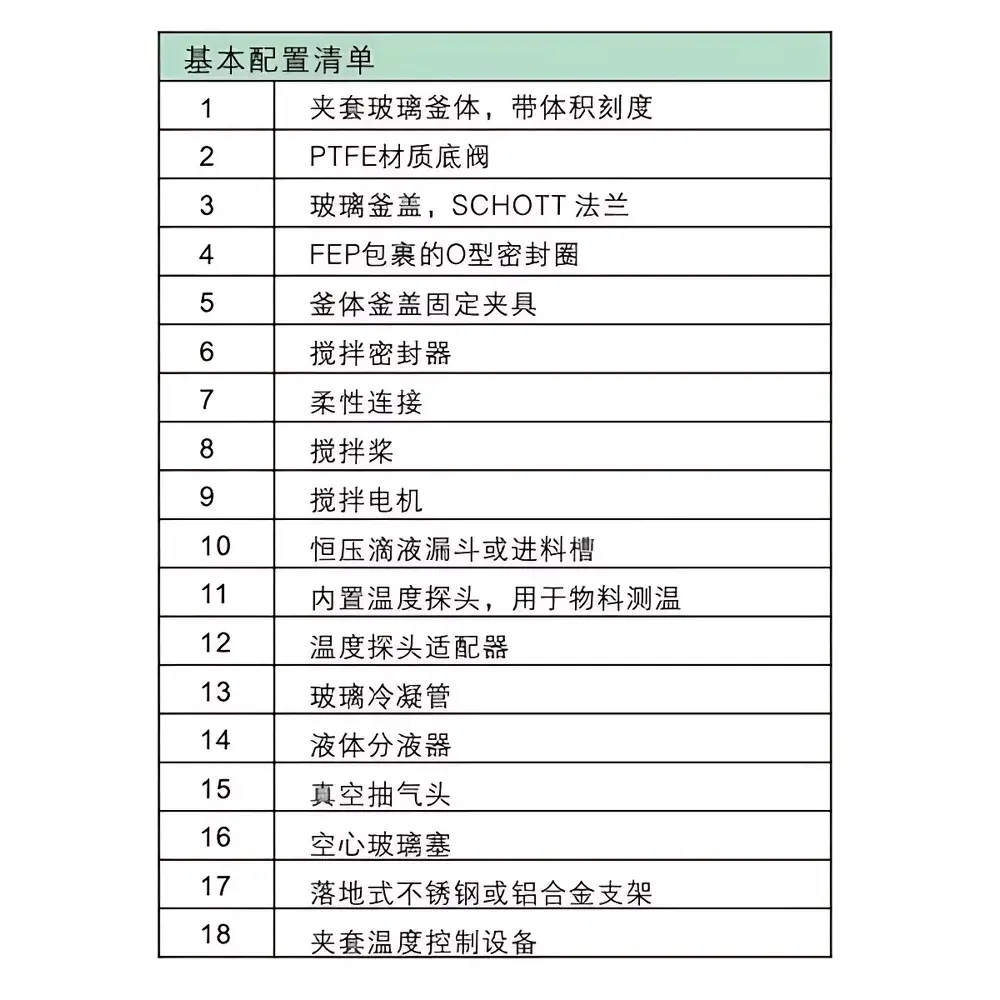
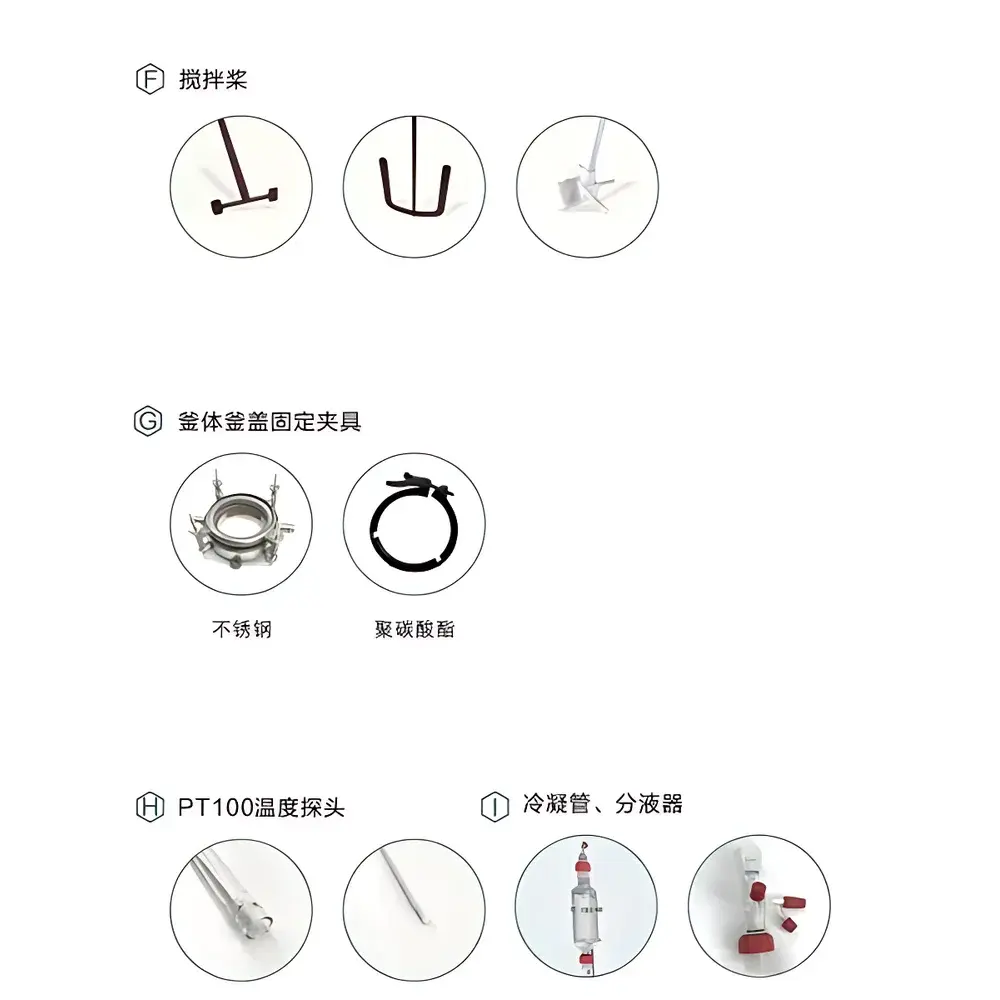
- Modular flange interface system with standardized DIN/ISO metric flange diameters (DN60–DN120), allowing interchangeability with condensers, dropping funnels, thermowells, gas inlets, and vacuum adapters
- Patented Rodaviss mechanical sealing assembly: PTFE-coated glass-on-glass contact surface with axial preload adjustment ensures leak-tight integrity during prolonged operation while minimizing galling or cold-flow deformation
- Reinforced base plate and support ring geometry optimized for mechanical stability under dynamic mixing loads and vacuum-induced compressive stress
- No internal welds or metallic components in contact with process media—eliminating catalytic side reactions and metal ion leaching
Sample Compatibility & Compliance
The DV-Series reactor is compatible with a broad spectrum of liquid, slurry, and suspension-phase chemistries—including Grignard reagents, lithium aluminum hydride reductions, palladium-catalyzed cross-couplings, and polymerization initiators—where transparency, corrosion resistance, and absence of metallic contamination are mandatory. It conforms to key international material and safety specifications: glass composition meets ISO 3585 for laboratory-grade borosilicate glass; pressure containment design follows PED 2014/68/EU Annex I essential safety requirements for Category I equipment; vacuum performance aligns with EN 285 for sterilization process validation prerequisites. While not certified for GMP manufacturing, its cleanability, traceability of component batches (glass serial marking), and compatibility with autoclave sterilization (up to 121 °C, 2 bar saturated steam) support GLP-compliant R&D workflows in pharmaceutical development labs.
Software & Data Management
As a standalone passive reactor vessel, the DV-Series does not incorporate embedded electronics or firmware. However, it is fully interoperable with third-party process monitoring ecosystems: temperature sensors (Pt100/PT1000) can be inserted through standardized NS29/NS45 ports; pressure transducers (0–100 kPa range) integrate via M12 or VCR fittings; and digital vacuum gauges (capacitance manometers) connect directly to the vacuum port. When paired with LAUDA Proline or Julabo F25 HR circulators (DIEHM’s common OEM partners), full PID-controlled thermal profiles—including ramp-hold-cool sequences—are programmable and exportable in CSV format for audit-ready documentation. All hardware interfaces comply with IEC 61000-6-3 EMC standards, ensuring electromagnetic compatibility in shared instrumentation environments.
Applications
- Batch synthesis of fine chemicals and active pharmaceutical ingredients (APIs) requiring visual endpoint detection
- Distillation and solvent recovery under reduced pressure (e.g., ethanol, THF, ethyl acetate)
- Catalytic hydrogenation trials using palladium on carbon with H₂ sparging and inline pressure regulation
- Photochemical reactions utilizing UV-transparent glass walls and quartz lamp integration
- Crystallization studies with controlled supersaturation and seeding protocols
- Educational demonstrations of reaction kinetics, equilibrium shifts, and phase behavior in university teaching labs
FAQ
Is the reactor suitable for use with hydrofluoric acid (HF)?
No. Although Schott Duran® glass exhibits excellent resistance to most aggressive reagents, it is not resistant to hydrofluoric acid or fluorides—these will rapidly etch the silica matrix. Alternative materials such as PFA-lined reactors must be used for HF applications.
Can the reactor be operated under positive pressure above atmospheric?
It is rated only for low-pressure service (≤0.1 MPa gauge). For higher-pressure synthesis (e.g., >0.5 MPa), stainless steel or Hastelloy autoclaves compliant with ASME Section VIII Div. 1 are required.
What is the maximum allowable temperature differential between jacket fluid and reaction mass?
The jacketed wall is engineered to tolerate a sustained thermal gradient of up to 100 °C—for example, −20 °C coolant in the jacket with 80 °C reaction mixture inside—without compromising structural integrity or seal performance.
Are replacement glass parts available with serialized traceability?
Yes. DIEHM supplies certified replacement vessels, lids, and condensers with individual batch numbers and ISO 3585 conformance documentation, supporting quality assurance records in regulated laboratories.



