
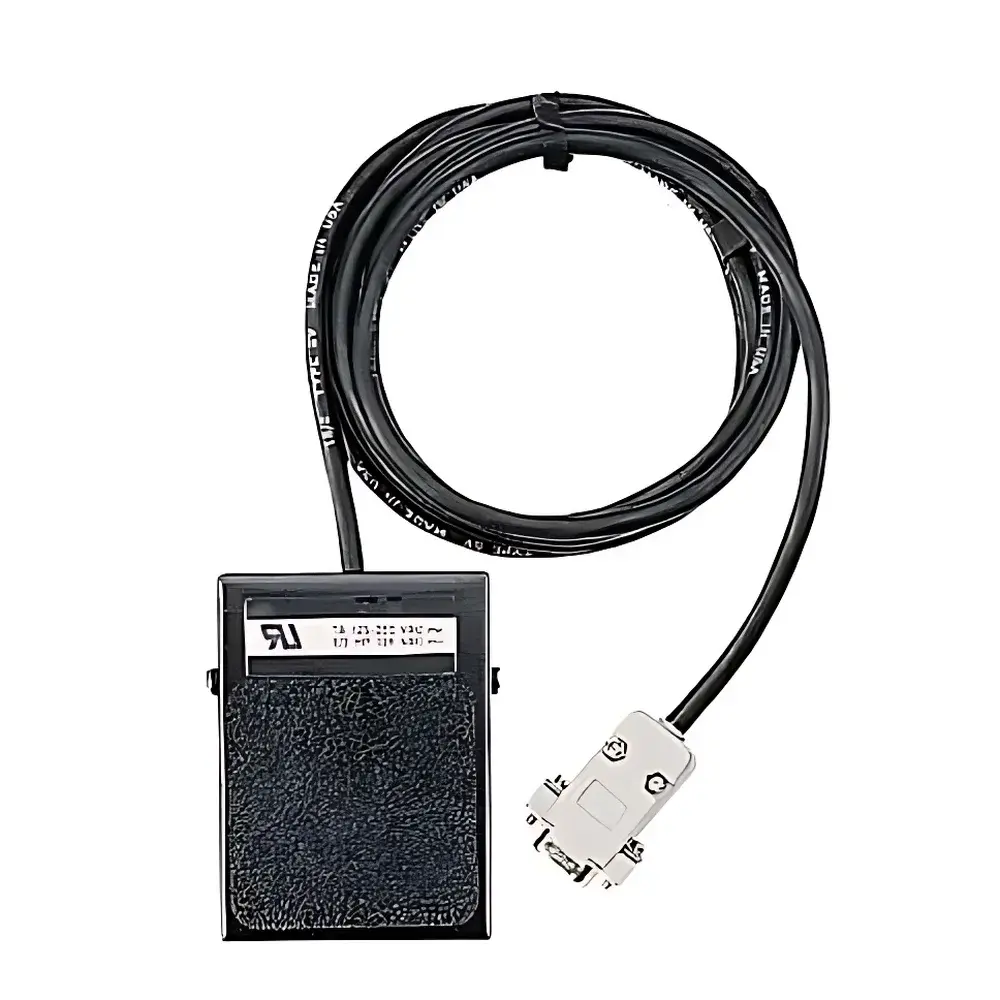
Masterflex L/S Programmable Peristaltic Pump with Balance, Stirrer, and Software Integration System
| Brand | Masterflex |
|---|---|
| Origin | USA |
| Model | 07551-00 |
| Flow Rate Range | 0.28–1700 mL/min |
| Speed Range | 0.01–600 rpm |
| Speed Accuracy | ±0.1% (e.g., ±0.01 rpm at 100 rpm |
| Certifications | ISO 9001:2000, ETL, CE |
| Power Supply | 90–260 V AC, 1.1 A |
| Dimensions (L×W×H) | 25.4 × 21.6 × 21.6 cm |
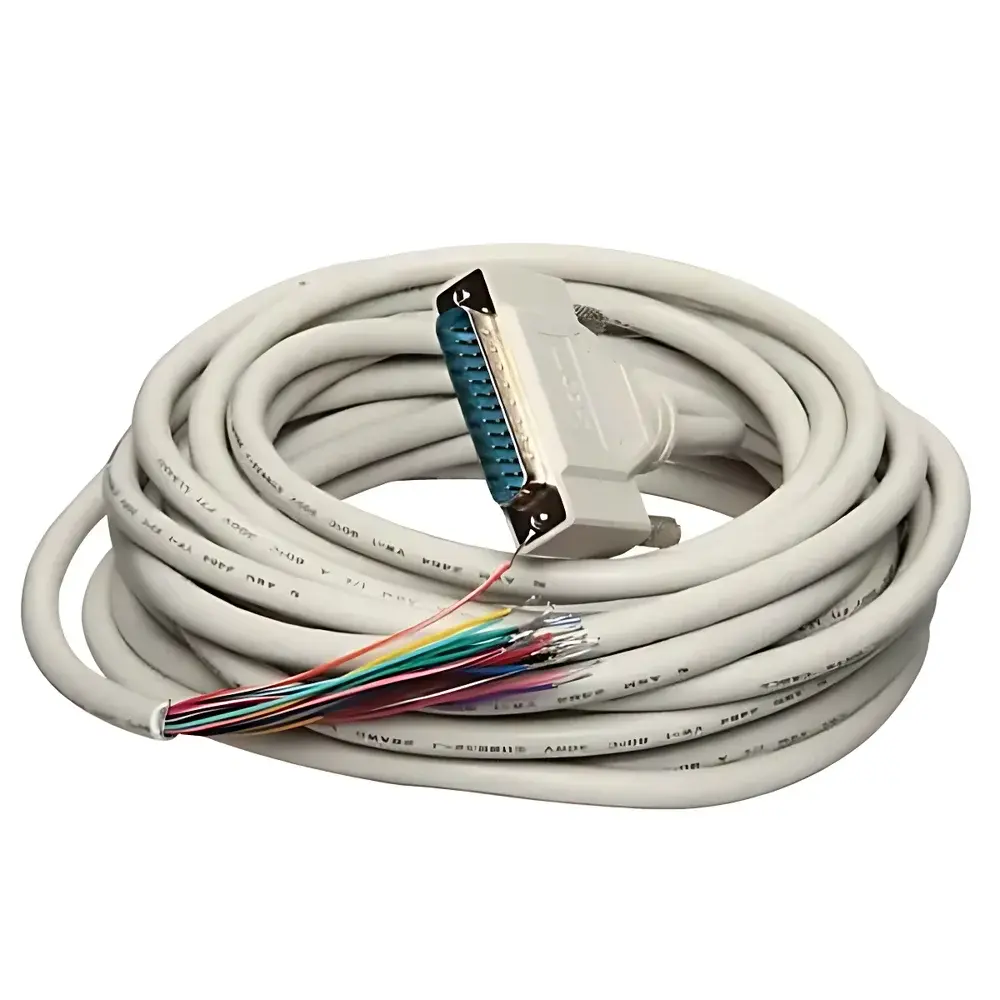
| Analog I/O | 0–20 mA, 4–20 mA, 0–10 V |
| Remote Control | Start/Stop, Direction Reversal |
| Pump Head Compatibility | Up to 2 heads (07551-00) |
| Calibration Memory | One user-defined calibration set per tubing size |
Overview
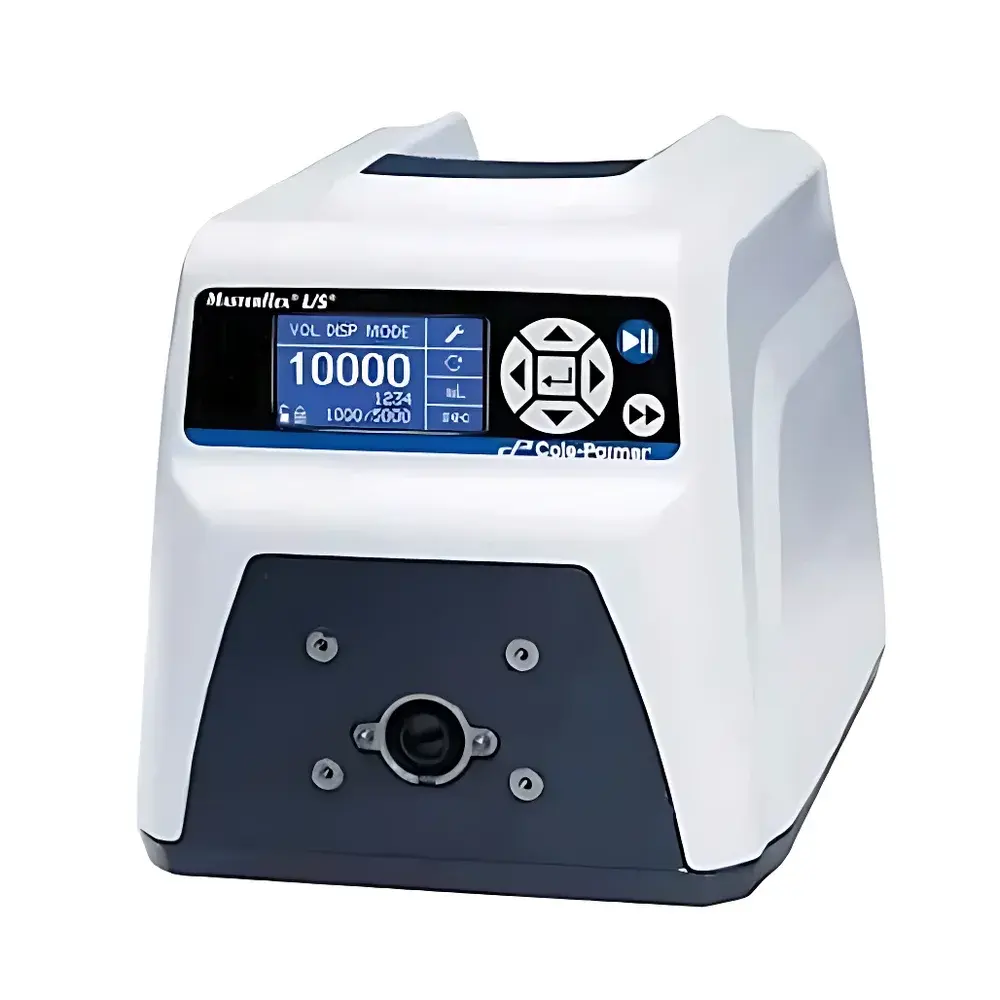
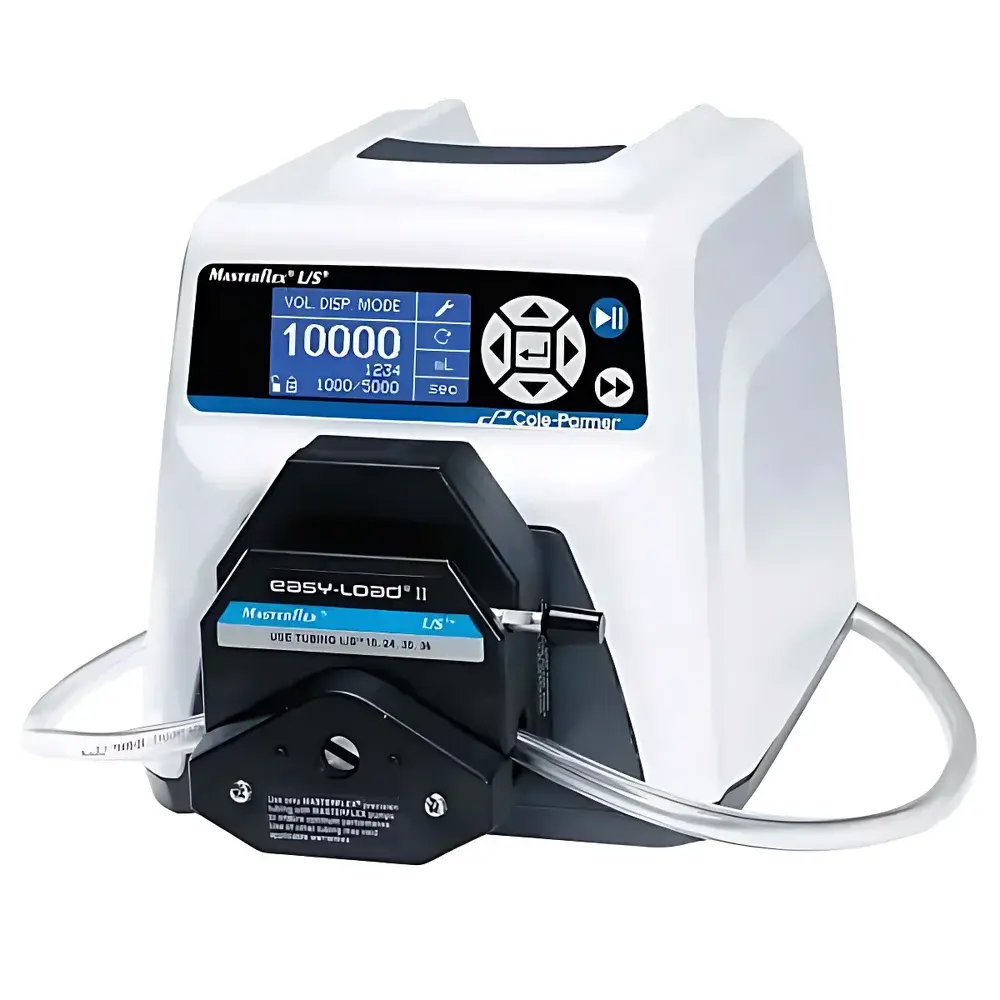
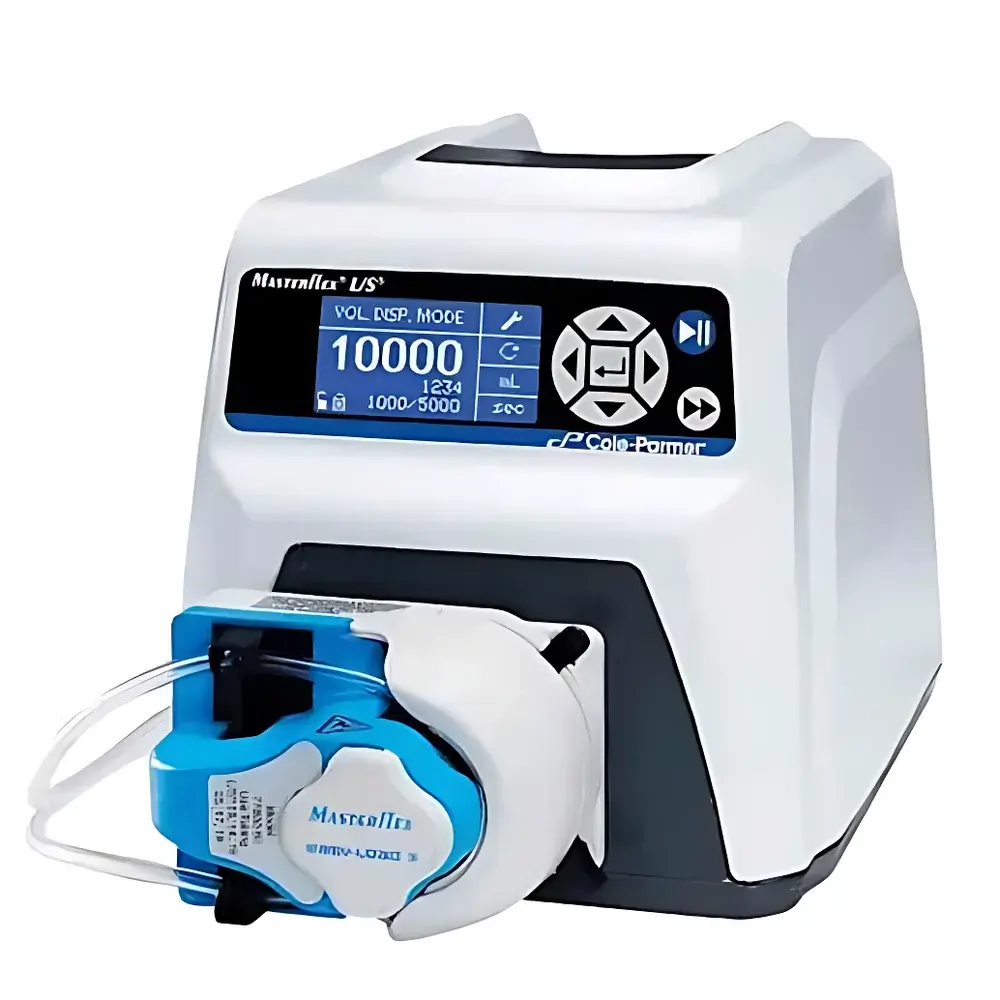
The Masterflex L/S Programmable Peristaltic Pump (Model 07551-00) is an industrial-grade, microprocessor-controlled fluid transfer system engineered for precision, repeatability, and seamless integration into automated laboratory and pilot-scale processes. Based on the well-established roller-compression peristaltic principle—where rollers compress flexible tubing against a rigid housing to generate positive displacement—the pump delivers pulse-free, contamination-free flow without valves or seals contacting the fluid path. Its core architecture supports closed-loop process control via analog signals (0–10 V, 4–20 mA), digital I/O, and RS-232/USB communication, enabling deterministic synchronization with external instrumentation including analytical balances, magnetic stirrers, and PLCs. Designed for GxP-regulated environments, the system provides full traceability and operational integrity in accordance with FDA 21 CFR Part 11 requirements when deployed with validated software configurations.
Key Features
- High-resolution speed control from 0.01 to 600 rpm with ±0.1% accuracy across the full range—ensuring consistent volumetric delivery even at ultra-low flow rates.
- Bidirectional operation enables pre- and post-run tubing purging, minimizing cross-contamination and supporting rinse-and-refill protocols.
- Intuitive multilingual interface (seven languages, including English and Chinese) with programmable keypad lock to prevent inadvertent parameter changes during operation.
- Onboard memory stores one calibrated flow profile per tubing ID, compensating for fluid-specific density and viscosity effects—critical for accurate microdispensing of reagents, cell media, or viscous biopolymers.
- Robust brushless DC motor eliminates routine maintenance and guarantees long-term torque stability under continuous duty cycles.
- IP33-rated enclosure provides protection against vertically falling water droplets and solid objects ≥2.5 mm—suitable for general laboratory and controlled manufacturing spaces.
- Modular pump head design supports rapid interchange of Easy-Load II, Easy-Load III, high-pressure, PTFE-lined, or multi-channel (2–32 channel) configurations to match application-specific flow, pressure, and chemical compatibility demands.
Sample Compatibility & Compliance
The L/S platform accommodates a broad spectrum of chemically aggressive, sterile, or shear-sensitive fluids through its extensive tubing portfolio—including Tygon® LFL, PharMed®, C-Flex®, Viton®, and platinum-cured silicone variants—each selected for compliance with USP Class VI, FDA 21 CFR 177.2600, and EU 10/2011 food-contact regulations where applicable. Tubing selection directly determines maximum pressure rating (up to 10.2 bar with high-pressure heads) and flow capacity (0.001–2900 mL/min depending on inner diameter and wall thickness). The system meets ISO 9001:2000 quality management standards and carries ETL and CE marks for electrical safety and electromagnetic compatibility. When integrated with certified balances (e.g., Ohaus, Sartorius, AND) and validated software, it satisfies GLP/GMP documentation requirements for weight-triggered dispensing, batch record generation, and audit-ready event logging.
Software & Data Management
The optional Masterflex Pump Control Software (Cat. No. 07551-70) enables centralized orchestration of up to 25 pumps over multiple COM or USB-to-serial interfaces. Each pump can be assigned independent programs comprising up to 50 sequential steps—including variable speed, directional toggling, timed on/off intervals, cumulative volume targets, and conditional logic (e.g., “stop upon receiving 4–20 mA signal from balance”). Flow units are selectable (mL/min or L/min), and tubing dimensions are entered to auto-restrict flow ranges and enhance volumetric fidelity. All user actions—including login/logout, parameter edits, program execution, and alarm acknowledgments—are timestamped, digitally signed, and stored in encrypted binary logs compliant with 21 CFR Part 11 Annex 11 principles. Role-based permissions (administrator, operator, reviewer) enforce separation of duties, while password policies and session timeouts uphold data security mandates.
Applications
This pump system is routinely deployed in pharmaceutical formulation (buffer preparation, API dilution), bioprocess development (media feeding, harvest transfer), environmental testing (sequential sample injection into analyzers), food & beverage QC (viscous sauce dosing), and academic research (multi-reagent gradient mixing). Its ability to synchronize with gravimetric endpoints makes it ideal for automated filling of 20-L containers with eight-component blends—where each ingredient is metered by a dedicated channel, stopped precisely at target mass, and sequenced across conveyor-linked vessels. It also supports perfusion culture systems requiring low-shear, pulsation-free nutrient delivery and closed-system solvent recycling in analytical chemistry workflows.
FAQ
What tubing sizes are supported, and how do they affect flow performance?
The L/S pump accepts tubing IDs from 0.8 mm to 9.6 mm (e.g., #13 to #36), with wall thicknesses of 1.6 mm or 2.4 mm. Thicker-walled tubing (e.g., #15, #24, #35) increases suction lift and pressure capability—ideal for high-viscosity or vacuum-assisted transfers.
Can the pump operate independently without a computer?
Yes—the front-panel interface supports standalone operation with programmable volume, speed, interval timing, and cycle count. PC connectivity is required only for multi-pump coordination, advanced scheduling, or regulatory-compliant data archiving.
Is the software compatible with modern Windows OS versions and virtualized environments?
The current release supports Windows 10 and 11 (64-bit) natively; virtual machine deployment requires direct serial port passthrough and is validated only under VMware Workstation with specific driver configurations.
How is calibration performed for non-water fluids?
Users perform gravimetric calibration using a certified balance: dispense known volumes at defined speeds, record actual mass gain, then input correction factors per tubing size into onboard memory—enabling real-time compensation for density-driven flow deviations.
What safety certifications apply to the power supply and enclosure?
The unit complies with UL/CSA 61010-1 (electrical safety), FCC Part 15 Class B (EMI), and IEC 60529 IP33—verified by third-party ETL listing and CE self-declaration per Machinery Directive 2006/42/EC and EMC Directive 2014/30/EU.



