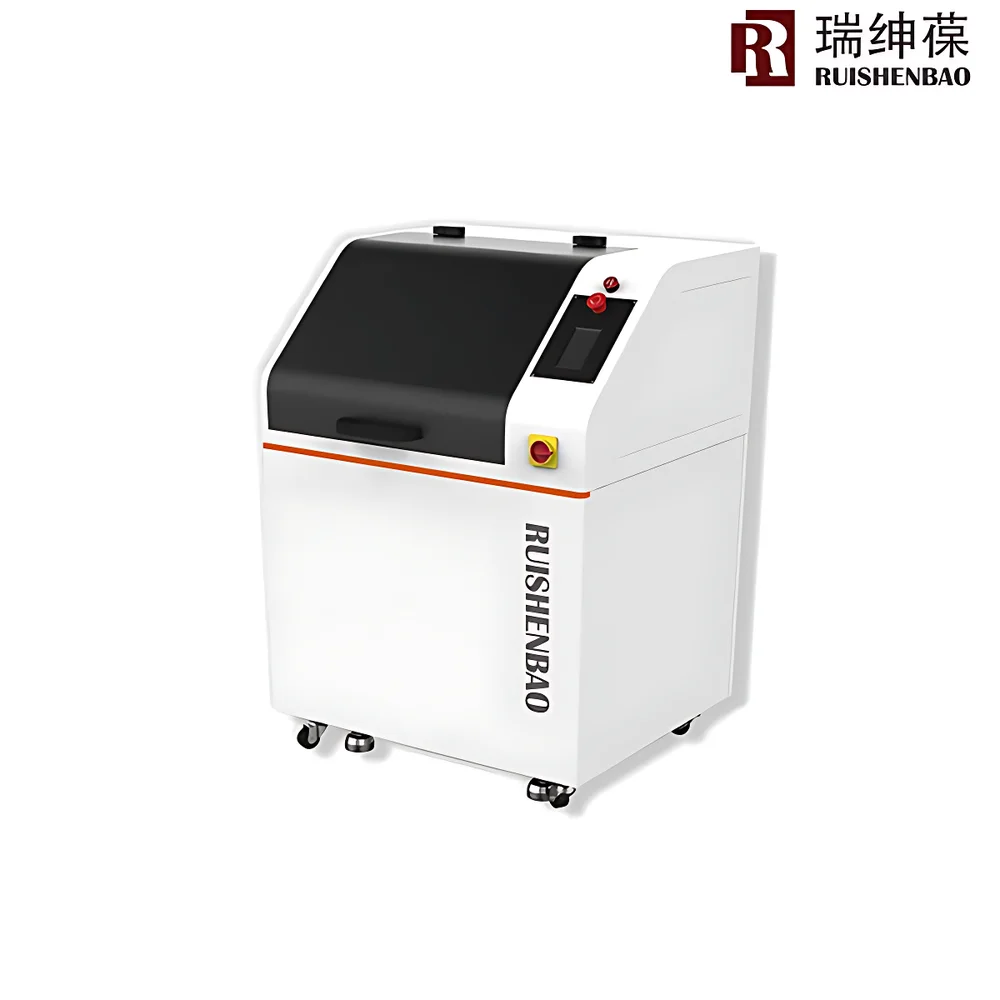
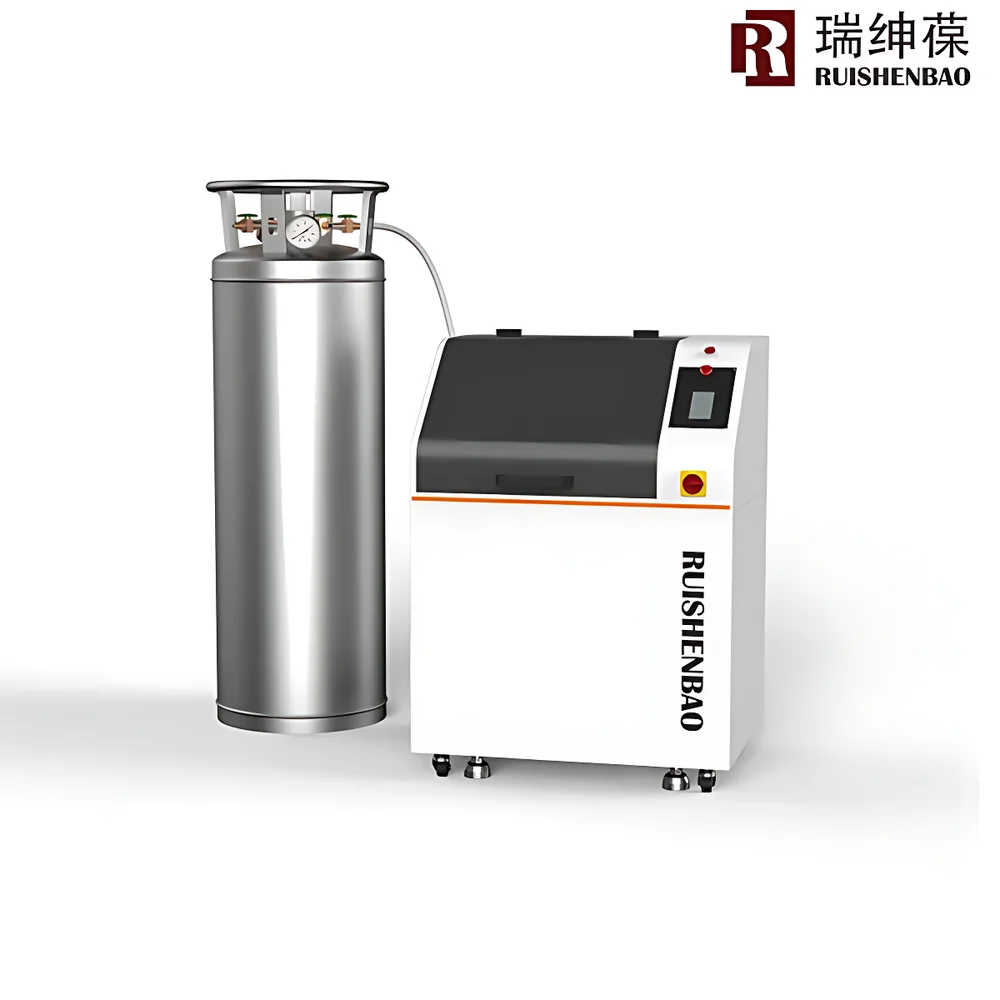
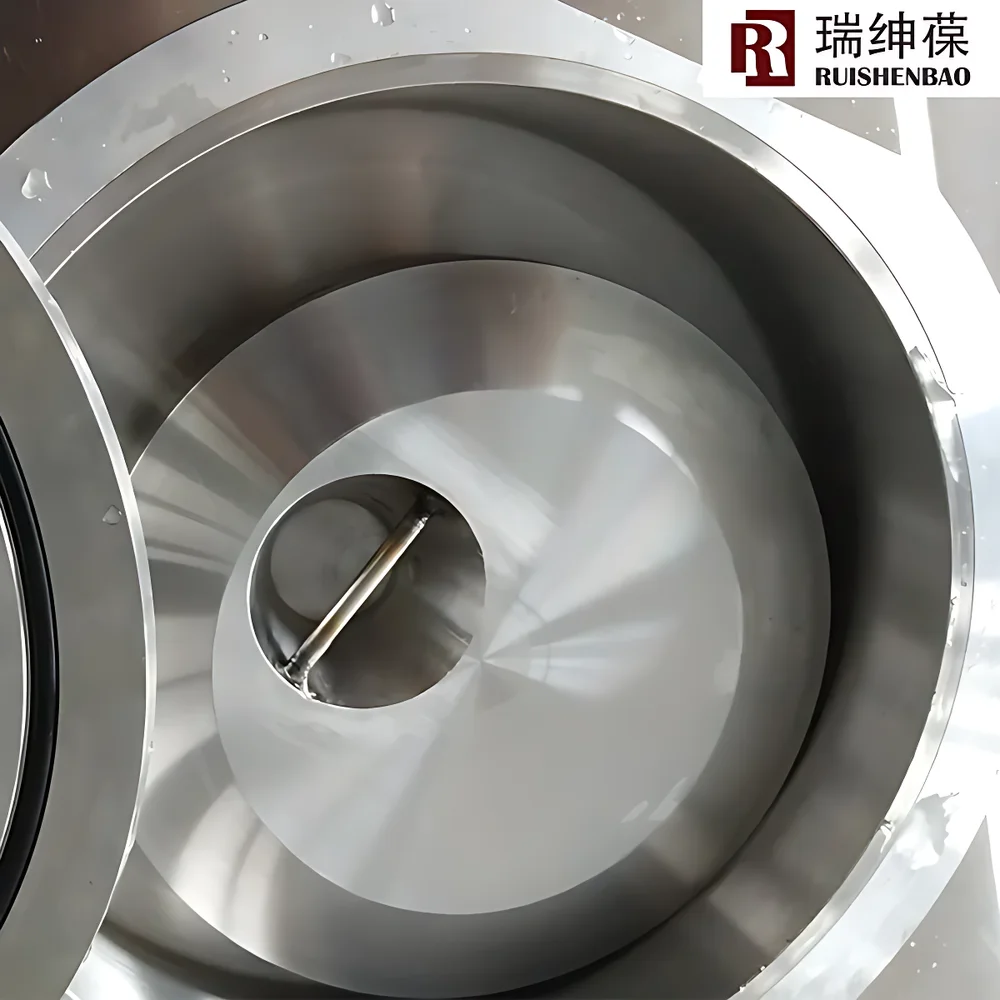
Ruishenbao LPM-01E In-Line Liquid Nitrogen Cryogenic Grinder

| Brand | Ruishenbao |
|---|---|
| Origin | Tianjin, China |
| Model | LPM-01E |
| Instrument Type | Cryogenic Grinder |
| Sample Type | Soft, thermosensitive, high-fat, or fibrous materials |
| Feed Size | ≤15 mm |
| Output Particle Size | 10–100 µm (sample- and time-dependent) |
| Batch Capacity | Up to 100 mL (material-dependent) |
| Grinding Mechanism | Vibratory disc with cryo-assisted embrittlement |
| Vibration Frequency | 900–1400 rpm |
| Power Supply | AC 220 V, 50 Hz, 3 kW |
| Dimensions (L×W×H) | 880 × 750 × 1100 mm |
| Footprint | 1200 × 1000 mm |
| Net Weight | 300 kg |
| Cooling Method | In-line liquid nitrogen injection with vacuum-jacketed piping |
Ask about pricing, availability and specifications.
Overview
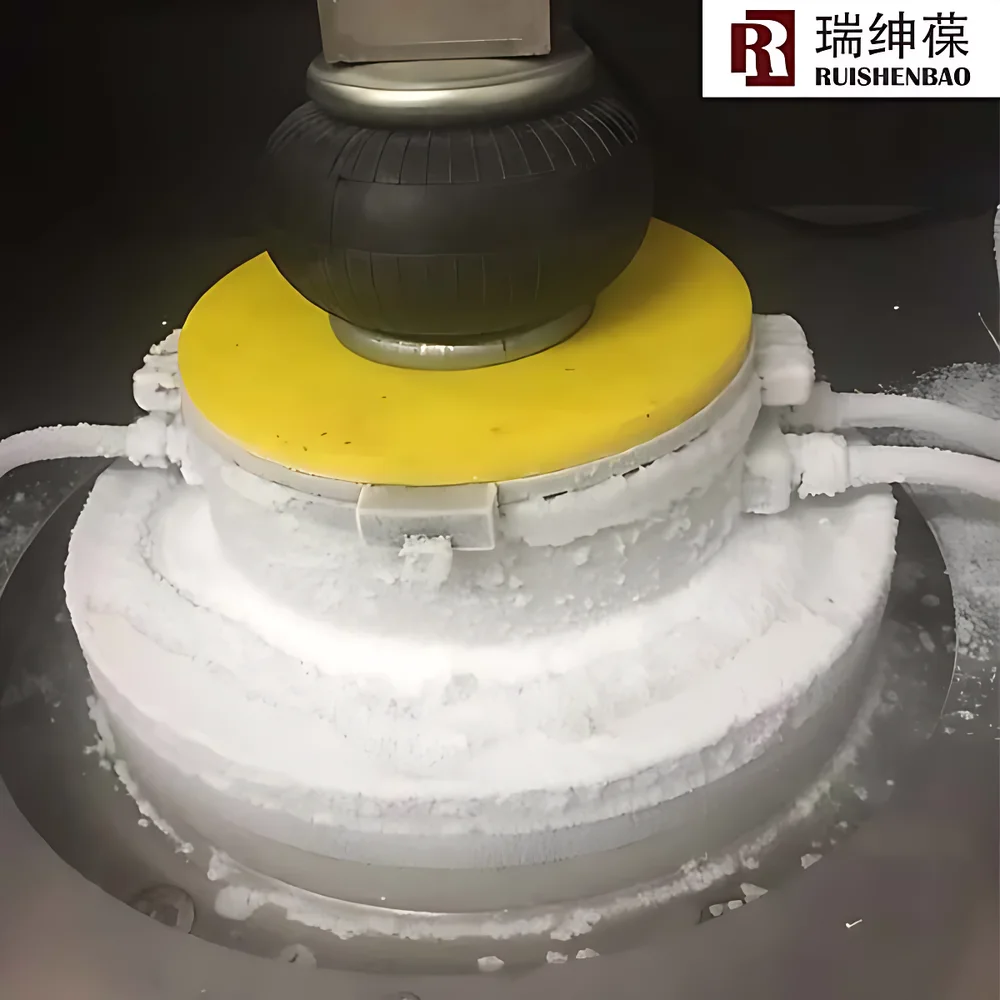
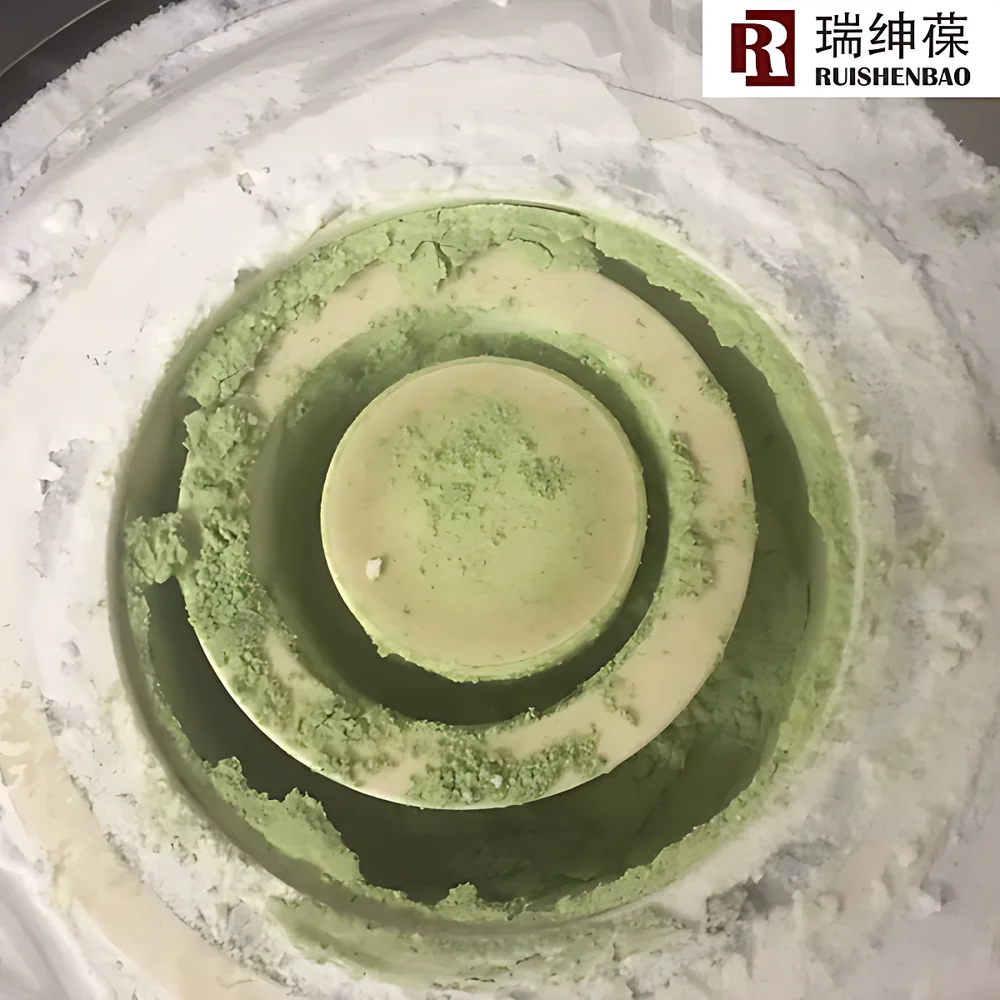
The Ruishenbao LPM-01E In-Line Liquid Nitrogen Cryogenic Grinder is an engineered solution for the reproducible, low-temperature comminution of thermolabile, soft, elastic, or high-fat materials that resist conventional ambient-temperature grinding. Operating on the principle of cryo-embrittlement—where rapid in-situ cooling with liquid nitrogen (LN₂) reduces the glass transition temperature (Tg) of organic matrices—the LPM-01E transforms ductile, rubbery, or waxy samples into brittle solids amenable to efficient mechanical fracture via high-frequency vibratory disc impact. Unlike batch cryo-mills requiring pre-freezing and manual transfer, the LPM-01E integrates continuous LN₂ delivery directly into the grinding chamber through vacuum-insulated tubing, minimizing thermal lag, eliminating condensation risks, and ensuring consistent sub-zero operating conditions (< −150 °C at point of impact). This architecture supports true “in-line” sample conditioning and size reduction within a single, sealed process zone—critical for preserving volatile compounds, preventing oxidation, inhibiting enzymatic degradation, and maintaining molecular integrity in sensitive biological, pharmaceutical, and food matrices.
Key Features
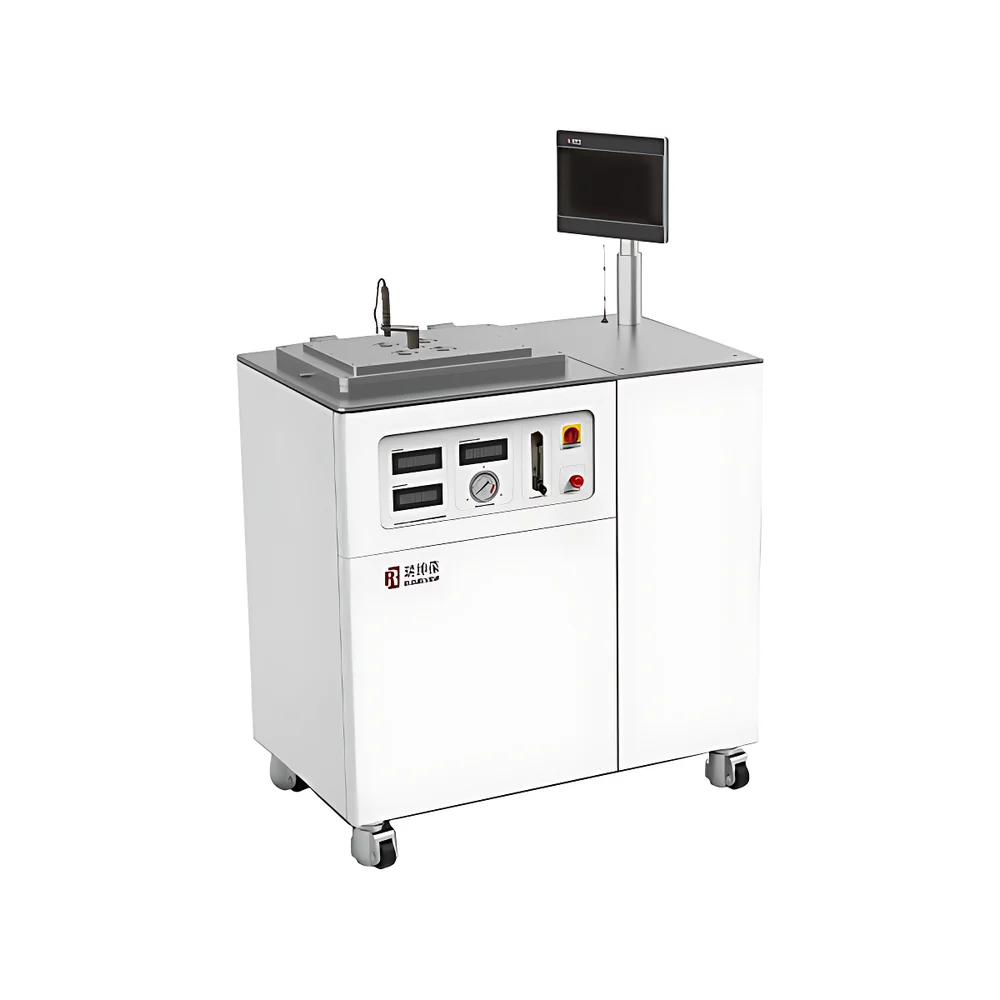
- In-line liquid nitrogen dosing system: Precision-controlled LN₂ injection synchronized with grinding cycles; vacuum-jacketed feed lines minimize boil-off and ensure stable cryogenic environment.
- Vibratory disc grinding mechanism: High-energy impact and shear generated by oscillating stainless-steel grinding discs operating at 900–1400 rpm; optimized for rapid particle size reduction without localized heating.
- Sealed, pressure-rated grinding chamber: Fully enclosed stainless-steel sample vessel with O-ring gasketing and pneumatic safety interlock; prevents LN₂ vapor escape and cross-contamination.
- Intuitive 7-inch color touchscreen interface: Integrated HMI for real-time monitoring of LN₂ flow rate, vibration frequency, grinding duration, and cycle status; supports user-defined protocol storage (up to 20 presets).
- Variable-frequency drive (VFD) control: Stepless speed adjustment enables optimization for diverse material rheologies—from fibrous plant tissues to viscous confectionery products.
- Triple-layer safety architecture: Includes (1) pneumatically actuated safety door with pressure-sensing lockout, (2) mechanical mill-cup retention latch, and (3) redundant cryogenic exposure sensors with automatic LN₂ cutoff and venting.
- Acoustic enclosure design: Internally damped housing reduces operational noise to <65 dB(A) at 1 m distance—compliant with ISO 7779 and EU Directive 2006/42/EC for laboratory machinery.
Sample Compatibility & Compliance
The LPM-01E is validated for use with soft, heat-sensitive, or high-moisture/fat-content specimens—including but not limited to chocolate, gummy candies, soybeans, peanuts, polymer pellets, pharmaceutical tablets, freeze-dried biologics, and fibrous botanicals. Its ability to maintain cryogenic conditions throughout grinding ensures compliance with sample preparation requirements outlined in ASTM E1902 (cryogenic milling of polymers), ISO 13320:2020 (laser diffraction particle sizing—requiring representative, unaltered sub-samples), and USP (disintegration testing—where intact particle morphology must be preserved pre-analysis). The sealed grinding chamber meets GLP traceability standards when paired with audit-log-enabled software (see Software & Data Management), and its construction adheres to IEC 61000-6-2/6-4 for electromagnetic compatibility in regulated lab environments.
Software & Data Management
The embedded control firmware logs all critical process parameters—including LN₂ mass flow (kg/h), cumulative grinding time (s), vibration frequency (rpm), and thermal event timestamps—with UTC synchronization. Exportable CSV files support integration into LIMS platforms (e.g., LabWare, STARLIMS) and comply with FDA 21 CFR Part 11 requirements when deployed with optional digital signature authentication and electronic audit trail modules. Optional Ethernet/IP or Modbus TCP connectivity enables remote monitoring and centralized fleet management across multi-instrument laboratories. All stored protocols retain full metadata (operator ID, date/time, sample ID), satisfying ISO/IEC 17025:2017 clause 7.2.2 for method validation documentation.
Applications
- Food & Agriculture: Homogenization of fatty seeds (e.g., flax, sesame), cryo-pulverization of dairy powders, and preparation of uniform particulates for NIR calibration standards.
- Pharmaceuticals: Pre-formulation grinding of hygroscopic APIs, controlled-size reduction of enteric-coated tablets, and generation of cryo-stable excipient blends.
- Polymers & Plastics: Production of cryo-ground polymer powders for additive manufacturing feedstock qualification per ASTM F3122.
- Environmental & Geochemical Analysis: Preparation of moisture-rich soil or sediment cores for total organic carbon (TOC) or heavy metal extraction without analyte volatilization.
- Life Sciences: Rapid lysis-free tissue pulverization for proteomics workflows where native protein conformation must be retained prior to LC-MS analysis.
FAQ
What types of materials are incompatible with the LPM-01E?
Materials containing significant quantities of free water (>30% w/w) or highly volatile solvents (e.g., acetone, ether) are not recommended due to potential pressure buildup or uncontrolled phase transitions during LN₂ exposure.
Can the grinding chamber be sterilized for GMP applications?
Yes—the stainless-steel chamber is autoclavable (121 °C, 20 min) and compatible with vaporized hydrogen peroxide (VHP) decontamination cycles; validation reports available upon request.
Is liquid nitrogen consumption monitored and reportable?
Yes—integrated mass flow sensor provides real-time LN₂ usage data, cumulative consumption per batch, and alerts for flow deviation exceeding ±5% of setpoint.
Does the system support IQ/OQ/PQ documentation packages?
Ruishenbao provides vendor-qualified IQ/OQ templates aligned with ASTM E2500 and Annex 15; PQ execution requires site-specific performance verification under user-defined SOPs.
What maintenance intervals are recommended for long-term reliability?
Vibration isolators and LN₂ valve seals require inspection every 500 operating hours; grinding disc wear is assessed via surface profilometry at 2000-hour intervals—typical service life exceeds 4000 h under standard operating conditions.