

COWIE Universal PTFE Stirring Seal Assembly with Temperature Probe Port
| Brand | Cowie |
|---|---|
| Origin | United Kingdom |
| Model | Universal Stirring Seal Assembly / PTFE Reactor Lid |
| Instrument Type | Magnetic Stirrer Accessory |
| Max. Working Volume | 800 mL |
| Speed Range | 1–500 rpm (continuous), 800 rpm (intermittent) |
| Temp. Range | −200 °C to +280 °C |
| Material | Virgin PTFE (Polytetrafluoroethylene) |
| Vacuum Rating | ~5 mmHg |
| Pressure Rating | 3–5 psi (gauge) |
| Sealing Interface | NPT-threaded interchangeable port fittings |
| Compliance | Designed for GLP/GMP-adjacent lab environments requiring chemical inertness and cleanability |
Overview
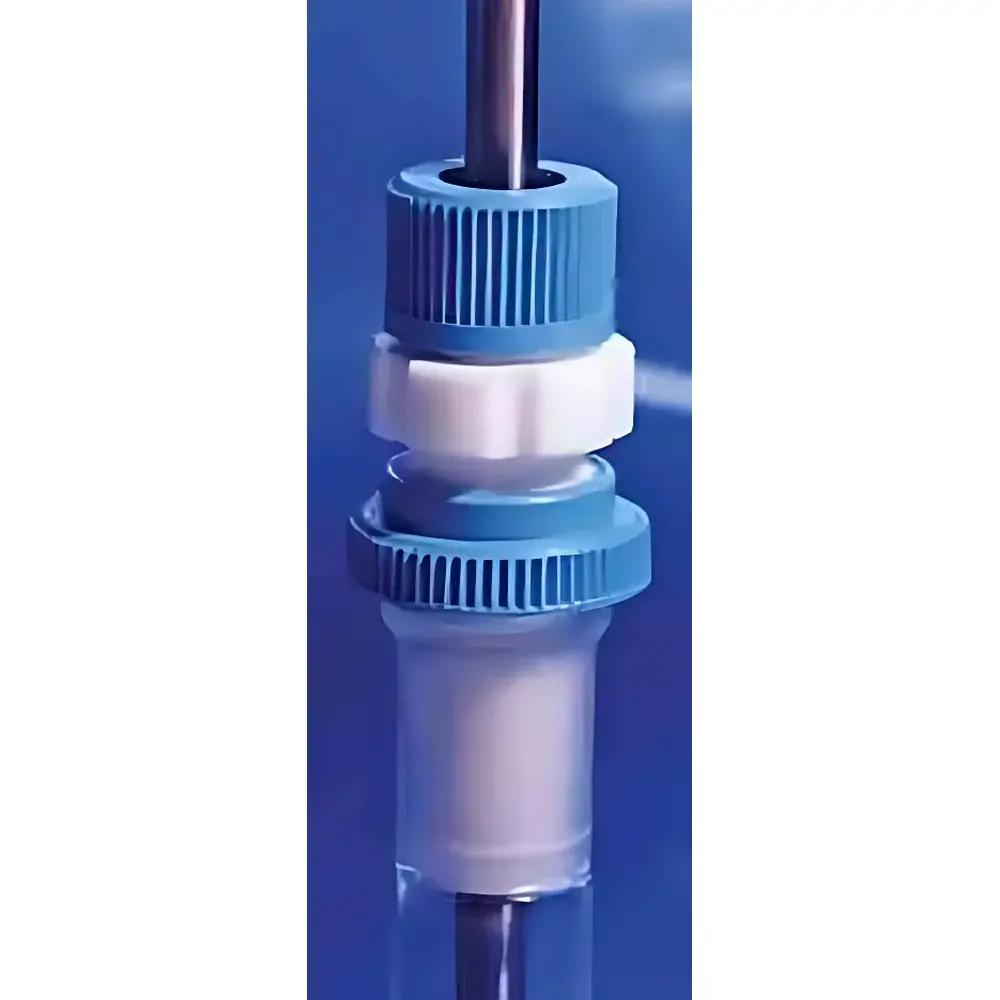
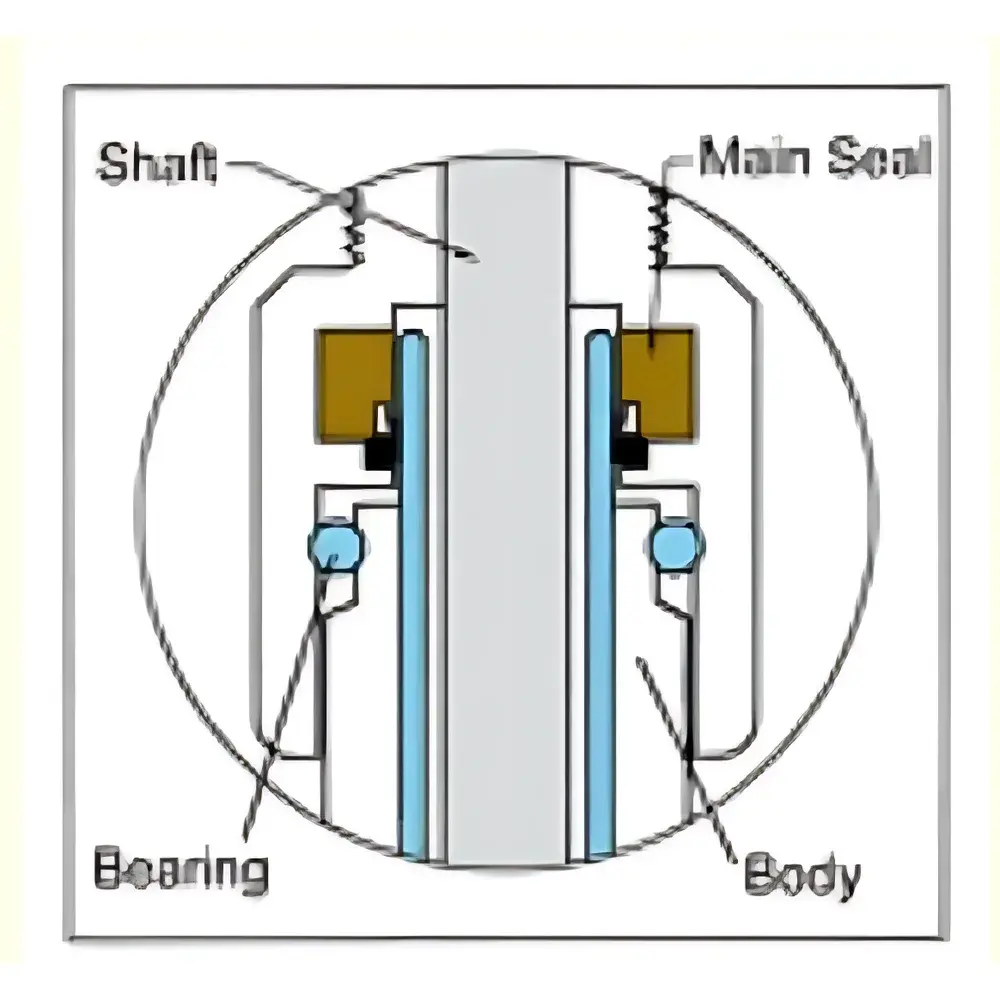
The COWIE Universal PTFE Stirring Seal Assembly is an engineered sealing and agitation interface system designed for use with standard flanged glass or metal reactors, jacketed vessels, and high-performance laboratory reaction setups. It operates on the principle of static mechanical sealing combined with low-friction rotary guidance—enabling magnetic or overhead stirring while maintaining full containment under vacuum, positive pressure, or inert atmosphere conditions. Unlike conventional silicone or Viton-based seals, this assembly utilizes virgin polytetrafluoroethylene (PTFE) throughout all wetted components—including the lid body, stirrer guide bushing, temperature probe sleeve, and modular port inserts—ensuring exceptional resistance to aggressive reagents (e.g., concentrated acids, halogenated solvents, strong bases, and anhydrous organometallics) across a broad thermal spectrum from cryogenic (−200 °C) to elevated process temperatures (+280 °C). Its geometry supports precise axial alignment of the stir bar or overhead impeller shaft, minimizing wobble and torque-induced vibration—critical for reproducible kinetic studies, crystallization trials, and exothermic batch reactions.
Key Features
- Chemically inert virgin PTFE construction compliant with USP Class VI and FDA 21 CFR §177.1550 for repeated solvent exposure and autoclave-compatible cleaning cycles
- Modular NPT-threaded port system enabling rapid interchange of temperature probes, gas inlets, sampling needles, or pH electrodes without disassembly
- Self-releasing retention ring design facilitates tool-free installation and removal—reducing risk of cross-contamination between runs
- Integrated low-profile stirrer guide bushing minimizes lateral deflection and ensures stable rotational dynamics up to 500 rpm continuous (800 rpm intermittent)
- Vacuum-rated seal integrity verified to ≤5 mmHg absolute; pressure-rated for up to 5 psi gauge in compatible vessel configurations
- Zero particle shedding profile validated per ISO 8502-3 for cleanroom-adjacent synthesis workflows and API intermediate handling
Sample Compatibility & Compliance
This assembly is routinely deployed in ASTM E2656-compliant reaction calorimetry, USP compounding environments, and ISO 13485-certified bioprocess development labs. Its PTFE composition exhibits no measurable leachables in ICH Q5C stability-indicating assays, making it suitable for GMP-aligned small-molecule synthesis and oligonucleotide conjugation steps. The absence of metallic fasteners or elastomeric gaskets eliminates iron-catalyzed oxidation pathways common in transition-metal-catalyzed cross-coupling reactions. Compatible reactor diameters range from 50 mm to 150 mm (standard flange sizes DN25–DN65), and the lid accommodates both flat-bottom and conical-bottom vessels when used with optional support collars.
Software & Data Management
While the seal assembly itself is a passive hardware component, its integration into digitally controlled reactor platforms (e.g., ChemSpeed AutoLAB, Huber Unistat, or EasyMax HFCAL systems) enables synchronized logging of agitation status, temperature ramp profiles, and pressure transients via third-party DAQ interfaces. When paired with PT100 or RTD temperature probes inserted through the dedicated PTFE-sleeved port, users achieve traceable calibration paths meeting ISO/IEC 17025 requirements. Audit trails for seal replacement intervals and usage logs can be maintained within LIMS environments supporting 21 CFR Part 11 electronic signature compliance.
Applications
- Catalytic hydrogenation under H2 pressure (up to 5 psi) with real-time temperature monitoring
- Anhydrous Grignard or organolithium reactions conducted under argon/nitrogen purge
- Low-temperature lithiation at −78 °C using dry ice/acetone baths with sustained vacuum integrity
- High-temperature Friedel-Crafts acylations in chlorosulfonic acid media
- Continuous addition protocols requiring simultaneous stirring, heating, cooling, and headspace gas analysis
- Crystallization screening where nucleation onset must be correlated with precise shear rate control
FAQ
Is this assembly compatible with overhead stirrers equipped with PTFE-coated shafts?
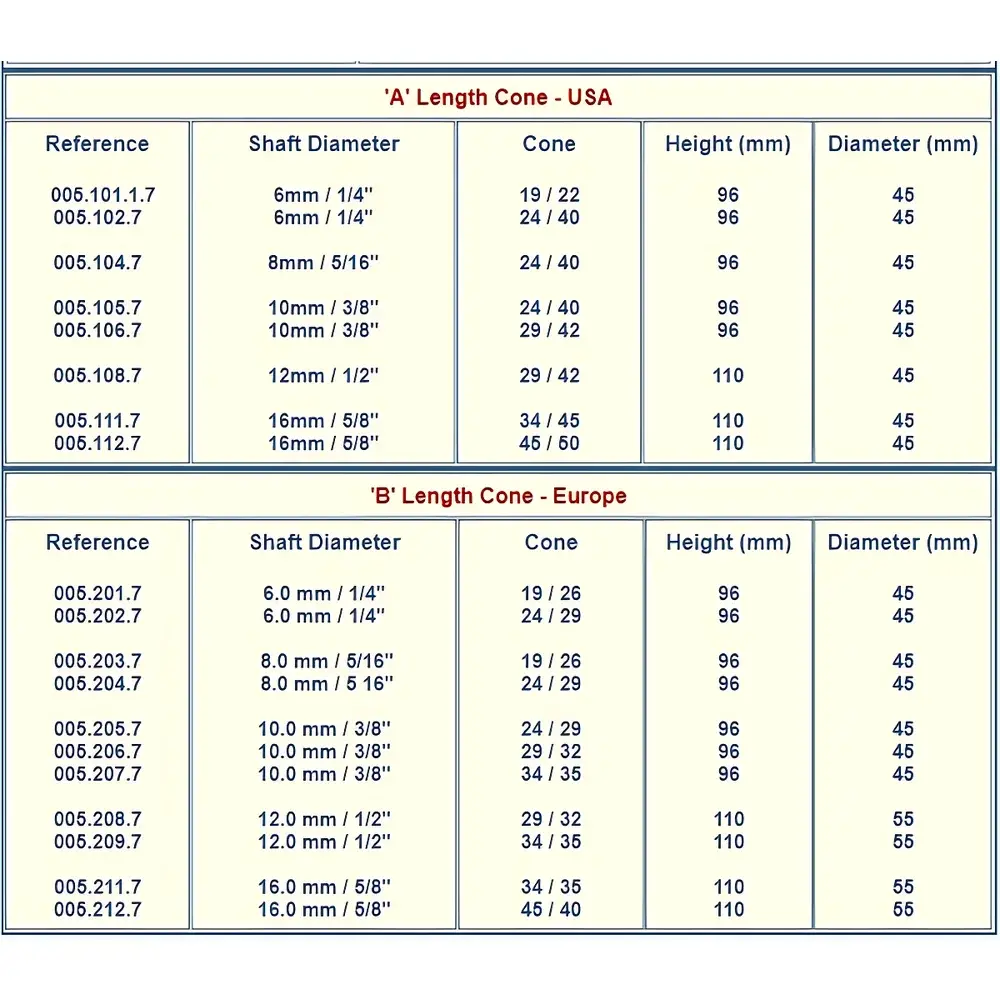
Yes—the internal guide bore is dimensionally matched to industry-standard 8–10 mm OD shafts and tolerates minor surface roughness without compromising seal life.
Can the temperature probe port accommodate a 6 mm diameter Pt100 sensor?
Yes—its PTFE sleeve has an inner diameter of 6.3 mm and provides radial compliance for secure, vibration-damped insertion.
What is the maximum recommended torque load during installation?
Hand-tightening only is advised; over-torquing NPT threads may deform the PTFE body and compromise vacuum integrity.
Does the assembly meet REACH and RoHS substance restrictions?
Yes—all materials are fully documented per SVHC candidate list v27 and contain zero restricted phthalates, lead, or cadmium.
How frequently should the PTFE components be replaced in routine QC testing?
Under normal use (≤200 °C, non-oxidizing media), replacement is recommended every 12 months or after 200 autoclave cycles—whichever occurs first.



