
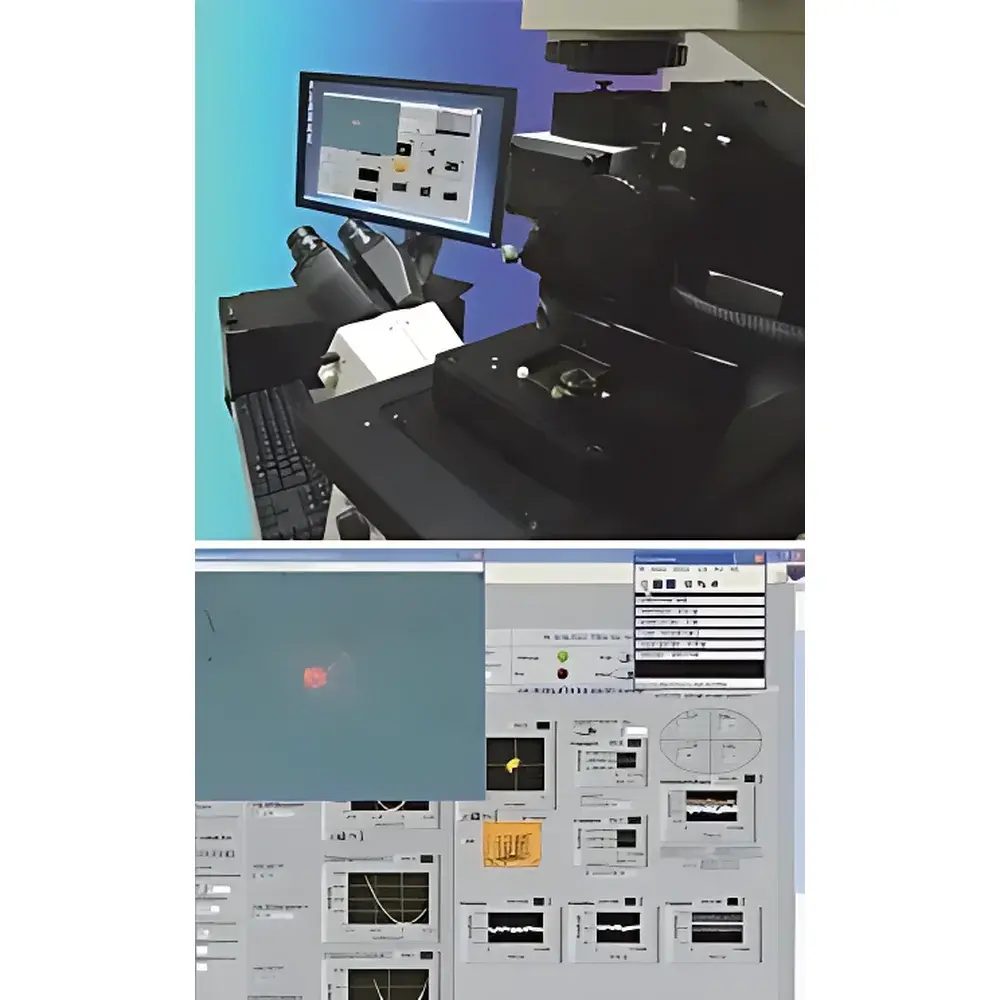
Elliot Scientific E3500 Multi-Trap Optical Tweezers System
| Origin | UK |
|---|---|
| Manufacturer Type | Distributor |
| Origin Category | Imported |
| Model | E3500 |
| Price Range | USD 1–4,999 |
Overview
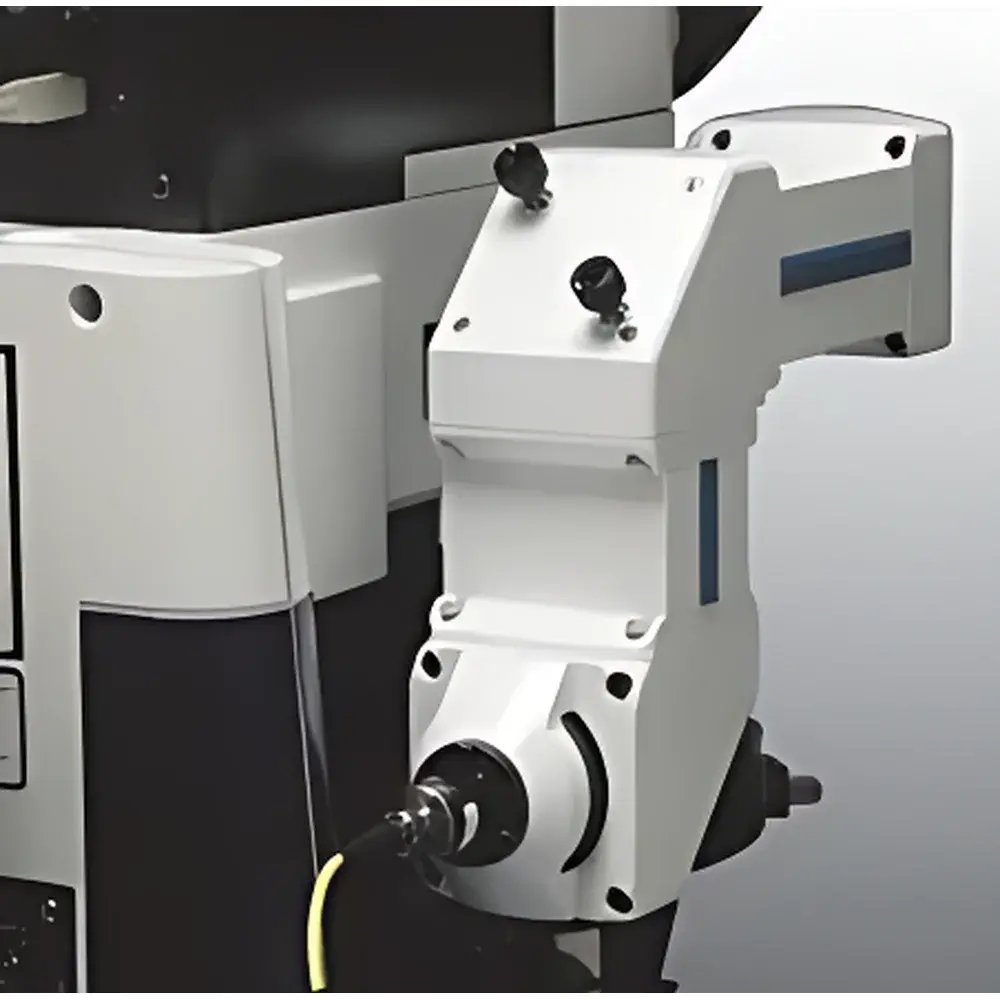
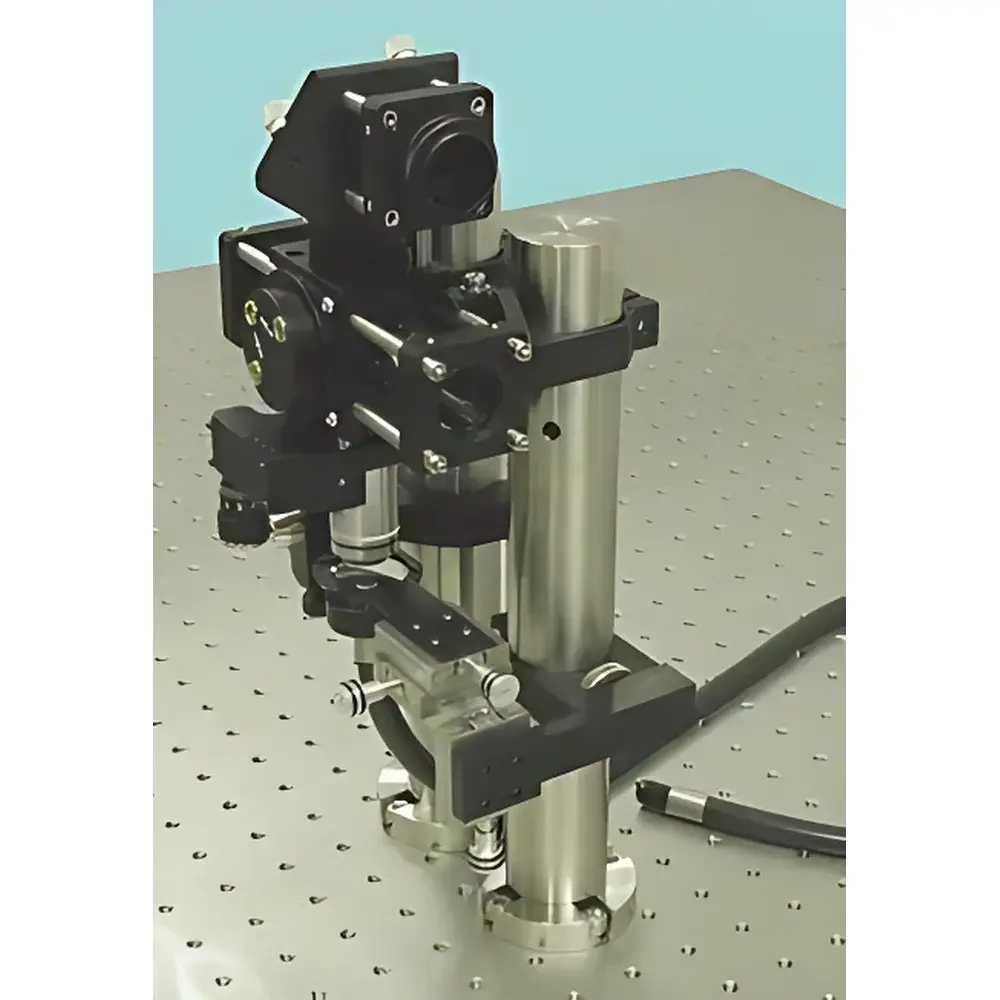
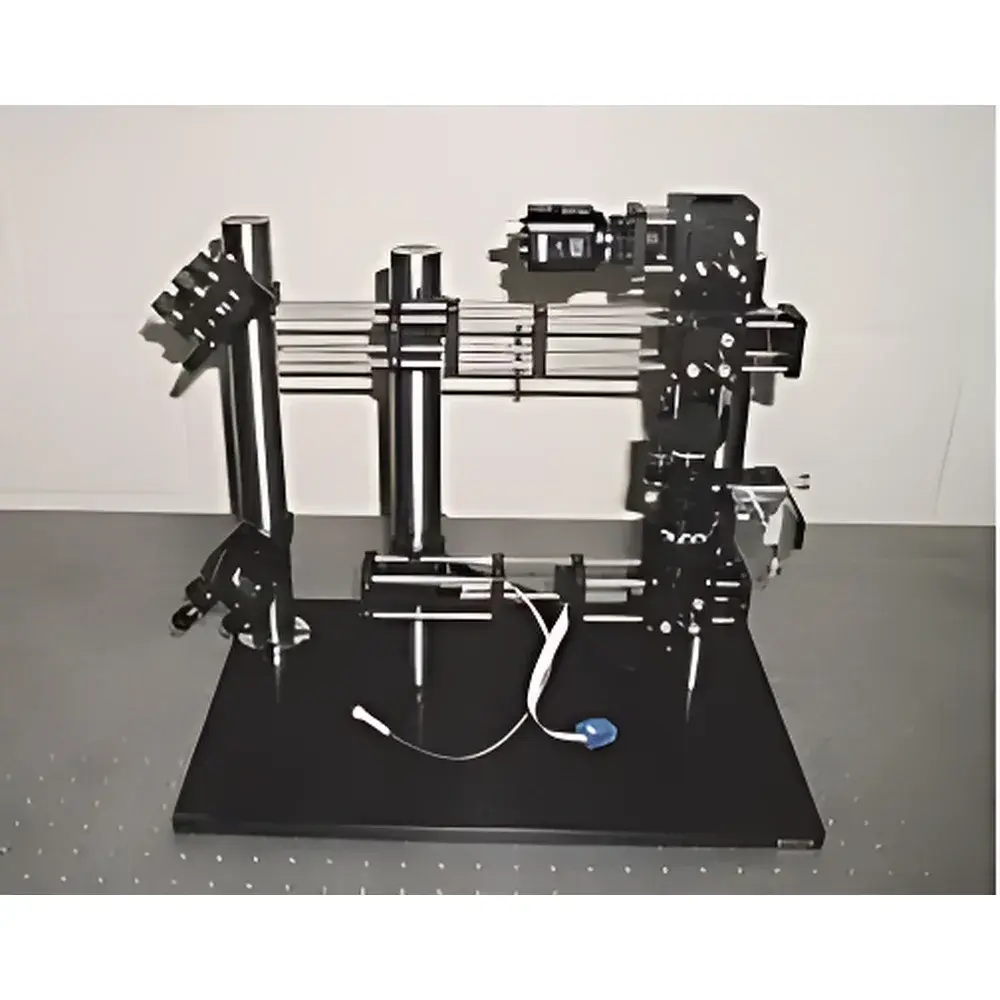
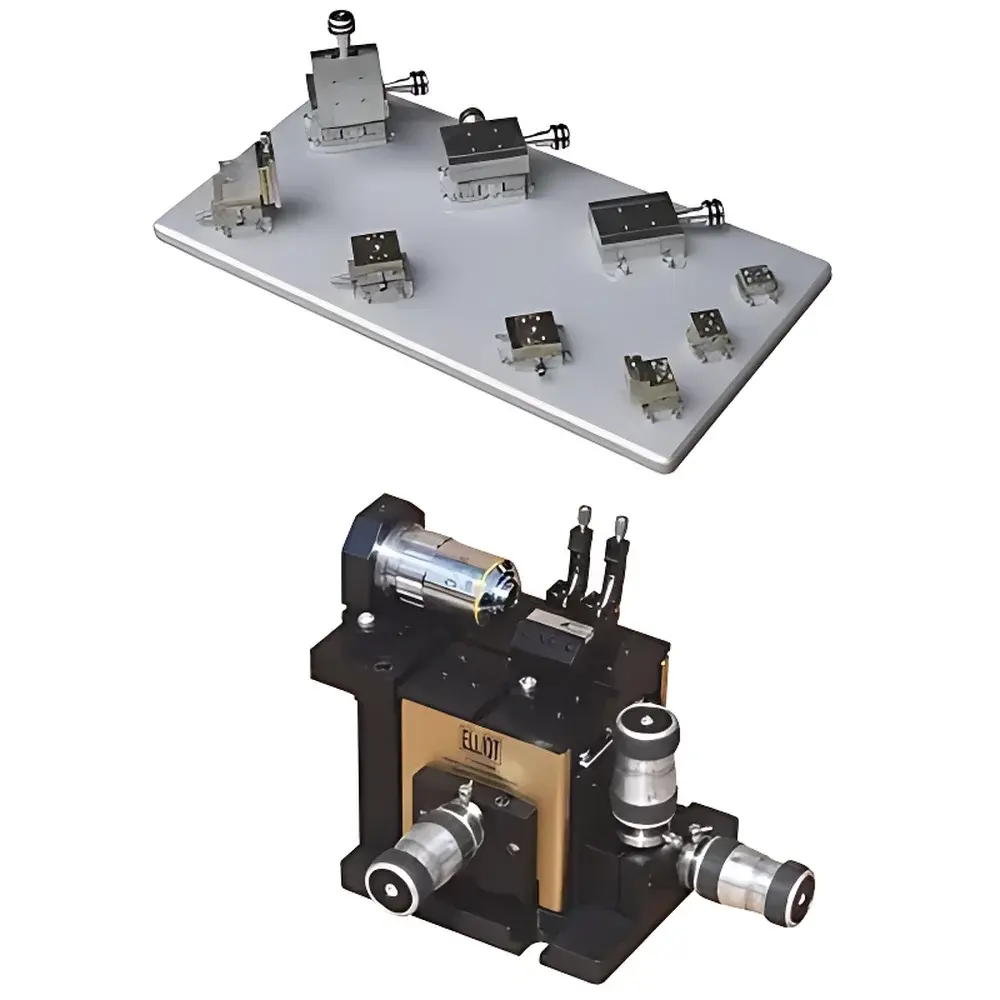
The Elliot Scientific E3500 Multi-Trap Optical Tweezers System is a high-precision, computer-controlled optical manipulation platform engineered for quantitative biophysics, soft matter research, and single-molecule force spectroscopy. Based on the principle of radiation pressure and gradient forces generated by tightly focused near-infrared (1070 nm) laser beams, the system enables non-contact, sub-piconewton force application and nanometre-resolution positional control of dielectric microspheres, cells, organelles, and biomolecular complexes. Unlike conventional mechanical probes, optical tweezers exert forces without physical contact—minimising surface perturbation and enabling long-duration, label-free observation under physiological conditions. The E3500 is designed as a modular upgrade solution, integrating seamlessly with commercial upright or inverted research-grade microscopes (e.g., Nikon Eclipse Ti, Olympus IX83, Zeiss Axio Observer), transforming them into fully functional optical trapping workstations compliant with quantitative microscopy standards.
Key Features
- Computer-controlled acousto-optic deflector (AOD) for real-time, diffraction-limited beam steering across XY plane—enabling dynamic reconfiguration of trap number, position, spacing, and geometry (linear arrays, circular traps, arbitrary patterns)
- Adjustable 1070 nm fibre laser with continuously variable power output (0–3 W at objective back aperture), optimised for low photodamage in live-cell applications
- Z-axis trapping via motorised focus stage with closed-loop piezoelectric feedback (±50 µm travel, 5 nm resolution), ensuring axial stability during force measurements
- Integrated high-speed CMOS camera (≥100 fps at full resolution) with hardware-triggered acquisition synchronised to AOD scanning and QPD sampling
- Graphical user interface (GUI) supporting mouse-driven trap placement, multi-trap grouping, trajectory logging, and real-time intensity mapping
- Modular architecture: supports standalone operation, microscope-integrated deployment, or hybrid configurations with external fluorescence excitation paths (e.g., 488/561/640 nm laser lines)
Sample Compatibility & Compliance
The E3500 accommodates a broad range of optically trapped specimens—including polystyrene and silica microspheres (0.5–10 µm), erythrocytes, bacteria (E. coli, B. subtilis), yeast, lipid vesicles, DNA-protein conjugates, and microtubule-kinesin assemblies. Trap stiffness calibration is traceable to thermal noise analysis (via power spectral density fitting of Brownian motion), satisfying ISO/IEC 17025 requirements for uncertainty quantification in force metrology. System configuration and software audit trails support GLP/GMP-aligned workflows; optional 21 CFR Part 11-compliant electronic signatures and data integrity modules are available upon request. All optical components comply with IEC 60825-1:2014 Class 4 laser safety standards, with interlocked enclosures and beam path containment certified by UKAS-accredited test laboratories.
Software & Data Management
Control and analysis are performed using Elliot’s proprietary TWEeZ software suite (v5.x), built on a deterministic real-time kernel for sub-millisecond latency between trap command and particle response. The software includes: automated particle detection and centroid tracking (sub-pixel accuracy via Gaussian fitting); trap stiffness calculation using equipartition and autocorrelation methods; simultaneous multi-particle trajectory export in HDF5 and CSV formats; time-synchronised logging of laser power, stage position, QPD signals, and camera frames. Raw data files embed metadata per FAIR principles (Findable, Accessible, Interoperable, Reusable), including instrument configuration, calibration parameters, and environmental timestamps. Export modules support direct integration with MATLAB, Python (NumPy/Pandas), and OriginLab for advanced statistical modelling and publication-ready figure generation.
Applications
- Single-molecule mechanics: unfolding kinetics of proteins (e.g., titin, fibronectin), DNA hairpin unzipping, RNA polymerase processivity assays
- Cellular mechanobiology: quantification of cytoskeletal recoil forces, membrane tether extraction, phagocytic cup formation dynamics
- Colloidal physics: measurement of pairwise interaction potentials, depletion forces in binary colloids, microrheology in viscoelastic hydrogels
- Microfluidic integration: particle sorting, concentration gradient mapping, and active mixing control in PDMS-based lab-on-chip devices
- Educational platforms: hands-on training in laser optics, statistical physics, and quantitative imaging—validated for undergraduate and graduate laboratory curricula (ASTM E2917-22 compliant pedagogy)
FAQ
Can the E3500 be integrated with my existing Nikon Ti2-E microscope?
Yes—the system includes custom-designed C-mount and infinity-corrected tube lens adapters, along with alignment fiducials and step-by-step integration protocols validated for major OEM platforms.
Is QPD-based force calibration traceable to SI units?
Yes—calibration relies on thermal fluctuation analysis (equipartition theorem) and is cross-verified against calibrated cantilever standards (e.g., BL-RC150VB-A, Olympus), with uncertainty budgets documented per EURAMET cg-20 guidelines.
Does the system support simultaneous fluorescence imaging and trapping?
Yes—dichroic mirrors and emission filters are provided for concurrent epifluorescence or TIRF imaging; laser combiners allow co-alignment of trapping and excitation beams with <1 µm lateral offset.
What is the minimum trap stiffness resolution achievable with E4100 + E4500 options?
Typical resolution is 0.005 pN/nm (1σ) for 1-µm beads in aqueous buffer at 25°C, limited by thermal noise floor and camera SNR—not instrument electronics.
Do you provide application support for grant proposal writing or method validation?
Yes—Elliot Scientific offers complimentary technical white papers, SOP templates, and peer-reviewed reference datasets aligned with Nature Methods, Biophysical Journal, and Optics Express reporting standards.



