
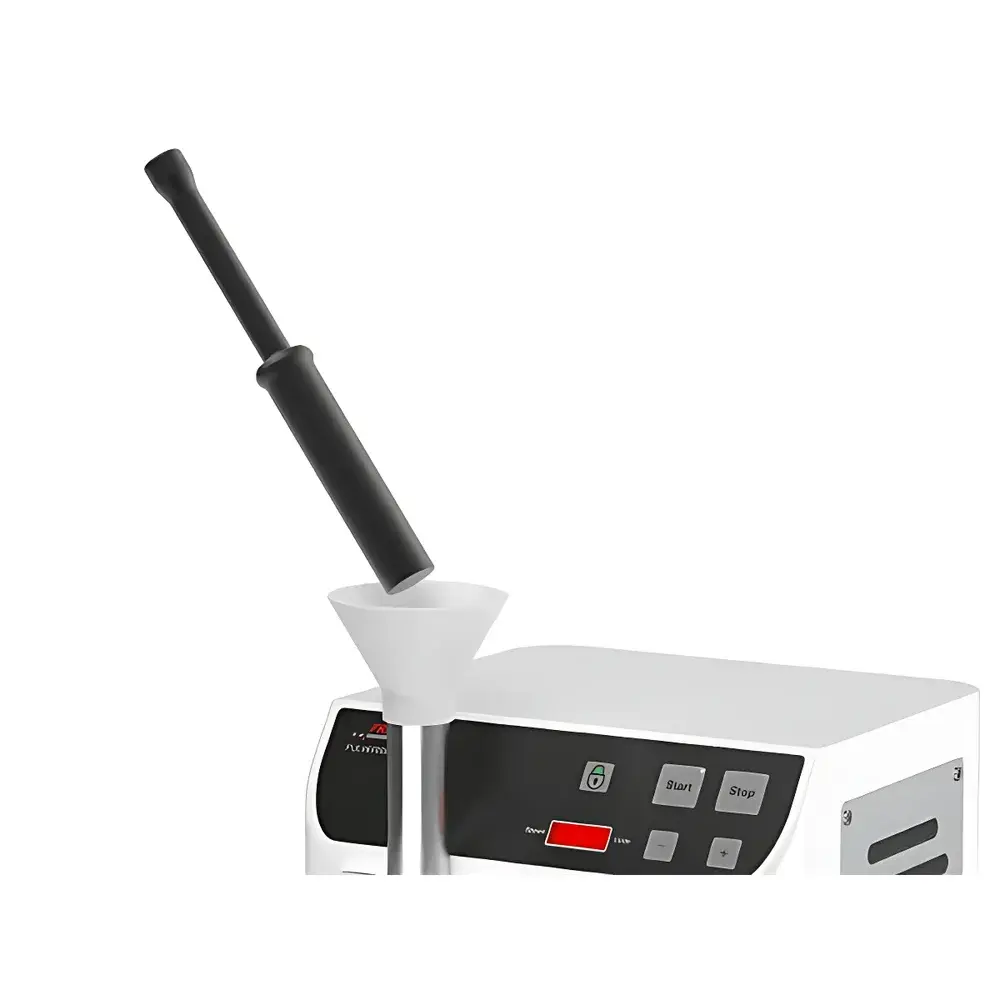
FRITSCH PULVERISETTE 29 Compact Cutting Mill
| Brand | FRITSCH |
|---|---|
| Origin | Germany |
| Manufacturer | FRITSCH GmbH |
| Product Type | Cutting Mill |
| Model | PULVERISETTE 29 |
| Sample Hardness | Suitable for hard and brittle materials |
| Maximum Feed Size | < 25 mm |
| Final Particle Size Range | 0.25–6 mm |
| Adjustable Rotational Speed | 500–6,000 rpm |
| Feed Capacity | Up to 100 mL |
| Cutting Frequency | Up to 48,000 cuts/min (4-blade rotor + fixed counter-cutting edges) |
| Compliance | CE-marked, designed per DIN EN 61000-6-2/-4 and DIN EN 61000-3-2/-3 |
Overview
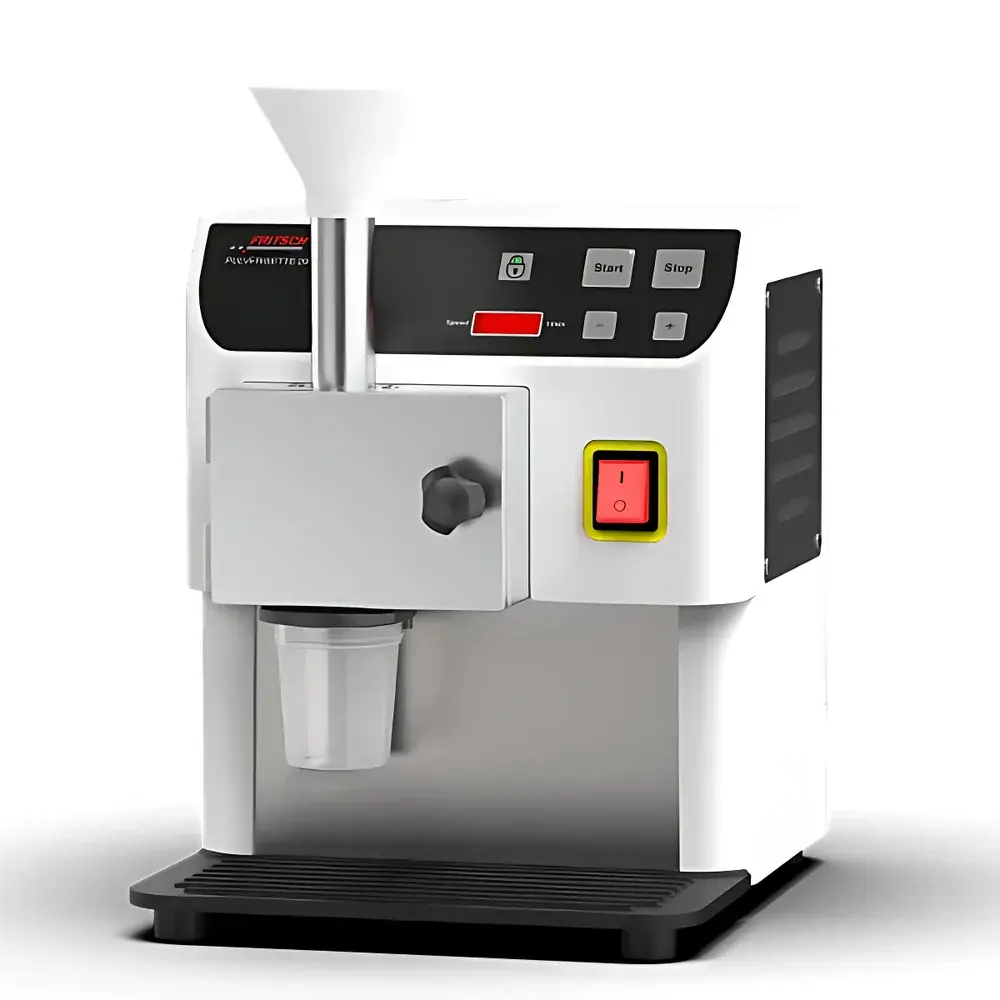
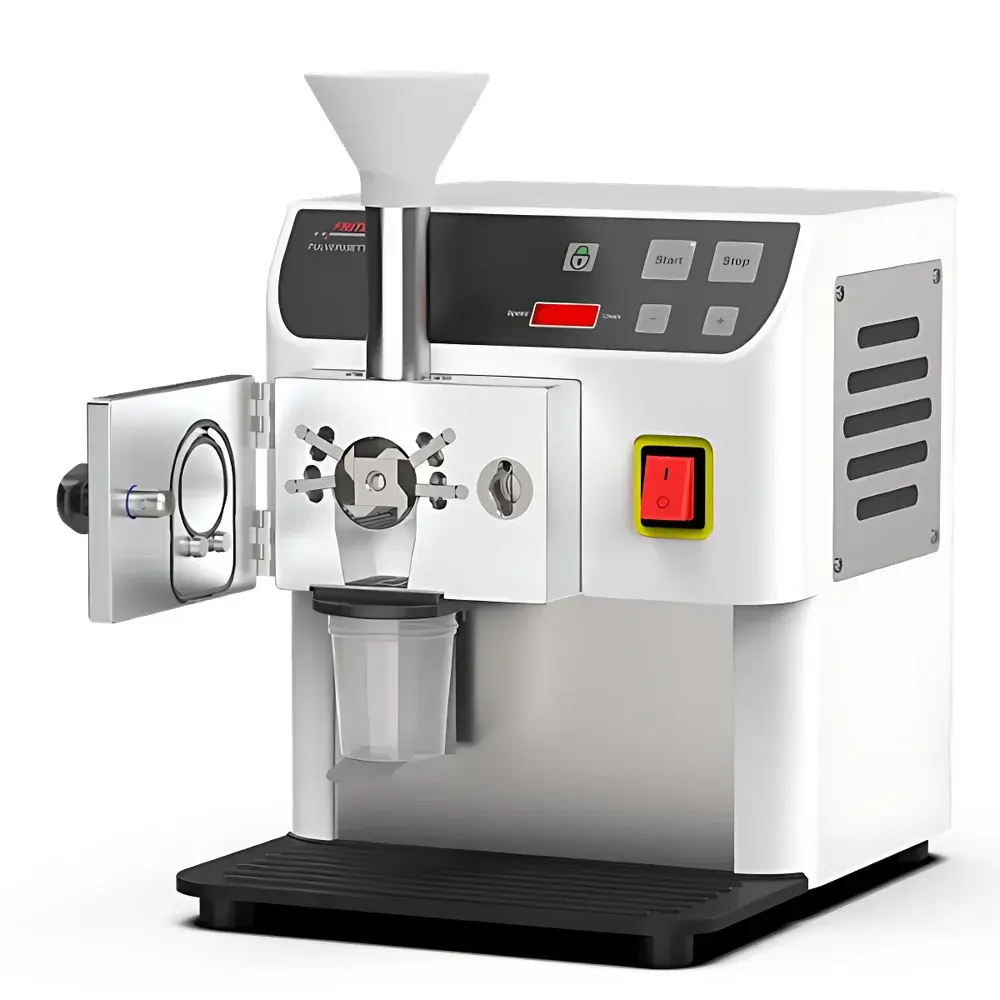
The FRITSCH PULVERISETTE 29 Compact Cutting Mill is an engineered solution for rapid, reproducible size reduction of hard, brittle, and fibrous materials in analytical and quality control laboratories. Based on the principle of high-speed mechanical cutting—utilizing a precisely balanced 4-edge rotating knife interacting with a fixed counter-cutting edge—the instrument achieves efficient particle size reduction through controlled shear and impact forces. Unlike rotor-stator mills relying primarily on impact or disc mills dependent on compression, the PULVERISETTE 29 operates via a deterministic cutting mechanism that minimizes thermal load and preserves sample integrity—particularly critical for moisture-sensitive, heat-labile, or hygroscopic specimens. Its compact footprint (< 300 × 300 × 400 mm) and low operational noise profile make it suitable for benchtop deployment in regulated environments including ISO/IEC 17025-accredited labs, pharmaceutical QC suites, and food safety testing facilities.
Key Features
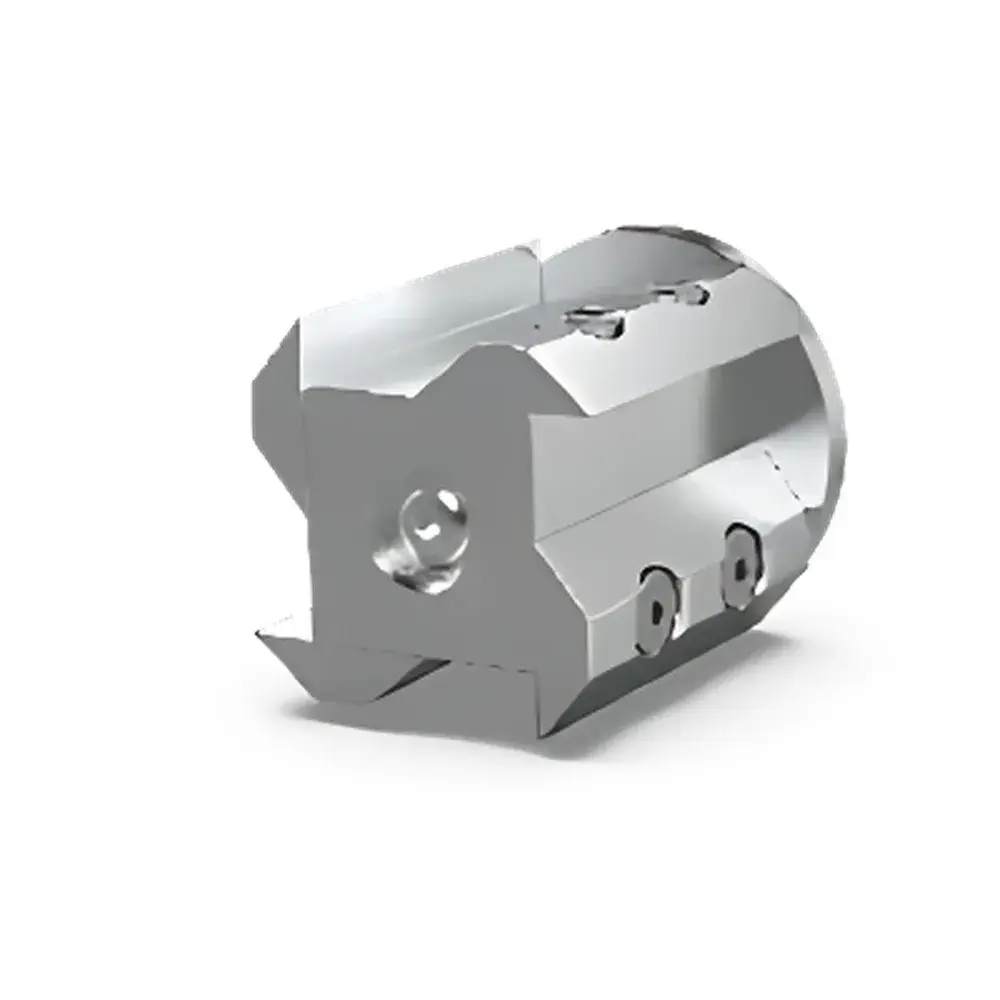
- High-precision cutting system featuring a hardened steel 4-blade rotor and adjustable fixed counter-cutting edge, delivering up to 48,000 effective cuts per minute at maximum speed
- Stepless rotational speed control (500–6,000 rpm) enables method optimization across diverse material classes—from cereal grains and polymer granules to dried plant tissue and pharmaceutical tablets
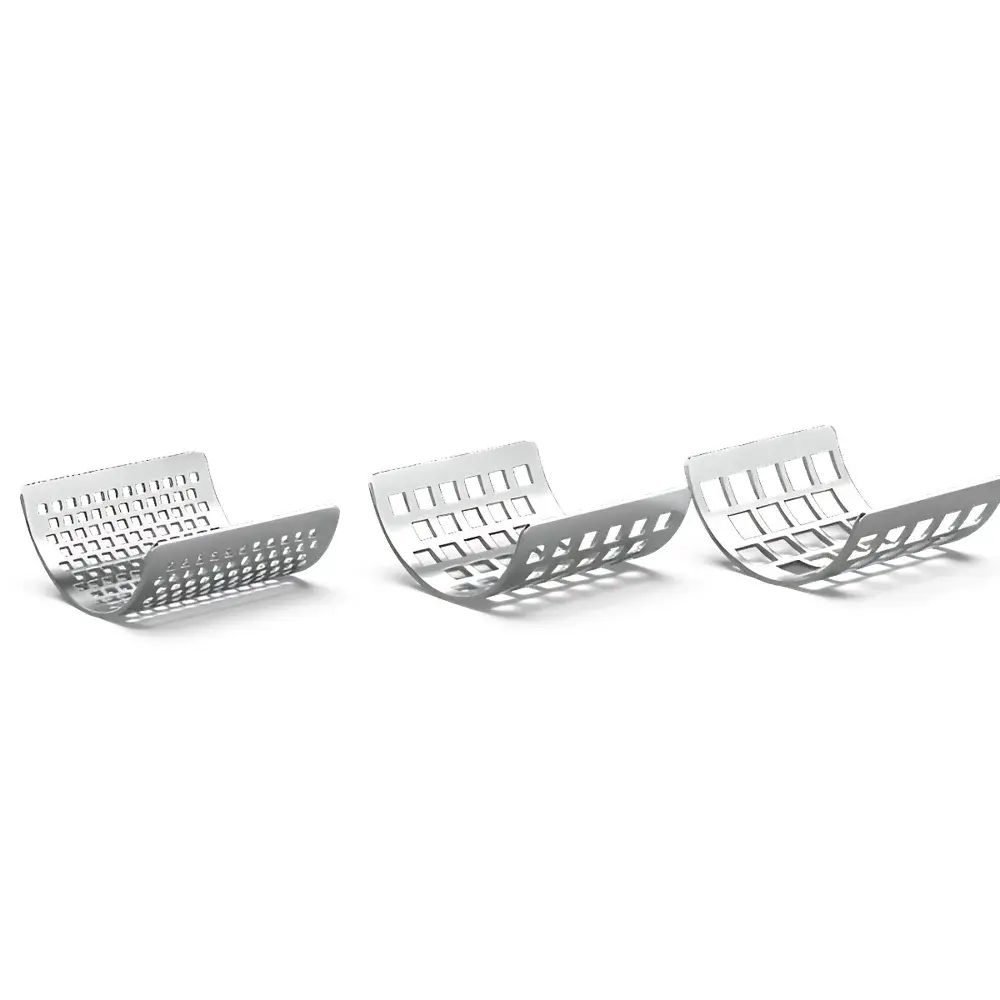
- Interchangeable stainless-steel sieve inserts with nominal aperture sizes ranging from 0.25 mm to 6.0 mm, each precisely laser-cut and certified for dimensional repeatability
- Integrated 100 mL feed chamber with ergonomic lid and safety interlock; fully accessible grinding chamber with tool-free disassembly for cleaning and maintenance
- Low-heat operation design ensures minimal temperature rise (< 5 °C under standard operating conditions), preserving moisture content and preventing volatile loss during comminution
- CE-compliant construction with electromagnetic compatibility (EMC) per DIN EN 61000-6-2/-4 and harmonic current emission limits per DIN EN 61000-3-2/-3
Sample Compatibility & Compliance
The PULVERISETTE 29 is validated for use with hard, semi-brittle, and fibrous samples including but not limited to: whole grains (wheat, barley, maize), seeds (soybean, rapeseed), dried botanicals, thermoplastics (PP, PE, ABS), pharmaceutical excipients, and mineral aggregates. It is routinely employed in preparation workflows compliant with ASTM D7420 (standard practice for sample preparation of solid biofuels), ISO 6497 (animal feeding stuffs — sampling), and AOAC 991.22 (moisture determination in feed). The mill’s non-oxidative cutting action and absence of grinding media eliminate cross-contamination risk—supporting GLP-compliant documentation requirements. All wetted parts are constructed from AISI 304 stainless steel, meeting FDA 21 CFR Part 11 traceability prerequisites when integrated with validated LIMS or ELN systems.
Software & Data Management
While the PULVERISETTE 29 operates via analog speed control (no embedded microprocessor), its mechanical architecture supports full integration into digital laboratory infrastructures. Optional accessories include a calibrated tachometer interface for RPM verification, time-stamped operation logs via external PLC linkage, and barcode-scanned sieve identification modules for audit-ready parameter tracking. When used in conjunction with FRITSCH’s optional LabSolutions™ workflow software (v3.2+), users can archive grinding protocols—including speed, duration, sieve ID, and batch number—with electronic signatures and 21 CFR Part 11–compliant audit trails. Raw data export (CSV/Excel) facilitates statistical process control (SPC) analysis per ISO 13528 and method validation per ICH Q2(R2).
Applications
- Preparation of homogenized subsamples for near-infrared (NIR) spectroscopy calibration—especially for moisture, protein, and starch quantification in cereals and legumes
- Particle size conditioning prior to ash content determination (AOAC 942.05, ISO 2171) and acid detergent fiber (ADF) analysis (AOAC 973.18)
- Routine comminution of pharmaceutical tablet blends prior to HPLC assay or dissolution testing
- Standardized size reduction of plastic recyclates for FTIR identification and MFI (melt flow index) sample conditioning
- Homogenization of dried botanical matrices for heavy metal screening (ICP-MS) and pesticide residue extraction (QuEChERS)
FAQ
What types of materials are compatible with the PULVERISETTE 29?
Hard, brittle, and moderately fibrous solids with initial particle size < 25 mm—including grains, seeds, polymers, dried herbs, and pharmaceutical tablets. Not recommended for elastomers, sticky resins, or highly abrasive ceramics.
Can the PULVERISETTE 29 be used for moisture-preserving sample preparation?
Yes. Its low-thermal-load cutting mechanism avoids significant temperature elevation, enabling direct post-milling moisture analysis without pre-drying—critical for compliance with ISO 6496 and AOAC 934.01.
How is method reproducibility ensured across different operators?
Through standardized sieve selection, fixed rotational speed settings, and documented feed mass (≤100 mL); combined with optional digital RPM logging and electronic protocol archiving, it meets ISO/IEC 17025 clause 7.2.2 for method consistency.
Is routine maintenance required beyond cleaning?
Yes. Annual inspection of rotor balance, blade edge wear (via optical comparator), and drive belt tension is recommended. FRITSCH provides certified service kits and traceable calibration certificates for replacement sieves and cutting assemblies.
Does the instrument support regulatory audits under GMP or GLP frameworks?
When operated with documented SOPs, calibrated accessories, and electronic record-keeping (e.g., via LabSolutions™), the PULVERISETTE 29 satisfies key elements of EU GMP Annex 11 and OECD GLP Principles, particularly regarding equipment qualification (IQ/OQ) and data integrity.



