
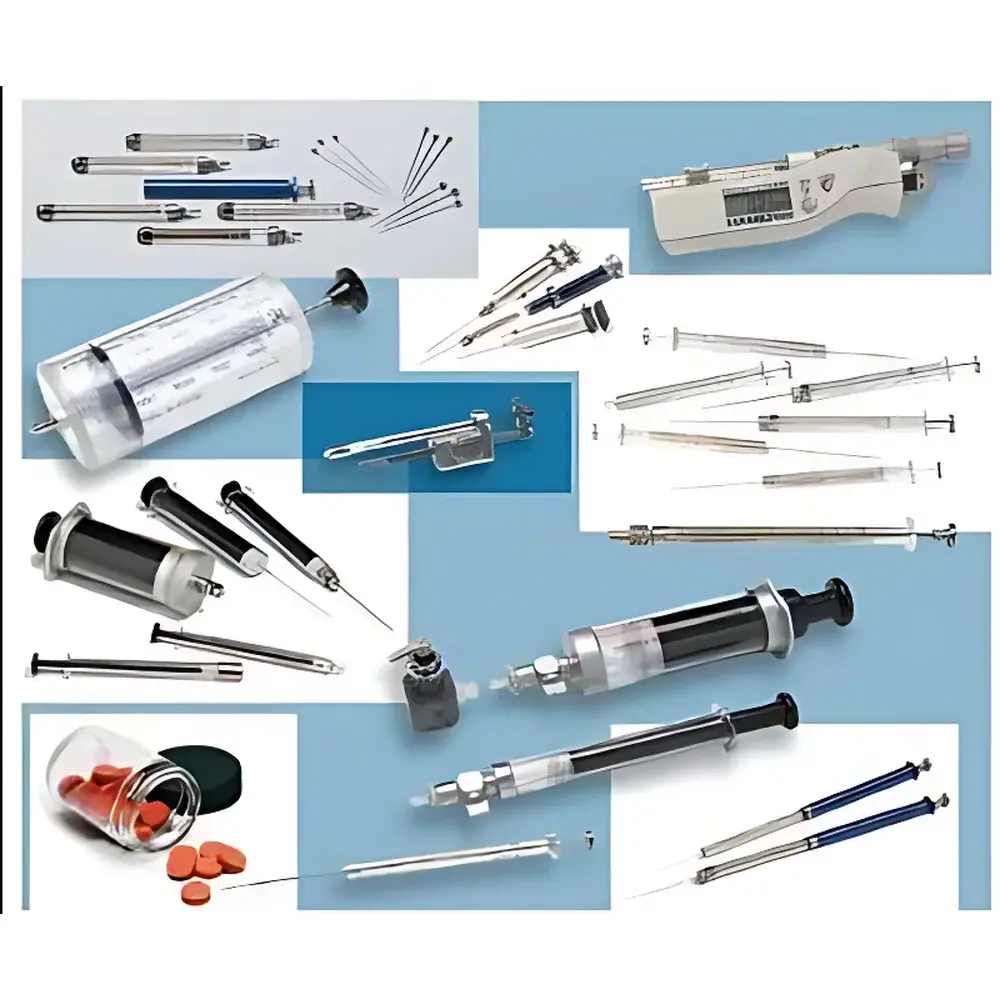
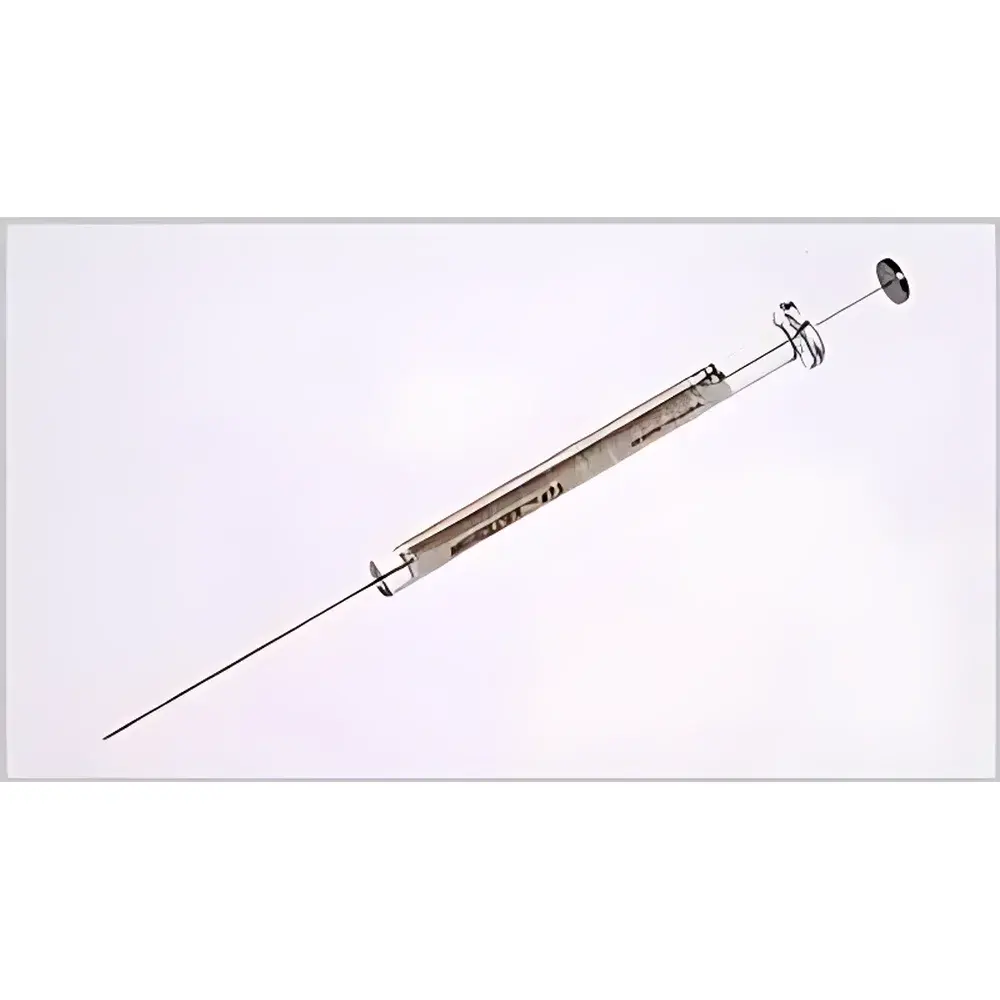
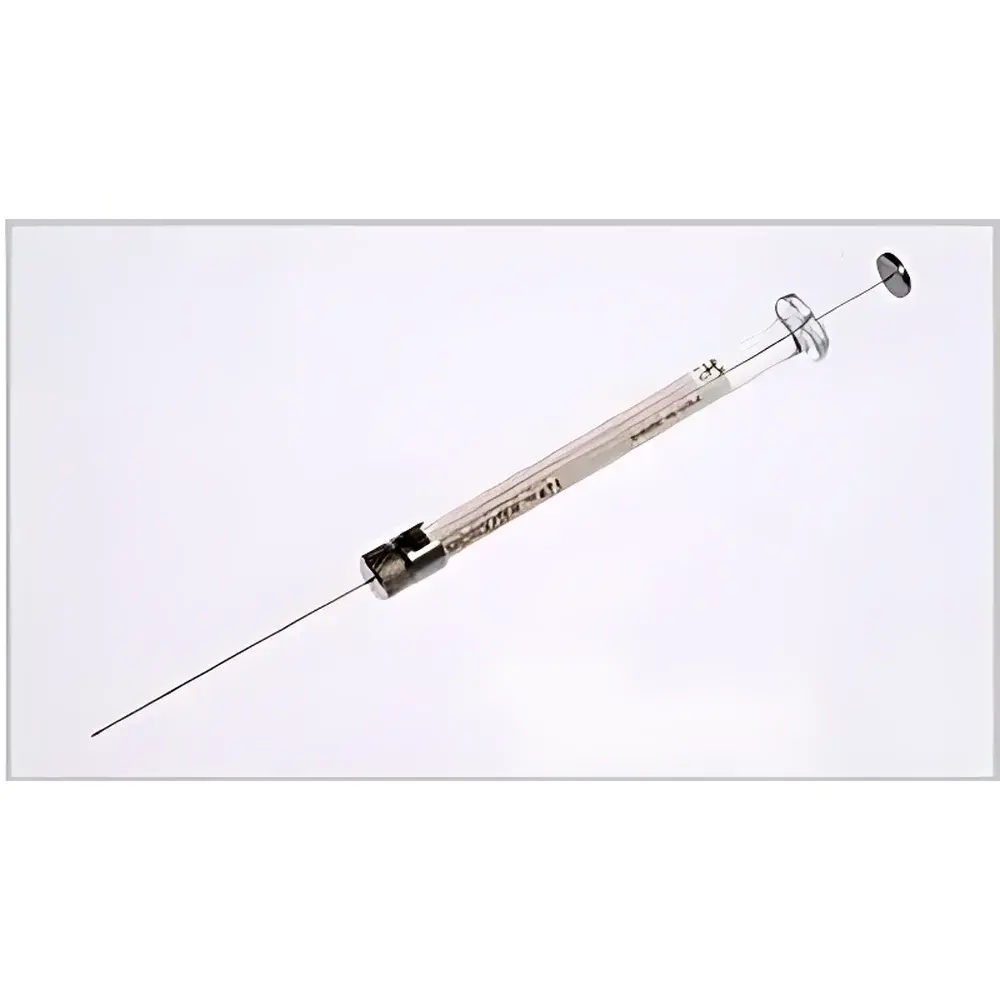
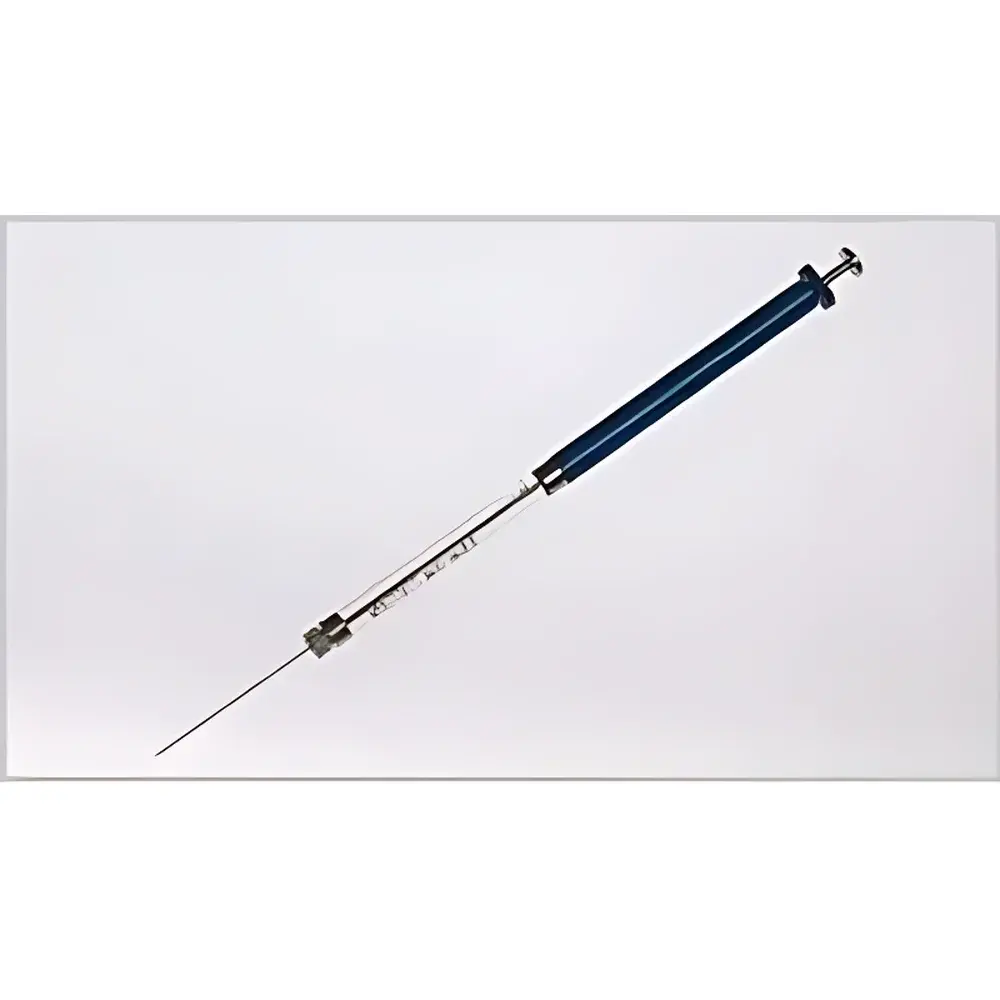
Hamilton 600 Series Microsyringes for Animal Microinjection (0.5 µL–5 µL, Customizable Needle Tips)
| Brand | HAMILTON |
|---|---|
| Origin | Switzerland |
| Model Range | 0.5 µL to 5 µL (custom needle tip geometry) |
| Certification | EN ISO 9001 / EN 46001 |
| Accuracy | ±1% of nominal volume |
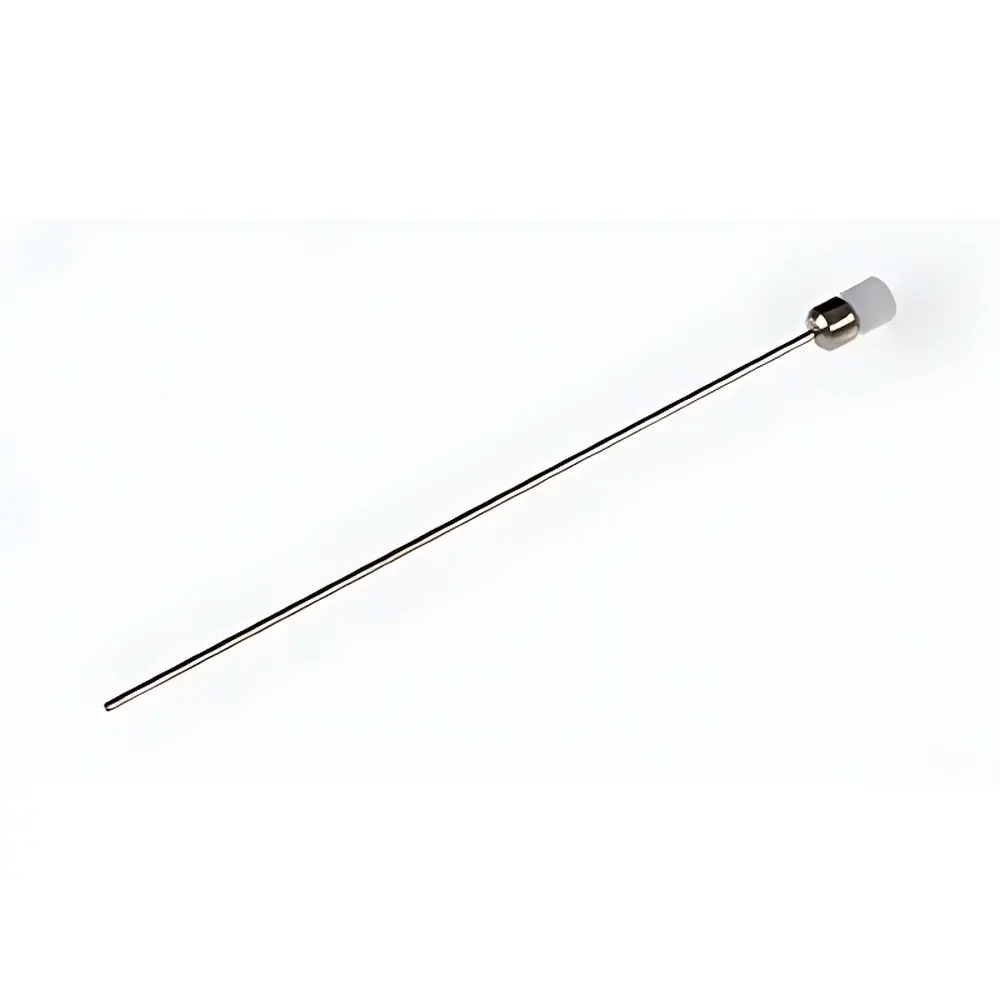
| Needle Configurations | PST4 tip geometry (12°, 30°, 45° bevel angles), 33G–36G gauges, length and taper customizable per anatomical target |
Overview
The Hamilton 600 Series Microsyringes are precision-engineered manual microinjection devices designed explicitly for stereotactic and intracranial, intraspinal, intracorneal, and other high-fidelity in vivo applications in preclinical rodent models (e.g., mice, rats, rabbits). Based on Hamilton’s proprietary glass-barrel + stainless-steel plunger architecture, the 600 Series employs a reinforced needle hub and thick-walled syringe barrel to eliminate column buckling during low-volume (<5 µL) actuation—a common failure mode in standard microsyringes. Its measurement principle relies on volumetric displacement calibrated against NIST-traceable standards, with piston travel linearly correlated to dispensed volume under controlled ambient conditions (20–25°C, 40–60% RH). The system is not motorized or automated; instead, it delivers deterministic manual control essential for real-time physiological feedback during neural or ocular injection procedures.
Key Features
- Volume range: 0.5 µL to 5 µL—engineered for sub-microliter reproducibility in deep-tissue microinjection
- PST4 needle tip geometry: Fully customizable bevel angle (12°, 30°, or 45°), length, and gauge (33G–36G) to match anatomical access constraints (e.g., corneal epithelium preservation requires 33G/12°; intracerebroventricular delivery may require 34G/30°)
- Reinforced barrel design: Prevents bending or kinking of the plunger rod during fine-force manipulation—critical for maintaining calibration integrity over >10,000 actuations
- Interchangeable needle mount: Luer-lock or fixed-needle configurations available; no permanent bonding ensures replacement flexibility without compromising seal integrity
- Material compatibility: Borosilicate glass barrel (Class A volumetric tolerance), PTFE-coated stainless-steel plunger, and chemically inert needle alloys suitable for aqueous, organic, and mildly corrosive solutions (pH 2–12)
- Calibration traceability: Each syringe is individually tested and certified to ±1% accuracy per EN ISO 8537, with documentation compliant with GLP audit requirements
Sample Compatibility & Compliance
Hamilton 600 Series syringes are routinely deployed in IACUC-approved protocols involving neuropharmacology, optogenetics vector delivery, CRISPR-Cas9 RNP complexes, and ophthalmic drug evaluation. They meet functional requirements for ASTM D3418 (viscosity-independent fluid handling), ISO 8537 (syringe performance specifications), and USP (analytical instrument qualification for manual liquid handlers). While not FDA-cleared as a medical device, the series conforms to ISO 13485 manufacturing controls and supports 21 CFR Part 11-compliant data recording when paired with validated electronic lab notebooks (ELNs) or audit-trail-enabled microinjection rigs. Needle sterility is achieved via autoclaving (121°C, 15 psi, 20 min) or ethylene oxide treatment—validated per ISO 11135.
Software & Data Management
As a manually operated instrument, the 600 Series does not incorporate embedded firmware or native software interfaces. However, its mechanical consistency enables seamless integration into digitally documented workflows: plunger position can be tracked using external optical encoders or motorized micromanipulator controllers (e.g., Scientifica PatchStar, Narishige MO-10); injection volume logs are captured via timestamped entries in ELNs (e.g., LabArchives, Benchling) or LIMS platforms. Hamilton provides downloadable calibration certificates with unique serial-numbered traceability, supporting full audit readiness for regulatory submissions (IND, IMPD, preclinical study reports).
Applications
- Intracerebral microinjection of adeno-associated virus (AAV) vectors into mouse hippocampus (target depth: 2.5 mm; recommended: 34G PST4, 30° bevel, 15 mm length)
- Intracorneal delivery of anti-angiogenic agents in rabbit models—33G/12° needles minimize epithelial disruption and reduce post-injection inflammation scores by ≥40% versus conventional 30G tips
- Intrathecal administration in rat spinal cord injury studies, where needle stiffness and tip sharpness directly impact dural puncture success rate (>92% first-pass success with 35G PST4, 45°)
- Microvolume sampling from embryonic zebrafish brain ventricles (≤0.8 µL aspiration capacity)
- Calibration standard for validating automated liquid handlers in GLP-compliant toxicokinetic labs
FAQ
What is the minimum reliable dispensing volume for the 600 Series?
The 600 Series achieves repeatable delivery down to 0.5 µL with ≤3% CV (n=10) when used with trained operators and temperature-stabilized samples. Volumes below 0.3 µL are not recommended due to surface tension and meniscus variability.
Can PST4 needles be autoclaved multiple times without degradation?
Yes—PST4 stainless-steel needles retain dimensional stability and sharpness after ≥20 autoclave cycles (121°C, 15 psi). Tip geometry verification is advised every 10 cycles using optical profilometry.
Is cross-contamination risk mitigated between syringe barrels and plungers?
No—barrels and plungers are serially matched during manufacturing and must not be interchanged. Mismatch introduces volumetric drift exceeding ±5%, violating ISO 8537 compliance.
Do Hamilton microsyringes comply with EU Medical Device Regulation (MDR 2017/745)?
No—they are classified as laboratory instruments under Annex XVI and fall outside MDR scope; however, they support MDR-aligned preclinical data generation per ISO 14155.
How is needle bevel angle verified post-customization?
Each custom PST4 needle undergoes scanning electron microscopy (SEM) imaging and angular metrology per ISO 5725-2, with certification included in the delivery dossier.
Related Products





