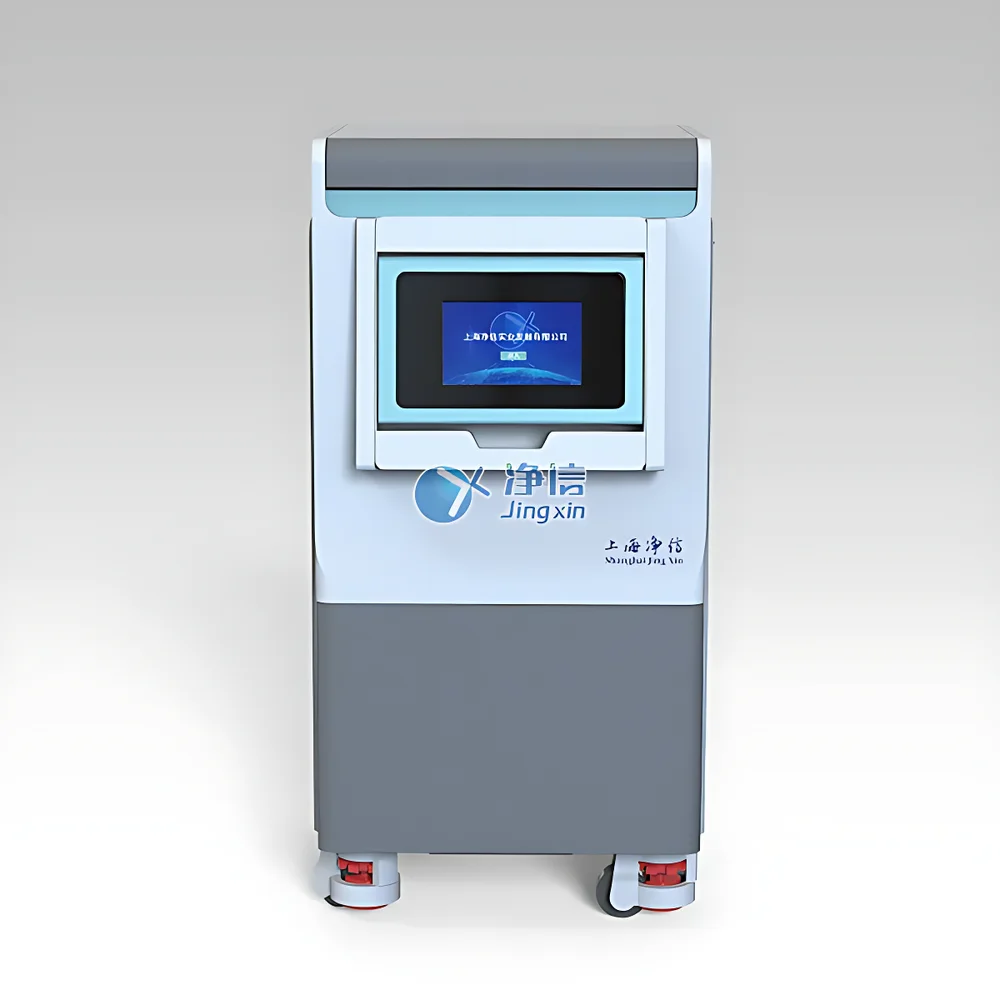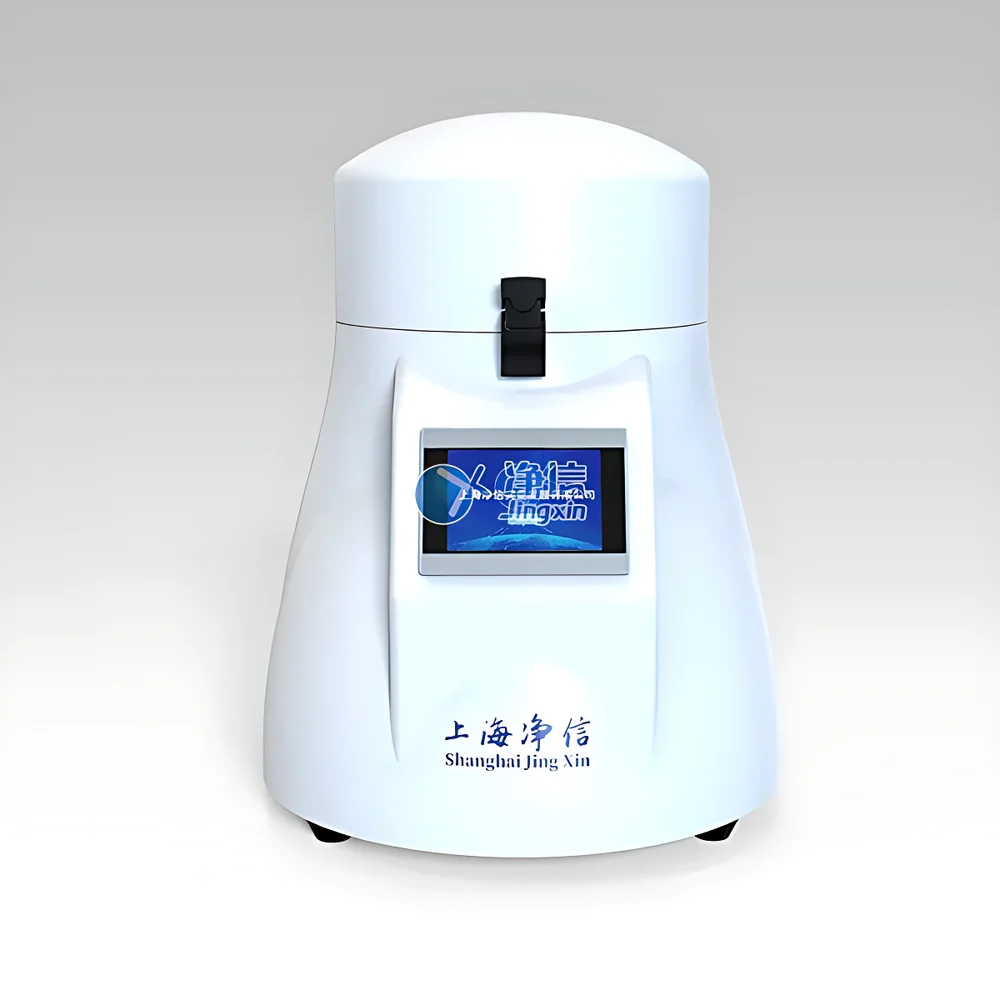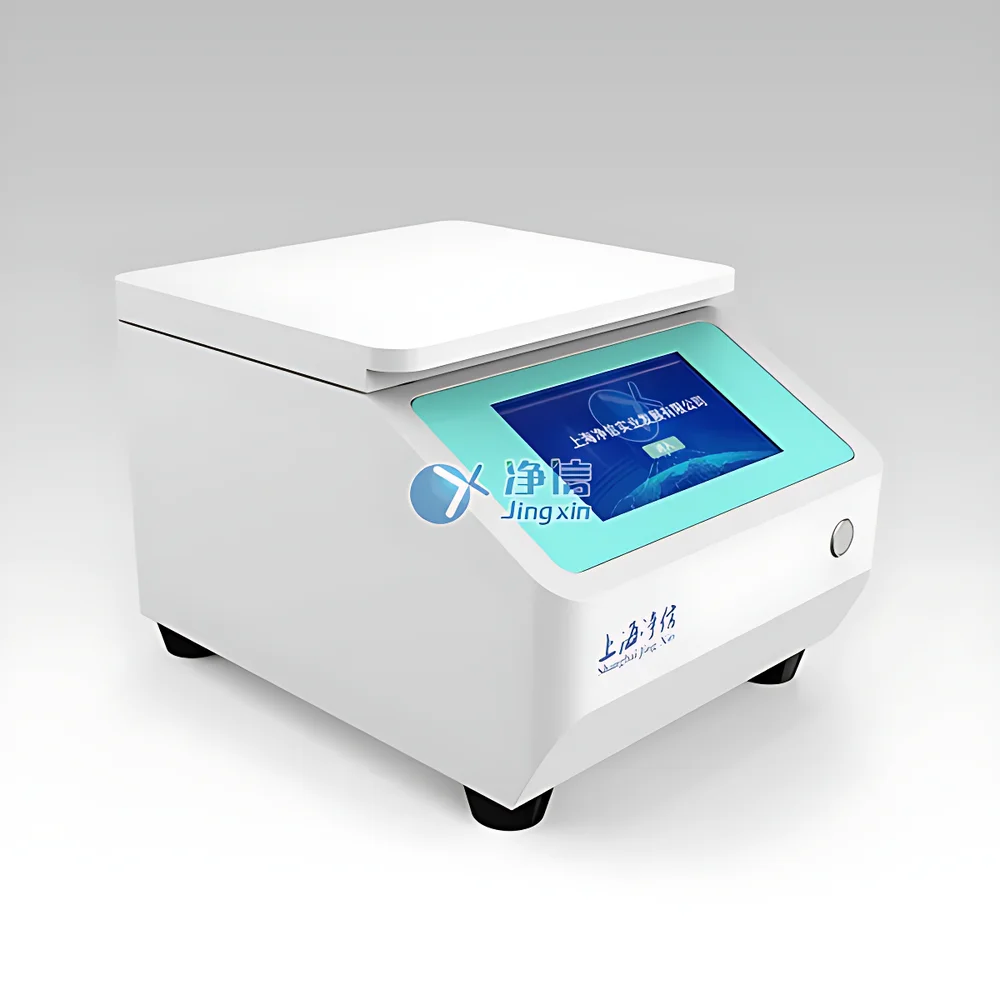
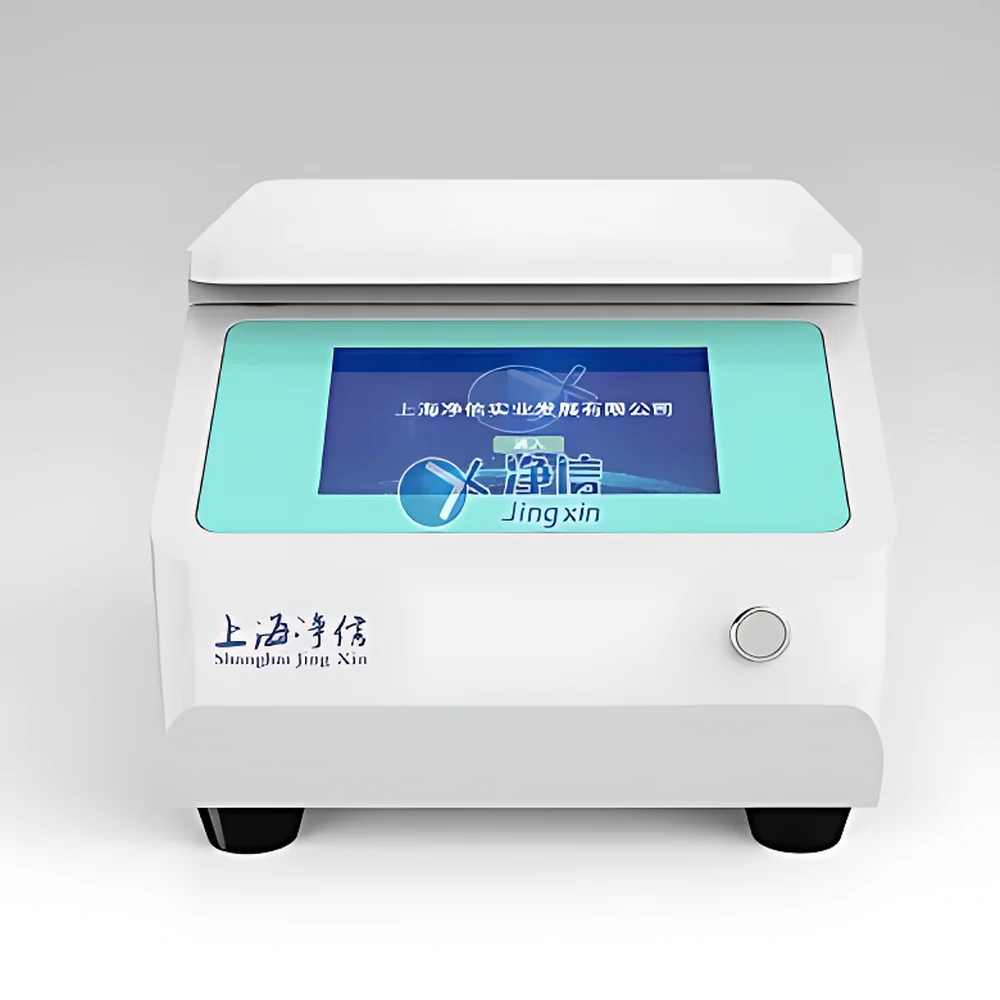
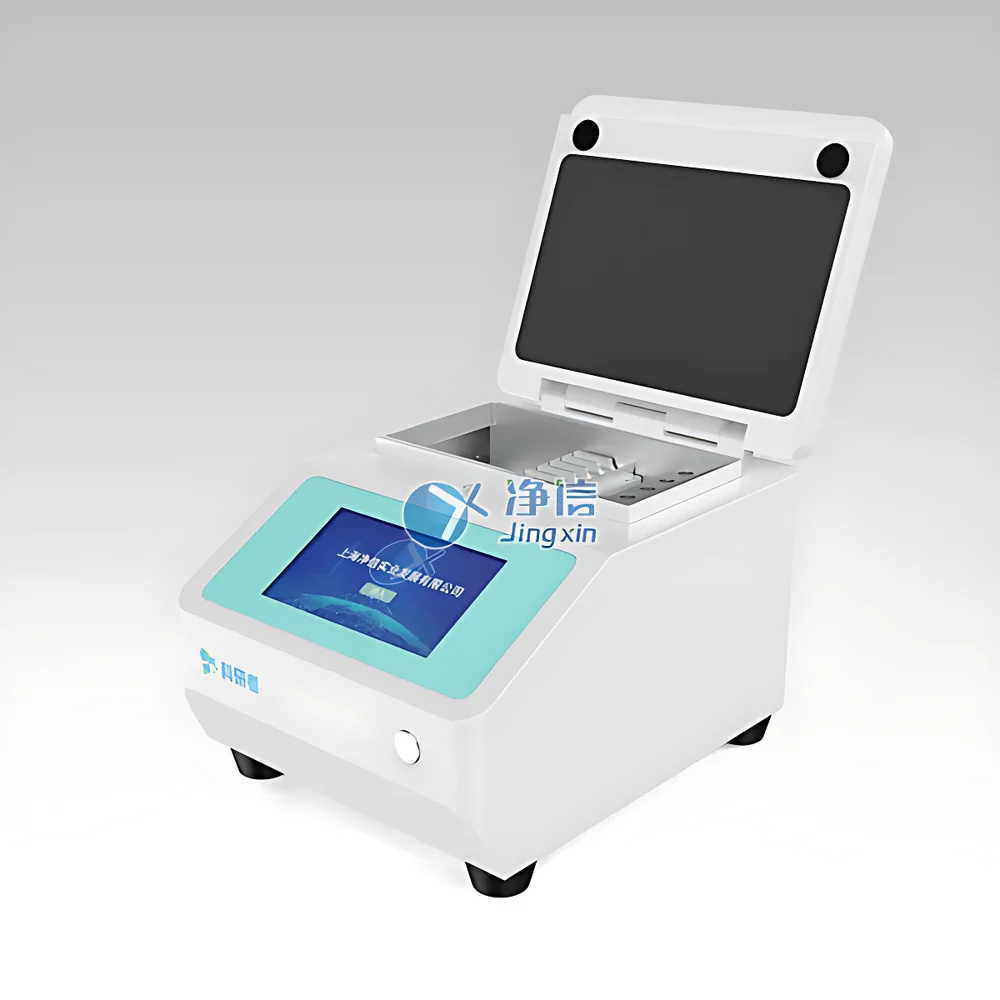
Jingxin JX-CKSM-4WK 4-Channel Temperature-Controlled Single-Cell Suspension Preparation System

| Brand | Jingxin (Shanghai Jingxin Scientific Instrument Co., Ltd.) |
|---|---|
| Origin | Shanghai, China |
| Manufacturer Type | Direct Manufacturer |
| Product Category | Domestic |
| Model | JX-CKSM-4WK |
| Sample Capacity | 4 × 2 mL or 2 × 5 mL |
| Temperature Control Range | 22–56 °C (adjustable) |
| Rotational Speed | 0–4000 rpm |
| Processing Time | 20–300 min |
| Predefined Protocols | 6 (upgradable) |
| Noise Level | <50 dB(A) |
| Sample Mass Range | 5–1000 mg |
| Repeatability | High inter-run consistency under identical protocol conditions |
| Safety Features | Electromagnetic lid lock, tool-free maintenance design, CNC-machined aluminum alloy chamber |
Ask about pricing, availability and specifications.
Overview
The Jingxin JX-CKSM-4WK is a benchtop, 4-channel temperature-controlled single-cell suspension preparation system engineered for reproducible, high-viability dissociation of fresh or cryopreserved mammalian tissues. It operates on the principle of concurrent enzymatic digestion and mechanical shear disruption—leveraging high-density zirconia magnetic beads rotated within thermally stabilized metal-bath wells. This dual-mode action enables rapid, uniform tissue disaggregation while preserving membrane integrity and metabolic activity. Unlike traditional manual or vortex-based methods, the JX-CKSM-4WK maintains precise thermal homogeneity across all channels throughout the entire process (±0.3 °C), minimizing thermal shock and protease denaturation. Designed in alignment with DIN 58940-1 guidelines for laboratory equipment safety and performance, it supports GLP-compliant workflows in translational research laboratories where sample traceability, operator safety, and inter-laboratory reproducibility are critical.
Key Features
- Four independent temperature-regulated channels: Enables parallel processing of up to four distinct samples (e.g., tumor/normal pairs, dose-response cohorts) under identical or individually programmed conditions (22–56 °C).
- Programmable shear-integrated digestion: Adjustable rotational speed (0–4000 rpm) synchronized with real-time temperature feedback ensures optimal enzyme kinetics and mechanical yield across heterogeneous tissue types—including fibrous, fatty, and necrotic specimens.
- Pre-validated, upgradable protocol library: Six factory-loaded dissociation programs optimized for human/murine solid tumors, spleen, lung, brain, and cardiac tissue; user-customizable via USB interface with audit-trail logging.
- Low-noise, maintenance-optimized architecture: <50 dB(A) acoustic emission during operation; electromagnetic lid interlock prevents accidental opening; fully sealed CNC-machined aluminum chamber resists corrosion and facilitates decontamination between runs.
- Scalable input compatibility: Accepts tissue masses from 5 mg (e.g., needle biopsies) to 1000 mg (bulk resections); accommodates standard microcentrifuge tubes (2 mL) and conical tubes (5 mL) without adapters.
Sample Compatibility & Compliance
The JX-CKSM-4WK demonstrates consistent performance across primary human and murine tissues—including carcinoma, sarcoma, lymphoid organs, neural parenchyma, and vascular tissue—achieving ≥90% single-cell yield and ≥85% viability (measured by Trypan Blue exclusion and flow cytometric Annexin V/7-AAD staining). Its closed-tube processing minimizes aerosol generation and cross-contamination risk, supporting biosafety level 2 (BSL-2) compliance. The system’s firmware adheres to IEC 61000-6-2/6-4 EMC standards and meets CE marking requirements for in vitro diagnostic (IVD) ancillary equipment. While not an IVD device per se, its output suspensions are validated for downstream use in FDA-cleared assays (e.g., 10x Genomics Chromium, BD Rhapsody, IsoPlexis IFN-γ ELISpot) and meet ISO 13485-aligned documentation standards for clinical trial sample prep.
Software & Data Management
Control is managed via an embedded touchscreen interface with password-protected user roles (Operator, Supervisor, Administrator). All run parameters—including temperature setpoint, rpm profile, duration, and protocol ID—are automatically timestamped and stored locally (internal 8 GB flash memory). Exportable CSV logs include start/end times, thermal deviation history, and motor load diagnostics—facilitating 21 CFR Part 11–compliant electronic records when integrated with LIMS platforms via RS-232 or optional Ethernet module. Audit trails record user logins, parameter changes, and emergency stops with immutable timestamps, satisfying GLP/GMP data integrity requirements for preclinical and clinical biomarker development.
Applications
- High-fidelity single-cell RNA-seq library preparation from low-input biopsies (≥10⁴ viable cells per run)
- Rapid generation of live cell suspensions for multicolor flow cytometry (including surface marker profiling and intracellular cytokine staining)
- Preparation of feeder-layer–free primary cultures for CAR-T expansion and organoid derivation
- Standardized dissociation of matched tumor/normal pairs in immuno-oncology biomarker discovery
- Processing of archived FFPE-adjacent fresh tissue for spatial transcriptomics correlation studies
FAQ
What tissue types have been empirically validated on this system?
Human and murine solid tumors (melanoma, NSCLC, CRC), spleen, thymus, lung, heart, brain, and kidney—across both fresh and thawed cryopreserved specimens.
Can the system be used with commercial enzyme kits (e.g., Miltenyi Tumor Dissociation Kit)?
Yes—the JX-CKSM-4WK is compatible with all major vendor-supplied enzymatic cocktails; no reagent modification is required.
Is sterilization of the chamber possible between runs?
The CNC aluminum chamber and stainless steel bead carriers tolerate 70% ethanol wipe-down, UV-C irradiation (254 nm, 30 min), and autoclaving at 121 °C for 20 minutes.
Does the instrument support remote monitoring or integration with lab automation systems?
Optional Ethernet connectivity enables SNMP-based status polling and scheduled run initiation via external scheduling software; robotic arm integration requires third-party gripper calibration.
How is temperature uniformity verified across all four wells?
Each channel features an independent PT100 sensor calibrated against NIST-traceable dry-block references; validation reports are provided with each unit shipment.