
Labotery XJT Series Graphite Block Digestion System
| Brand | Labotery |
|---|---|
| Origin | Tianjin, China |
| Model | XJT16-20 / XJT20-20 / XJT40-20 / XJS60-24 / XJS20-42 / XJS40-42 |
| Heating Method | High-Purity Graphite Block with PTFE Coating |
| Max Temperature | 220 °C / 260 °C / 450 °C |
| Temperature Resolution | 0.1 °C |
| Temperature Control Accuracy | ±0.2 °C |
| Inter-hole Uniformity | ±1.5 °C |
| Sample Capacity | 20×100 mL / 40×50 mL / 60×50 mL / 20×100 mL / 40×50 mL |
| Heating Power | 1800–3000 W |
| Control System | 30-Step Programmable LCD Controller with PID Auto-Tuning |
| Safety Features | Over-Temperature Alarm, Acid-Resistant Modular Design, Reflux Venting |
| Compliance | Designed for EPA 3010a, 3050b, 3060 |
Overview
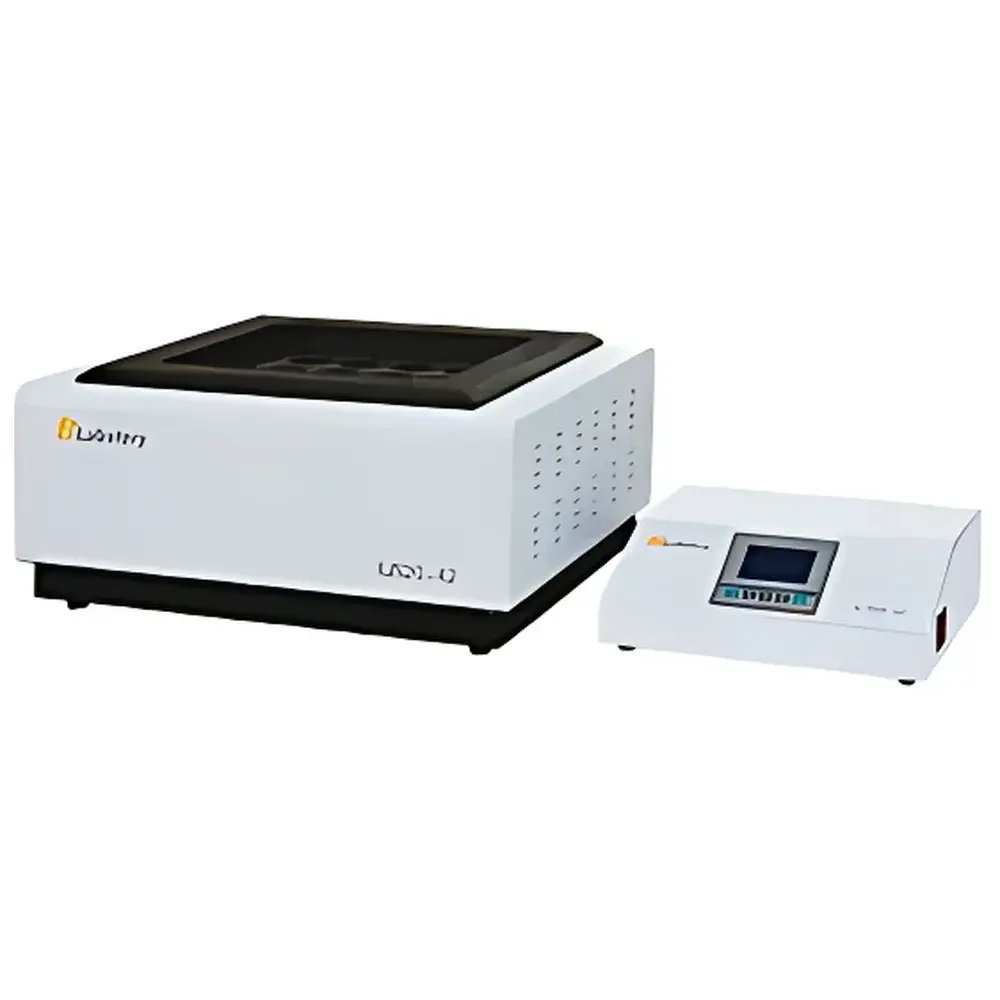
The Labotery XJT Series Graphite Block Digestion System is a fully automated, high-precision sample preparation instrument engineered for open-vessel wet digestion in environmental, food safety, clinical, geological, and industrial testing laboratories. It operates on the principle of conductive heating via a monolithic high-purity graphite block—uniformly coated with chemically inert polytetrafluoroethylene (PTFE)—to deliver consistent thermal energy across all digestion positions. Unlike ceramic or metal-heated units, graphite provides superior thermal mass, low thermal gradient, and exceptional resistance to aggressive reagents including concentrated HNO₃, HCl, HF, and H₂O₂ under reflux conditions. The system supports both standard and elevated-temperature digestion protocols up to 450 °C, enabling complete mineralization of recalcitrant matrices such as silicates, polymers, and biological tissues. Its modular architecture separates the corrosion-prone heating module from the electronic control unit—minimizing acid vapor exposure to critical circuitry and extending service life in high-acid throughput environments.
Key Features
- Monolithic high-purity graphite heating block with electropolished PTFE coating for maximum chemical inertness and thermal stability
- 30-segment programmable temperature ramping with independent control of ramp rate, hold time, and final temperature per step
- PID auto-tuning algorithm ensures dynamic response to load changes and maintains inter-hole temperature uniformity within ±1.5 °C at full capacity
- Reflux vent design reduces acid consumption by up to 50% compared to conventional open-vessel digestion—lowering operational cost and fume hood load
- Integrated over-temperature cutoff and audible/visual alarm system compliant with IEC 61010-1 safety requirements
- Modular construction isolates electronics from corrosive vapors—control panel and heating block are physically decoupled and sealed to IP54 rating
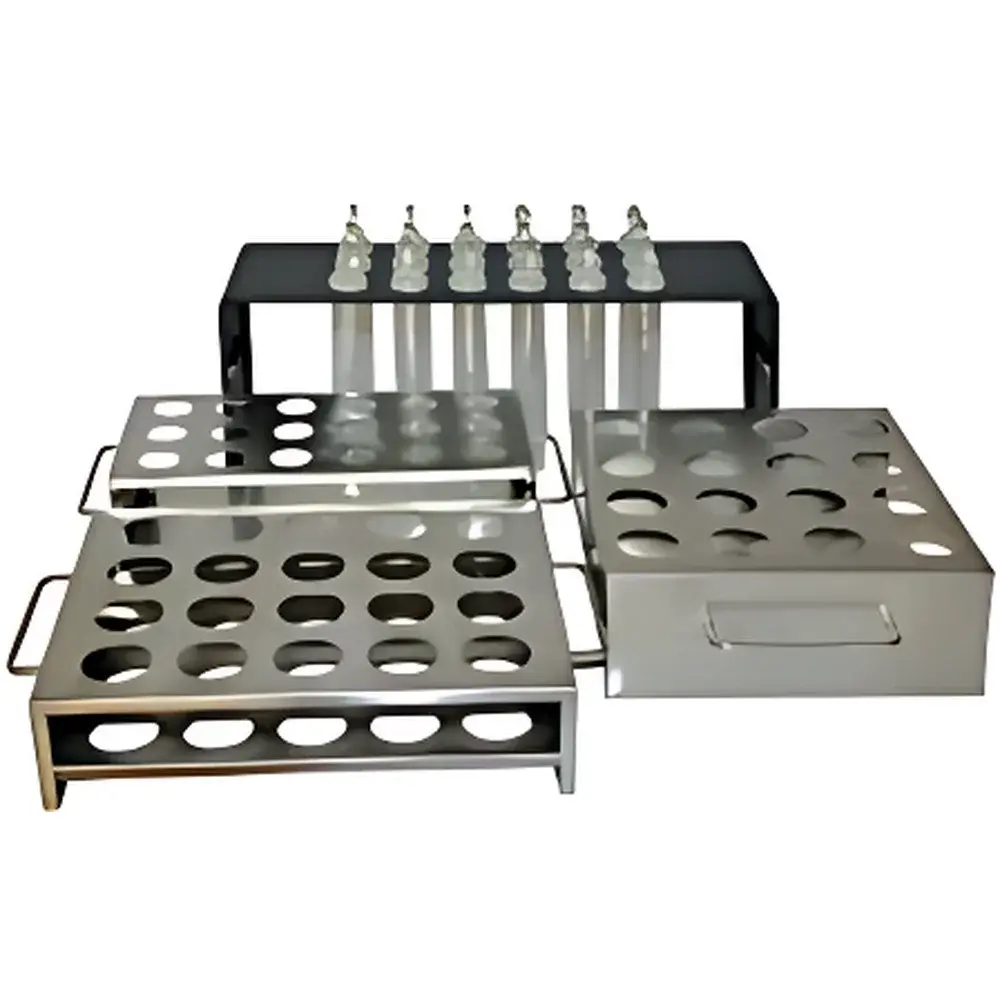
- Large-area heating surface enables simultaneous processing of up to 60 samples (50 mL) or 20 samples (100 mL), with optimized thermal coupling between vessel and block
Sample Compatibility & Compliance
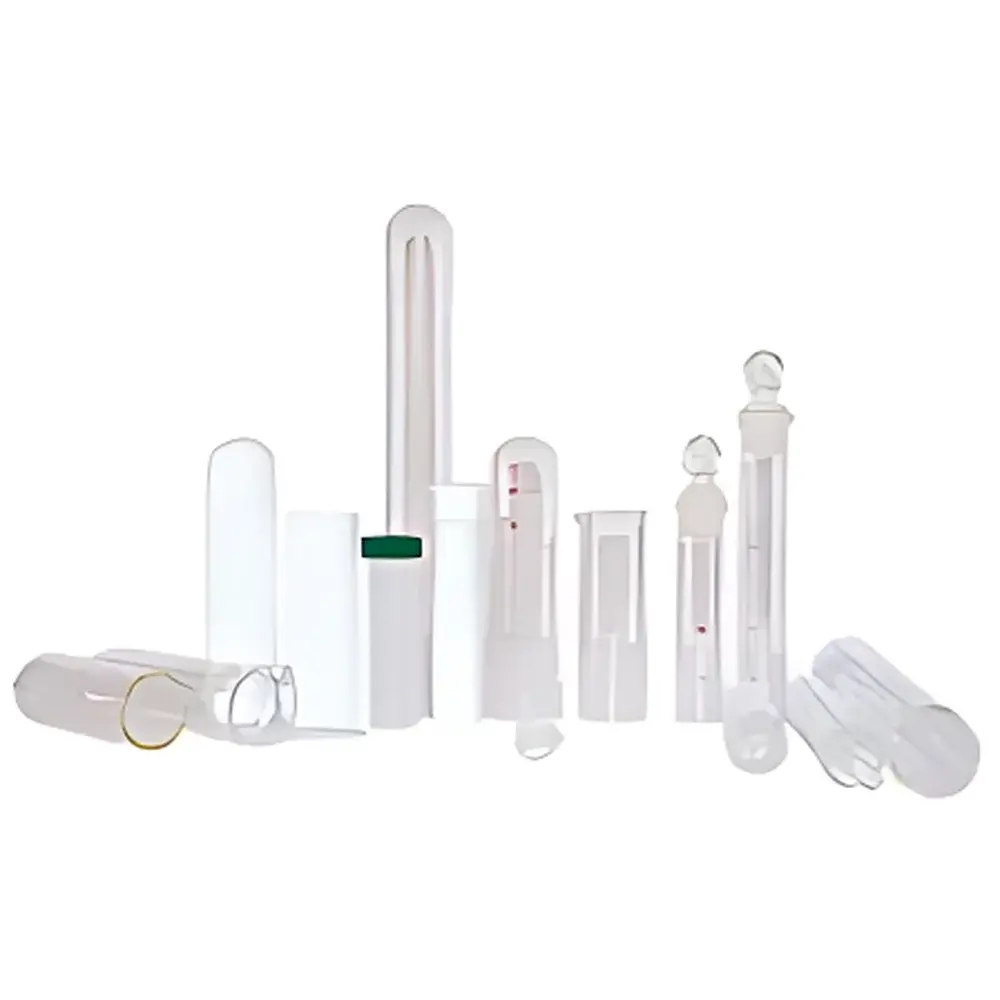
The XJT Series accommodates standard borosilicate glass, quartz, and PTFE digestion tubes (Φ31–Φ44 mm × 50 mm height), supporting volumetric capacities from 10 mL to 100 mL. It is validated for use with EPA Methods 3010a, 3050b, 3060, 200.2, 200.7–200.9, and 365.1; ISO 11466 for trace metal analysis in soils and sediments; and multiple Chinese national standards including GB/T 22105.1–2008 (soil heavy metals), GB/T 17138–1997 (soil total Cu, Zn, Pb, Cd), GB/T 5009.11–2003 (As in food), and SJ/T 1365–2006 (heavy metals in electronics). All models meet GLP documentation requirements when paired with optional audit-trail-enabled software (see Software & Data Management section). No modifications to method-defined reagent ratios or digestion times are required.
Software & Data Management
While the base model features an embedded 30-step LCD controller with non-volatile memory, optional Labotery DigSoft™ PC software (v3.2+) enables full method library management, real-time temperature logging, digital signature support, and 21 CFR Part 11-compliant electronic records. Data export is supported in CSV, PDF, and XML formats, with timestamped event logs covering power-on, program start/stop, temperature deviations >±2 °C, and alarm triggers. Audit trails record user ID, action type, timestamp, and parameter values—fully traceable for FDA, CNAS, or CMA accreditation audits. Firmware updates are performed via USB interface with cryptographic signature verification.
Applications
This system is routinely deployed in accredited environmental labs for digesting soil, sludge, sediment, and wastewater solids prior to ICP-MS or AAS analysis; in food testing facilities for heavy metal quantification in cereals, seafood, and infant formula; in semiconductor QA labs for lead/cadmium screening in printed circuit boards per RoHS directives; and in public health institutes for mercury speciation in blood and urine samples. Its ability to perform digestion, acid removal (‘赶酸’), and final volume adjustment in the same vessel eliminates cross-contamination risks and pipetting errors associated with multi-vessel transfers—making it ideal for high-throughput compliance testing where reproducibility and analyst safety are paramount.
FAQ
What digestion vessels are compatible with the XJT Series?
Standard PTFE, quartz, or borosilicate glass tubes with outer diameters of Φ31 mm or Φ44 mm and heights up to 50 mm are supported. Custom inserts for alternative tube geometries are available upon request.
Is HF acid safe to use in this system?
Yes—provided vessels are HF-rated (e.g., PTFE or quartz) and ventilation meets local occupational exposure limits. The PTFE-coated graphite block resists HF etching up to 220 °C; extended use above 260 °C with HF requires validation.
Can the system be integrated into a LIMS environment?
Via optional DigSoft™ API (RESTful JSON interface), raw temperature logs and run metadata can be pushed to third-party LIMS platforms supporting HL7 or ASTM E1384 message formats.
Does the instrument support method validation per ISO/IEC 17025?
Yes—the documented temperature uniformity (±1.5 °C), stability (±0.2 °C), and ramp repeatability (<±1.0 °C) meet calibration verification criteria outlined in ISO/IEC 17025:2017 Clause 6.4.6 for thermal instrumentation.
What maintenance is required for long-term reliability?
Annual inspection of PTFE coating integrity, graphite block surface flatness (±0.1 mm tolerance), and thermocouple calibration traceable to NIST SRM 1750a is recommended. No routine lubrication or consumable replacement is needed.



