
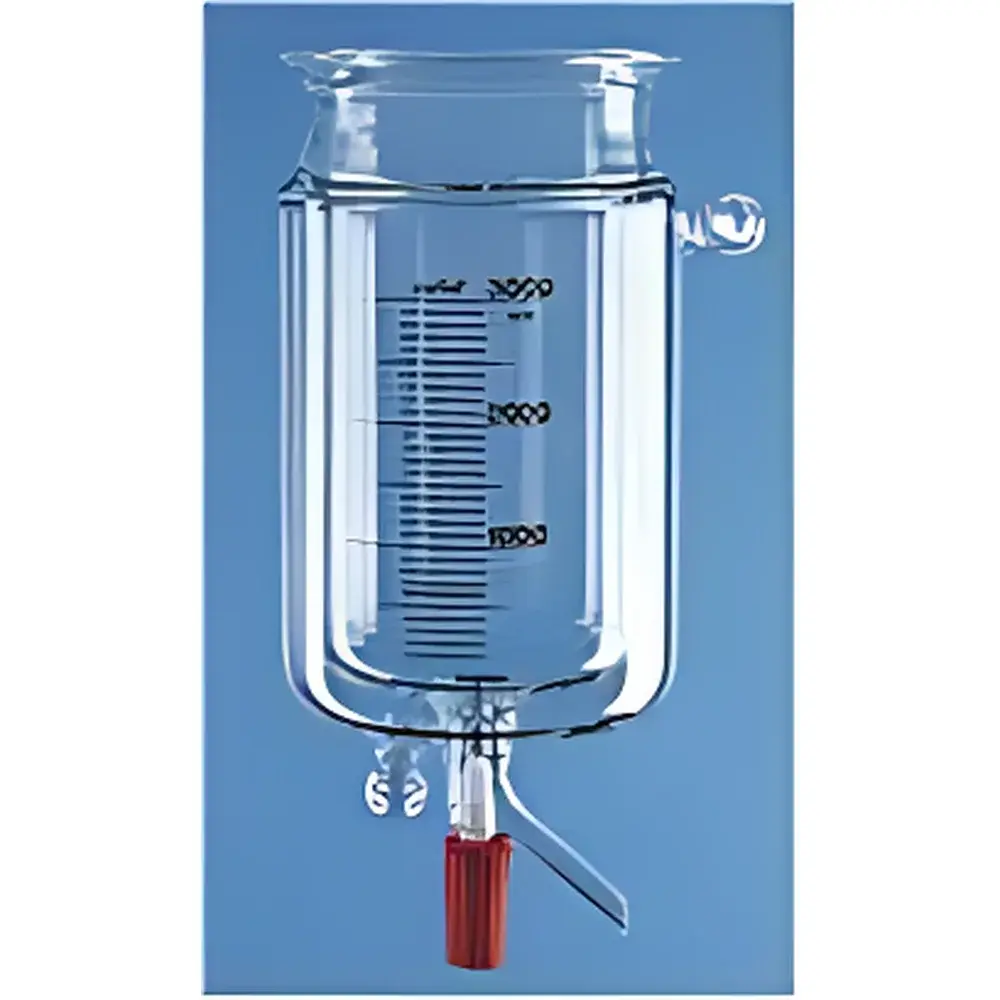
LENZ DURAN Glass Reactor with Double-Jacketed Design
| Brand | LENZ |
|---|---|
| Origin | Germany |
| Construction Material | Borosilicate Glass (DURAN® 3.3) |
| Volume Range | 100 mL to 30 L |
| Operating Pressure | Low-Pressure (≤ 0.5 bar gauge) |
| Jacket Interface Options | GL or KF |
| Vacuum Capability | ≤ 5 mbar |
| Sealing | Chemically Resistant PTFE Gaskets |
| Stirring Components | PTFE-Coated Impeller, Anchor, or Propeller Blades |
| Temperature Measurement | PTFE-Sheathed Probe Port |
| Vessel Geometry | Cylindrical or Spherical Bottom |
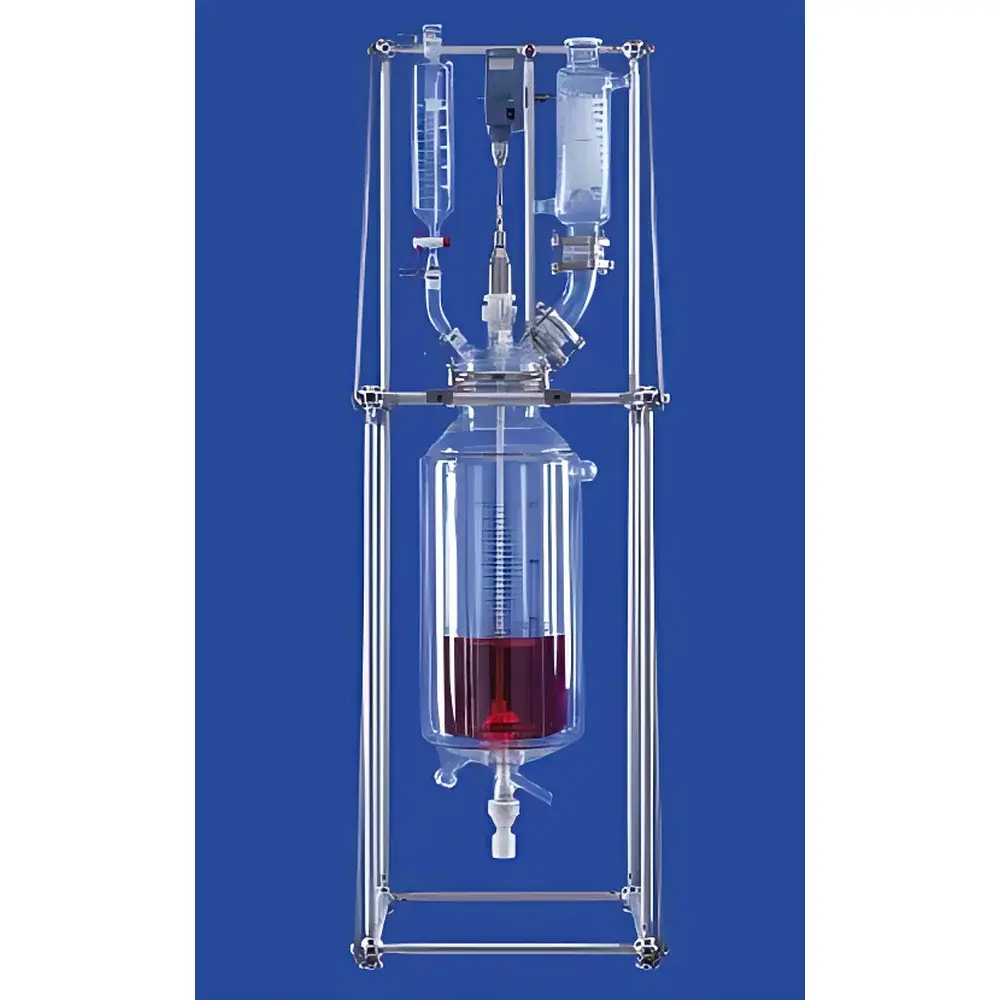
| Mounting | Adjustable Clamp Stand & Support Frame |
| Compliance | Designed per DIN ISO 3585 (Borosilicate Glass 3.3), Compatible with GLP/GMP Lab Environments |
Overview
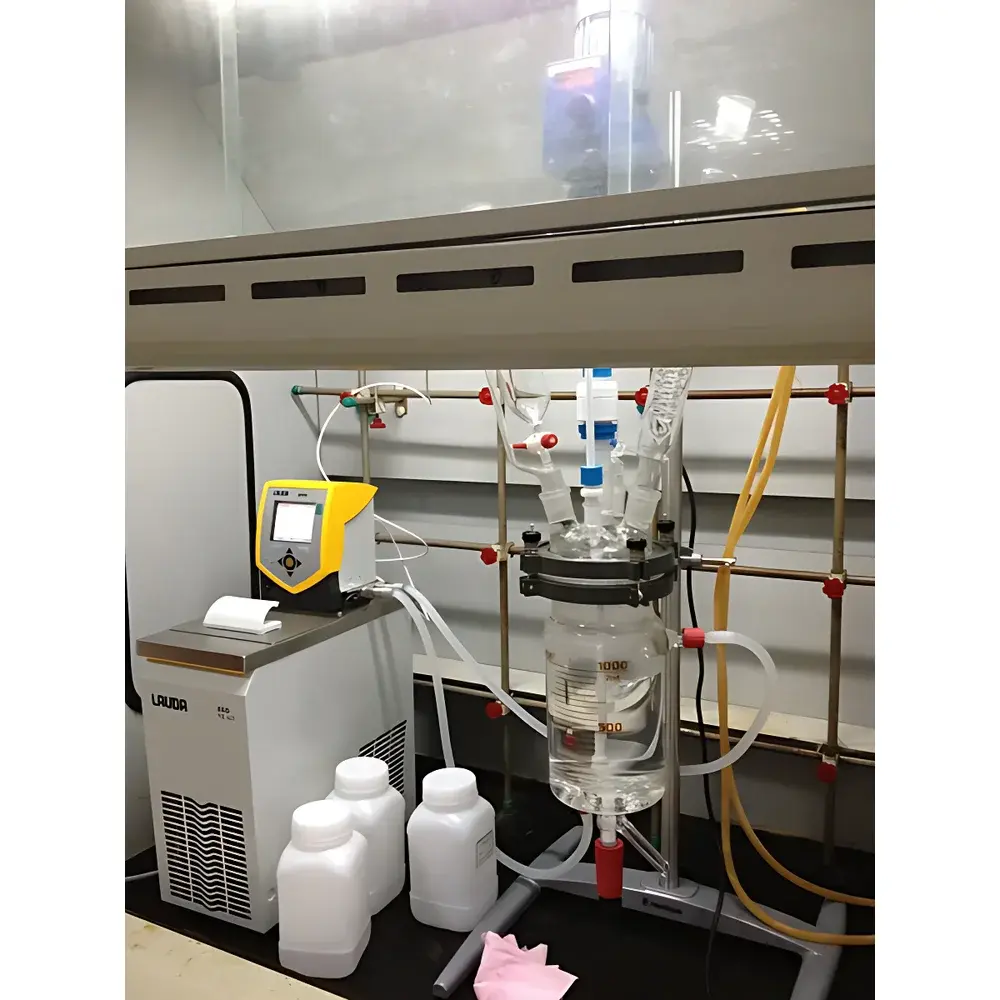
The LENZ DURAN Glass Reactor is a precision-engineered double-jacketed laboratory reactor system designed for controlled chemical synthesis, process development, and small-scale reaction optimization under inert, reflux, or vacuum conditions. Constructed entirely from SCHOTT DURAN® borosilicate glass 3.3—certified to DIN ISO 3585—the reactor delivers exceptional thermal shock resistance (ΔT ≤ 150 °C), chemical inertness against most organic solvents, acids, and bases (except hydrofluoric acid and strong alkalis above 1 mol/L at elevated temperatures), and optical clarity for real-time visual monitoring of reaction progress. The double-jacket design enables precise temperature control via external circulators (e.g., LAUDA units), supporting both heating (up to +200 °C with silicone oil) and cooling (down to –80 °C with ethylene glycol/water or specialized cryo-fluids). Its low-pressure rating (≤ 0.5 bar gauge) and validated vacuum integrity (≤ 5 mbar) make it suitable for distillation, solvent removal, and moisture-sensitive reactions without compromising structural safety or measurement fidelity.
Key Features
- Monolithic DURAN® glass construction ensures batch-to-batch reproducibility and eliminates metal ion leaching—critical for catalysis, pharmaceutical intermediate synthesis, and organometallic chemistry.
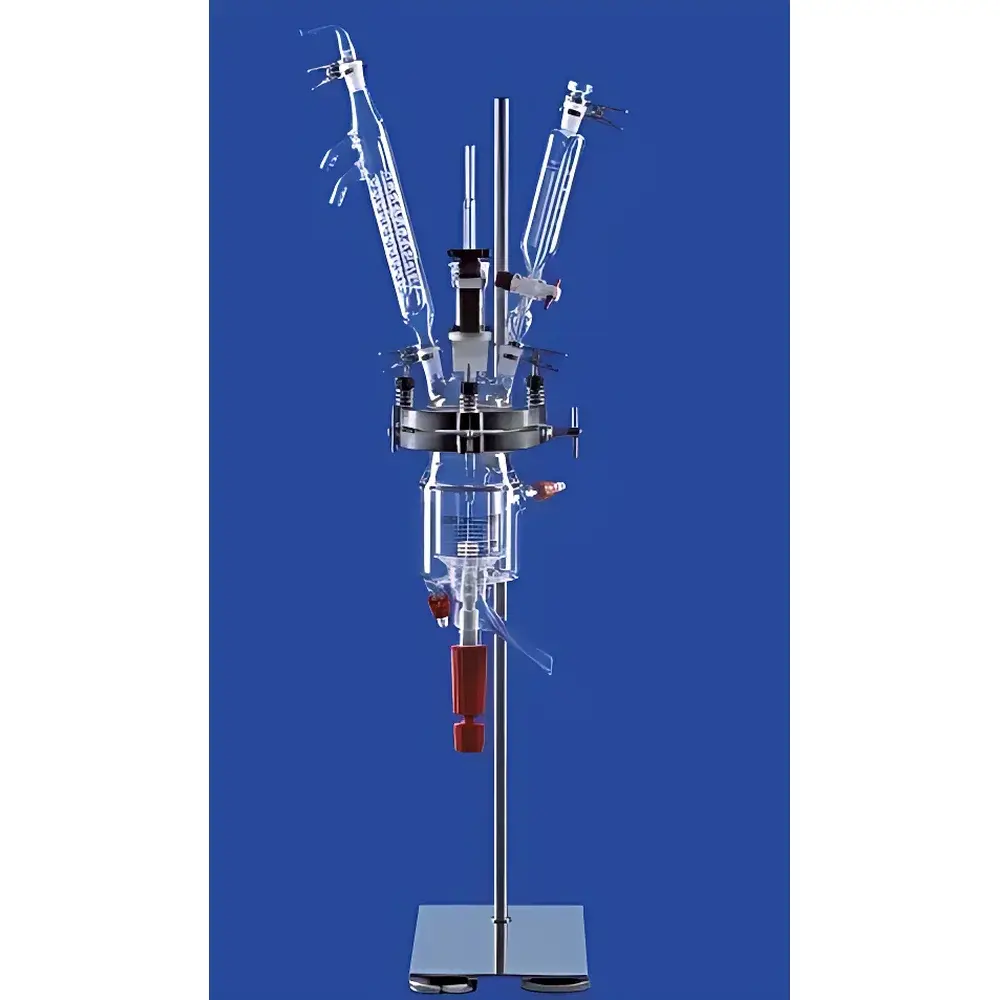
- Modular top-plate configuration with 3–5 standardized GL-threaded ports (e.g., GL14, GL24, GL32) accommodates interchangeable components: PTFE-coated stirrer shafts, Pt100 temperature probes, condensers, dropping funnels, gas inlets, and vacuum adapters.
- Zero-dead-volume PTFE bottom valve with conical sealing geometry prevents sample retention and cross-contamination—essential for high-value compounds and regulated QC workflows.
- Quick-release clamping system (stainless steel or PTFE-coated) enables rapid assembly/disassembly while maintaining mechanical stability during stirring (max. 300 rpm, depending on volume and viscosity).
- Jacket inlet/outlet options include both GL-ground joint and KF-flange interfaces, ensuring compatibility with standard lab circulation systems and vacuum manifolds.
- Volumetric scale markings (etched, not printed) provide traceable capacity reference across the full 100 mL–30 L range; spherical-bottom variants enhance mixing efficiency and complete drainage.
Sample Compatibility & Compliance
The LENZ reactor is compatible with heterogeneous catalytic reactions, Grignard preparations, lithium–halogen exchange, hydrogenations (with palladium-on-carbon or Raney nickel under controlled H₂ pressure), and anhydrous polymerizations. Its DURAN® glass body complies with ISO 3585 for hydrolytic resistance (Class HGB 1), and all elastomeric seals meet USP Class VI biocompatibility requirements. When integrated into validated laboratory workflows, the system supports audit readiness for GLP (OECD 1998) and GMP (ICH Q7) environments—particularly when paired with calibrated temperature controllers, documented maintenance logs, and electronic batch records.
Software & Data Management
While the reactor itself is hardware-only, its seamless integration with third-party instrumentation enables full digital traceability. When used with LAUDA Proline or Alpha series temperature controllers, users can log jacket temperature profiles, ramp rates, and hold times via RS485/USB or Ethernet. Stirring speed data (via optional tachometer feedback) and probe-based temperature readings may be synchronized using LabVIEW™, MATLAB®, or ELN platforms compliant with FDA 21 CFR Part 11 (electronic signatures, audit trails, user access controls). All mechanical adjustments—including clamp torque, valve actuation cycles, and gasket replacement intervals—are documented per manufacturer-recommended PM schedules.
Applications
- Process safety screening (RC1 calorimetry-compatible mounting)
- Solvent-free or low-solvent green chemistry protocols
- Multi-step cascade reactions requiring sequential reagent addition
- Crystallization kinetics studies under controlled supersaturation
- Photochemical reactions (UV-transparent DURAN® permits 290–2500 nm transmission)
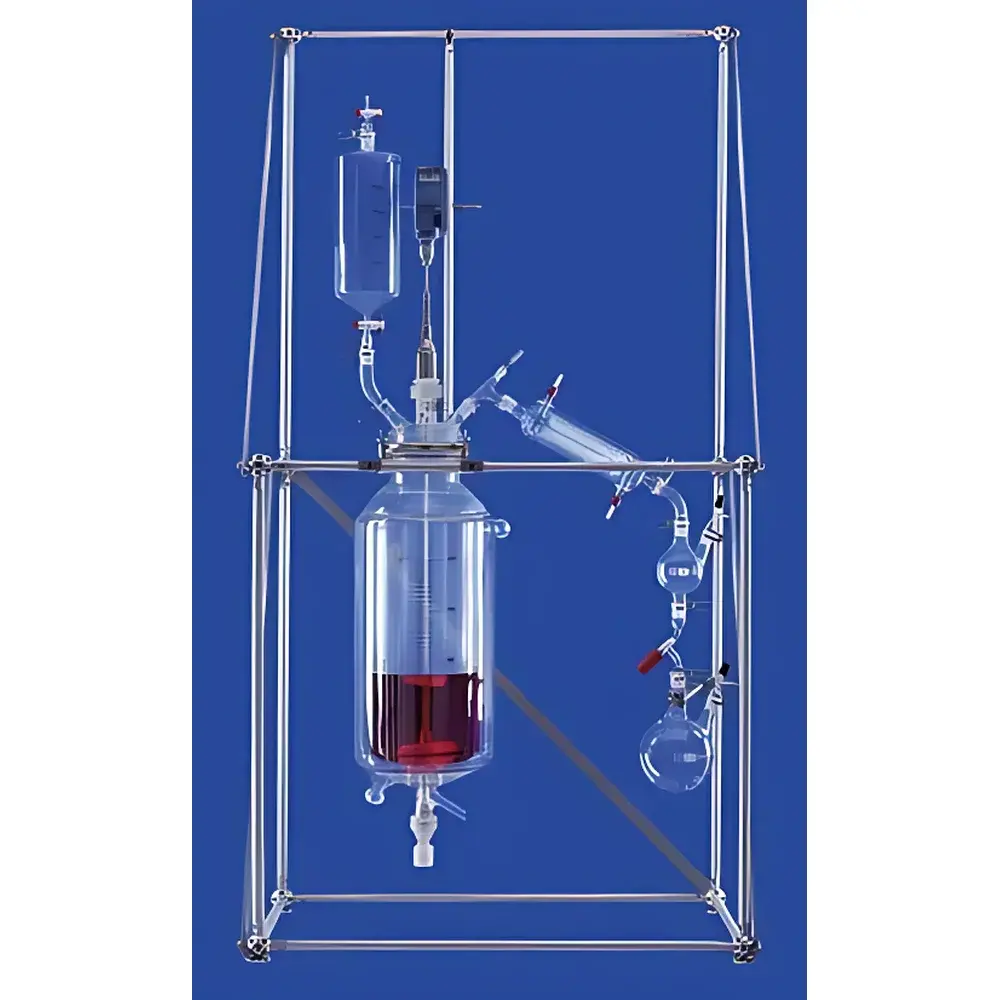
- Distillation and fractional evaporation of thermally sensitive natural products
FAQ
What temperature range is supported with the double jacket?
Continuous operation from –80 °C to +200 °C is achievable using appropriate heat transfer fluids and external circulators; short-term excursions up to +250 °C are permissible with caution and reduced dwell time.
Can the reactor be used under positive pressure?
It is rated for low-pressure applications only (≤ 0.5 bar gauge); pressurized reactions require alternative stainless-steel or Hastelloy® systems meeting ASME Section VIII standards.
Is custom port configuration available?
Yes—LENZ offers OEM-configured top plates with non-standard port counts, angled fittings, or integrated sight glasses upon engineering review and validation.
How often should PTFE gaskets be replaced?
Under typical use (daily cycling, ambient to 120 °C), replace every 6–12 months or after 200 autoclave-equivalent thermal cycles; inspect visually for compression set or cracking before each use.
Does the system support automated reaction control?
Standalone automation requires integration with external PLCs or reaction stations (e.g., ChemSpeed, EasyMax); LENZ provides mechanical interface drawings and torque specifications for third-party actuator coupling.



