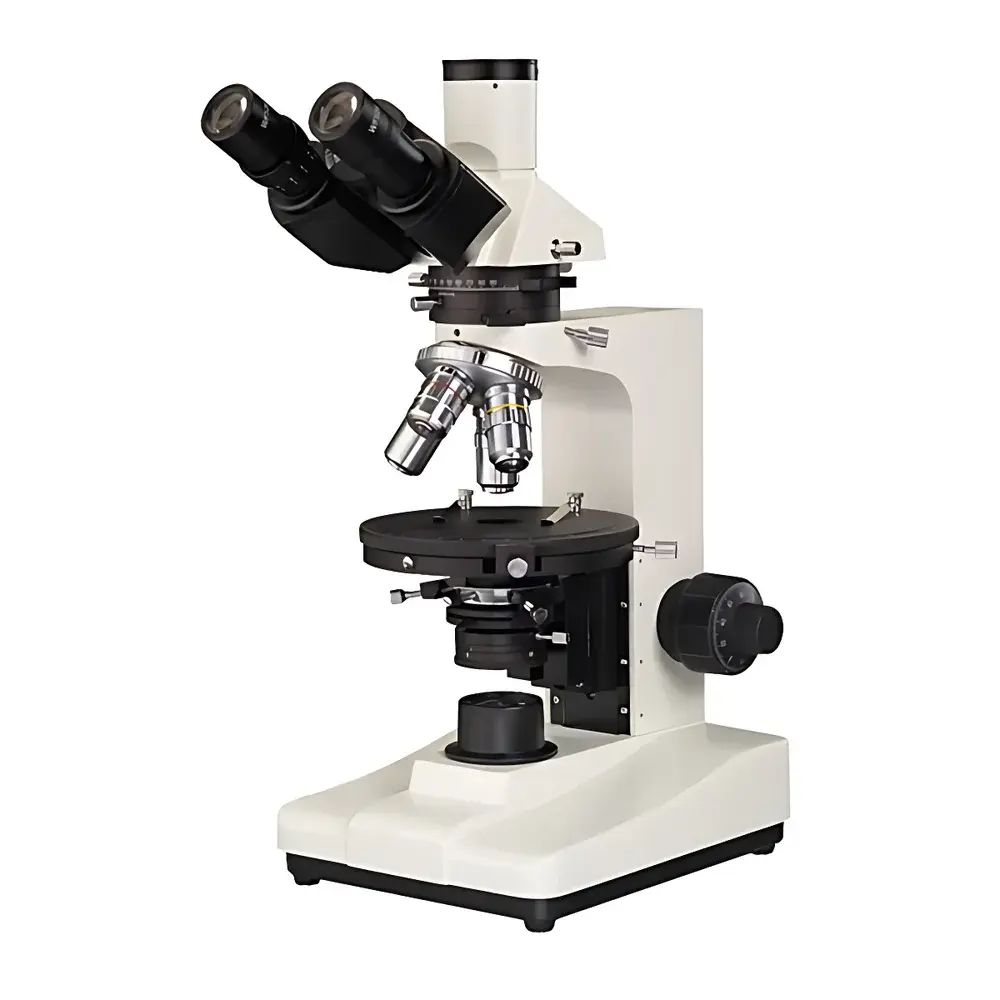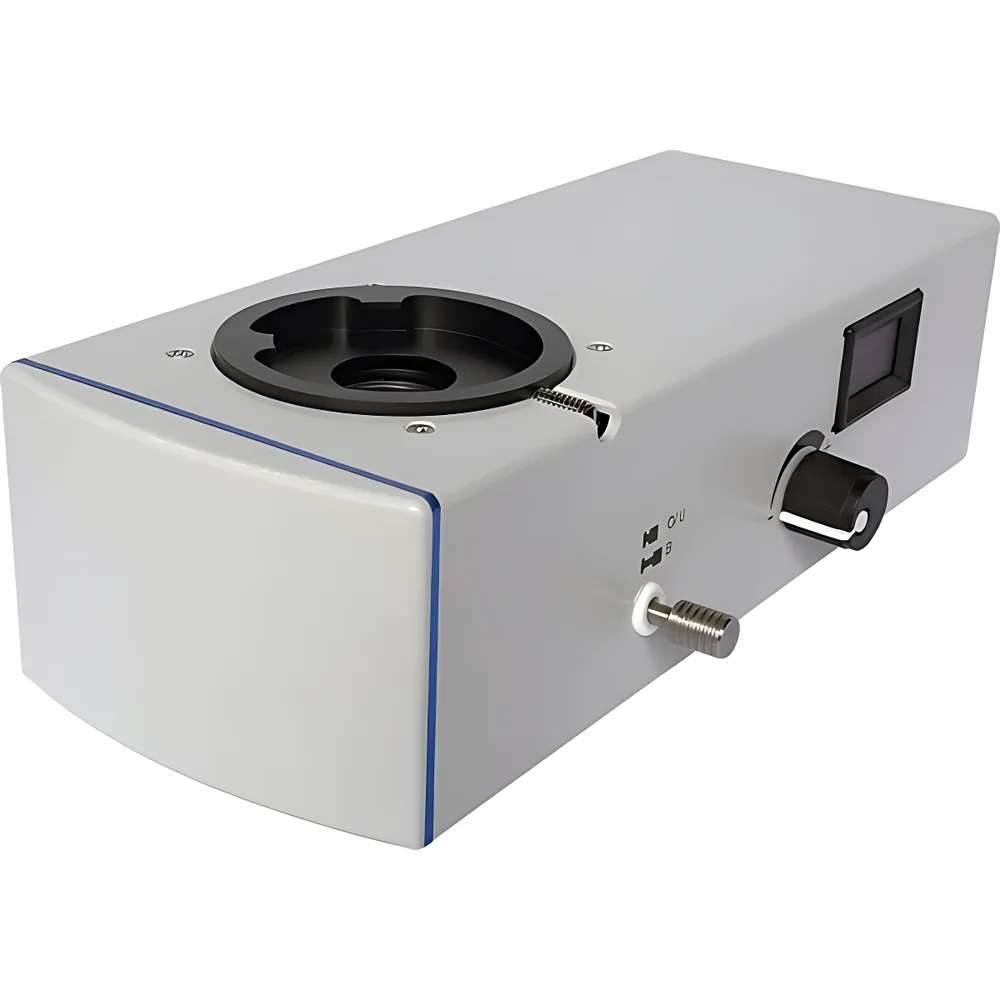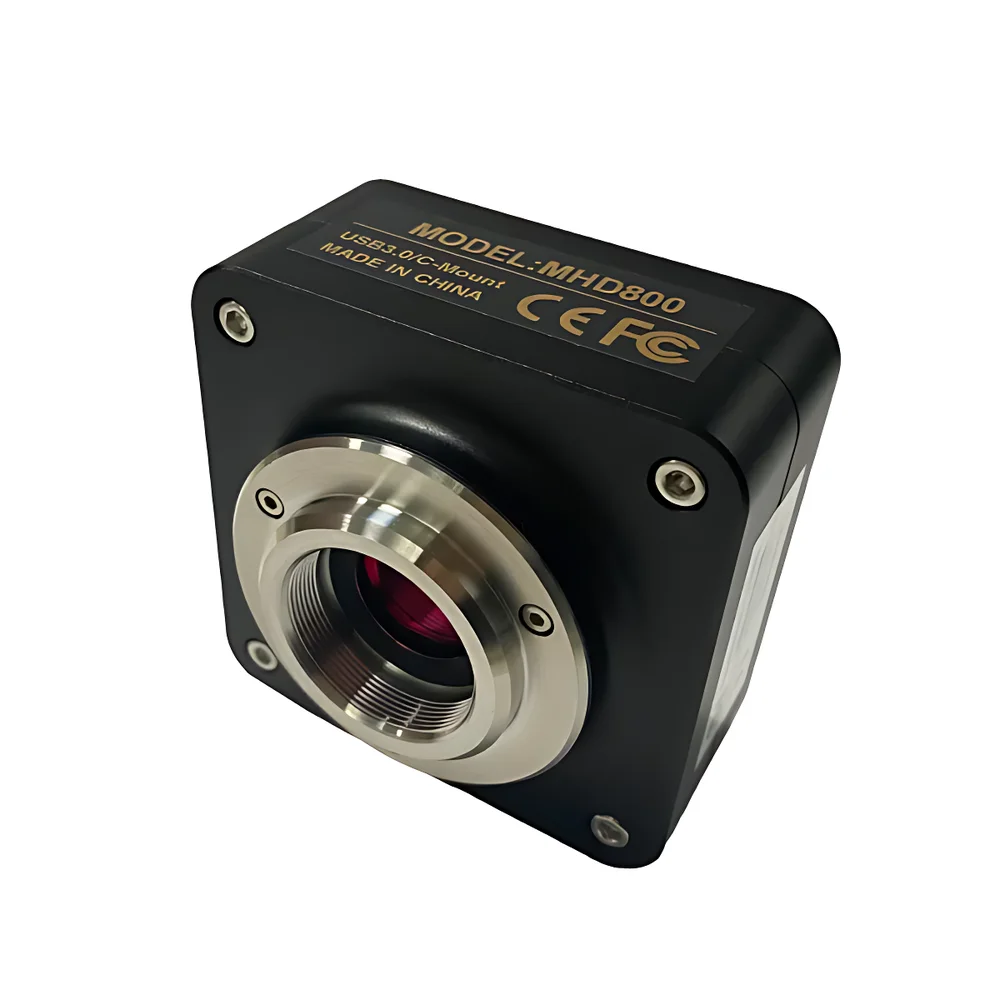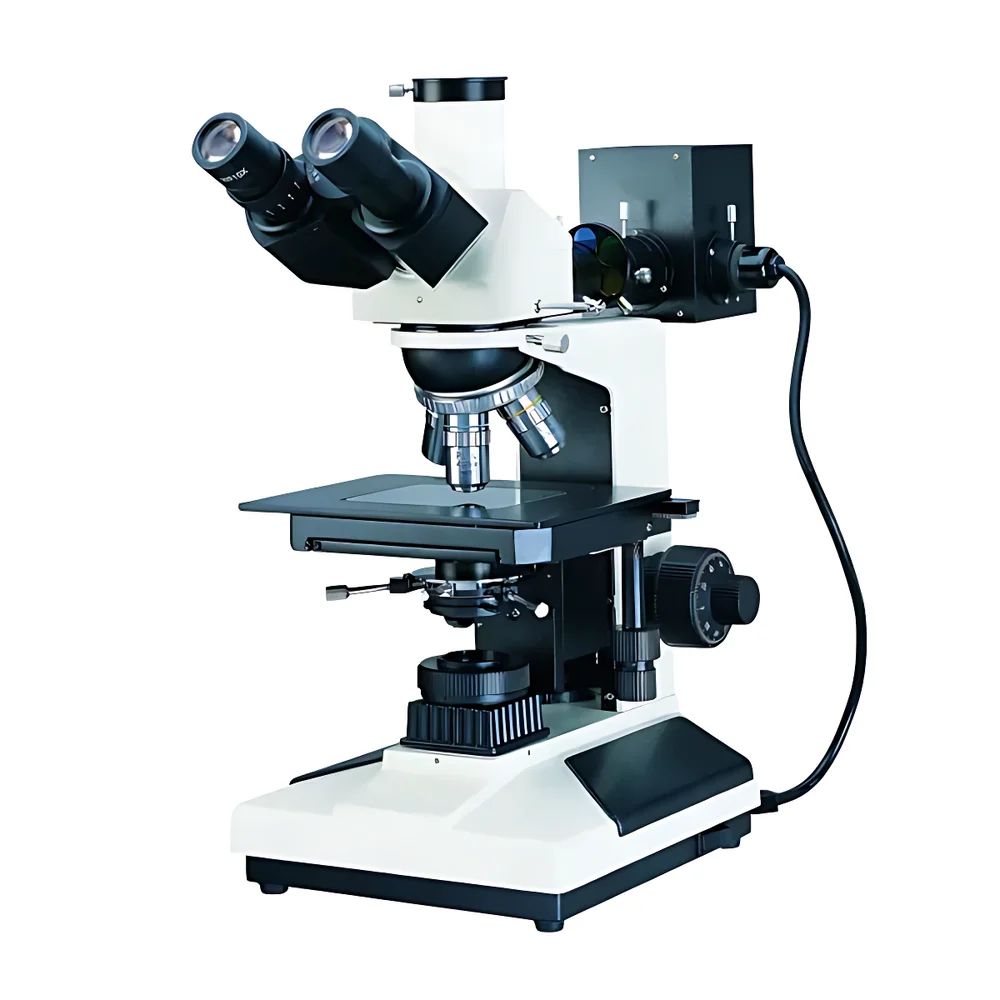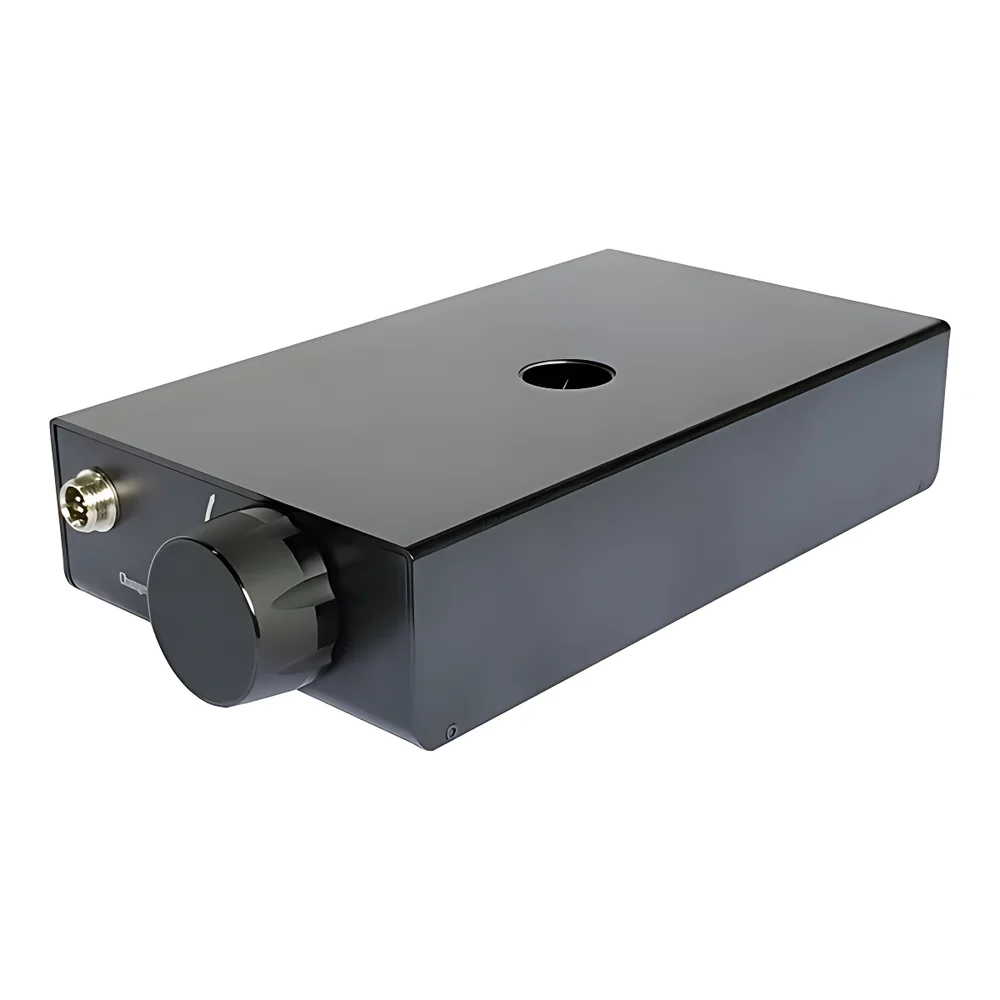
MingHui BG-LED-IMH Dual-Channel Fluorescence Illumination Module for Inverted Microscopes

| Brand | MingHui |
|---|---|
| Origin | Guangdong, China |
| Manufacturer Type | OEM/ODM Producer |
| Country of Origin | China |
| Model | BG-LED-IMH (Dual-Channel) |
| Light Source Type | High-Power Narrowband LED |
| Illumination Mode | Internal (Integrated Mounting) |
| Excitation Wavelengths | Blue Channel — EX 470/30 nm, DM 505 nm, EM 535/35 nm |
| Intensity Control | 0–100% Linear Dimming |
| LED Lifetime | >20,000 h |
| Observation Modes | Brightfield & Fluorescence |
| Filter Switching Mechanism | Manual Rotating Slider |
| Fluorescence Channels | 2 (simultaneous dual-band excitation support via mechanical filter wheel) |
| Compatibility | Universal mounting interface for major inverted microscope brands (Olympus IX series, Nikon Ti/Eclipse, Zeiss Axio Observer, Leica DMI, Nicon, Motic, Phoenix, Keyence, etc.) |
Ask about pricing, availability and specifications.
Overview
The MingHui BG-LED-IMH Dual-Channel Fluorescence Illumination Module is an engineered optical add-on designed specifically for inverted research-grade microscopes. It integrates two independently controllable, narrowband LED light sources—centered at 470 nm (blue) and 530 nm (green)—with matched dichroic mirrors and emission filters to enable high-contrast, low-phototoxicity fluorescence imaging in live-cell and fixed-tissue applications. Unlike traditional mercury or xenon arc lamps, this module employs solid-state illumination with thermally stabilized, current-regulated LEDs, eliminating warm-up time, spectral drift, and UV-induced sample degradation. Its internal mounting architecture ensures optical path alignment remains consistent with the host microscope’s Köhler illumination system, preserving native resolution and field uniformity without requiring modification to the base optical train.
Key Features
- Two-wavelength LED excitation platform (470/30 nm and 530/30 nm), each with dedicated dichroic beamsplitters (505 nm and 565 nm) and bandpass/emission filters (535/35 nm and 575 nm LP)
- Manual rotating slider mechanism for rapid, repeatable switching between blue, green, and brightfield observation modes—no realignment required
- Linear 0–100% intensity control per channel, enabling precise photometric titration for quantitative fluorescence experiments
- Optical design compliant with standard infinity-corrected tube lens configurations (200 mm focal length), ensuring compatibility across Olympus, Nikon, Zeiss, Leica, Motic, and other inverted platforms
- Thermal management system maintains LED junction temperature within ±1.5°C over continuous operation, guaranteeing wavelength stability and radiometric reproducibility
- No external power supply unit required—integrated driver accepts universal 100–240 VAC input with CE/UL safety certification
Sample Compatibility & Compliance
The BG-LED-IMH supports a broad range of biological specimens, including adherent mammalian cell cultures (e.g., HeLa, HEK293, primary neurons), organoids, zebrafish embryos, and tissue explants mounted on standard glass-bottom dishes (thickness #1.5). Its low-heat output and absence of UV leakage make it suitable for long-term time-lapse imaging under GLP-compliant conditions. The module conforms to IEC 61000-6-3 (EMC emissions) and IEC 62471 (Photobiological Safety), classified as Risk Group 1 (exempt) for both blue and green channels. While not FDA-cleared as a diagnostic device, its optical performance meets ASTM E2878-22 specifications for fluorescence microscopy illumination uniformity and spectral fidelity.
Software & Data Management
The BG-LED-IMH operates as a hardware-integrated illumination subsystem—no proprietary software is required for basic functionality. Intensity levels and channel selection are controlled via front-panel rotary dials with tactile feedback and LED status indicators. For automated workflows, TTL-compatible trigger inputs (5 V, opto-isolated) allow synchronization with camera exposure, stage movement, or environmental chamber controllers. When used with third-party acquisition platforms (e.g., Micro-Manager, NIS-Elements, ZEN Blue, or MetaMorph), the module functions transparently within existing metadata frameworks; excitation channel identity and intensity settings are recorded in TIFF/OME-TIFF headers per frame, supporting audit-ready documentation per 21 CFR Part 11 requirements when paired with validated laboratory information management systems (LIMS).
Applications
This module is routinely deployed in academic core facilities and industrial R&D labs for label-based assays involving GFP/mCherry co-expression, calcium indicator imaging (e.g., Fluo-4 + Hoechst), immunofluorescent detection of cytoskeletal markers (actin/tubulin), and viability staining (Calcein-AM/PI). Its dual-channel architecture facilitates ratiometric analysis without sequential filter cube changes, reducing photobleaching artifacts in kinetic studies. In bioprocess monitoring, it enables real-time assessment of transfection efficiency and confluence in CHO or HEK293 suspension-adapted cultures grown in specialized imaging bioreactors. The mechanical robustness and compact footprint also support integration into automated microscopy stations for high-content screening (HCS) pipelines.
FAQ
Is the BG-LED-IMH compatible with upright microscopes?
No—it is mechanically and optically optimized for inverted configurations only, due to its internal mounting geometry and collimation path relative to the objective nosepiece.
Can I retrofit this module onto a microscope without a fluorescence port?
Yes, provided the microscope has an available side-port or trinocular tube with standard C-mount or F-mount threading; optional adapter kits are available for non-standard ports.
Does the module support third-party filter sets?
Yes—the rotating slider accepts standard 25 mm diameter excitation/emission filter cubes; custom dichroic and emission combinations can be installed by qualified service personnel.
What is the beam divergence and homogeneity specification?
Full-field illumination uniformity exceeds 92% (measured at image plane using NIST-traceable photodiode array), with divergence <1.2° FWHM at the specimen plane.
Is firmware update capability available?
No—this is a hardwired analog control system with no embedded microprocessor; all operational parameters are set at manufacturing and remain invariant over lifetime.