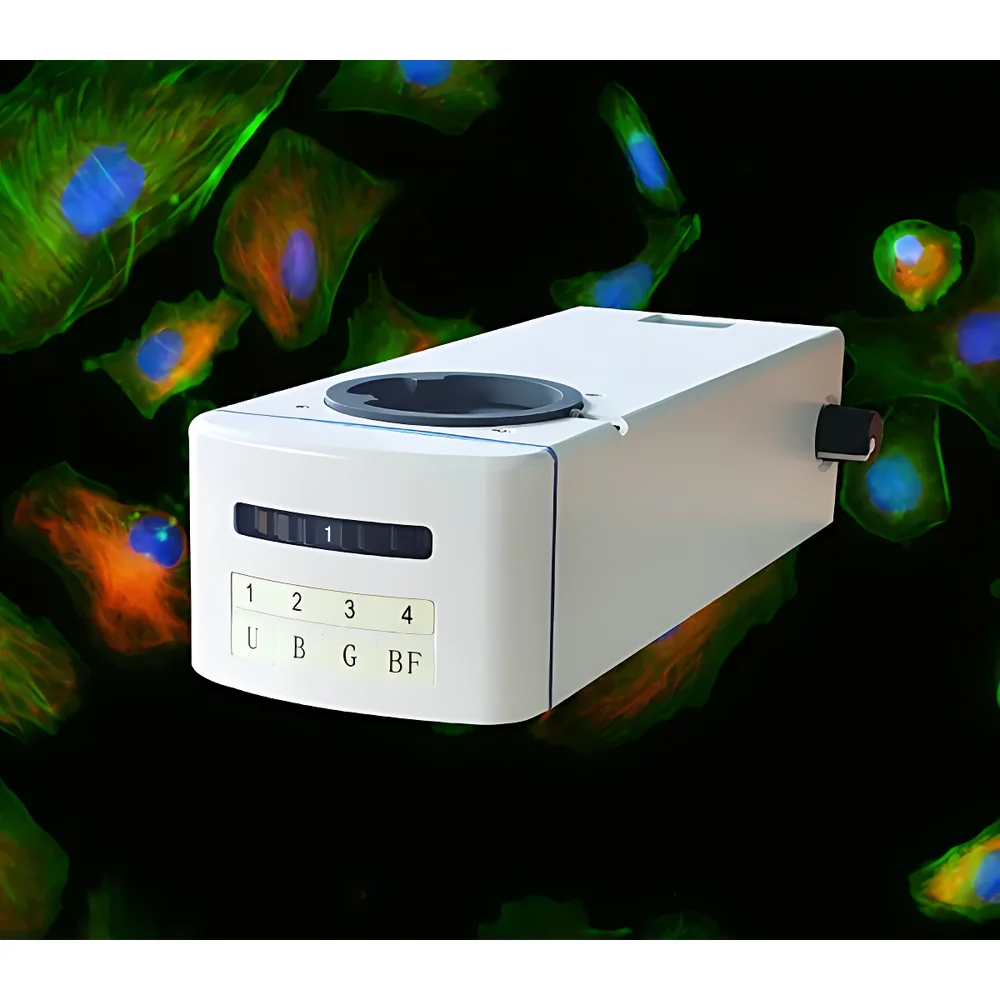
MingHui BGU-LED-MH Trichromatic Digital Fluorescence Illumination Module

| Brand | MingHui |
|---|---|
| Origin | Guangdong, China |
| Manufacturer Type | OEM/ODM Producer |
| Country of Origin | PRC |
| Model | BGU-LED-MH |
| Light Source Type | High-Power Solid-State LED (UV/Blue/Green) |
| Illumination Method | Internal (Epi-Illumination) |
| LED Lifetime | ≥20,000 h |
| Power Supply | 12 V DC, 2 A |
| Compatibility | Olympus, Leica, Nikon, Zeiss upright microscopes |
| Fluorescence Channels | Up to 4 pre-aligned filter sets (standard: UBG tri-band |
| Excitation Filters | UEX 360/50 nm, BEX 475/35 nm, GEX 530/40 nm |
| Dichroic Mirrors | 400 nm, 500 nm, 560 nm |
| Emission Filters | 410–LP, 515–LP, 575–LP (standard) |
| optional BP | 450/60 nm, 530/50 nm, 605/60 nm |
| Brightness Control | Continuous analog + digital feedback, 0–100% display resolution |
| Interface | Encoded rotary potentiometer with memory retention |
| Compliance | CE-marked power adapter |
| Software Integration | Standalone operation |
Ask about pricing, availability and specifications.
Overview
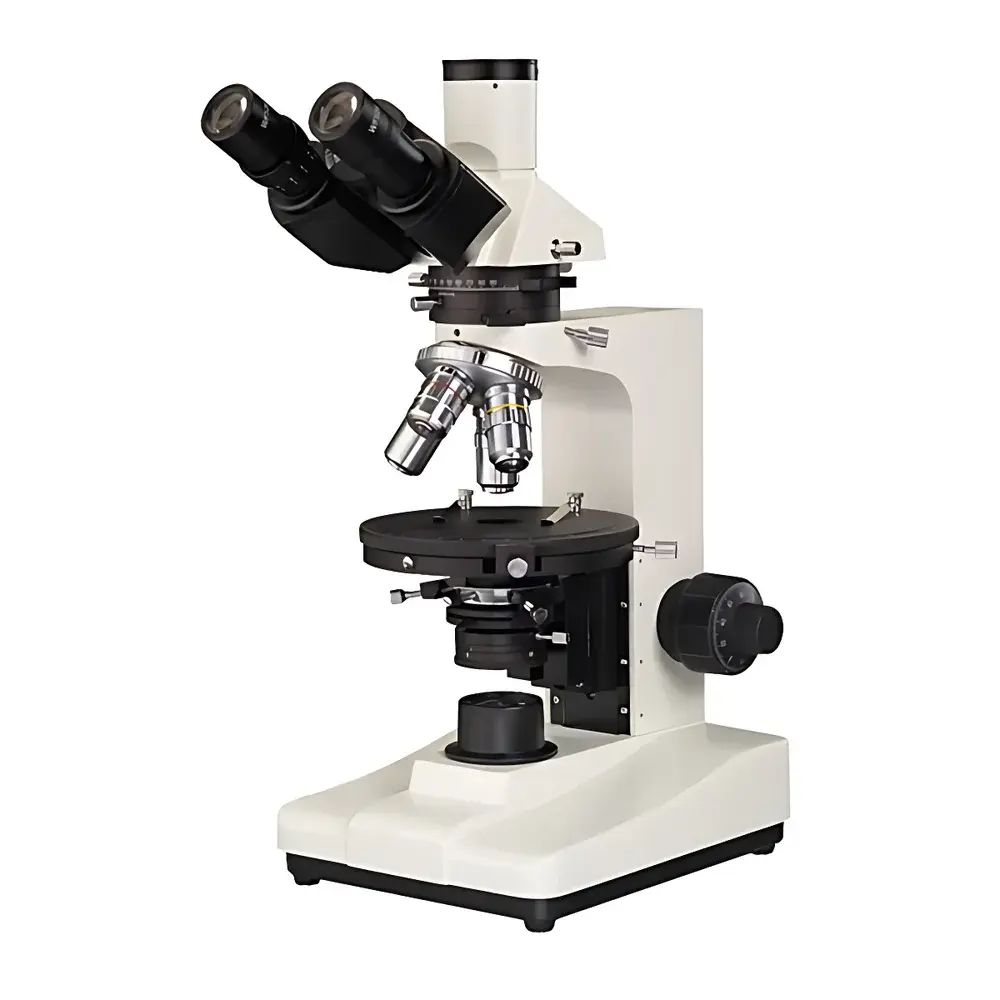
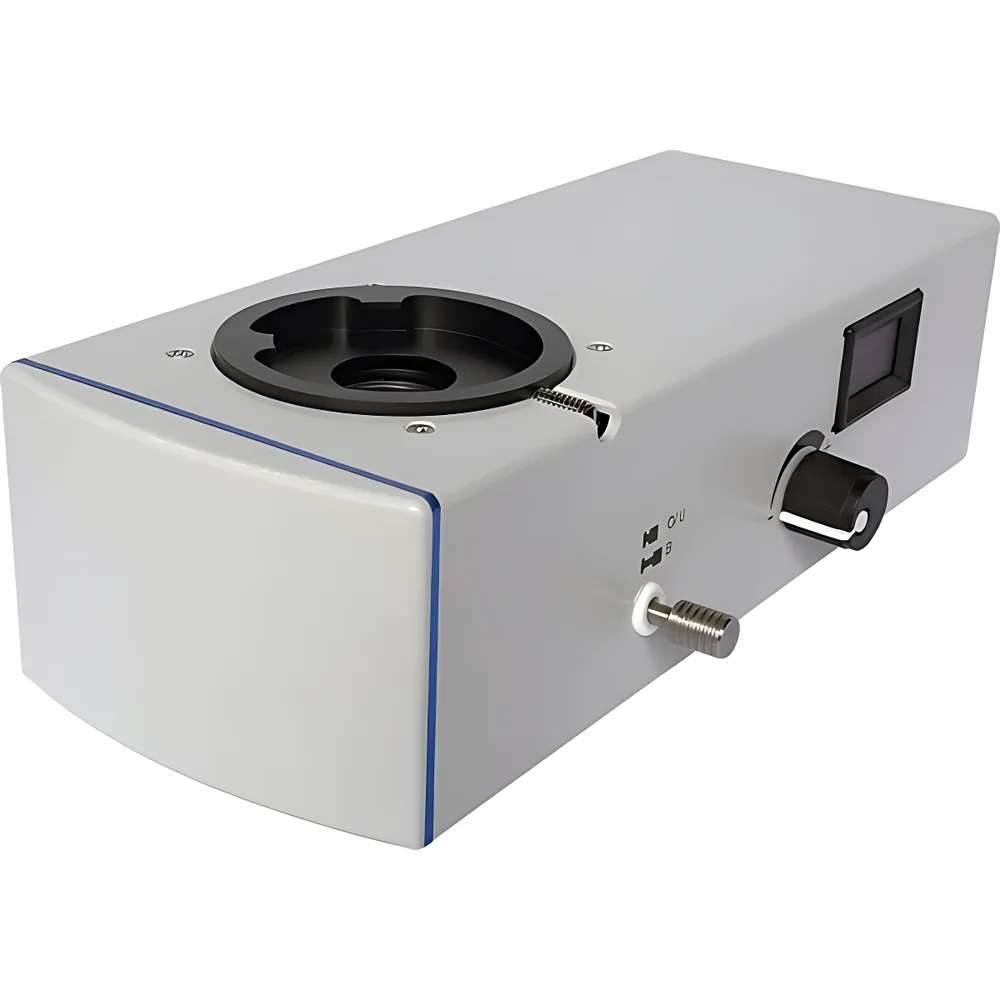
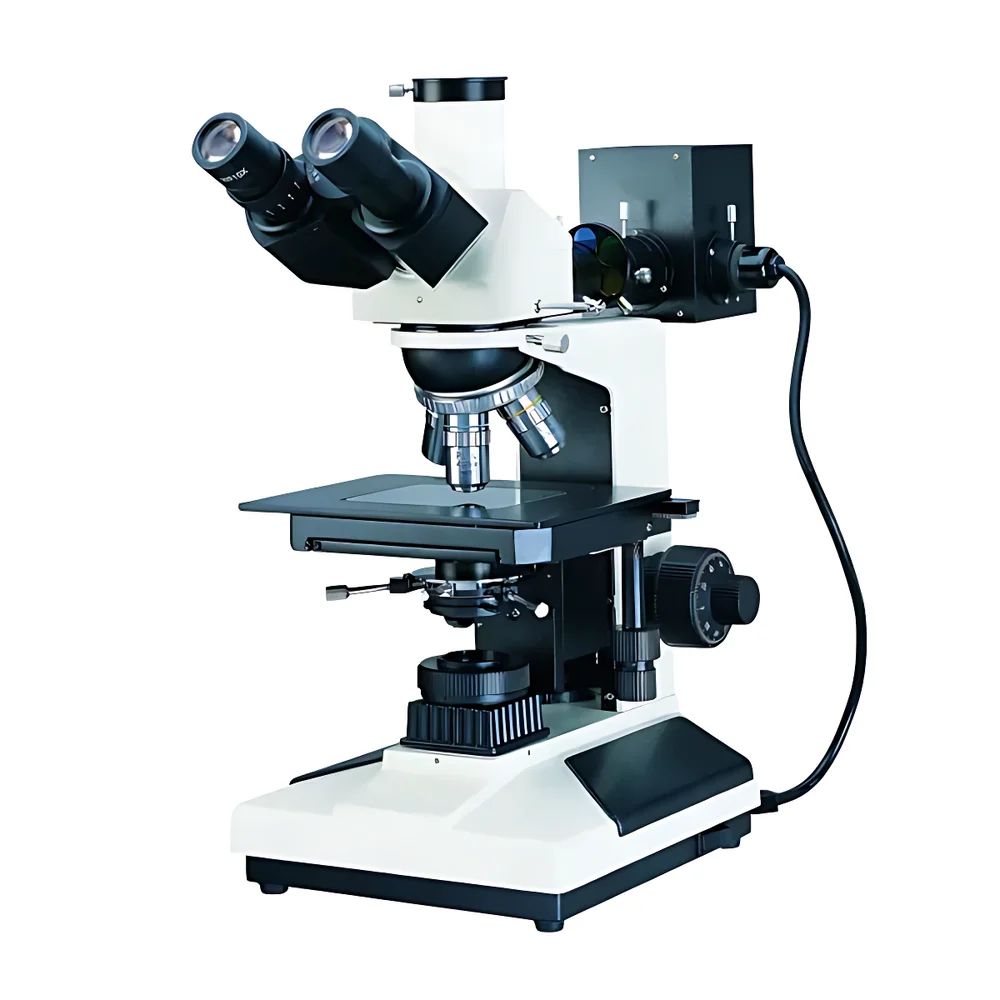
The MingHui BGU-LED-MH Trichromatic Digital Fluorescence Illumination Module is a precision-engineered epi-illumination source designed for integration with standard upright optical microscopes from Olympus, Leica, Nikon, and Zeiss. It replaces traditional mercury or xenon arc lamps with a solid-state, multi-wavelength LED architecture optimized for routine and advanced fluorescence imaging. Unlike broadband sources, the BGU-LED-MH employs discrete, narrowband LEDs centered at ultraviolet (365 nm), blue (475 nm), and green (530 nm) excitation peaks—each spectrally matched to common fluorophores including DAPI, FITC, TRITC, and their modern analogs. The system operates on the principle of epifluorescence: excitation light is directed through the objective onto the specimen, and emitted fluorescence—shifted to longer wavelengths—is collected by the same objective and separated via dichroic mirrors and emission filters. This configuration ensures high signal-to-noise ratio, minimal phototoxicity, and thermal stability critical for live-cell or time-lapse experiments.
Key Features
- Trichromatic LED architecture with independently controllable UV, blue, and green excitation channels—enabling simultaneous optimization for multi-label imaging without spectral crosstalk.
- Digital intensity readout (0–100%) displayed in real time on an integrated OLED screen, synchronized with encoder-based rotary control for repeatable, non-volatile brightness setting.
- Rotating filter turret supporting up to four pre-aligned fluorescence filter sets—mechanically indexed for zero-drift channel switching and rapid reconfiguration between UBG long-pass and optional bandpass configurations.
- Thermally managed LED driver board with active current regulation, ensuring intensity stability (<±1.5% over 2 hours) and eliminating flicker across all output levels.
- Built-in brightness memory function: last-used intensity per channel is retained after power cycle, reducing setup variability between experimental sessions.
- Universal 12 V DC input with IEC 61000-4-5 surge protection and short-circuit auto-recovery—compatible with laboratory-grade power supplies and uninterruptible systems.
Sample Compatibility & Compliance
The BGU-LED-MH is validated for use with fixed and live biological specimens, including cultured mammalian cells, tissue sections, zebrafish embryos, and C. elegans. Its low-heat output ( 98% reflection, T > 95% transmission), and emission filters (OD6 blocking)—meet ISO 8578 specifications for fluorescence microscopy instrumentation. The module’s electrical design conforms to IEC 61010-1 (Safety Requirements for Electrical Equipment for Measurement, Control, and Laboratory Use) and carries CE marking under the EMC and Low Voltage Directives. RoHS 2011/65/EU compliance is documented for all PCB assemblies and housing materials.
Software & Data Management
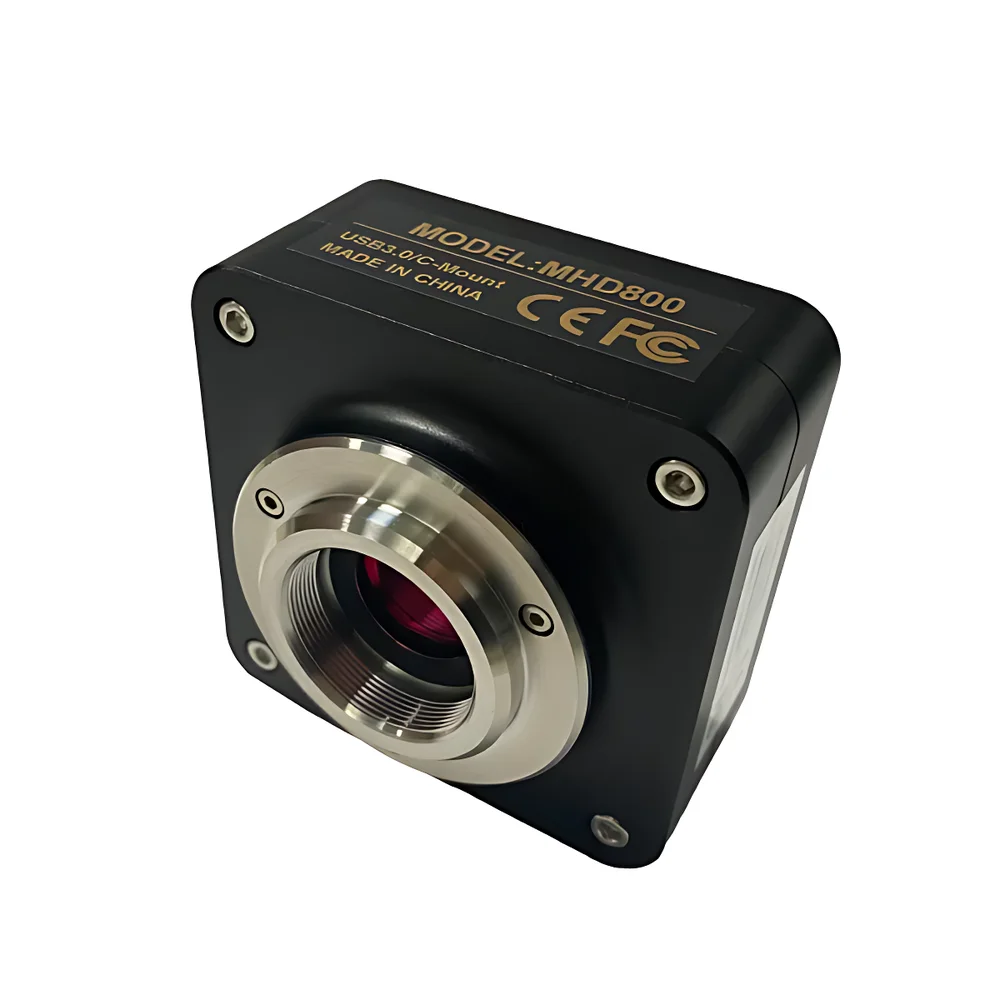
The BGU-LED-MH operates as a standalone illumination unit with no proprietary software dependency. However, its TTL-compatible trigger input (5 V CMOS, opto-isolated) enables hardware-synchronized exposure control with commercial acquisition platforms such as MicroManager, NIS-Elements, ZEN Blue, and MetaMorph. Time-lapse protocols can be executed with sub-millisecond jitter using external pulse generators or microscope controller outputs. Audit-trail functionality is supported when integrated into GLP/GMP environments via third-party lab information management systems (LIMS) that log device ID, firmware version (v2.1+), and operational timestamps. Firmware updates are delivered via UART bootloader and require no disassembly.
Applications
- Routine histopathology screening using DAPI/FITC/TRITC triple labeling on formalin-fixed paraffin-embedded (FFPE) sections.
- Live-cell calcium imaging with GCaMP6s or Fluo-4 AM, leveraging stable blue excitation and low photobleaching rates.
- Multi-channel co-localization studies in confocal-ready widefield setups, where precise excitation matching reduces bleed-through artifacts.
- Teaching laboratories requiring robust, maintenance-free fluorescence excitation—eliminating lamp alignment, warm-up delays, and hazardous mercury disposal.
- Automated slide scanning workflows where consistent illumination uniformity (<±3.5% across 22 mm FOV) ensures quantitative intensity reproducibility across batches.
FAQ
Is the BGU-LED-MH compatible with inverted microscopes?
Yes—when paired with an epi-illuminator adapter (e.g., Olympus IX series port coupler or Leica DMi8 beam splitter module), it supports inverted configurations without optical path modification.
Can emission filter sets be user-replaced?
Yes—filter cubes are housed in standard 25 mm diameter mounts (per ANSI Z80.10) and may be swapped in under clean-room conditions using supplied torque-limited screwdrivers.
Does the module support analog dimming via microscope controller?
No—intensity is controlled exclusively via the front-panel encoder; analog voltage input is not implemented to preserve calibration integrity and avoid ground-loop interference.
What is the spectral irradiance stability over 1,000 hours of operation?
Based on accelerated life testing per IEC 62717, median lumen maintenance is 92.4% at 1,000 h; no recalibration is required within the first 5,000 h of cumulative use.
Is FDA 21 CFR Part 11 compliance available?
The standalone module does not include electronic signature or audit-trail features; however, full Part 11 compliance is achievable when deployed within validated acquisition software ecosystems (e.g., Thermo Fisher CellInsight CX7 with enabled security settings).