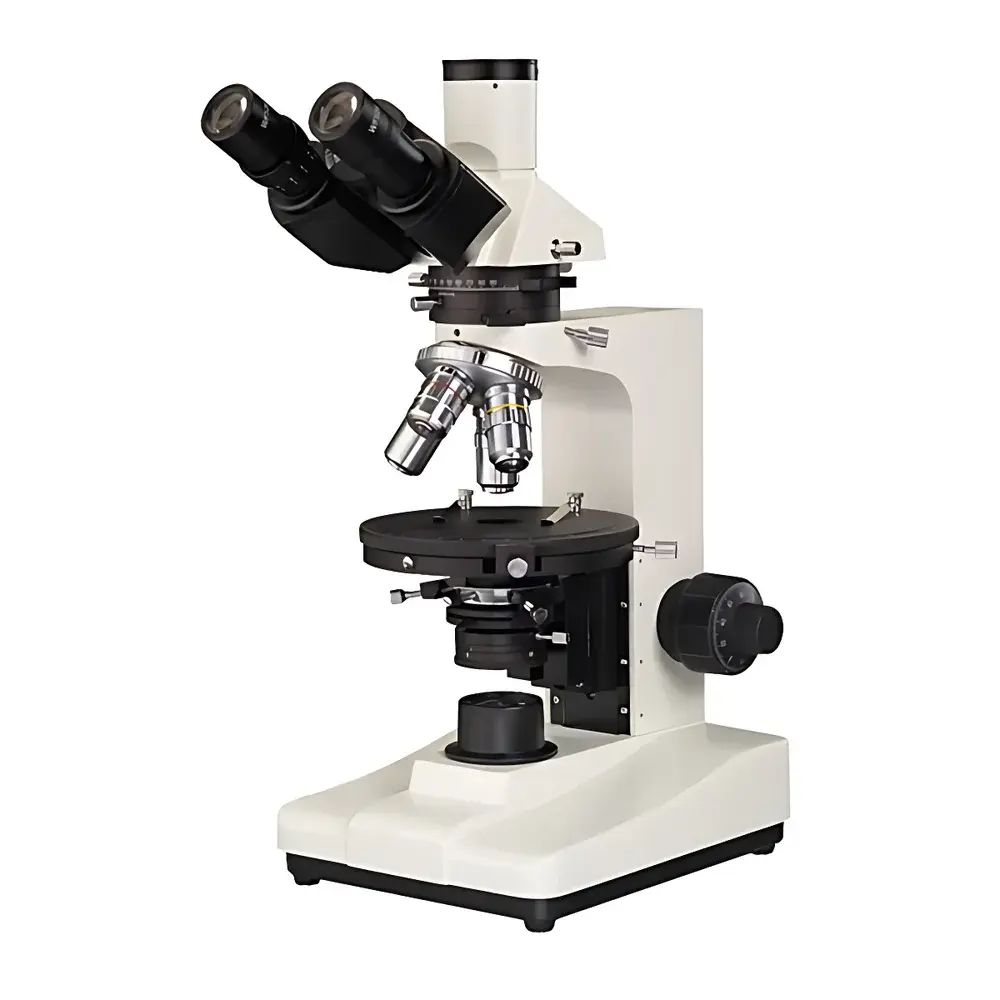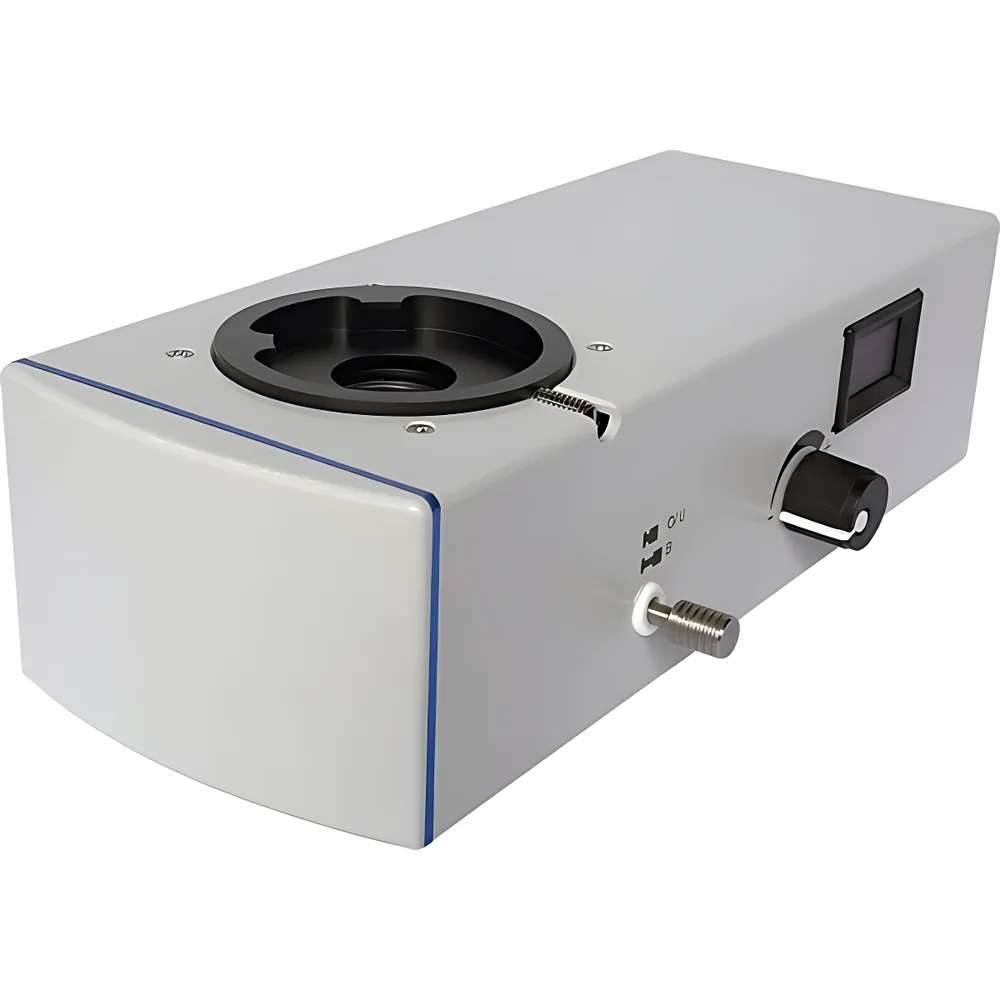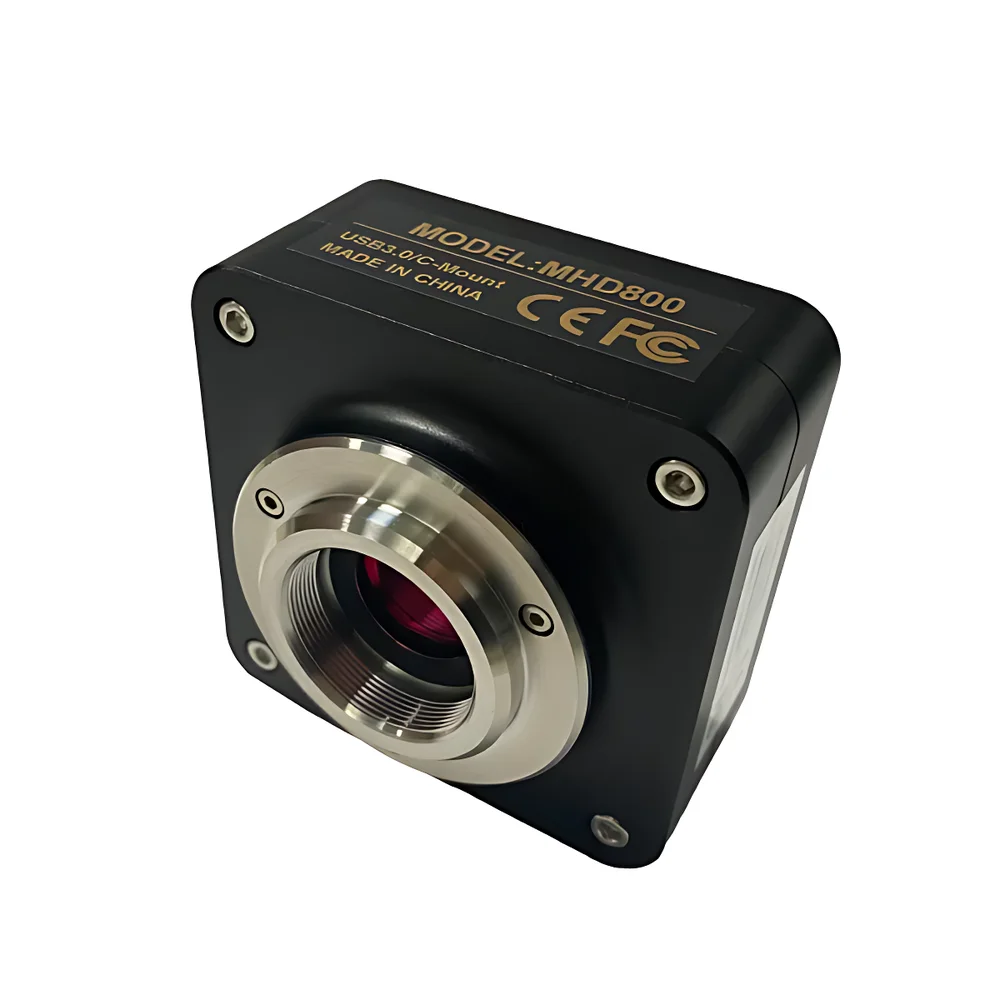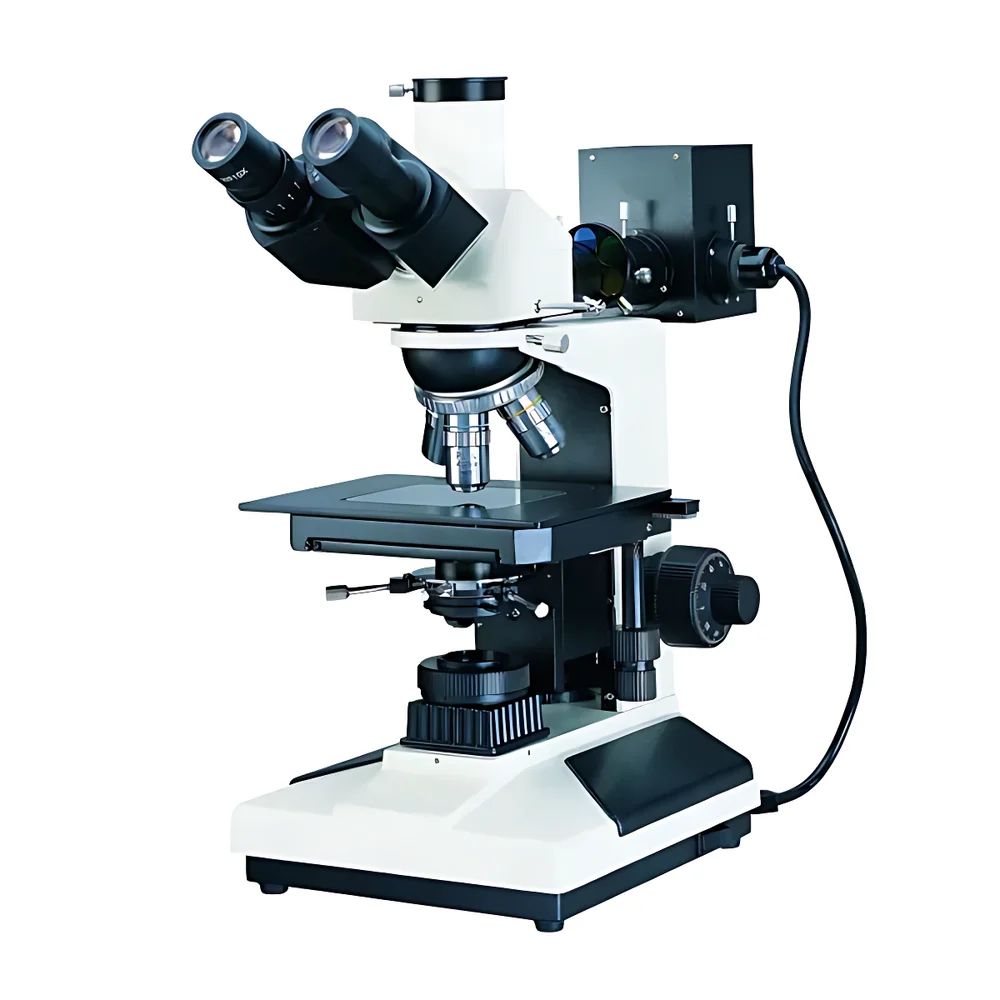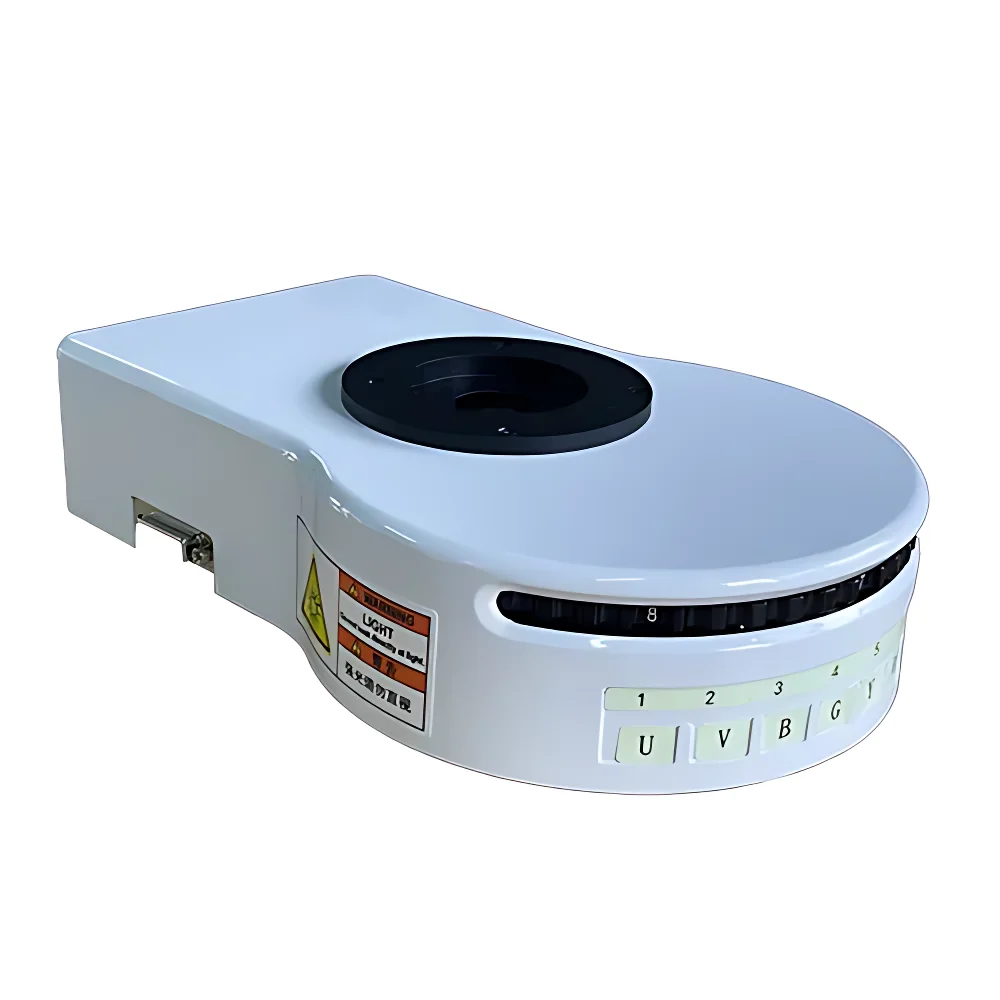
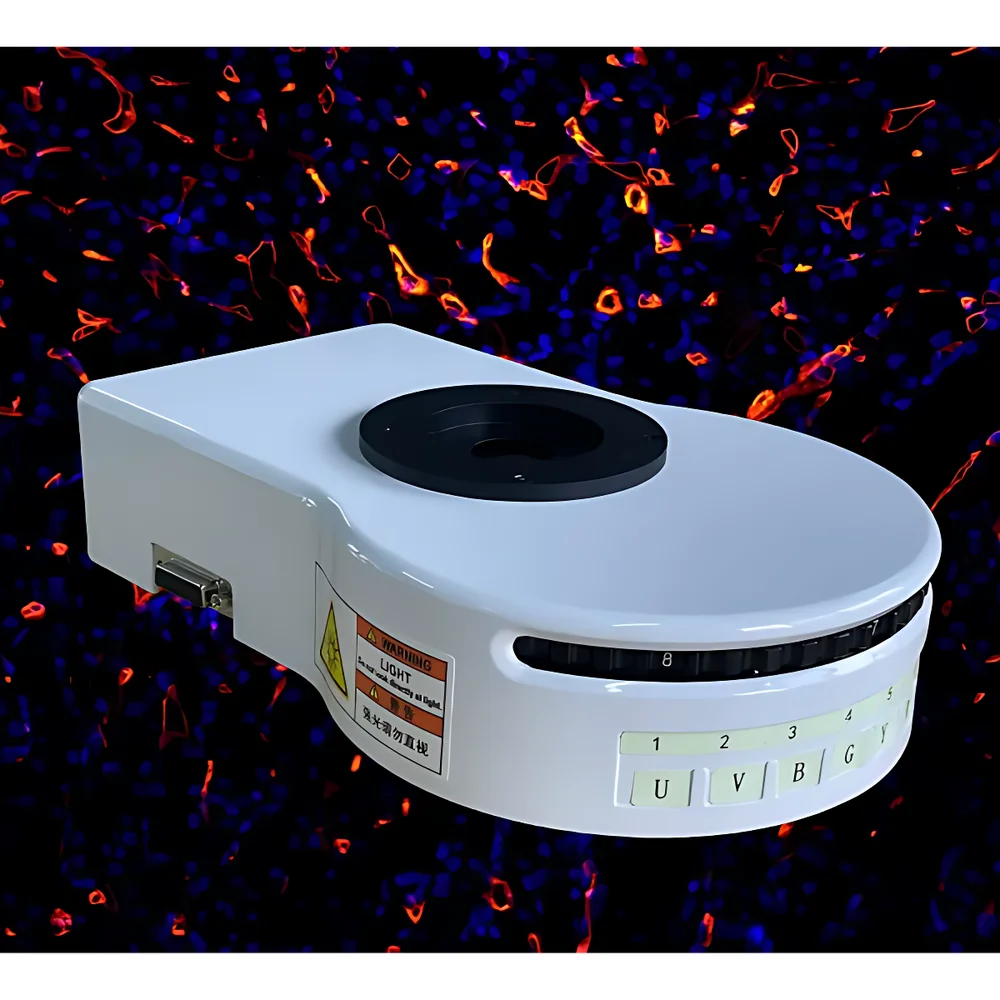
MingHui FL8-BGU-MH Upright Eight-Position LED Fluorescence Attachment

| Brand | MingHui |
|---|---|
| Origin | Guangdong, China |
| Manufacturer Type | Manufacturer |
| Product Category | Domestic |
| Model | FL8-BGU-MH |
| Light Source Type | High-Power Monochromatic LED Array |
| Illumination Mode | Internal (Objective-Side) Excitation |
| Max. Channels | 8 |
| LED Power per Channel | 15 W |
| Rated LED Lifetime | ≥30,000 h |
| Excitation Filter Options | UAEX 360/50 nm, BAEX 475/35 nm, GAEX 530/40 nm |
| Dichroic Mirrors | 400 nm, 500 nm, 560 nm |
| Emission Filters | 450/60 nm, 530/50 nm, 605/50 nm |
| Control Interface | 3.5″ TFT Touchscreen (12 V DC input) |
| Power Supply | 12 V, 5 A Adapter |
| Mechanical Switching | Rotating Filter Turret |
| Compatibility | Olympus BX, Nikon ECLIPSE, Zeiss Axio, Leica DM Series (via standard C-mount and adapter plates) |
| Safety Compliance | SELV (Safety Extra-Low Voltage), IEC 61000-6-3 EMC Class B |
Ask about pricing, availability and specifications.
Overview
The MingHui FL8-BGU-MH Upright Eight-Position LED Fluorescence Attachment is an engineered optical interface module designed for integration with conventional upright transmitted-light microscopes. It operates on the principle of epifluorescence excitation—where high-intensity, narrow-bandwidth LED light is directed through the objective lens onto the specimen, inducing fluorescence emission captured by the same objective. Unlike traditional mercury or xenon arc lamps, this attachment utilizes solid-state 15 W monochromatic LEDs with spectral bandwidths <50 nm (FWHM), eliminating UV ozone generation, thermal drift, and lamp aging-related intensity decay. Its internal illumination architecture ensures stable Köhler illumination geometry without requiring realignment after installation. The system supports simultaneous multi-channel acquisition readiness—eight discrete excitation/emission pathways can be preloaded into the rotating turret, enabling rapid, repeatable switching between fluorophores without mechanical reconfiguration of filter cubes.
Key Features
- Eight-position rotating filter turret with precision-machined indexing for sub-arcminute repeatability and zero backlash during channel selection.
- Integrated 3.5-inch capacitive touchscreen controller providing independent brightness control per channel, real-time intensity histogram visualization, and non-volatile memory for user-defined intensity presets.
- Plug-and-play compatibility with major upright microscope platforms—including Olympus BX series, Nikon ECLIPSE Ci/Ei, Zeiss Axio Imager, and Leica DM2500/4000—via standardized C-mount interfaces and optional adapter kits.
- SELV-compliant 12 V DC power architecture eliminates high-voltage risks and enables operation in GLP-compliant laboratory environments without grounding or isolation transformers.
- Tool-free, modular channel insertion: each LED/filter assembly mounts via snap-fit alignment pins and captive screws; optical centering is factory-verified and retained across field replacements.
- No warm-up time required; full-intensity output achieved within 100 ms of activation—critical for time-lapse imaging and phototoxicity-sensitive live-cell assays.
Sample Compatibility & Compliance
The FL8-BGU-MH is validated for use with standard glass slide-mounted specimens, coverslip-thickness-corrected objectives (0.17 mm), and immersion oil objectives up to 100×. Its cold LED illumination minimizes thermal load on temperature-sensitive biological samples (e.g., zebrafish embryos, neuronal cultures), reducing photobleaching rates by up to 65% compared to 100 W mercury vapor sources under equivalent photon flux conditions. All optical components comply with ISO 10110-7 surface quality standards (scratch-dig 20–10), and dichroic mirrors meet ISO 9211-4 specifications for reflectance uniformity (>98% R at specified angles). The system supports audit-ready documentation workflows compliant with FDA 21 CFR Part 11 when paired with validated third-party image acquisition software (e.g., NIS-Elements, ZEN Blue, or MicroManager with plugin verification).
Software & Data Management
While the FL8-BGU-MH operates as a hardware-controlled peripheral without embedded firmware, its analog-digital hybrid interface provides TTL-compatible trigger outputs and PWM brightness modulation inputs compatible with microscope control buses (e.g., Nikon NIS-Elements Hardware Controller, Olympus CellSens Digital Lab). The touchscreen controller logs operational metadata—including total LED-on time per channel, last-used intensity setting, and thermal sensor readings—for preventive maintenance scheduling. Exportable CSV logs support integration into LIMS environments for equipment utilization tracking and calibration history archiving. Firmware updates (if released) are delivered via microSD card slot on the power controller unit—no PC connection required.
Applications
This attachment is routinely deployed in academic core facilities and industrial QC labs for routine fluorescence microscopy applications including immunofluorescence staining (IF), fluorescent in situ hybridization (FISH), calcium imaging (e.g., Fluo-4, Fura-2), GFP/RFP-tagged protein localization, and multiplexed counterstaining (DAPI/FITC/TRITC). Its eight-channel capacity facilitates standardized panel-based workflows aligned with ISO/IEC 17025 method validation requirements for diagnostic histopathology laboratories. In materials science, it enables rapid screening of quantum dot dispersion homogeneity, polymer phase separation, and defect mapping in OLED substrates using tailored excitation bands.
FAQ
Is the FL8-BGU-MH compatible with infinity-corrected microscope systems?
Yes—it interfaces seamlessly with all major infinity-corrected upright platforms via standard tube lens adapters and C-mount couplers.
Can emission filters be customized beyond the standard BGU set?
Yes—MingHui offers OEM filter design services meeting ANSI Z80.10 or ISO 13666 spectral transmission specifications; lead time is typically 6–8 weeks.
Does the system support automated exposure synchronization with camera shutters?
Yes—TTL sync output is provided on the controller’s DB9 port for hardware-triggered frame capture at ≤1 kHz repetition rates.
What is the maximum allowable ambient temperature for continuous operation?
Rated for continuous duty at 5–40 °C ambient, with internal thermal cutoff at 65 °C junction temperature.
Are service manuals and spare parts available to end users?
Full technical documentation, exploded diagrams, and RoHS-compliant spare LED modules are available under NDA upon request from authorized distributors.