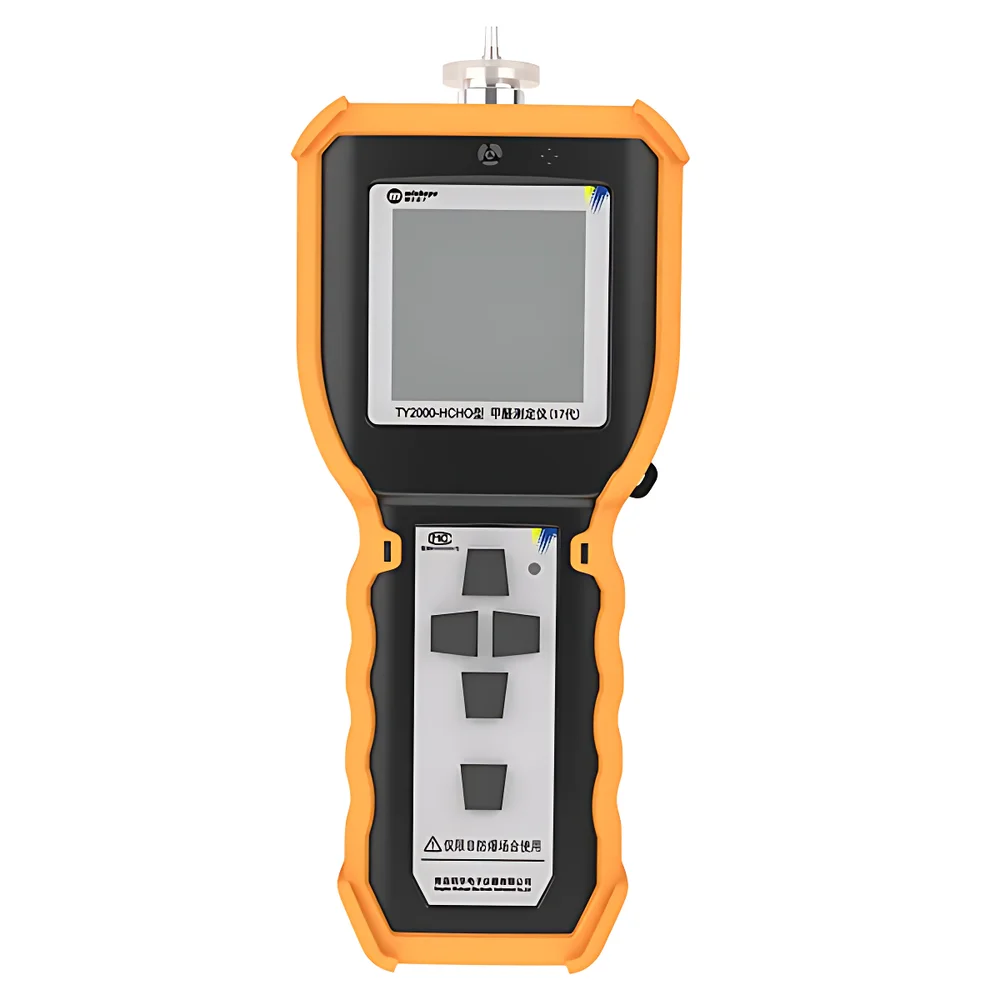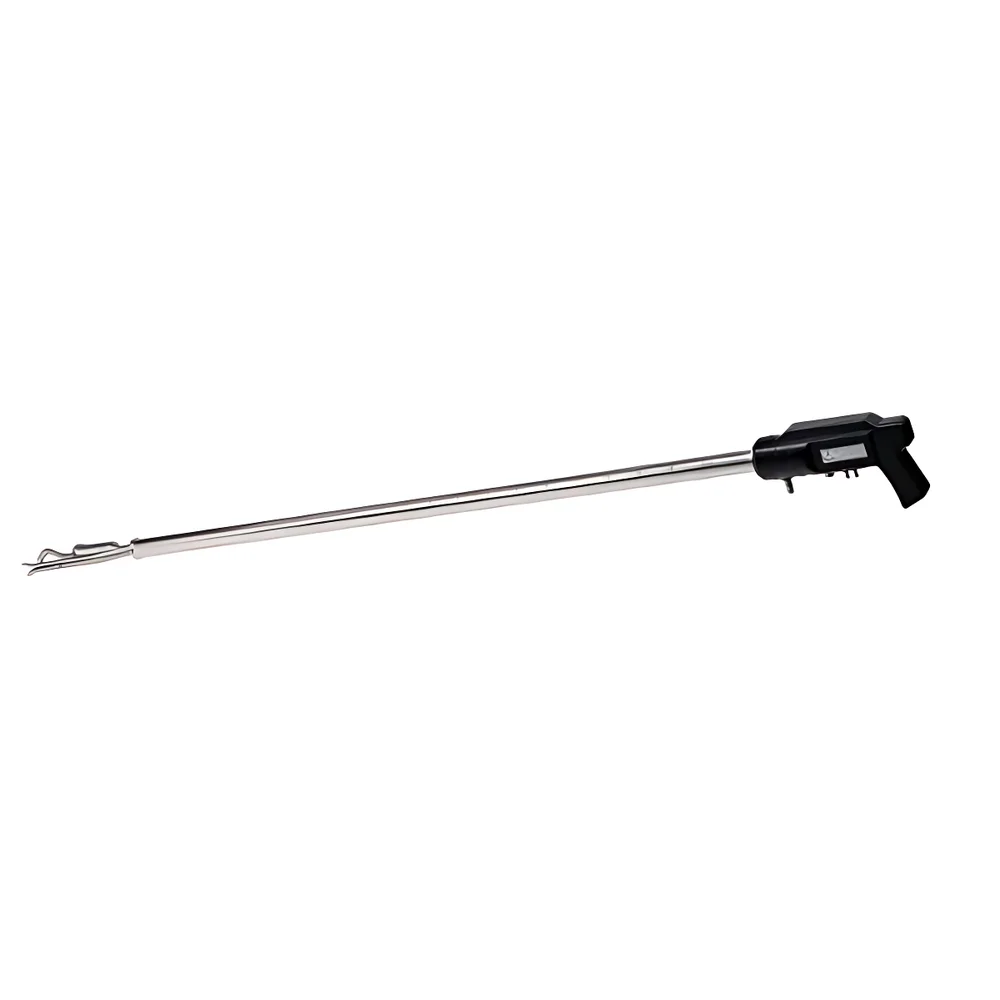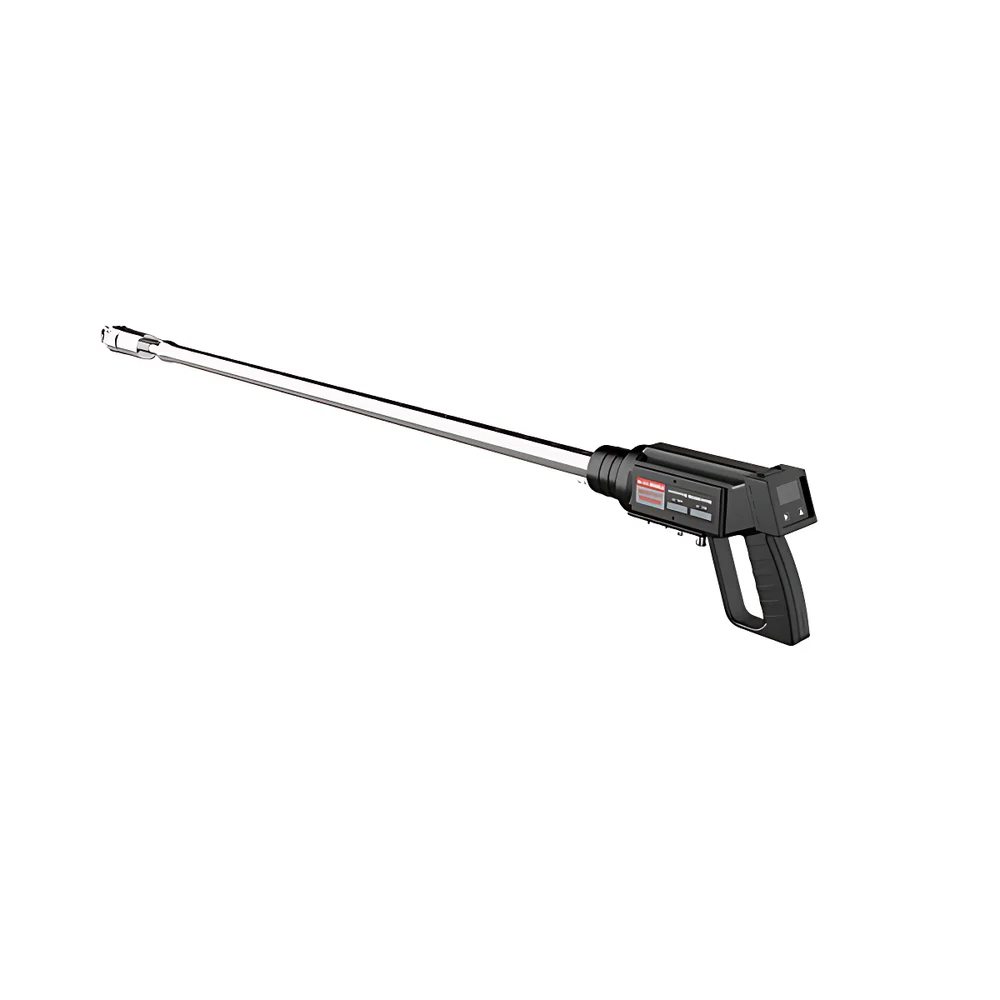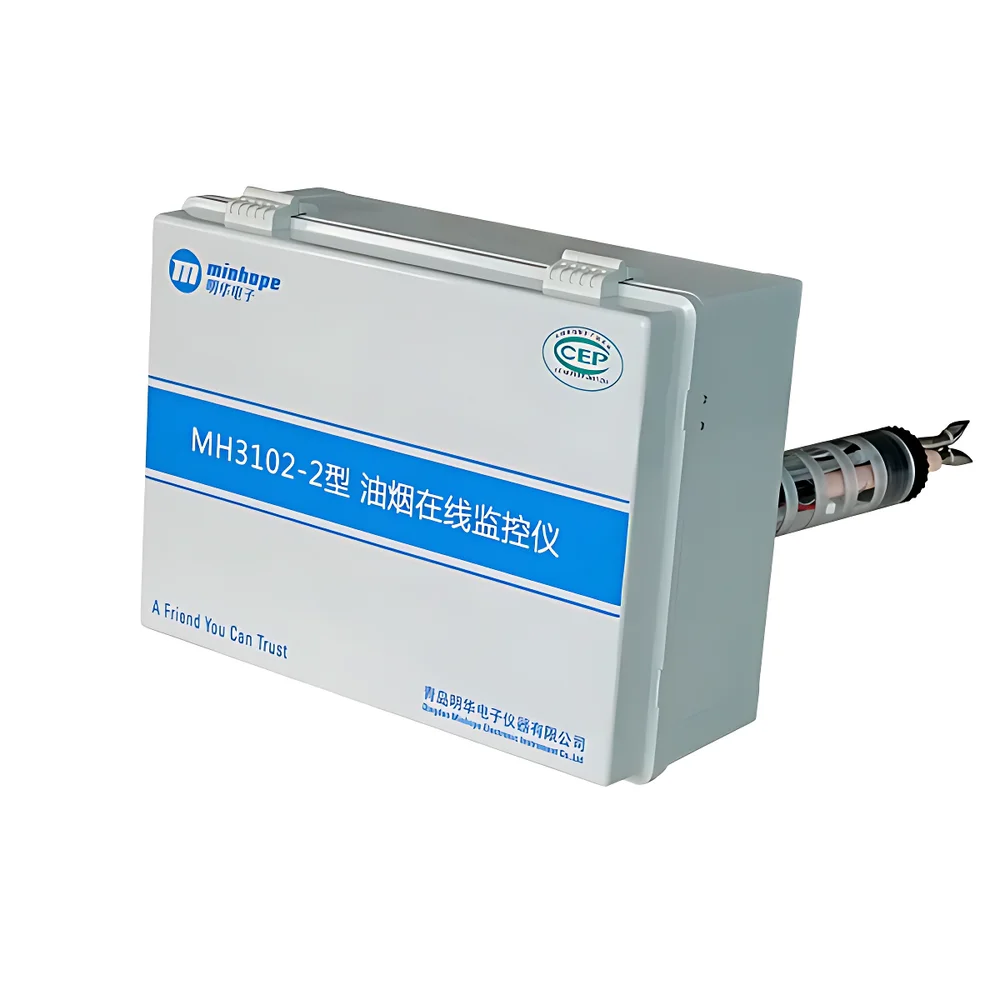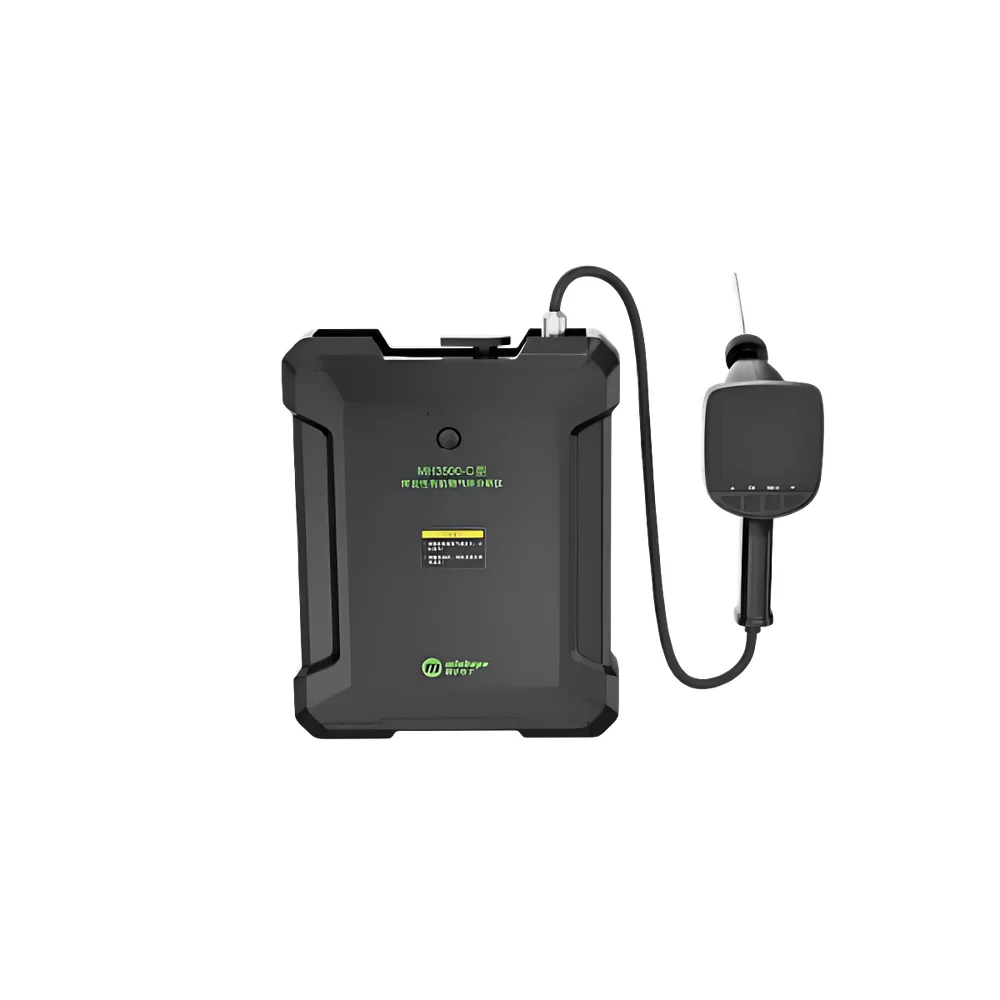
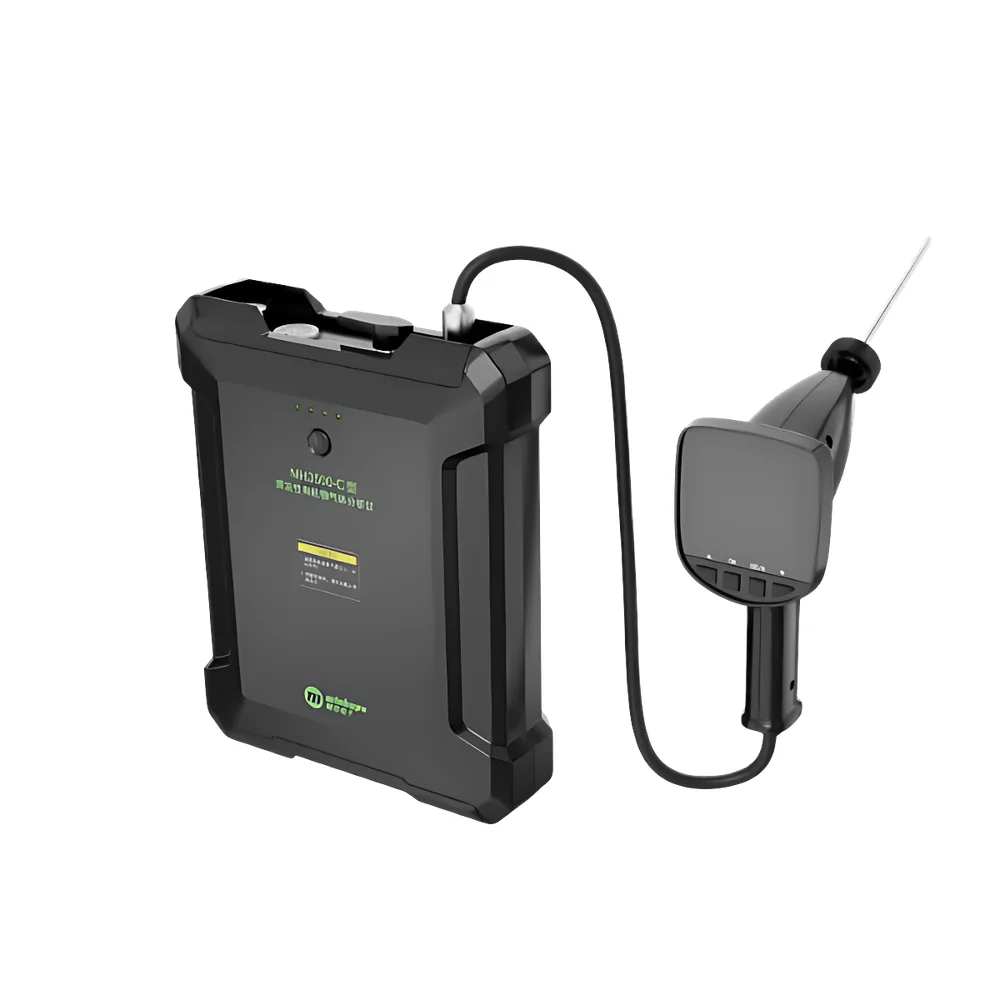
Minhope MH3500-C Portable VOC Analyzer with FID Detector

| Brand | Minhope |
|---|---|
| Origin | Shandong, China |
| Model | MH3500-C |
| Detection Principle | Flame Ionization Detection (FID) |
| Instrument Type | Portable |
| Typical Configuration | Total Volatile Organic Compounds (TVOC) Analyzer |
| Compliance | HJ 733–2014, HJ 1230–2021 |
| Optional Detectors | PID, TDLAS CH₄ sensor |
| Additional Sensors | O₂, CO, CO₂ |
| Integrated GNSS | BeiDou Positioning Module |
| User Interface | Built-in Display Probe + Optional WiFi Handheld Controller |
| Form Factor | Backpack-Mounted System |
Ask about pricing, availability and specifications.
Overview
The Minhope MH3500-C Portable VOC Analyzer is an engineered field-deployable instrument designed for quantitative detection and localization of volatile organic compound (VOC) emissions from uncontrolled sources—particularly in petrochemical, refining, and chemical manufacturing facilities. It operates on the flame ionization detection (FID) principle, where sample gases are combusted in a hydrogen–air flame, generating ions proportional to the carbon content of organic molecules. This provides robust, linear, and near-universal response to hydrocarbons and most non-halogenated organics—making it ideal for regulatory compliance with China’s HJ 733–2014 and HJ 1230–2021 standards for leak detection and repair (LDAR) programs. Unlike laboratory-based GC-FID systems, the MH3500-C integrates real-time signal processing, thermal stabilization, and flow-controlled sampling into a single ruggedized platform optimized for outdoor, point-source screening under variable ambient conditions.
Key Features
- Primary FID detector with calibrated response for total hydrocarbons (THC), enabling direct quantification of TVOC concentrations in parts-per-trillion (ppt) to parts-per-million (ppm) ranges
- Optional tunable diode laser absorption spectroscopy (TDLAS) module for selective, interference-free methane (CH₄) measurement—enabling NMHC calculation via subtraction (THC – CH₄)
- Interchangeable PID sensor head available for enhanced sensitivity to low-ionization-potential compounds (e.g., formaldehyde, ammonia, sulfur dioxide) not fully responsive to FID
- Modular multi-gas capability: integrated O₂, CO, and CO₂ electrochemical or NDIR sensors support concurrent safety and process monitoring
- Ergonomic probe with integrated OLED display and tactile controls—designed for one-handed operation during valve, flange, and pump seal inspections
- Backpack-integrated architecture with balanced weight distribution (< 5.2 kg system mass) and shock-absorbing chassis for extended field use across refinery perimeters and tank farms
- BeiDou GNSS receiver embedded for geotagged data logging; coordinates automatically stamped to each measurement record with UTC timestamp
Sample Compatibility & Compliance
The MH3500-C is validated for direct sampling of ambient air, fugitive emissions, and process vent streams at temperatures ranging from −20 °C to 50 °C and relative humidity up to 95% non-condensing. Its heated sampling line (optional) prevents condensation-induced analyte loss during high-moisture surveys. The system meets the performance criteria specified in HJ 733–2014 for instrument response time (< 10 s), detection limit (< 0.1 ppm as propane equivalent), and repeatability (RSD < 5%). All calibration protocols align with traceable NIST-certified gas standards. Data output formats comply with LDAR reporting templates required under China’s Ministry of Ecology and Environment (MEE) regulations. While not certified to ATEX or IECEx, the unit is rated IP54 for dust and water resistance—suitable for outdoor industrial environments under controlled supervision.
Software & Data Management
Data acquisition, visualization, and export are managed via the proprietary Minhope LDAR Suite (v3.2+), installed on the optional WiFi-enabled handheld controller or synchronized post-survey via USB-C. The software supports audit-trail logging per GLP principles—including operator ID, calibration history, GPS metadata, and automatic flagging of out-of-spec readings. Measurement records are stored in CSV and XML formats compatible with enterprise environmental management information systems (EMIS). Firmware updates include cryptographic signature verification to ensure data integrity and prevent unauthorized modification—addressing key requirements for regulatory data defensibility under MEE inspection protocols.
Applications
- LDAR program execution across refineries, olefin plants, and aromatic production units per HJ 1230–2021
- Routine screening of mechanical seals, relief valves, open-ended lines, and sampling connections
- Pre-startup safety reviews (PSSR) and turnaround emission verification
- Stack and fugitive source characterization during environmental impact assessments (EIA)
- Verification of vapor recovery unit (VRU) efficiency and flare stack combustion completeness
- Field validation of optical gas imaging (OGI) findings through quantitative concentration correlation
FAQ
Does the MH3500-C meet international LDAR standards such as EPA Method 21?
While optimized for Chinese regulatory frameworks (HJ 733–2014/HJ 1230–2021), its FID detection performance—response time, LOD, and linearity—is technically comparable to instruments used in EPA Method 21 applications; however, formal Method 21 certification requires third-party validation under U.S. EPA test conditions.
Can the instrument be calibrated using certified standard gases from international suppliers?
Yes—calibration is compatible with ISO 6141-certified gas mixtures (e.g., propane-in-air, methane-in-nitrogen) from major vendors including Linde, Air Liquide, and Scott Specialty Gases.
Is raw analog output available for integration with SCADA or DCS systems?
The MH3500-C provides isolated 4–20 mA analog outputs for primary FID signal and optional auxiliary sensors, configurable via device menu for direct PLC interfacing.
What is the recommended calibration frequency for routine LDAR surveys?
Per HJ 1230–2021, zero and span calibration must be performed before each survey day and after every 8 hours of continuous operation; full multi-point calibration is advised weekly or after sensor replacement.
How is data security ensured during wireless transmission to the hand controller?
WiFi communication uses WPA2-Enterprise encryption with TLS 1.2 handshake; no data is stored on the controller beyond active session cache, and all logs are digitally signed prior to export.