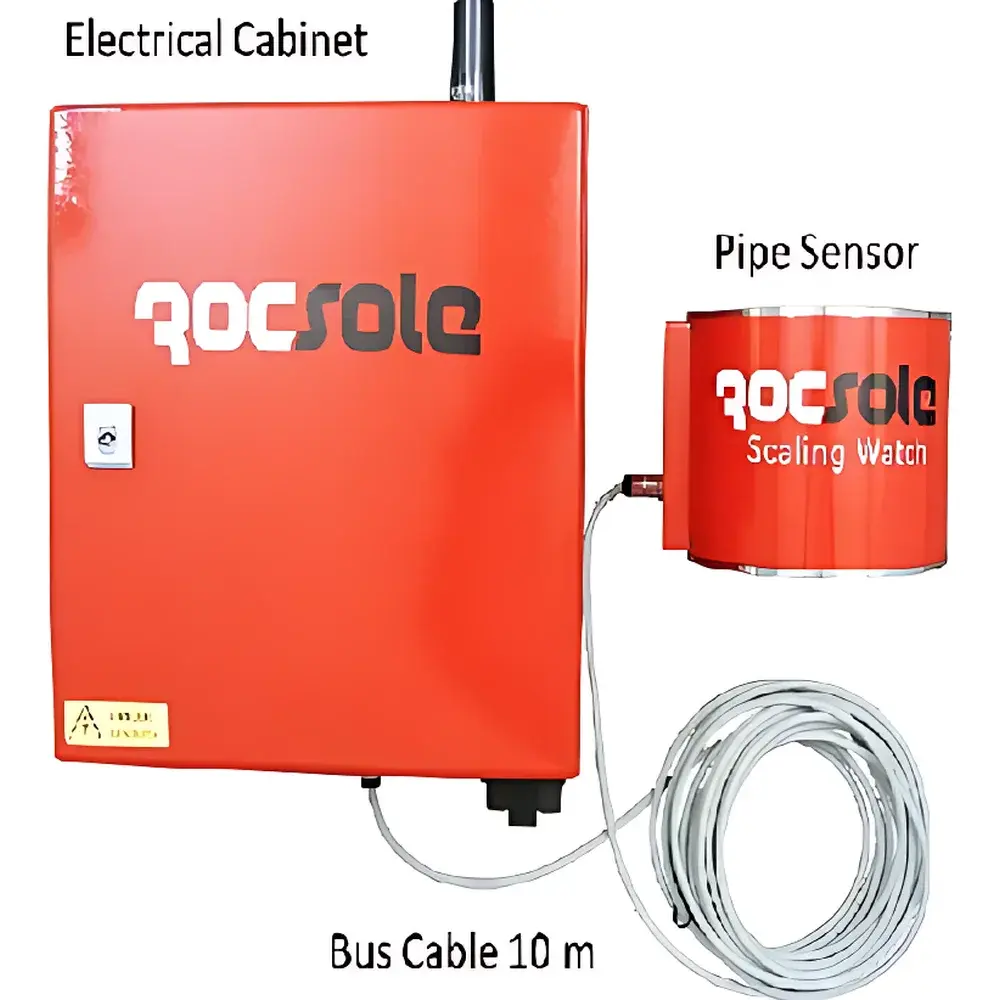
Rocsole Deposition Watch Non-Invasive Electrostatic Capacitance Tomography (ECT) Monitor
| Origin | Finland |
|---|---|
| Manufacturer Type | Authorized Distributor |
| Origin Category | Imported |
| Model | Deposition Watch |
| Pricing | Available Upon Request |
Overview
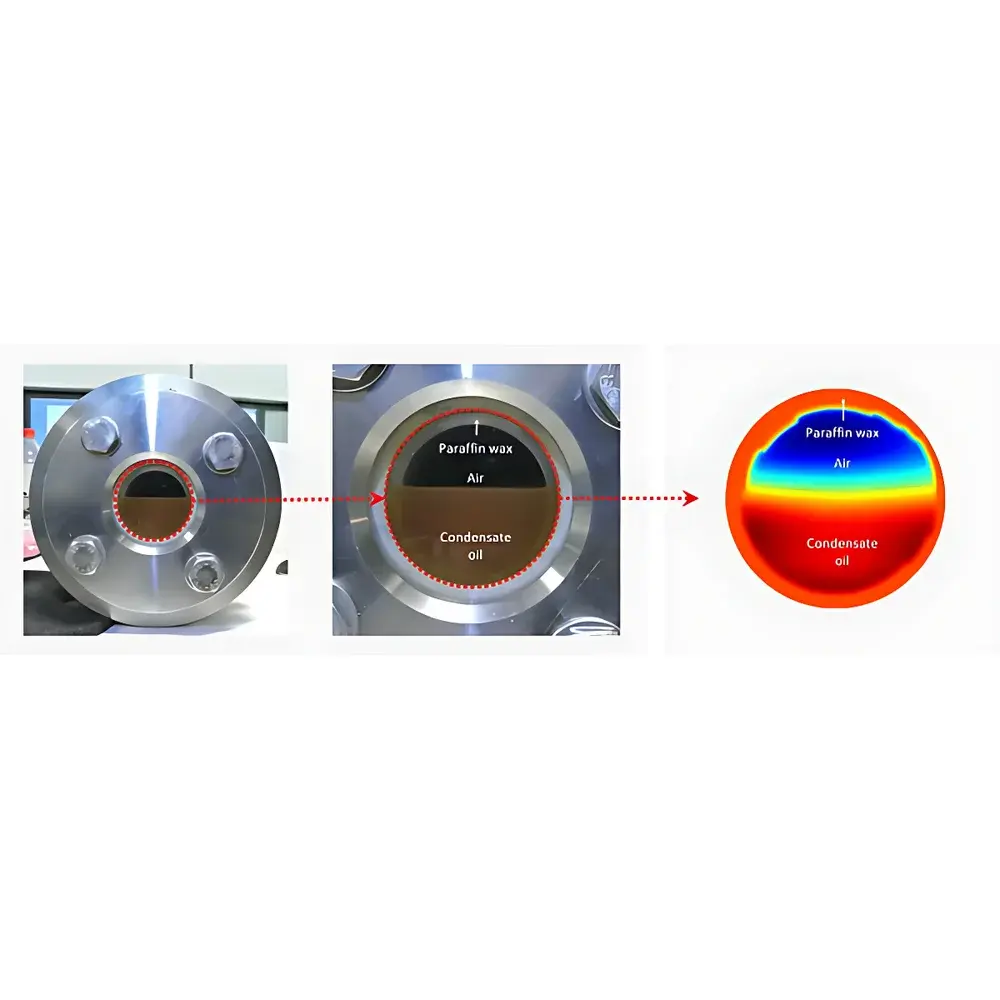
The Rocsole Deposition Watch is a non-invasive, real-time process monitoring system based on Electrostatic Capacitance Tomography (ECT), engineered for continuous visualization and quantitative analysis of deposition, sedimentation, and fouling dynamics inside conductive or non-conductive industrial pipes and vessels. Unlike conventional point-sensor technologies, the Deposition Watch reconstructs cross-sectional permittivity distributions using 16-electrode circular sensor arrays mounted externally on the pipe wall—eliminating process interruption, mechanical wear, or contamination risk. Its dual-mode excitation architecture enables seamless operation across the full dielectric spectrum—from fully liquid-filled (e.g., water-based slurries) to gas-dominated (e.g., vapor-phase transport)—by dynamically adapting electrode coupling and signal conditioning based on local conductivity thresholds. This capability makes it uniquely suited for applications where phase distribution, interface migration, and deposit accumulation must be tracked under varying process conditions without intrusive instrumentation.
Key Features
- True non-invasive installation: Sensor ring clamps externally onto standard pipe sections; no process penetration, welding, or shutdown required.
- Dual-mode ECT architecture: Automatically switches between high-sensitivity low-permittivity and high-dynamic-range high-permittivity measurement modes based on real-time conductivity assessment.
- High-resolution imaging: Reconstructs tomographic frames at up to 200 × 200 pixel resolution using Rocsole’s proprietary Dynamical Nonlinear Filtering Method—delivering superior spatial fidelity and temporal stability compared to conventional linear back-projection or Tikhonov-regularized algorithms.
- Real-time frame rates: Adjustable acquisition speed from 10 ms to 100 ms per frame; image reconstruction throughput ranges from 1 to 200 fps depending on computational configuration and application complexity.
- Robust signal integrity: Excitation frequency tunable between 30 kHz and 200 kHz; peak-to-peak excitation voltage maintained below 1 Vpp with adaptive amplitude control; SNR consistently exceeds 60 dB under industrial electromagnetic noise conditions.
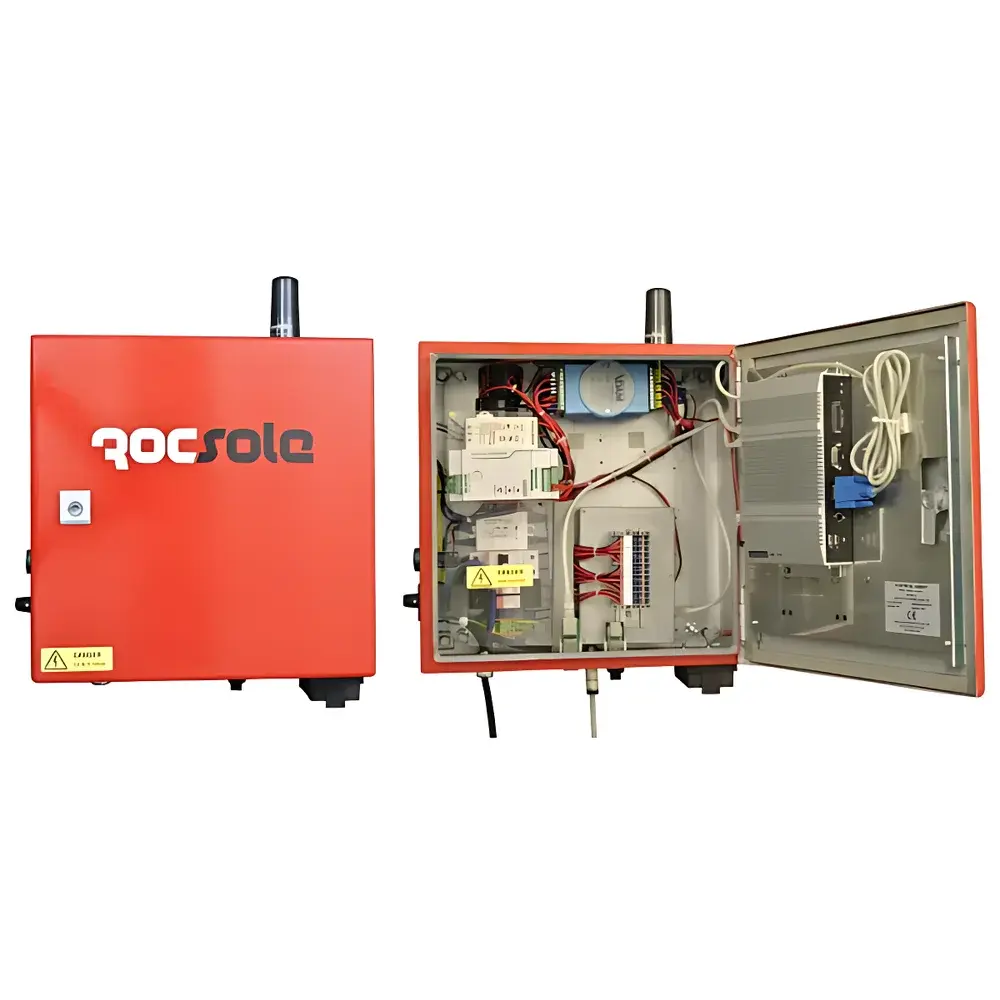
- Web-native HMI: Browser-based graphical user interface accessible via Ethernet connection—enabling remote operation from central control rooms, DCS integration, and secure access through standard IT infrastructure.
Sample Compatibility & Compliance
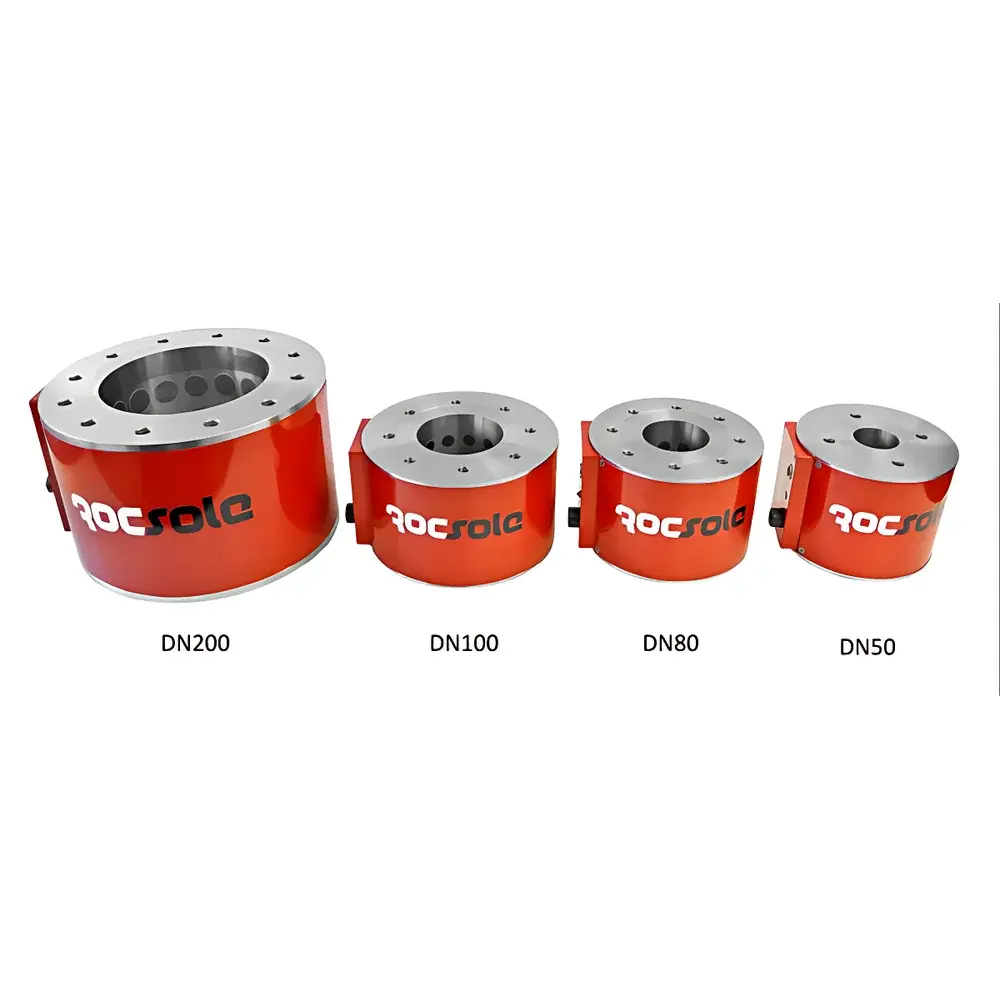
The Deposition Watch is compatible with metallic and non-metallic piping systems (e.g., carbon steel, stainless steel, PVC, FRP) with nominal diameters from DN50 to DN600. It supports multiphase flows containing solids, liquids, and gases—including abrasive slurries, polymer melts, caustic solutions, and hydrocarbon vapors—without sensor degradation. The system complies with IEC 61000-6-2 (immunity) and IEC 61000-6-4 (emissions) for industrial environments. Data logging and audit trails adhere to GLP/GMP principles; optional configuration supports FDA 21 CFR Part 11-compliant electronic signatures and role-based access control when deployed in regulated pharmaceutical or food-grade facilities.
Software & Data Management
The embedded firmware and web-based software suite provide synchronized time-series visualization of permittivity maps, radial profile trends, and volumetric deposit thickness estimation. Raw capacitance data and reconstructed images are timestamped and stored in HDF5 format for post-processing interoperability with MATLAB, Python (NumPy/SciPy), or commercial CFD platforms. Trend analysis tools support automated detection of deposition onset, growth rate quantification, and alarm-triggered event capture. All communication occurs over standard TCP/IP; RESTful API endpoints enable integration with MES, SCADA, and predictive maintenance platforms. Audit logs record user actions, parameter changes, and system status—fully traceable for regulatory review.
Applications
- Oil & gas: Monitoring wax and asphaltene deposition in subsea flowlines and production manifolds.
- Chemical processing: Visualizing fouling progression in heat exchangers, reactors, and transfer lines handling viscous or reactive media.
- Water treatment: Tracking biofilm formation and sediment accumulation in clarifiers and filtration headers.
- Pulp & paper: Quantifying fiber mat build-up in stock pipelines and headbox feed systems.
- Pharmaceutical manufacturing: Verifying uniformity of suspension transport and detecting blockage precursors in sterile transfer loops.
FAQ
Can the Deposition Watch operate in pressurized or high-temperature pipelines?
Yes—sensor rings are rated for service temperatures up to 120 °C and pressures up to PN40 when installed with appropriate thermal insulation and mounting hardware. Custom variants support higher ratings upon engineering review.
Is calibration required during routine operation?
No field recalibration is needed. The system performs automatic reference capacitance normalization before each acquisition cycle using built-in guard electrodes and drift-compensated analog front-end circuitry.
How does the system handle electromagnetic interference in electrically noisy plants?
The 30–200 kHz excitation band avoids common 50/60 Hz harmonics and VFD switching frequencies; combined with differential sensing, shielded cabling, and digital filtering, it maintains >60 dB SNR even near large motors or rectifiers.
Can multiple sensor rings be synchronized on a single pipeline?
Yes—up to eight independent rings can be daisy-chained via Ethernet and time-synchronized to ±100 µs accuracy for longitudinal deposition profiling.
What computing resources are required for real-time image reconstruction?
A dedicated industrial PC with Intel Core i5 or better, 8 GB RAM, and SSD storage is recommended for full 200 fps reconstruction; lower frame rates run reliably on standard HMIs or virtual machines.