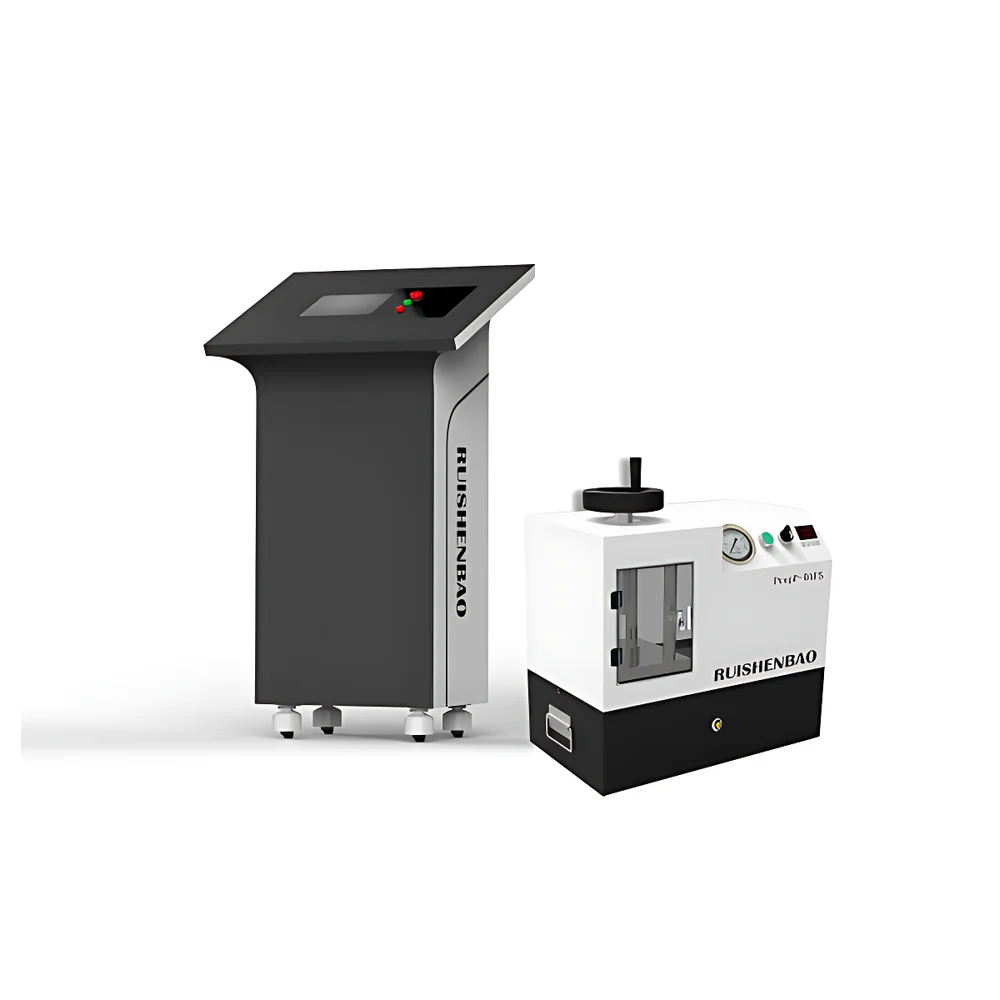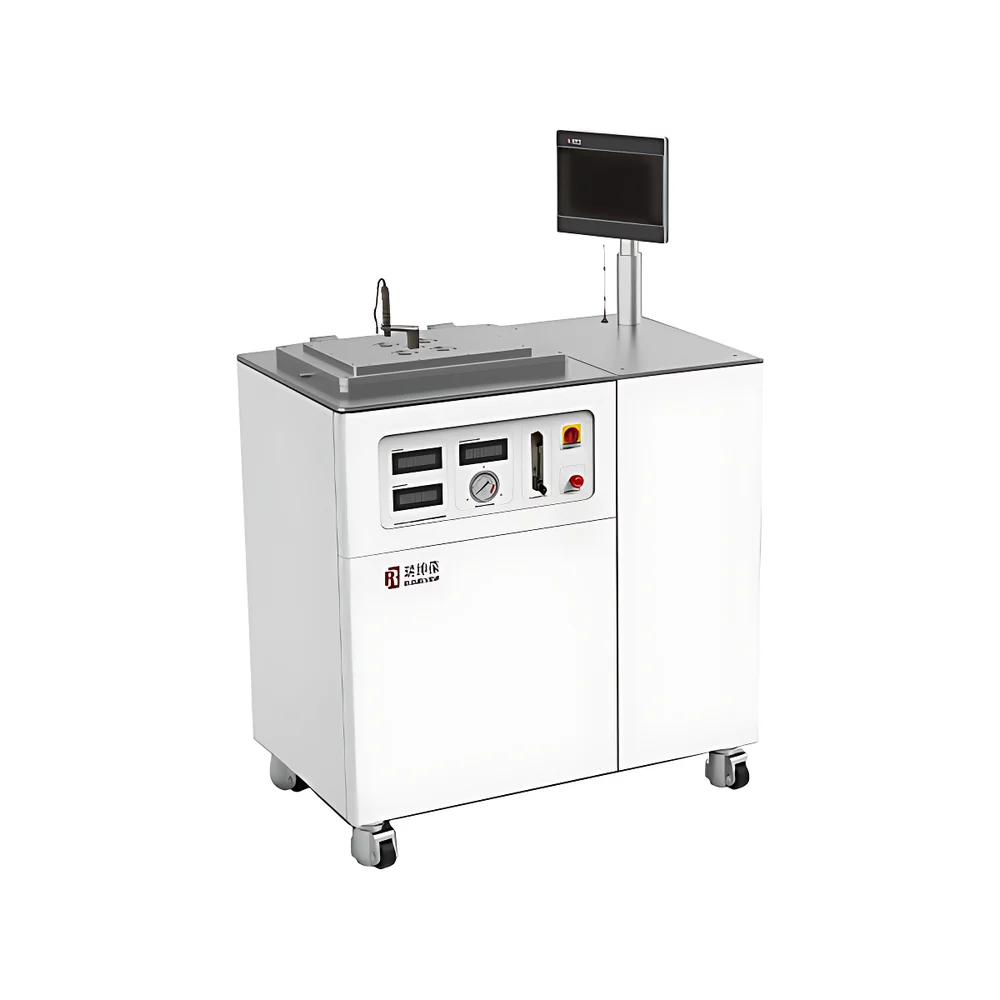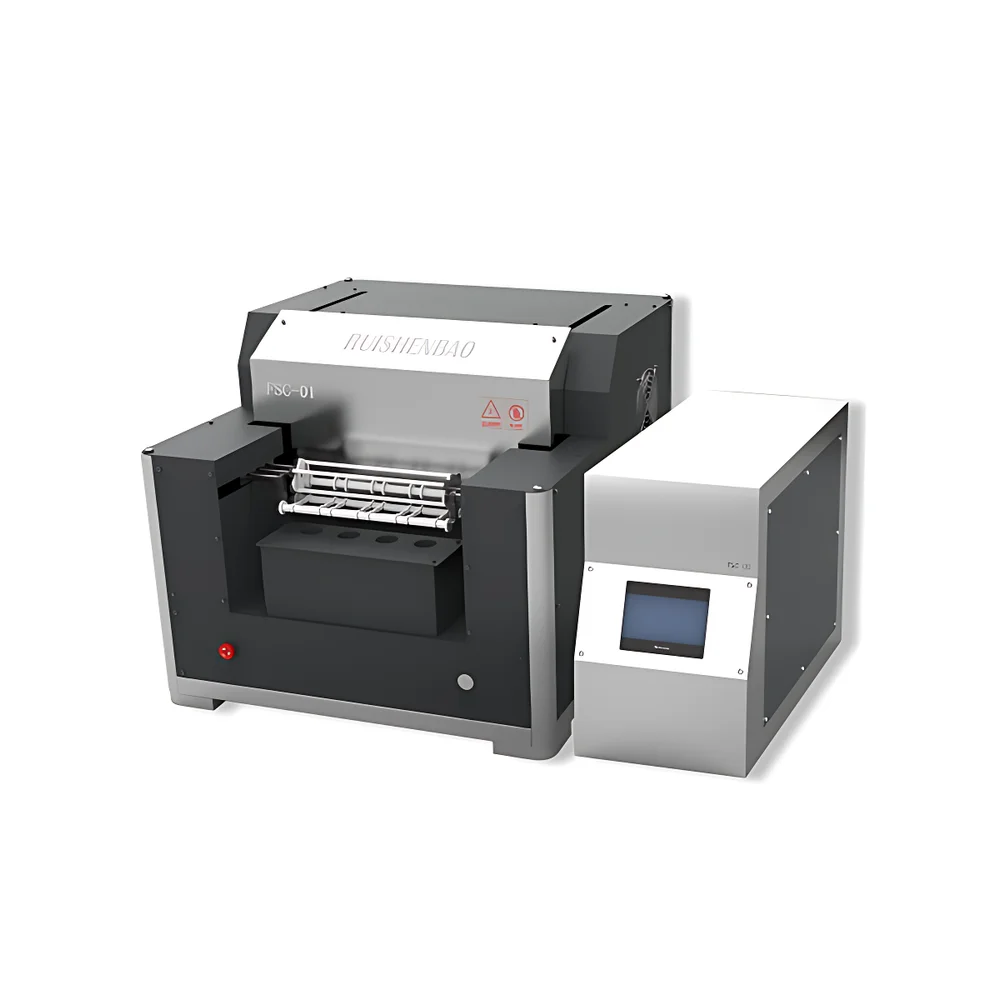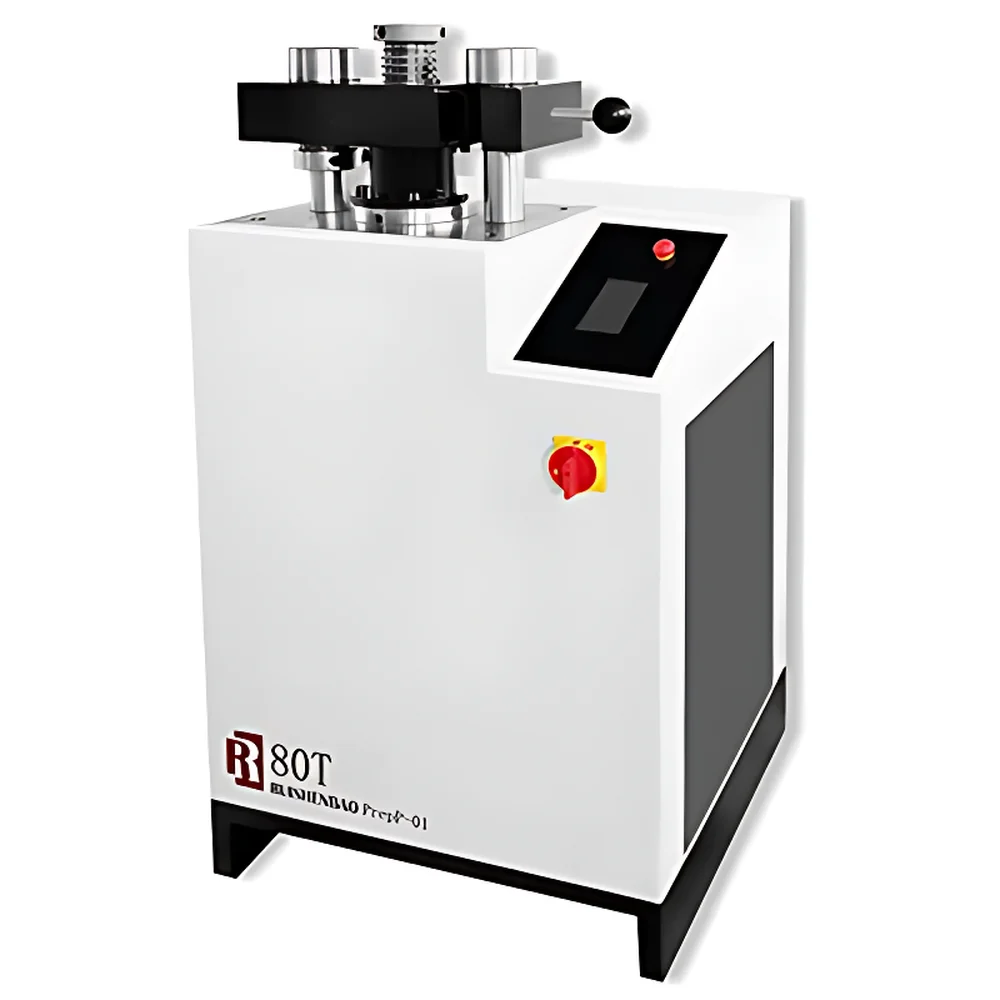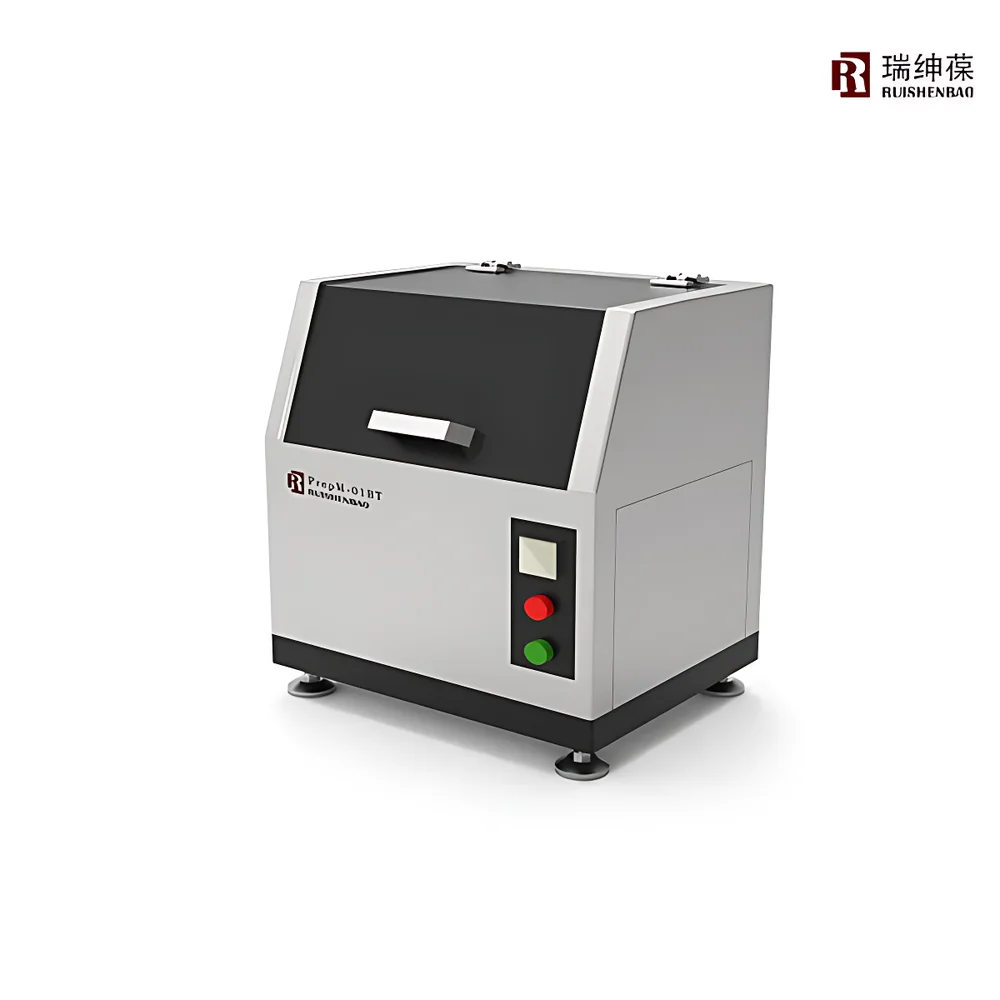
Ruishenbao PrepM-01BT Benchtop Vibratory Mill

| Brand | Ruishenbao |
|---|---|
| Origin | Tianjin, China |
| Manufacturer Type | Authorized Distributor |
| Country of Origin | China |
| Model | PrepM-01BT |
| Instrument Type | Vibratory Mill |
| Sample Suitability | Hard, brittle, and dry fibrous materials |
| Feed Particle Size | < 10 mm |
| Final Particle Size | ≤ 75 µm (200 mesh) |
| Batch Grinding Capacity | 50 mL |
| No-Load Speed Range | 960–3000 rpm |
| Power Supply | AC 220 V / 50 Hz |
| Rated Power | 750 W |
| Dimensions (L×W×H) | 395 × 480 × 625 mm |
| Net Weight | 45 kg |
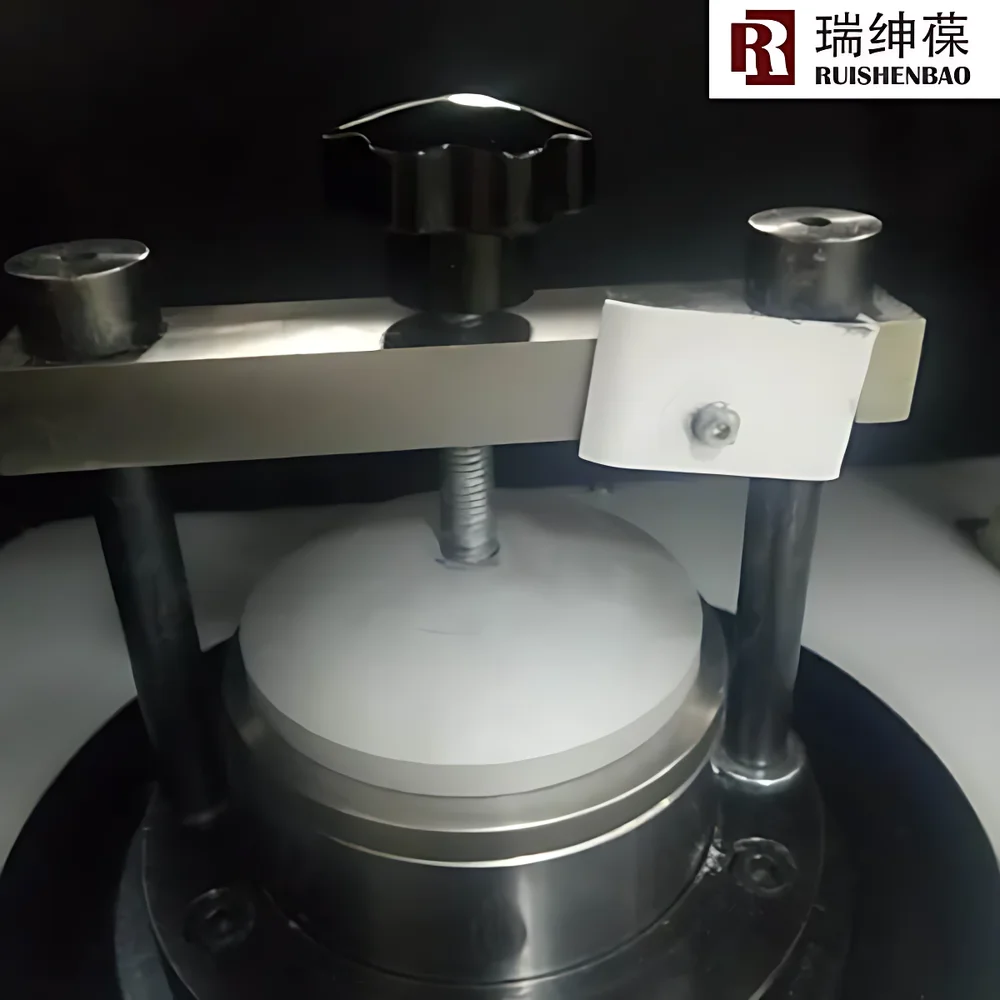
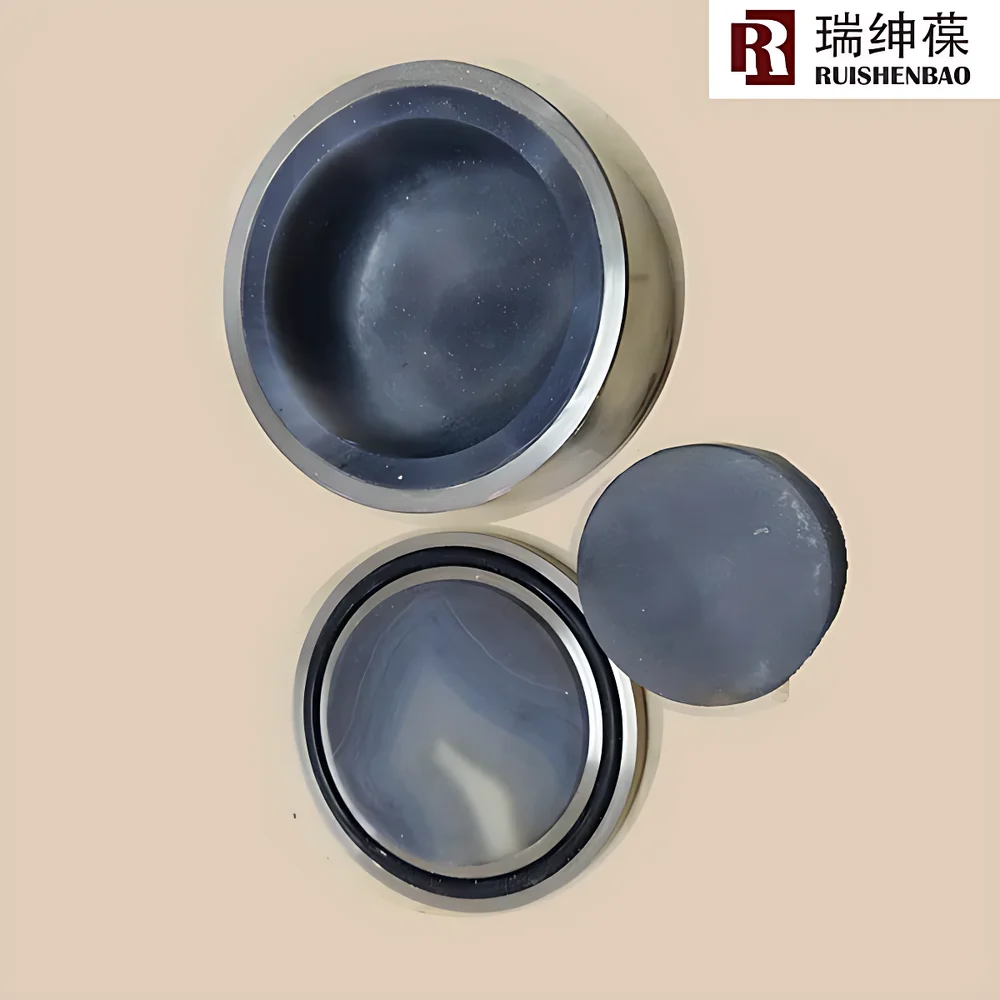
| Grinding Vessel Material Options | Chrome steel, tungsten carbide, manganese steel, agate (custom materials available) |
| Vessel Volume | Standard 50 mL (custom volumes optional) |
| Fill Ratio | 30–50% of effective vessel volume (material-dependent) |
Ask about pricing, availability and specifications.
Overview
The Ruishenbao PrepM-01BT Benchtop Vibratory Mill is a compact, high-efficiency sample preparation instrument engineered for rapid, reproducible size reduction of hard, brittle, and dry-fibrous solid materials. It operates on the principle of eccentrically induced horizontal circular vibration—generated by a precisely balanced eccentric drive mechanism—transmitted through a spring-suspended grinding platform to the fixed grinding vessel. This motion subjects the sample to simultaneous compressive, impact, frictional, and shear forces, enabling uniform comminution without thermal degradation or cross-contamination. Unlike planetary or ball mills requiring extended processing times, the PrepM-01BT achieves consistent sub-75 µm particle size distribution (equivalent to 200 mesh) in 1–3 minutes per batch, making it especially suitable for X-ray fluorescence (XRF), X-ray diffraction (XRD), and other analytical techniques demanding strict particle size homogeneity and minimal segregation.
Key Features
- Eccentric Drive System: A high-torque vibration motor coupled with an optimized eccentric mass generates intense, directional oscillation—delivering superior energy transfer to the grinding media and sample.
- Spring-Suspended Platform: Vertical support combined with eight-point lateral tension ensures stable, planar circular motion—minimizing mechanical resonance and maximizing grinding repeatability across batches.
- Integrated Safety Interlock: Pneumatically assisted safety door with dual position-limit switches prevents operation unless fully closed and latched—fully compliant with IEC 61000-6-2/6-4 electromagnetic compatibility and mechanical safety standards.
- Acoustic Damping Design: Internally lined with multi-layer acoustic absorption material, the mill enclosure reduces operational noise to <65 dB(A) at 1 m distance—meeting ISO 7779 and ISO 3744 requirements for laboratory ambient noise control.
- Benchtop Footprint: Compact dimensions (395 × 480 × 625 mm) and 45 kg net weight allow direct placement on standard lab benches—no floor mounting or dedicated utility infrastructure required.
- Energy-Efficient Operation: Rated at 750 W and compatible with standard AC 220 V / 50 Hz supply—no auxiliary cooling, compressed air, or phase-specific wiring needed.
Sample Compatibility & Compliance
The PrepM-01BT accommodates diverse sample matrices including ores (e.g., iron ore, bauxite, copper concentrates), geological materials (soils, rocks, slags), construction aggregates (cement, limestone, quartz), metallurgical residues (EAF slag, BOF slag), catalysts, polymers, pharmaceutical tablets, and botanical specimens. Its modular grinding vessel system supports interchangeable liners and media made from chrome steel, tungsten carbide, manganese steel, or agate—ensuring chemical inertness and wear resistance for trace-level analysis. All mechanical and electrical components conform to CE marking directives (2014/30/EU EMC, 2014/35/EU LVD), and the unit’s design facilitates full traceability under GLP and ISO/IEC 17025-accredited laboratory workflows.
Software & Data Management
The PrepM-01BT operates via an integrated digital control panel with adjustable speed setting (960–3000 rpm, no-load), programmable run time (0–99 min), and real-time status indicators. While the base model does not include PC connectivity, its operational parameters are fully loggable via external lab information management systems (LIMS) using RS-232 or optional USB-to-serial adapters. All user-defined protocols—including speed, duration, and vessel type—are stored locally with timestamped execution records, supporting audit readiness for FDA 21 CFR Part 11-compliant environments when paired with validated electronic record-keeping software.
Applications
This mill serves as a primary sample homogenization tool in QA/QC laboratories across mining, cement, steel, non-ferrous metals, petrochemical, pharmaceutical, food, and academic research sectors. It is routinely employed for preparing pressed pellets for XRF analysis, powder mounts for XRD, and fine feedstock for ICP-OES/MS digestion—where particle size uniformity directly influences measurement precision and calibration stability. Its ability to process moisture-sensitive or oxidation-prone samples under inert gas purging (via optional sealed vessel kits) further extends applicability to reactive metal powders and air-sensitive catalysts.
FAQ
What is the maximum recommended fill volume for the 50 mL grinding vessel?
For optimal energy transfer and particle size consistency, the vessel should be loaded to 30–50% of its nominal capacity—i.e., 15–25 mL of bulk sample volume—depending on material density and friability.
Can the PrepM-01BT be used for cryogenic grinding?
No—the standard configuration is not designed for liquid nitrogen cooling; however, optional low-temperature vessel sleeves and pre-chilled media may be used for moderately temperature-sensitive organics under controlled ambient conditions.
Is the device compatible with ISO 18333 (XRF sample preparation) guidelines?
Yes—the achieved ≤75 µm particle size, high inter-batch repeatability (RSD <3% for d50), and absence of contamination from vessel wear meet the physical preparation criteria specified in ISO 18333-1:2020 for XRF pelletization.
How often does the suspension spring system require maintenance?
Under normal use (≤8 h/day, 5 days/week), the spring assembly requires inspection every 12 months; no lubrication or replacement is needed unless visible fatigue or permanent deformation occurs.
Does Ruishenbao provide validation documentation for GMP environments?
Yes—upon request, factory-issued IQ/OQ documentation, material certifications (e.g., EN 10204 3.1 for vessel alloys), and test reports against ASTM E11-22 (wire cloth specifications) and ISO 565:2022 (test sieves) are available.