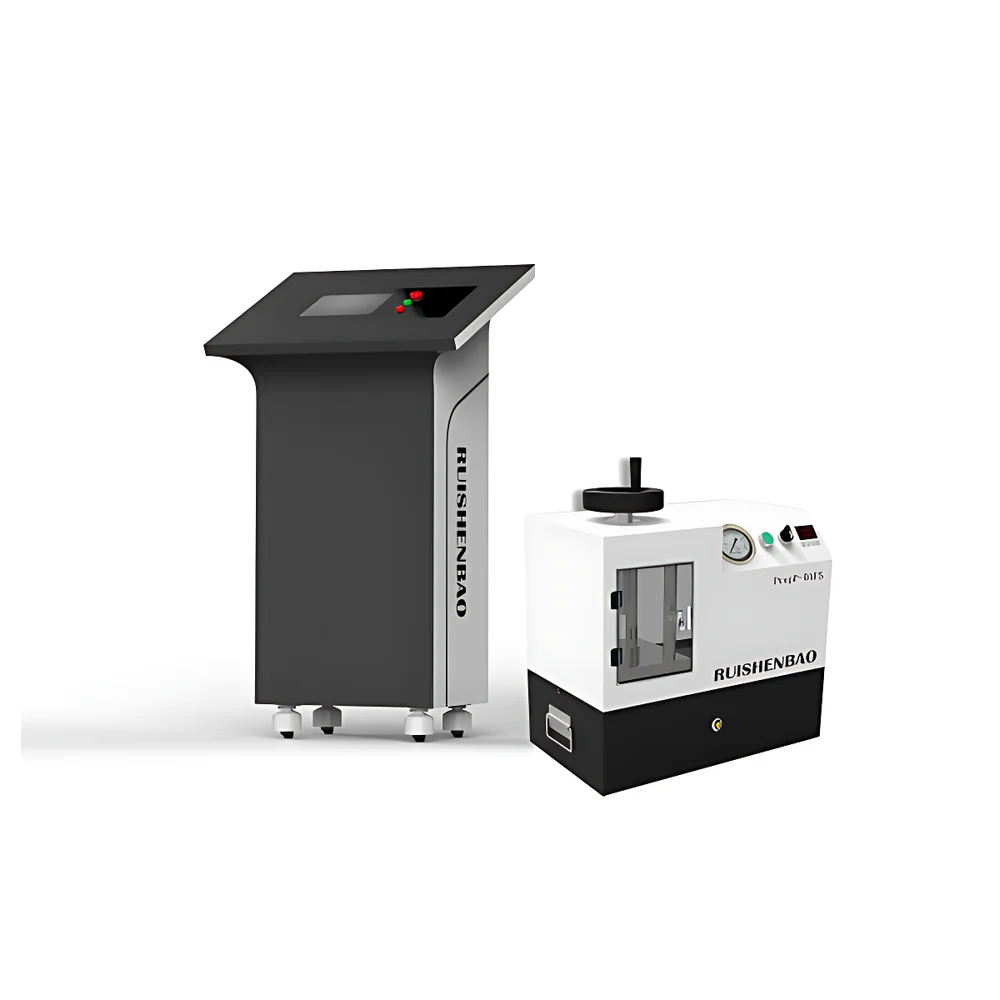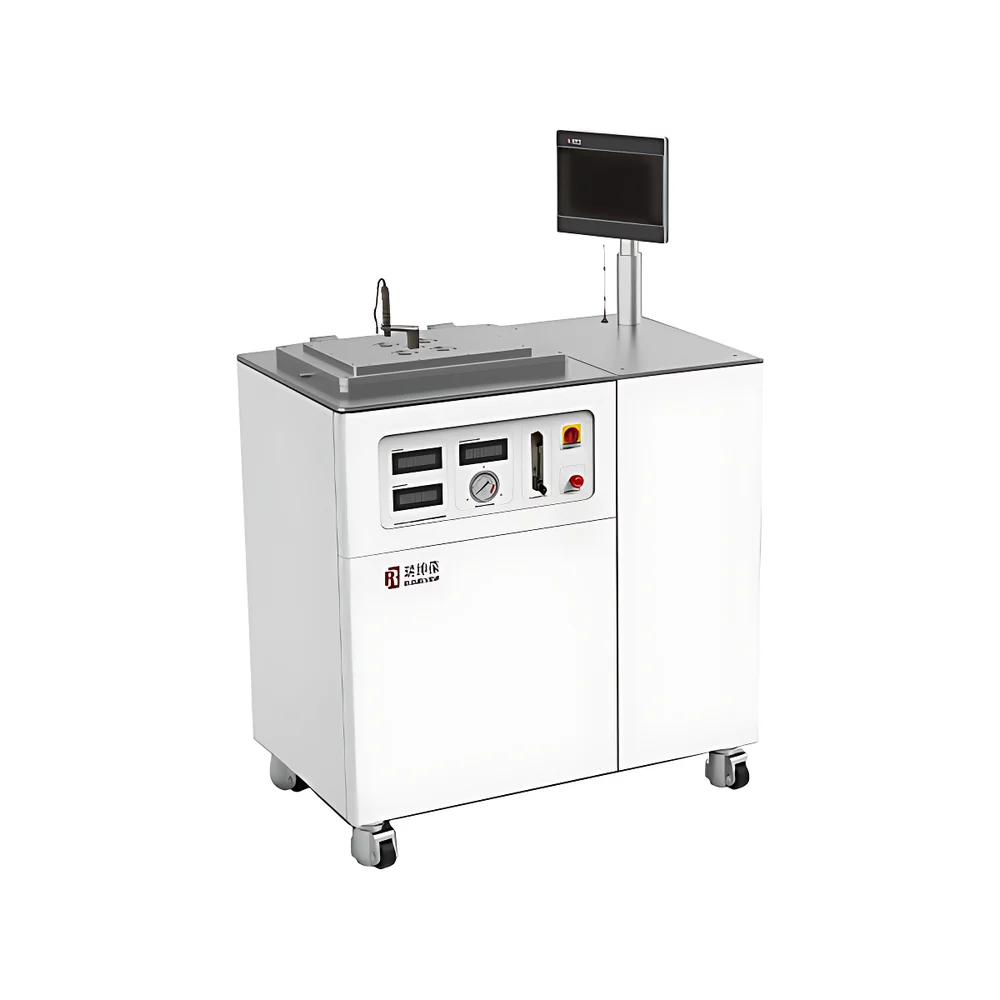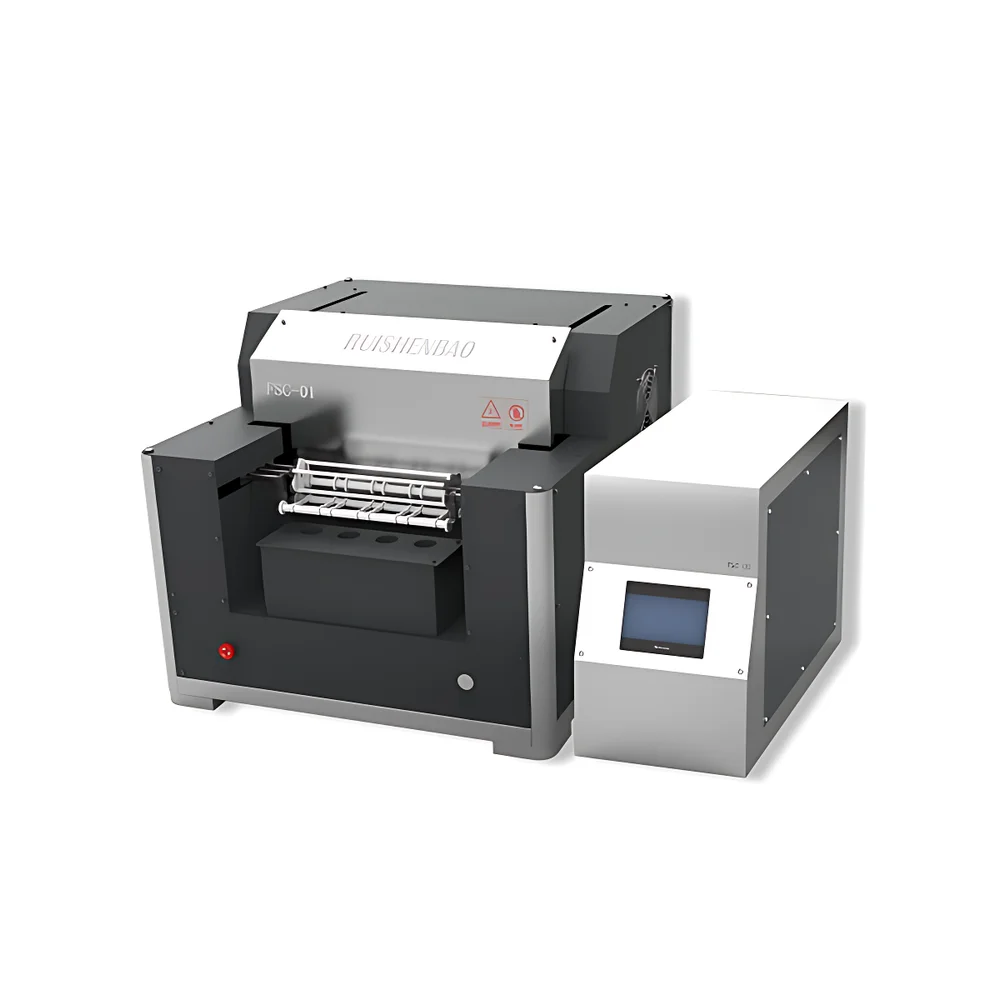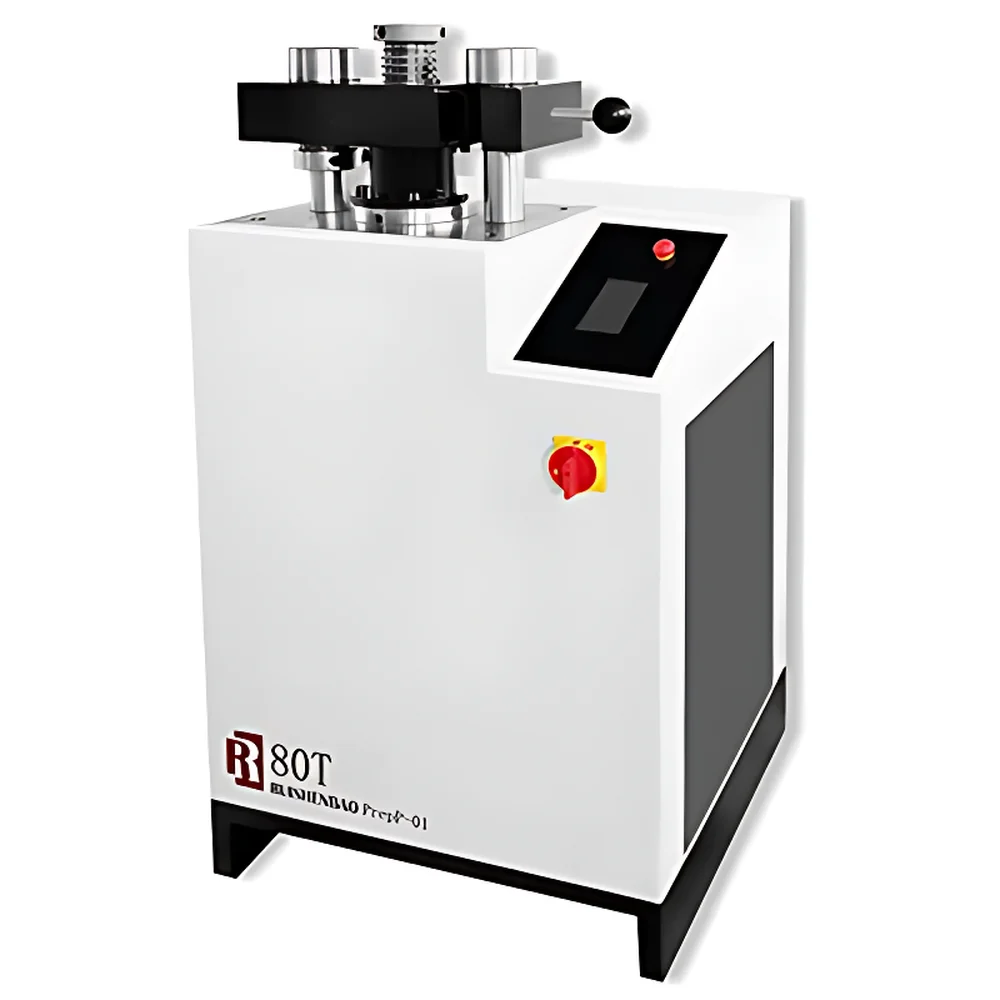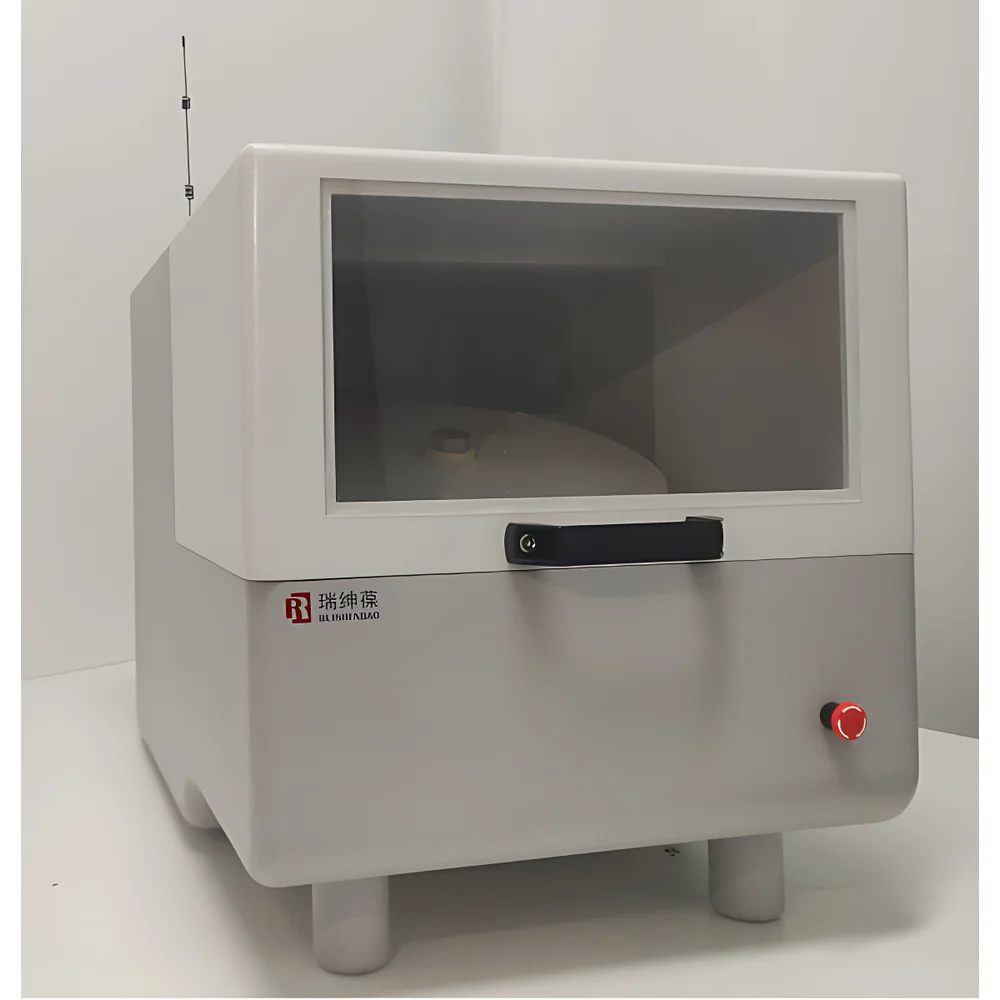
Ruishenbao PrepSM-01 Multi-Sample High-Efficiency Planetary Ball Mill

| Brand | Ruishenbao |
|---|---|
| Origin | Tianjin, China |
| Model | PrepSM-01 |
| Instrument Type | Planetary Ball Mill |
| Sample Compatibility | Hard, brittle, and dry fibrous materials |
| Feed Particle Size | < 0.1 mm |
| Final Particle Size | ≤ 50 µm (200 mesh) |
| Batch Grinding Capacity | 60 × 5 mL vials |
| Rotational Speed | 200 rpm |
| Grinding Bowl Tilt Angle | 0–40° adjustable |
| Bowl Material | Alumina (customizable) |
| Grinding Media | 5 mm or 8 mm alumina balls (customizable) |
| Bowl Volume | 5 mL (customizable) |
| Power Supply | AC 220 V, 50 Hz, 6 A |
| Power Consumption | 1 kW |
| Dimensions (L×W×H) | 395 × 480 × 625 mm |
| Net Weight | 45 kg |
| Noise Level | < 70 dB(A) |
| Remote Control | Internet-enabled smart control system (mobile/iPad compatible) |
Ask about pricing, availability and specifications.
Overview
The Ruishenbao PrepSM-01 Multi-Sample High-Efficiency Planetary Ball Mill is an engineered solution for high-throughput, contamination-free sample preparation in analytical laboratories. It operates on the principle of planetary ball milling—where grinding bowls rotate eccentrically around a central axis while simultaneously rotating on their own axes—generating intense centrifugal, impact, and shear forces. This dual-axis motion enables rapid particle size reduction through controlled mechanical energy transfer, achieving consistent sub-50 µm particle distributions within 1–3 minutes per batch. Designed specifically for hard, brittle, and dry fibrous materials—including minerals, ceramics, alloys, pharmaceutical excipients, and geological specimens—the PrepSM-01 ensures reproducible comminution without thermal degradation or compositional alteration. Its sealed grinding architecture eliminates airborne particulate release, supporting ISO 17025-compliant sample integrity protocols and meeting baseline requirements for GLP-aligned quality control environments.
Key Features
- High-throughput multi-sample processing: Simultaneous grinding of up to 60 independent samples in standardized 5 mL vials, minimizing operator intervention and inter-batch variability.
- Zero-cross-contamination design: Each sample remains fully enclosed within its individual alumina grinding bowl throughout the entire process; no shared grinding media or chamber surfaces.
- Precision-adjustable mechanical parameters: Tilt angle of the grinding disc (0–40°) and rotational speed (200 rpm) are independently controllable to optimize energy input for diverse material hardness and fracture behavior.
- Modular grinding components: Standard alumina bowls and 5 mm / 8 mm grinding media; optional customization available for zirconia, stainless steel, tungsten carbide, or PTFE-lined configurations to prevent elemental leaching or catalytic interference.
- Low-noise operational profile: Acoustic emission maintained below 70 dB(A) at 1 m distance—compatible with shared laboratory spaces and adjacent sensitive instrumentation such as ICP-MS or XRD systems.
- Smart connectivity: Integrated Ethernet/Wi-Fi interface supports remote monitoring and protocol execution via web browser, iOS, or Android applications; full audit trail logging compliant with FDA 21 CFR Part 11 requirements when paired with validated software modules.
Sample Compatibility & Compliance
The PrepSM-01 accommodates a broad spectrum of inorganic and organic solid matrices requiring homogenization prior to elemental analysis (XRF, ICP-OES), phase identification (XRD), or thermal characterization (DSC/TGA). Validated use cases include silicates, metal oxides, sintered ceramics, battery cathode powders, and herbal botanicals. All grinding components conform to ISO 8502-3 for trace-metal-clean manufacturing practices. The sealed vial system meets ASTM D7348–18 criteria for “minimizing analyte loss during sample preparation” and supports compliance with CNAS-CL01:2018 and ISO/IEC 17025:2017 documentation standards for accredited testing laboratories.
Software & Data Management
The embedded control firmware records time-stamped operational logs—including tilt angle, duration, rpm, ambient temperature, and error codes—for each vial position. When deployed with Ruishenbao’s optional LabLink™ software suite, users gain access to automated method libraries, electronic signature workflows, and exportable CSV/Excel reports traceable to individual sample IDs. Data encryption (AES-256) and role-based user permissions align with institutional IT security policies. Audit trails retain immutable records for ≥12 months, satisfying internal QA reviews and external regulatory inspections under GMP Annex 11 and EU Commission Regulation (EC) No 2023/1077.
Applications
- Geological survey labs: Rapid pulverization of drill core fragments for geochemical mapping and rare-earth element quantification.
- Materials R&D centers: Preparing uniform feedstock powders for additive manufacturing feedstock qualification.
- Pharmaceutical QC: Achieving USP particle size distribution compliance for tablet excipient blends.
- Environmental testing labs: Homogenizing soil/sediment composites for heavy metal extraction efficiency validation per EPA Method 3050B.
- Ceramic and metallurgical institutes: Generating reproducible particle morphology for sintering behavior studies and density correlation modeling.
FAQ
What types of samples are incompatible with the PrepSM-01?
Samples with high moisture content (>15% w/w), volatile organic solvents, or pyrophoric properties are not recommended due to sealing limitations and thermal accumulation risks.
Can grinding parameters be saved as reusable methods?
Yes—up to 100 programmable methods can be stored locally or synchronized across networked instruments via LabLink™ cloud backup.
Is calibration required before routine use?
No routine calibration is mandated; however, annual verification of rotational speed accuracy (±1 rpm tolerance) and tilt-angle encoder linearity (±0.5°) is advised per ISO/IEC 17025 Clause 6.5.2.
How is cross-contamination verified between batches?
Ruishenbao provides a certified blank test protocol using ultra-pure quartz sand; post-grind ICP-MS analysis of rinse solutions confirms absence of detectable carryover at sub-ppt levels.
Does the system support LIMS integration?
Yes—via HL7 or ASTM E1384-compliant API endpoints; direct bidirectional sample ID exchange with Thermo Fisher SampleManager, LabVantage, and STARLIMS is supported out-of-the-box.