
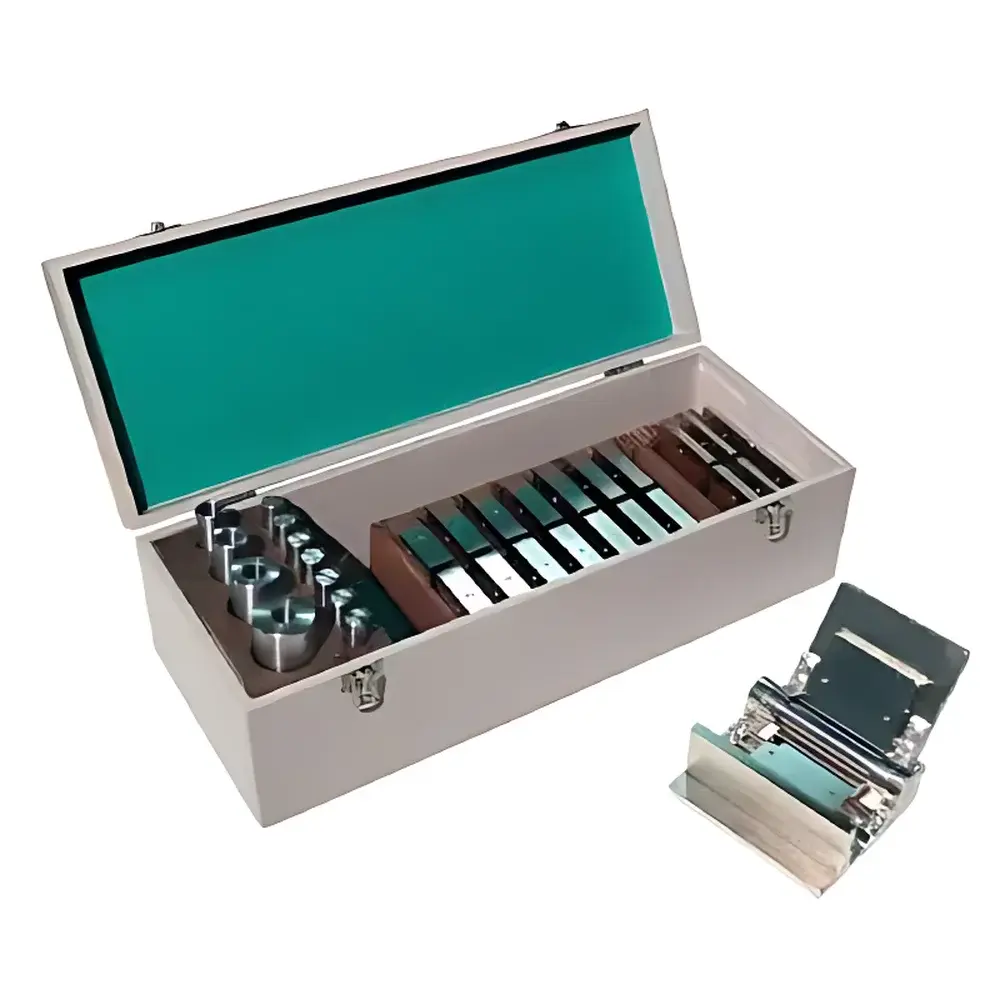
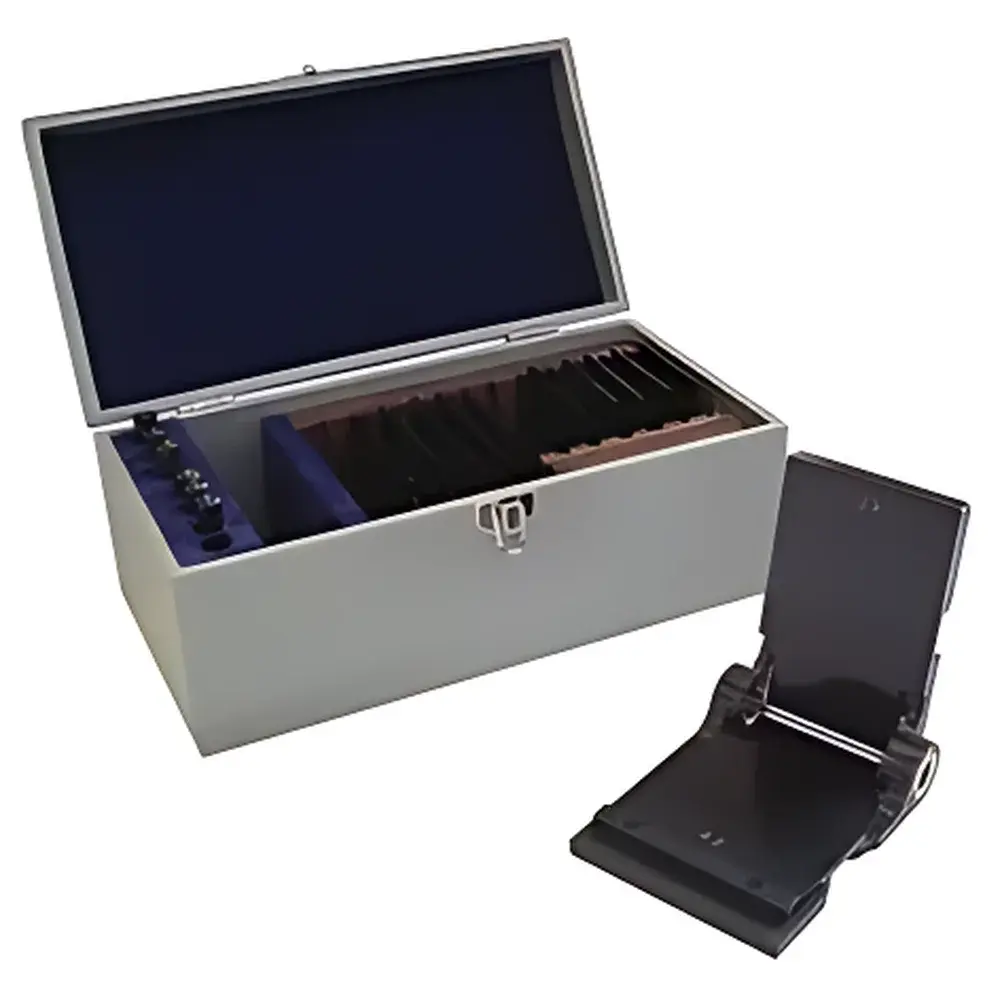
Yasuda No.514 Paint Film Bending Tester
| Brand | Yasuda |
|---|---|
| Origin | Japan |
| Model | No.514 |
| Standards Compliance | JIS K5400, JIS K5600-5-1, ISO 1519 |
| Test Method | Cylindrical Mandrel Bend (180°, 1–2 s dwell) |
| Configuration Options | No.514 and No.514-TYPE1 |
Overview
The Yasuda No.514 Paint Film Bending Tester is a precision-engineered mechanical testing instrument designed to evaluate the flexibility and adhesion integrity of organic coatings—such as paints, varnishes, lacquers, and primers—applied to rigid metallic or plastic substrates. It operates on the standardized cylindrical mandrel bending principle, in strict accordance with internationally recognized test protocols including JIS K5400 (Testing Methods for Paints), JIS K5600-5-1 (Methods of Test for Paints — Part 5: Mechanical Properties — Section 1: Bend Test), and ISO 1519 (Paints and Varnishes — Bend Test). During operation, a coated test panel—mounted with the painted surface outward—is bent 180° around a fixed-diameter mandrel at a controlled rate and held for 1–2 seconds. The resulting deformation subjects the film to tensile stress on the outer surface and compressive stress on the inner surface, enabling qualitative and semi-quantitative assessment of crack formation, cohesive failure, and interfacial delamination from the substrate.
Key Features
- Robust cast-iron base and precision-machined steel frame ensure long-term dimensional stability and resistance to operational vibration.
- Interchangeable hardened steel mandrels (standard diameters: 2, 3, 4, 6, 8, 10, 12, 16, 20 mm) allow graded evaluation across coating systems with varying flexibility requirements.
- Manual lever-actuated bending mechanism delivers consistent force application and repeatable angular displacement (180° ± 0.5°).
- No.514-TYPE1 variant includes an integrated vernier scale and locking clamp for rapid mandrel positioning and enhanced repeatability during multi-sample testing.
- Compliance-ready design supports traceable calibration via external mandrel diameter verification using certified gauge blocks or optical comparators.
- Compact footprint (W300 × D180 × H220 mm) and tool-free mandrel exchange facilitate integration into QC laboratories and R&D workbenches.
Sample Compatibility & Compliance
The No.514 accommodates standard test panels conforming to JIS K5400 (70 × 150 mm, 0.2–0.3 mm thick cold-rolled steel) and ISO 1519 (typically 100 × 50 mm or 150 × 70 mm, thickness ≤ 1.0 mm). Substrate materials include low-carbon steel, aluminum alloy, and rigid PVC sheets—provided surface flatness deviation remains within ±0.05 mm over the bending zone. All test procedures align with quality management frameworks requiring documented method validation, including ISO/IEC 17025-accredited laboratories. While the instrument itself does not generate electronic audit trails, its mechanical determinism and reliance on physical reference standards support GLP-compliant manual recordkeeping when paired with standardized observation forms and calibrated measurement tools.
Software & Data Management
The Yasuda No.514 is a fully manual, non-electronic instrumentation platform; it does not incorporate embedded controllers, digital displays, or data output interfaces. Test results are recorded manually per ASTM D522 Annex A1 and ISO 1519 Clause 6, focusing on visual evaluation criteria: absence/presence of cracks, flaking, or peeling observed under 2× magnification (per ISO 1519:2022, Clause 7.2). Laboratories integrating this tester into computerized quality systems may digitize outcomes using LIMS-compatible entry templates. For regulatory submissions (e.g., automotive OEM PPAP or aerospace coating qualification), users are advised to retain original test panels alongside dated, signed observation records meeting FDA 21 CFR Part 11 principles for handwritten documentation integrity.
Applications
- Quality control of coil-coated metal products in architectural cladding and appliance manufacturing.
- Formulation development of high-flexibility waterborne acrylics and UV-curable resins.
- Supplier qualification testing for automotive OEM Tier-1 coating suppliers (e.g., adherence to GMW14872 or Ford CETP 00.00-L-467).
- Failure analysis of field-service coating defects linked to thermal cycling or mechanical deformation.
- Educational demonstration of polymer chain mobility, crosslink density effects, and substrate–coating interfacial energy relationships.
FAQ
What mandrel diameters are supplied with the standard No.514 configuration?
The base model includes one mandrel (typically 4 mm); additional diameters must be ordered separately per JIS K5400 Annex B recommendations.
Can the No.514 be used for testing powder coatings?
Yes—provided the cured film thickness falls within 20–120 µm and the substrate meets flatness and rigidity requirements specified in ISO 1519.
Is operator training required for ISO 1519 compliance?
Per ISO/IEC 17025 Clause 6.2.5, personnel must demonstrate competency in panel preparation, mandrel selection, bend execution timing, and pass/fail interpretation against reference images in ISO 1519 Annex C.
Does Yasuda provide calibration certificates for mandrels?
Mandrels are manufactured to JIS B 7502 geometrical tolerance class IT6; third-party calibration certificates (e.g., JCSS-accredited) are available upon request.
How is the No.514-TYPE1 different from the base No.514?
The TYPE1 variant adds a vernier-adjustable mandrel holder and micro-stop mechanism to minimize positional variance between successive bends—critical for statistical process control in high-volume production labs.



