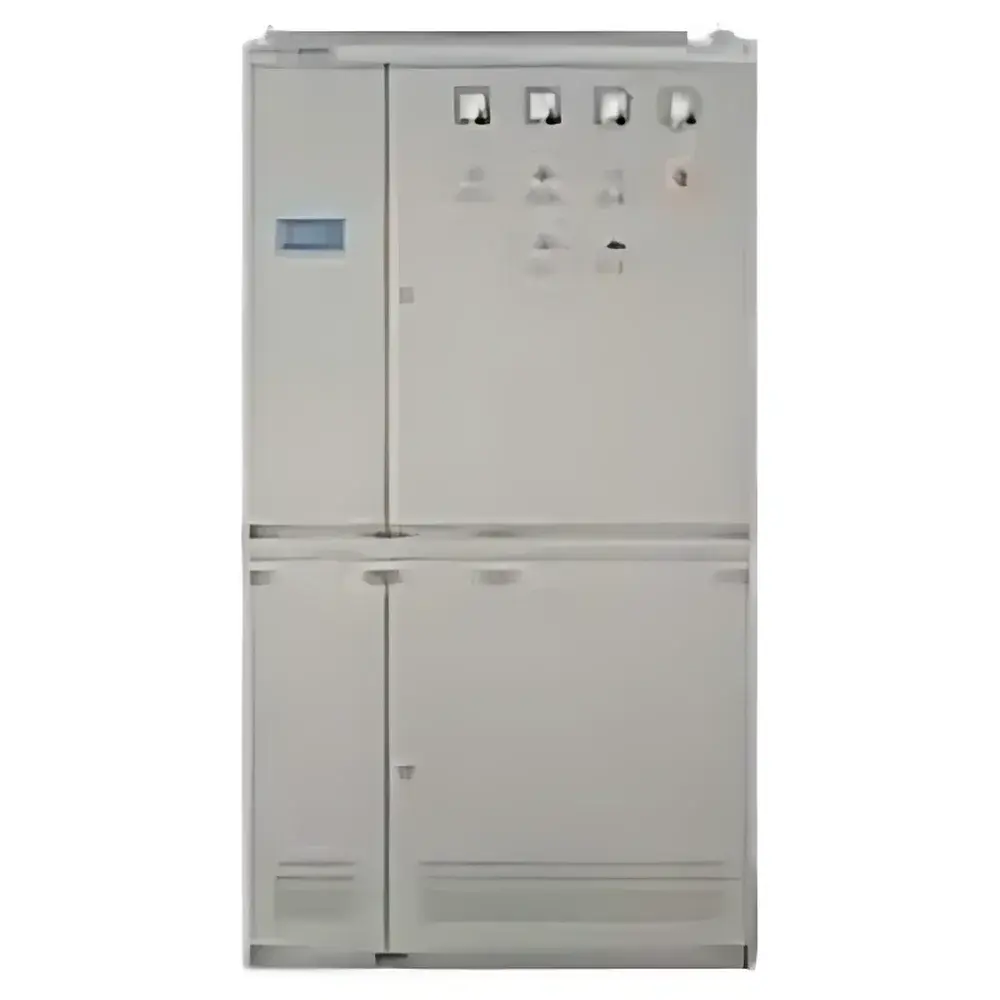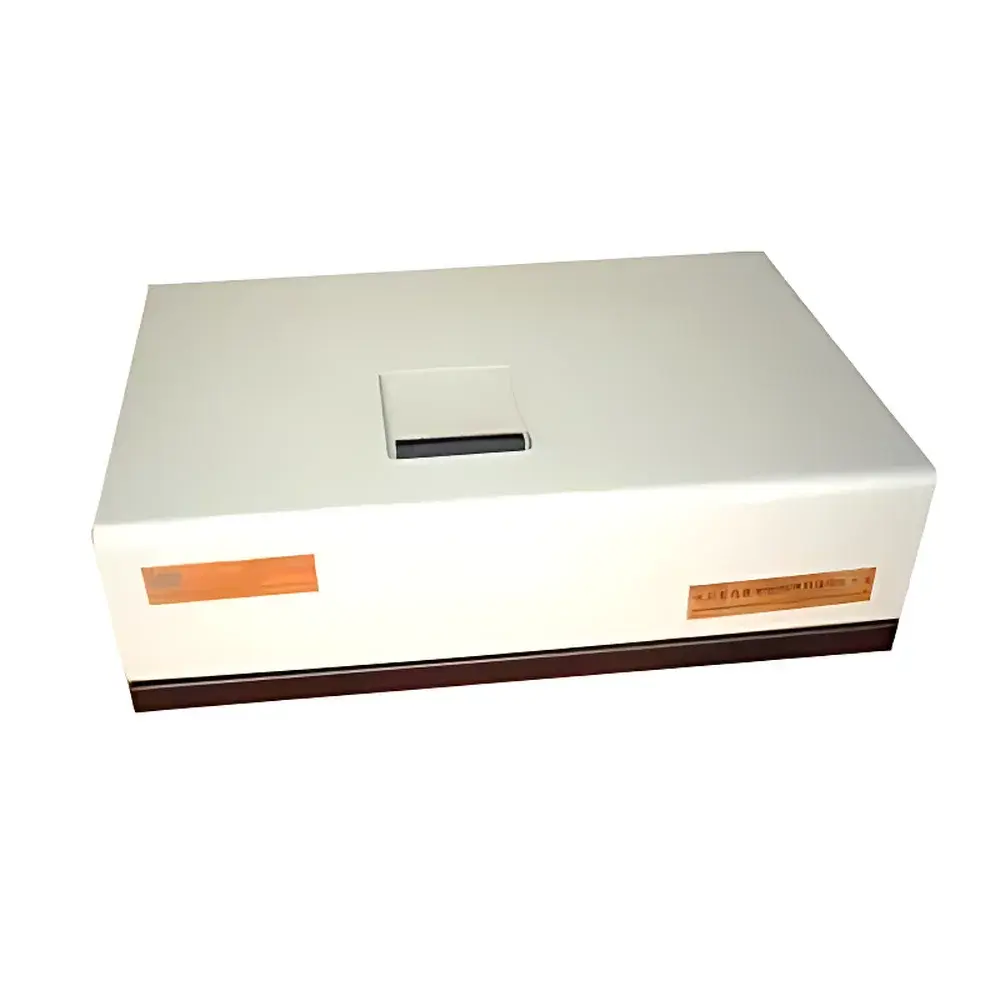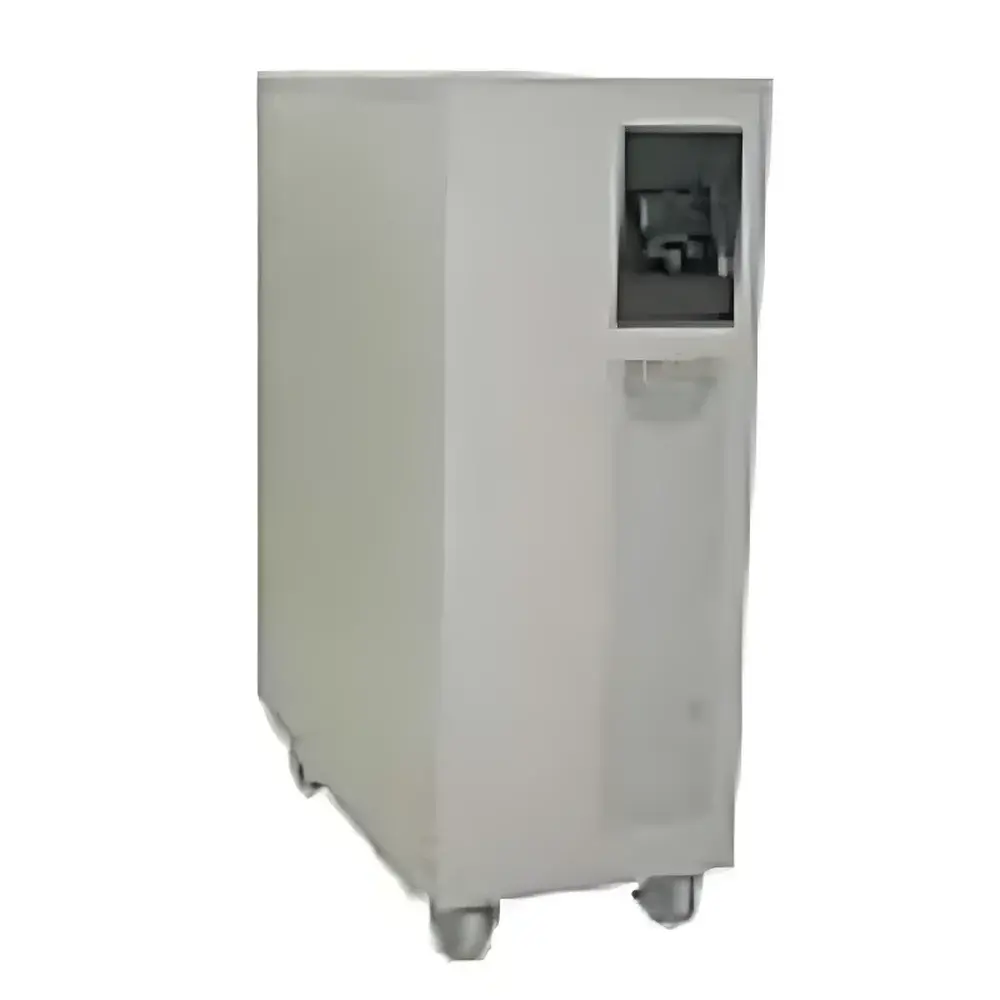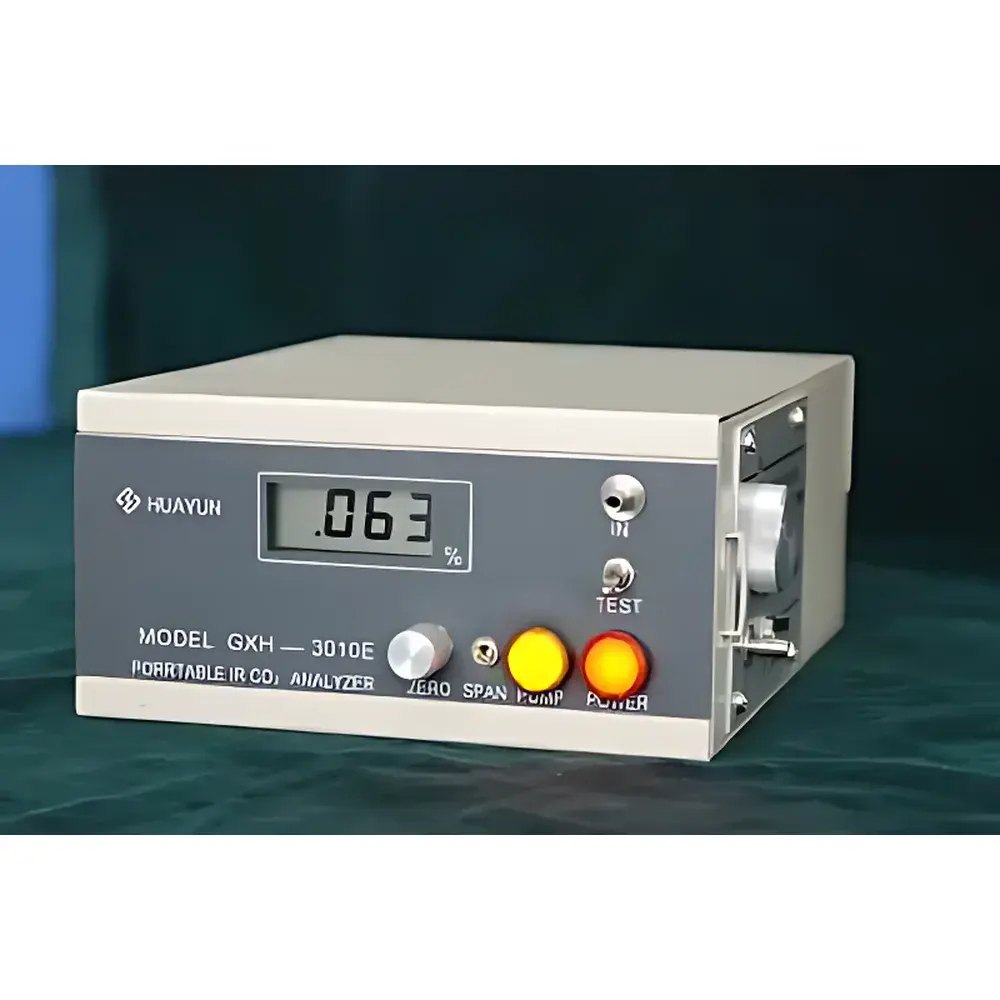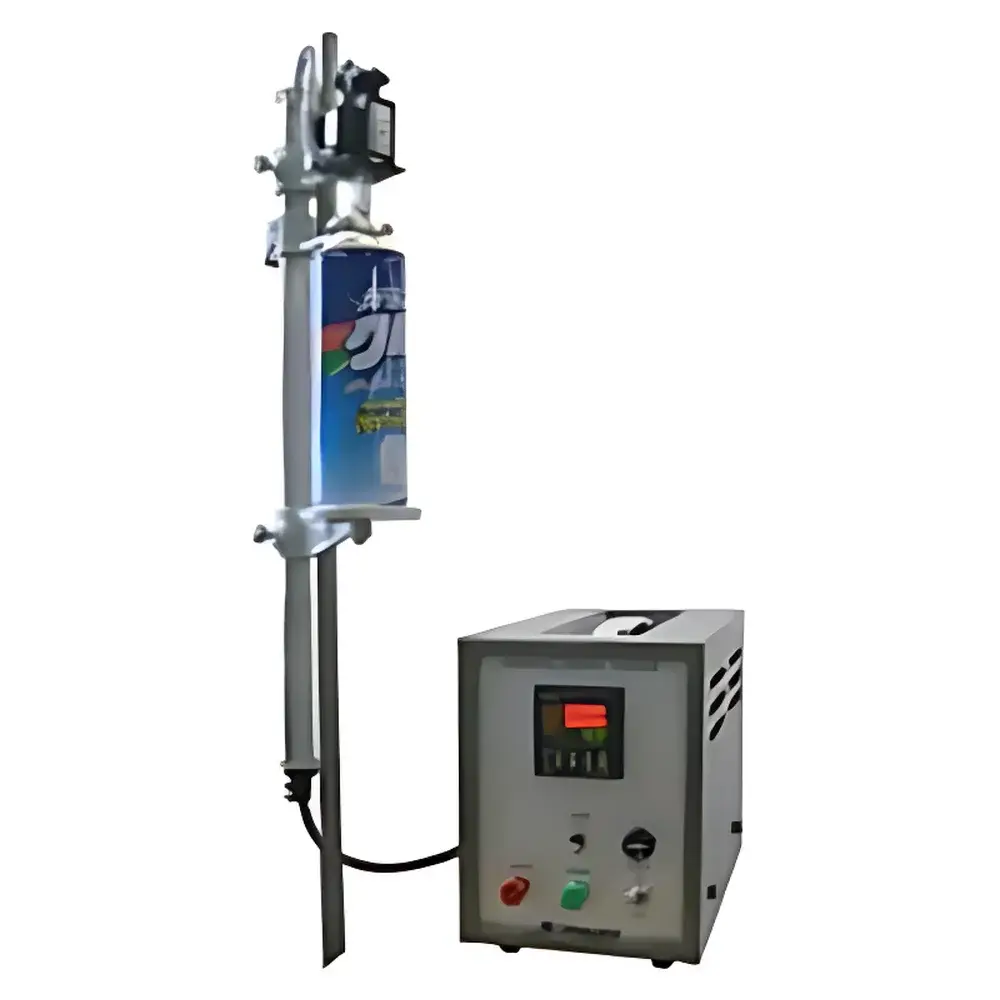
Yasuda No.660 Aerosol Spray Tester
| Brand | Yasuda |
|---|---|
| Origin | Japan |
| Model | No.660 |
| Type | Automated Aerosol Actuation and Dispersion Evaluation System |
| Compliance | Designed for ISO 8502-3, ASTM D1777, and JPMA-01 aerosol performance testing protocols |
Overview
The Yasuda No.660 Aerosol Spray Tester is a precision-engineered laboratory instrument designed to objectively quantify and standardize the mechanical actuation behavior and initial dispersion characteristics of pressurized metered-dose aerosol products. It operates on the principle of controlled mechanical actuation—applying repeatable force, displacement, and dwell time to the valve stem of an aerosol canister—to simulate human-triggered release under defined test conditions. Unlike subjective manual evaluation, the No.660 eliminates operator variability by automating the pressing force (N), stroke length (mm), and actuation duration (ms) with high reproducibility. This enables quantitative assessment of critical functional parameters including spray pattern geometry, plume velocity profile, valve opening dynamics, and initial mass delivery consistency—key metrics required for formulation development, quality control, and regulatory submission in pharmaceutical, agrochemical, and household product sectors.
Key Features
- Programmable actuation control: Independent adjustment of pressing force (range: 1–30 N, resolution ±0.1 N), linear stroke (0.5–10 mm, resolution ±0.05 mm), and dwell time (10–500 ms, resolution ±1 ms)
- Integrated load cell and linear encoder feedback loop ensuring real-time monitoring and closed-loop validation of applied mechanical parameters
- Modular fixture system accommodating standard aerosol can diameters (40–70 mm) and heights (80–200 mm), with quick-release clamping and vertical alignment calibration
- Non-contact optical detection module (optional add-on) for synchronized high-speed imaging (up to 10,000 fps) of spray plume initiation and early-stage dispersion morphology
- Stainless-steel test chamber with HEPA-filtered exhaust and optional solvent-resistant internal lining for safe handling of volatile or corrosive propellants
- Compliance-ready firmware architecture supporting audit trails, user access levels, and electronic signature capability per FDA 21 CFR Part 11 requirements
Sample Compatibility & Compliance
The No.660 supports all common aerosol container formats—including aluminum, tinplate, and laminate cans—with propellant systems based on hydrocarbons (e.g., propane, butane), compressed gases (N₂, CO₂), or HFC/HFO blends. It is validated for use in accordance with ISO 8502-3 (aerosol spray pattern measurement), ASTM D1777 (spray pattern uniformity and density), and JPMA-01 (Japan Paint Manufacturers Association aerosol performance specification). The system meets GLP-compliant documentation standards when paired with Yasuda’s optional LIMS-integrated data acquisition software. All mechanical components conform to JIS B 7738 (precision measuring instruments) and CE machinery directive 2006/42/EC.
Software & Data Management
The No.660 is operated via Yasuda’s proprietary AERO-TEST v3.2 software suite, running on Windows 10/11-based industrial PCs. The interface provides intuitive test method templates (e.g., “Insecticide Plume Stability”, “Pharmaceutical MDI Priming Cycle”), customizable parameter sets, and real-time graphical display of force vs. displacement curves. Raw sensor data—including analog load cell output, encoder position, and trigger timing—is timestamped at 1 kHz and exported in CSV or HDF5 format. Audit logs record all user actions, method modifications, and calibration events with immutable SHA-256 hashing. Optional integration with enterprise LIMS or ELN platforms is supported via OPC UA and RESTful API endpoints.
Applications
- Formulation optimization: Correlating valve design, propellant blend, and concentrate viscosity with initial spray onset delay and plume stability
- QC release testing: Verifying batch-to-batch consistency of actuation force threshold and spray pattern symmetry per USP and Ph. Eur. 2.9.42
- Regulatory dossier preparation: Generating repeatable datasets for FDA ANDA submissions or EMA scientific advice requests
- Package engineering validation: Assessing can body deformation and valve seat integrity under repeated high-force actuation cycles
- Environmental safety studies: Quantifying overspray fraction and droplet size distribution (when coupled with laser diffraction analyzers)
FAQ
Does the No.660 measure droplet size distribution?
No—the No.660 is a mechanical actuation tester, not a particle sizing instrument. Droplet characterization requires integration with external systems such as laser diffraction (e.g., Malvern Mastersizer) or phase Doppler anemometry.
Can it be used for nasal spray pumps?
Yes—provided the pump actuator is adapted using Yasuda’s optional PUMP-ADP-02 interface kit, which replaces the standard canister clamp with a precision syringe holder and force-transducing plunger assembly.
Is calibration traceable to national standards?
Yes—load cell calibration is traceable to JCSS (Japan Calibration Service System) through Yasuda’s authorized metrology partner; annual recalibration certificates include uncertainty budgets per ISO/IEC 17025.
What maintenance is required?
Routine maintenance includes weekly cleaning of the actuation rod and guide bushings with isopropyl alcohol, quarterly lubrication of linear guides with fluorinated grease (Dow Corning® 240), and biannual verification of encoder linearity using certified step gauges.