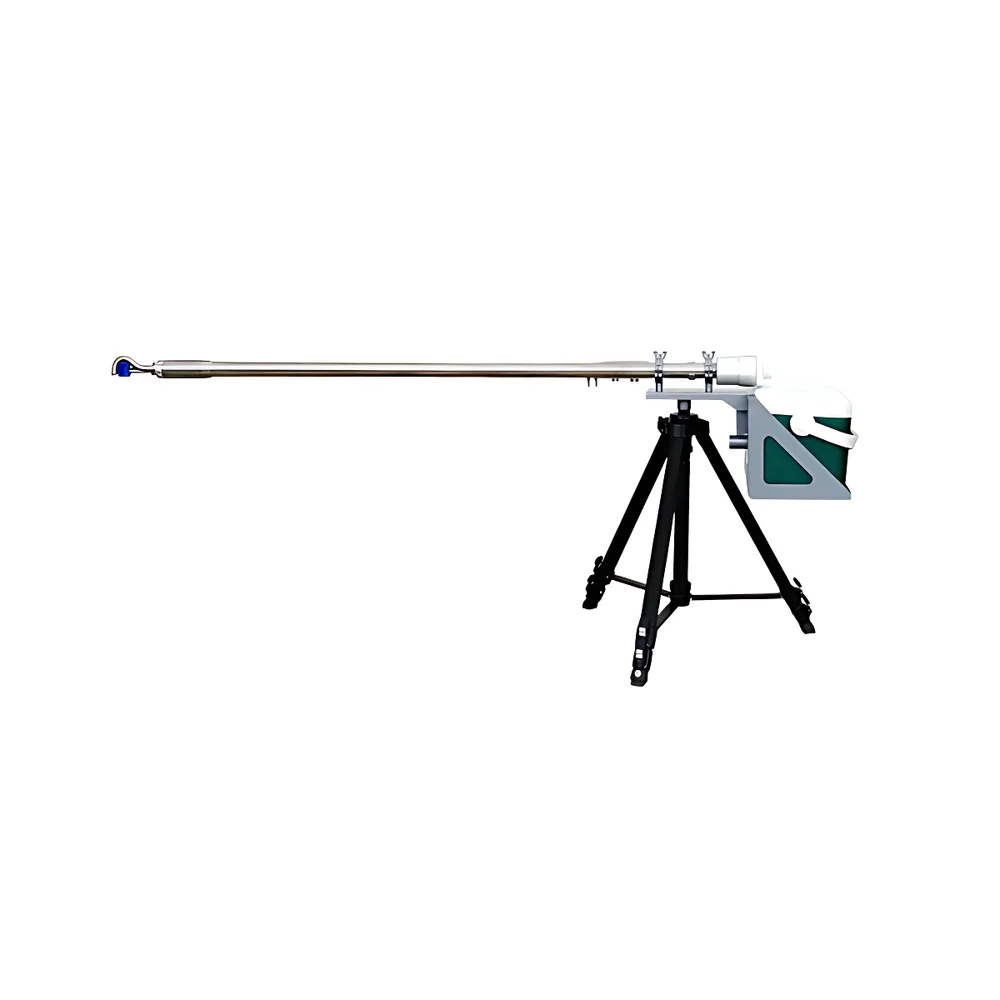
Minhope MH3020H Multi-Functional Heated Exhaust Sampling Probe

| Brand | Minhope |
|---|---|
| Origin | Shandong, China |
| Model | MH3020H |
| Compliance | HJ 544–2016, HJ 549–2016, HJ 688–2019 |
| Construction | Titanium alloy body with fluoropolymer-lined internal flow path |
| Heating | Integrated PID-controlled constant-temperature heating (up to 180 °C) |
| Power Supply | Low-voltage DC (24 V) |
| Sampling Orientation | Horizontal and vertical flue compatibility |
| Accessories | Removable insulated thermal housing, standardized impinger/absorption bottle support, integrated flow stop valve, dual-sensor port for simultaneous flue gas temperature and velocity measurement |
| Sample Phase Capture | Particulate, vapor-phase, and gaseous sulfuric acid mist, hydrogen chloride (HCl), and hydrogen fluoride (HF) |
Ask about pricing, availability and specifications.
Overview
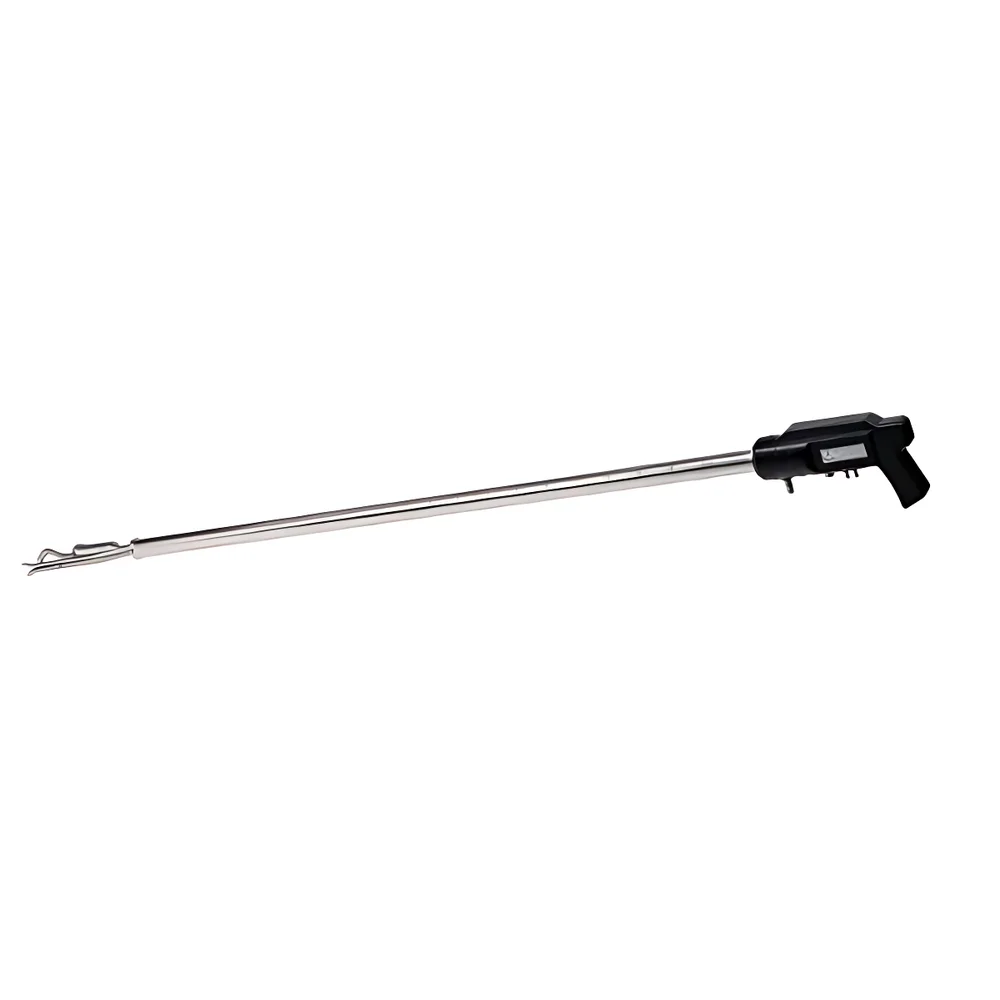
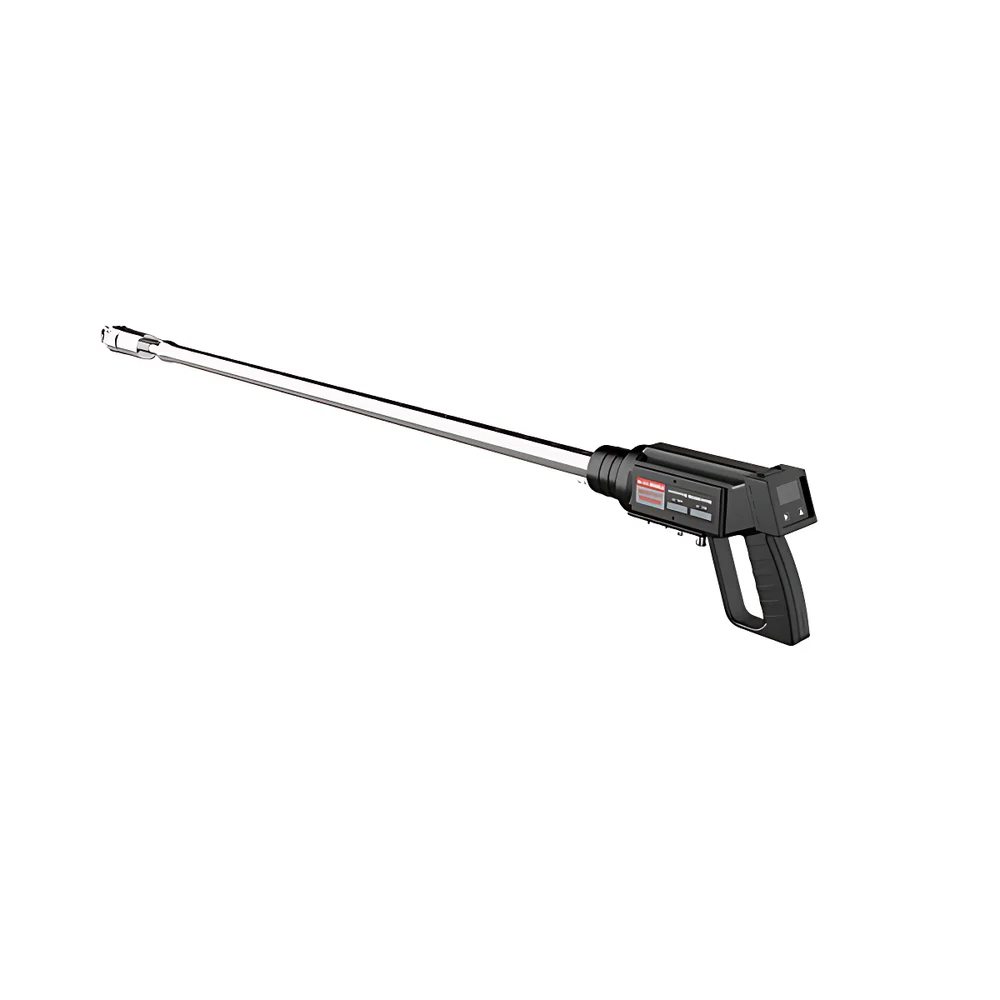
The Minhope MH3020H Multi-Functional Heated Exhaust Sampling Probe is an engineered field instrument designed for quantitative, phase-resolved collection of acidic gaseous pollutants—including sulfuric acid mist (H2SO4 aerosol and vapor), hydrogen chloride (HCl), and hydrogen fluoride (HF)—from hot, humid, and corrosive industrial exhaust streams. It operates on the principle of isokinetic, thermally stabilized sampling: maintaining the probe’s entire internal gas pathway—including nozzle, sampling tube, and condensate trap—at a precisely controlled temperature above the dew point of target analytes. This prevents condensation, adsorption loss, and phase transformation during transit—critical for preserving the integrity of volatile acid species prior to downstream ion chromatographic analysis per HJ 544–2016, HJ 549–2016, and HJ 688–2019. Unlike passive or ambient-temperature probes, the MH3020H eliminates cold-spot artifacts and ensures representative capture of both particulate-bound and gaseous-phase fractions, enabling accurate mass balance assessment in regulatory stack testing.
Key Features
- Full-path heated sampling system with PID-regulated temperature control (adjustable range: 100–180 °C), ensuring consistent thermal stabilization from nozzle tip to absorption interface
- Titanium alloy structural frame with fluoropolymer (e.g., PFA or FEP)-lined internal gas channel—resistant to halogenated acids, oxidizing agents, and elevated temperatures up to 200 °C short-term exposure
- Modular insulated thermal housing accommodating standard U.S. EPA-style impingers (e.g., midget, 100-mL), silica gel traps, and custom absorption bottles—designed for rapid configuration changes without tooling
- Universal flue orientation capability: reinforced articulating joint and balanced weight distribution allow stable operation in horizontal ducts (≥150 mm ID) and vertical stacks (≥200 mm ID) without auxiliary supports
- Integrated dual-sensor port compatible with certified thermocouples (Type K or S) and pitot-static tubes for concurrent real-time flue gas temperature and velocity measurement—supporting isokinetic flow calculation per ISO 16911-1
- Fail-safe flow stop valve positioned upstream of the absorption train to prevent backflow of absorbing solution into the heated zone during pump shutdown or pressure fluctuation
- 24 V DC input power architecture—eliminates mains voltage hazards in wet, conductive, or confined-space environments; compatible with portable battery packs and vehicle-mounted power systems
Sample Compatibility & Compliance
The MH3020H is validated for use in fixed-source emission monitoring programs requiring compliance with Chinese national environmental standards: HJ 544–2016 (sulfuric acid mist), HJ 549–2016 (hydrogen chloride), and HJ 688–2019 (hydrogen fluoride). Its design aligns with fundamental principles outlined in ISO 16911-1 (determination of velocity and volumetric flow rate) and ASTM D6784-22 (standard test method for elemental, organic, and isotopic analysis of hazardous waste incinerator emissions). The probe supports GLP-aligned field documentation when paired with calibrated data loggers and chain-of-custody forms. All wetted materials meet USP Class VI biocompatibility requirements and exhibit no detectable leachables under acidic exposure conditions, ensuring analytical fidelity for low-level ion chromatography detection limits (sub-µg/m³).
Software & Data Management
While the MH3020H is a hardware-only sampling platform (no embedded firmware or onboard display), it is fully interoperable with third-party field data acquisition systems—including Minhope’s MP-3000 series stack analyzers and industry-standard platforms such as Thermo Fisher QIDAS, Testo 350, or Sierra Instruments QuadraVent. Real-time temperature, velocity, and differential pressure signals are transmitted via analog 4–20 mA or RS-485 Modbus RTU outputs. When integrated into a validated stack testing workflow, the probe contributes audit-ready metadata—including heater setpoint logs, duration of isokinetic sampling intervals, and thermal gradient records—for 21 CFR Part 11-compliant electronic records management. Calibration certificates for associated sensors (thermocouples, pitot tubes) must be maintained per ISO/IEC 17025 requirements.
Applications
- Regulatory stack testing at coal-fired power plants, waste-to-energy facilities, and metal smelters where sulfate, chloride, and fluoride emissions are subject to permit limits
- Process validation and corrosion source identification in chemical manufacturing units producing sulfuric acid, hydrochloric acid, or hydrofluoric acid
- Occupational hygiene surveys in confined spaces near acid-handling equipment or scrubber bypass ducts
- Method development and inter-laboratory comparison studies for speciated acid mist quantification under varying humidity and temperature profiles
- Research applications in atmospheric chemistry modeling—particularly for evaluating gas-to-particle conversion kinetics of H2SO4/HCl/HF under flue-relevant conditions
FAQ
What temperature range is recommended for sulfuric acid mist sampling per HJ 544–2016?
HJ 544–2016 specifies maintaining the sampling probe and transfer line above 120 °C to suppress condensation of sulfuric acid vapor; the MH3020H supports setpoints from 100 °C to 180 °C with ±2 °C stability.
Can the MH3020H be used for non-acidic compounds such as SO2 or NOx?
No—the probe is optimized for acidic species requiring thermal stabilization against adsorption and hydrolysis; for SO2 or NOx, dedicated inert-surface probes (e.g., quartz or SilcoNert-coated) are recommended.
Is the titanium body compatible with ISO 9001-certified calibration traceability?
Yes—each MH3020H unit is supplied with a material certification (ASTM B348 Grade 2 Ti) and dimensional inspection report; sensor integration points conform to NIST-traceable mounting specifications.
How is isokinetic sampling verified during field use?
By connecting a calibrated pitot-static tube to the dual-sensor port and synchronizing velocity readings with stack cross-sectional area and pump flow rate—calculations follow ISO 16911-1 Annex C procedures.
Does the probe include provisions for particulate filtration upstream of absorption?
No—particulate separation is performed externally using a heated cyclone or Teflon membrane filter placed between the probe outlet and absorption train, per HJ 544–2016 Section 7.3.