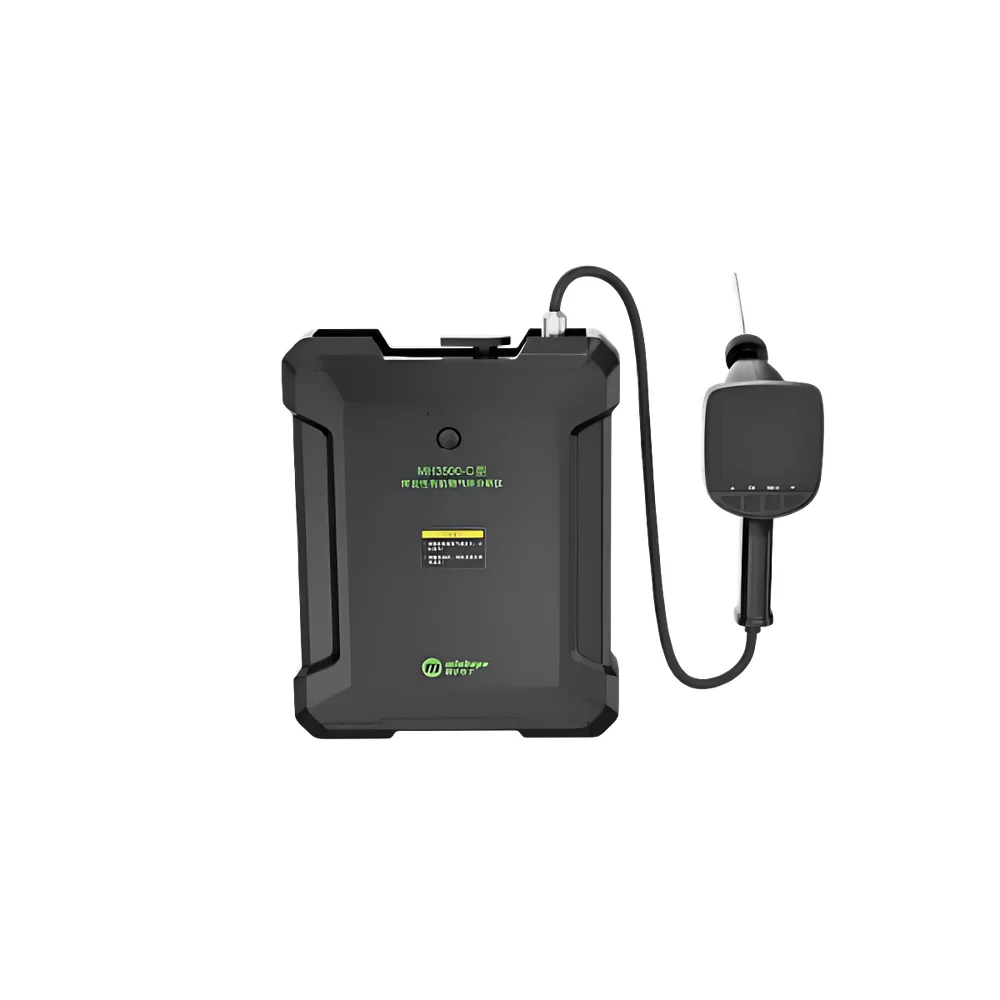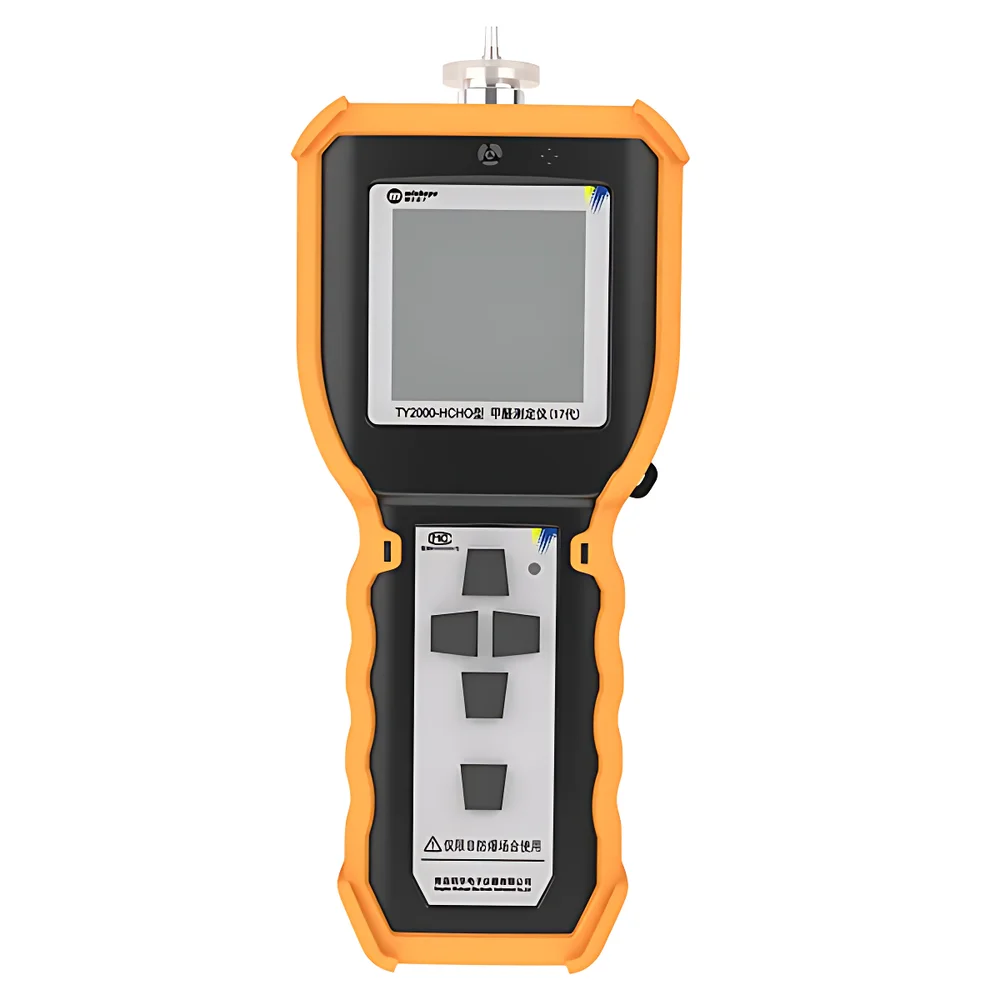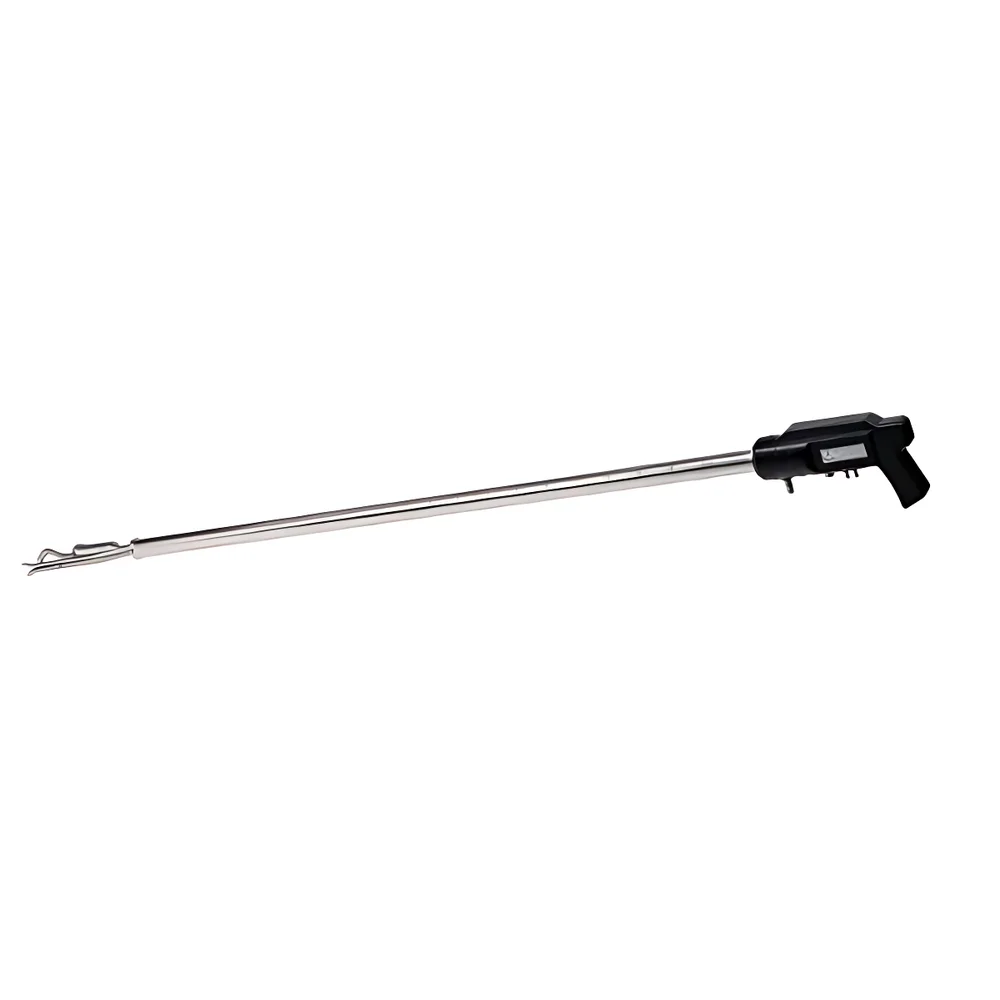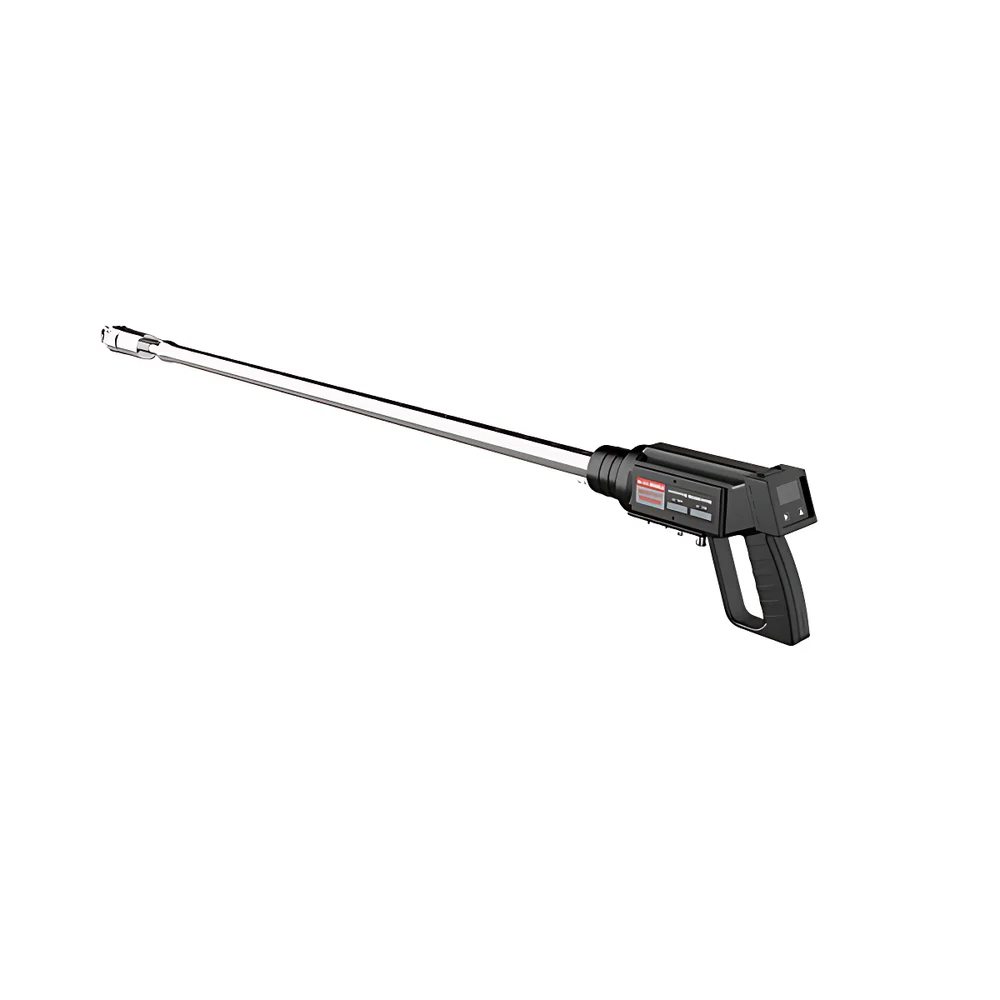
Minhope MH3060A Stack Oil Mist Sampling Probe

| Brand | Minhope |
|---|---|
| Origin | Shandong, China |
| Manufacturer Type | Authorized Distributor |
| Country of Origin | China |
| Model | MH3060A |
| Pricing | Available Upon Request |
| Compliance | DB11/T 1485–2017, GB/T 16157–1996 |
| Construction | Stainless Steel (304) Probe Body & Guard Hood |
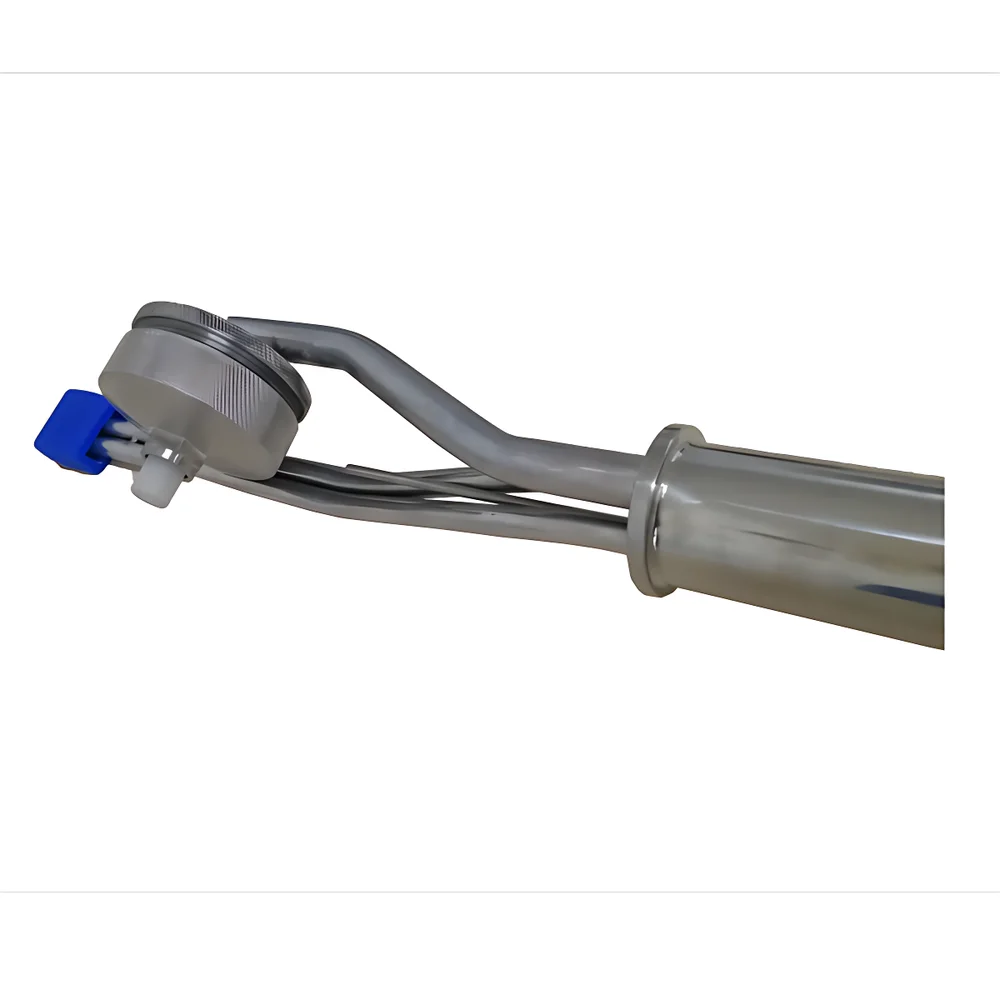
| Integrated Sensors | PT100 Temperature Sensor, S-Type Pitot Tube |
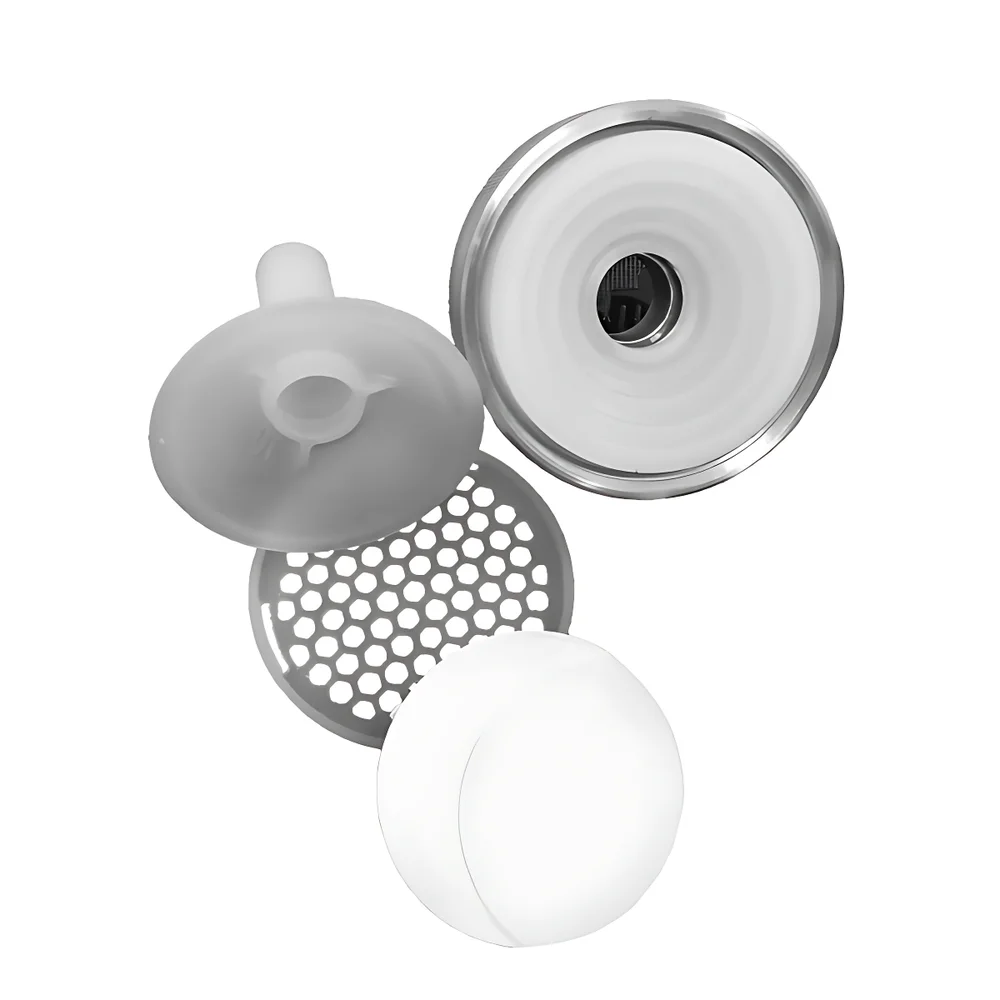
| Sampling Configuration | Modular, Removable Filter Holder Assembly with Pre-weighed Membrane Support |
Ask about pricing, availability and specifications.
Overview
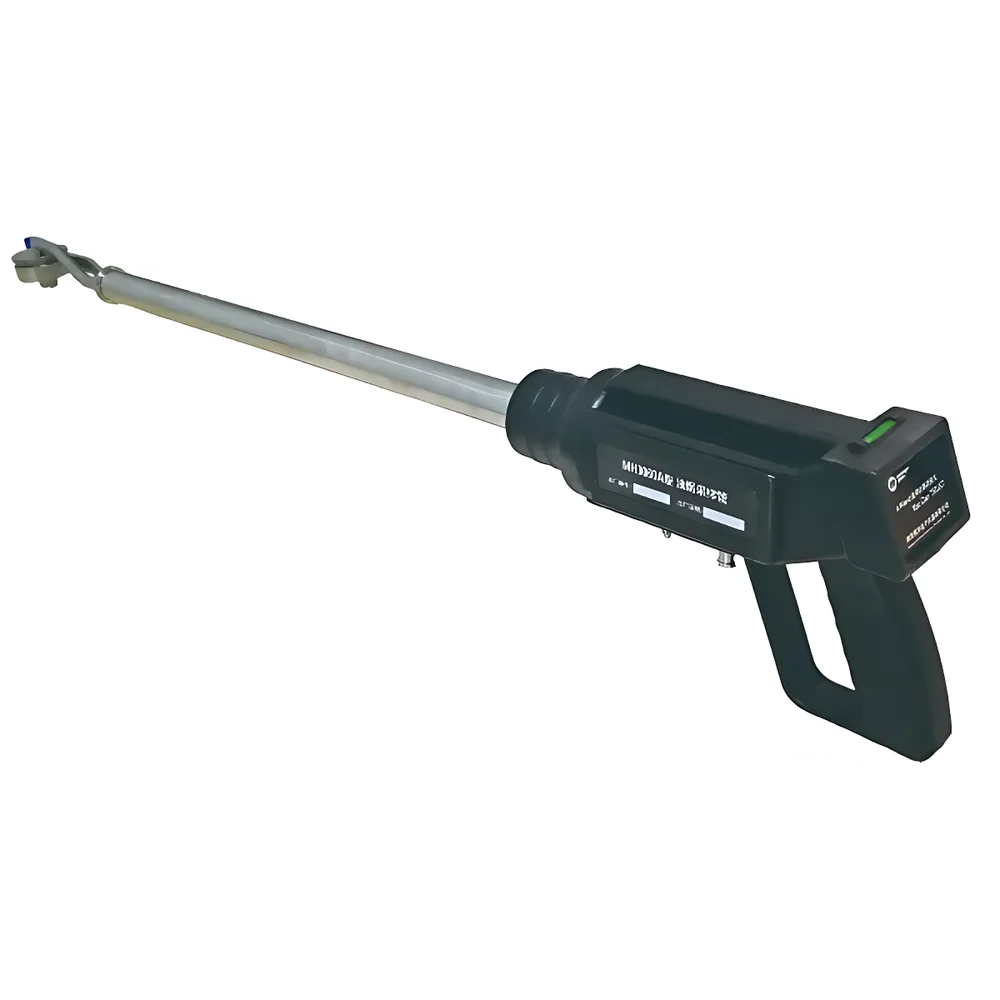
The Minhope MH3060A Stack Oil Mist Sampling Probe is a field-deployable, modular isokinetic sampling device engineered for quantitative gravimetric determination of oil mist particulate matter (PM) in ducted exhaust streams from commercial food service operations. Designed in strict accordance with the technical requirements of DB11/T 1485–2017 (“Determination of Particulate Matter from Catering Emissions – Manual Gravimetric Method”) and GB/T 16157–1996 (“Determination of Particulates and Gaseous Pollutants in Exhaust Gas from Stationary Sources”), the probe implements a fixed-flow, filter-based collection strategy where aerosolized cooking oil residues—including triglyceride-rich droplets and thermally altered organic condensates—are captured on pre-conditioned and pre-weighed membrane filters under controlled isokinetic sampling conditions. Its core operational principle relies on maintaining velocity-matched sampling at the stack cross-section to prevent particle inertial impaction or under-sampling bias—critical for regulatory compliance in environmental monitoring programs conducted by municipal EPBs, third-party testing laboratories, and facility QA/QC personnel.
Key Features
- Modular sampling head assembly enables full removal of the filter holder—including membrane, support ring, and gasket—as a single pre-weighed unit, minimizing handling-induced mass loss and improving repeatability across sequential field measurements.
- Stainless steel (AISI 304) construction for both probe body and protective hood ensures long-term structural integrity, resistance to acidic condensates and thermal cycling, and negligible blank contribution during high-temperature stack sampling (up to 200 °C continuous duty).
- Integrated S-type Pitot tube and PT100 platinum resistance thermometer provide concurrent real-time measurement of stack gas velocity, static/dynamic pressure differential, and temperature—enabling on-site calculation of volumetric flow rate and isokinetic sampling correction factors per GB/T 16157–1996 Annex B.
- No internal heating elements or active dilution components; optimized for passive, low-maintenance operation in intermittent-use field deployments typical of routine restaurant emission audits.
- Probe geometry conforms to standard flange-mount configurations (DN100–DN250 compatibility via optional adapters), supporting rapid installation without welding or permanent modification to exhaust ductwork.
Sample Compatibility & Compliance
The MH3060A is validated exclusively for use with 47 mm diameter quartz fiber or PTFE membrane filters meeting EPA Method 13A/13B specifications. It supports sampling of liquid-phase cooking oil aerosols (e.g., soybean, canola, palm oil derivatives) and semi-volatile organic compounds (SVOCs) that condense as particulate matter below 150 °C. All materials in direct contact with sampled gas—including O-rings, filter support plates, and inner probe surfaces—are certified non-leaching and extractable-free per ISO 17025-accredited laboratory verification protocols. The probe satisfies metrological traceability requirements for field instruments under CNAS-CL01:2018 and supports audit-ready documentation for GLP-aligned environmental testing reports submitted to Beijing Municipal Ecological Environment Bureau and provincial MEE offices.
Software & Data Management
While the MH3060A operates as a hardware-only sampling interface, its sensor outputs (temperature, differential pressure) are compatible with industry-standard data loggers (e.g., Testo 400, TSI AM520, or custom DAQ systems) equipped with analog voltage or 4–20 mA input channels. Raw sensor readings may be imported into spreadsheet-based or LIMS-integrated calculation templates aligned with DB11/T 1485–2017 Annex C for automatic derivation of isokinetic flow ratio, total sampled volume, and final PM concentration (mg/m³, dry basis, standard conditions). No proprietary firmware or cloud platform is required; all calibration certificates (PT100 NIST-traceable, Pitot tube coefficient verified per ISO 10780) are supplied with each unit and remain valid for 12 months under documented storage conditions.
Applications
- Routine compliance monitoring of油烟 (cooking oil fume) emissions from Chinese-style wok stations, deep-fryers, and steam-heated griddles in restaurants, canteens, and central kitchens.
- Source apportionment studies investigating PM2.5 contributions from commercial food preparation versus traffic or industrial sources in urban air quality assessments.
- Validation of electrostatic precipitator (ESP) or wet scrubber performance in kitchen exhaust treatment systems through paired upstream/downstream sampling campaigns.
- Method development and inter-laboratory comparison exercises organized under China’s National Environmental Monitoring Network (CNEMN) framework.
FAQ
Is the MH3060A probe suitable for unfiltered, high-moisture exhaust streams?
Yes—its stainless steel housing and sealed sensor junctions resist corrosion from saturated vapor and condensate ingress; however, users must ensure downstream filtration (e.g., silica gel or chilled impingers) is employed when moisture content exceeds 15 vol% to prevent filter blinding.
Can the probe be used with automated isokinetic controllers?
It is fully compatible with external flow control modules (e.g., Gilian GilAir Plus with isokinetic software) that accept analog feedback from the integrated Pitot and PT100 sensors.
What filter conditioning protocol is recommended prior to use?
Filters must undergo 24-hour desiccation at 25 ± 1 °C and 30–40% RH, followed by stabilization in a Class 1000 cleanroom balance enclosure for ≥4 hours before initial weighing—per DB11/T 1485–2017 Section 6.2.
Does the probe require annual recalibration?
The PT100 sensor requires annual NIST-traceable calibration; the Pitot tube coefficient remains stable unless physically damaged and does not require periodic re-certification.