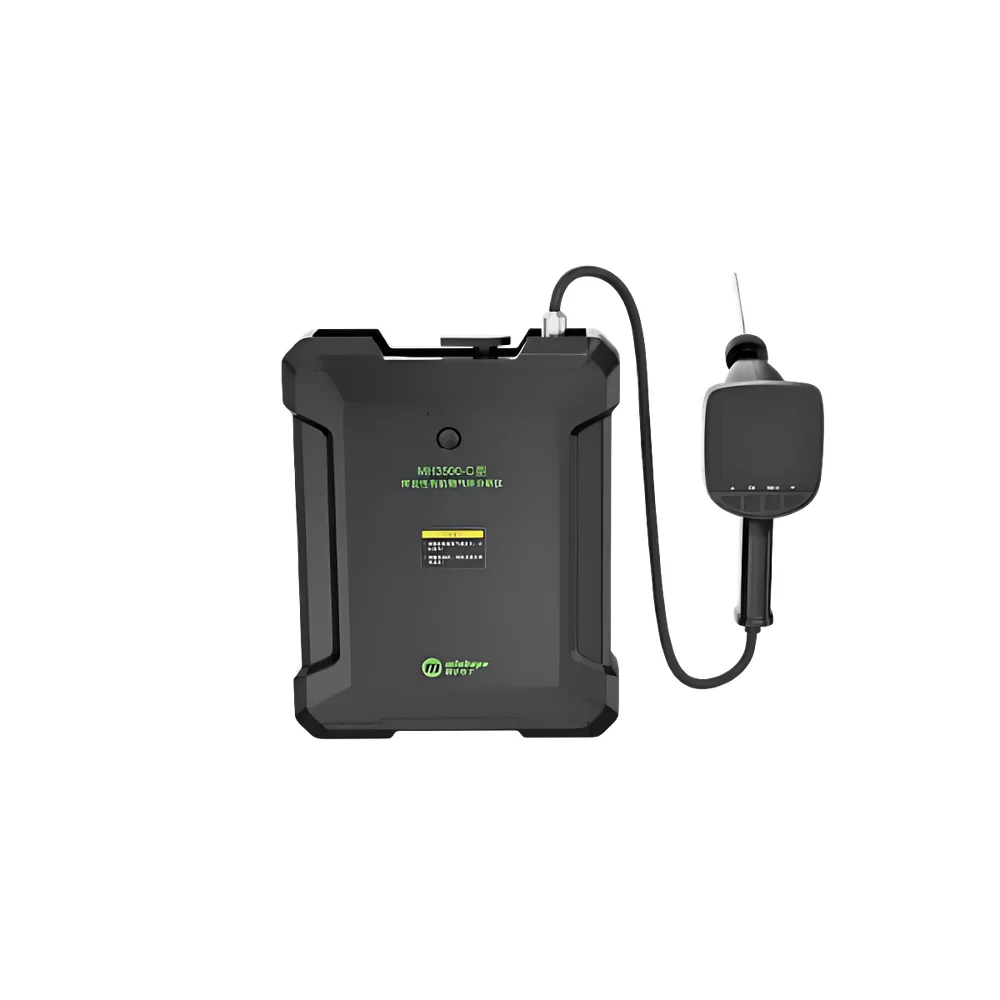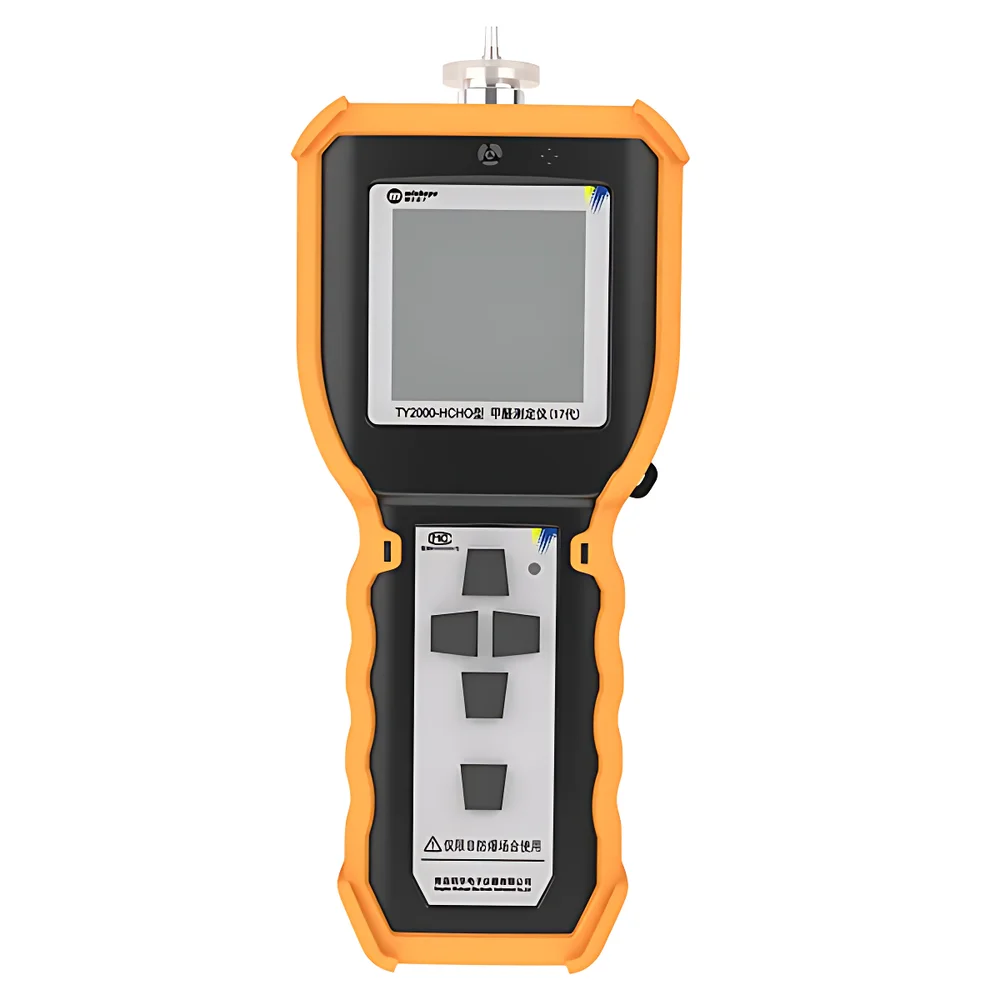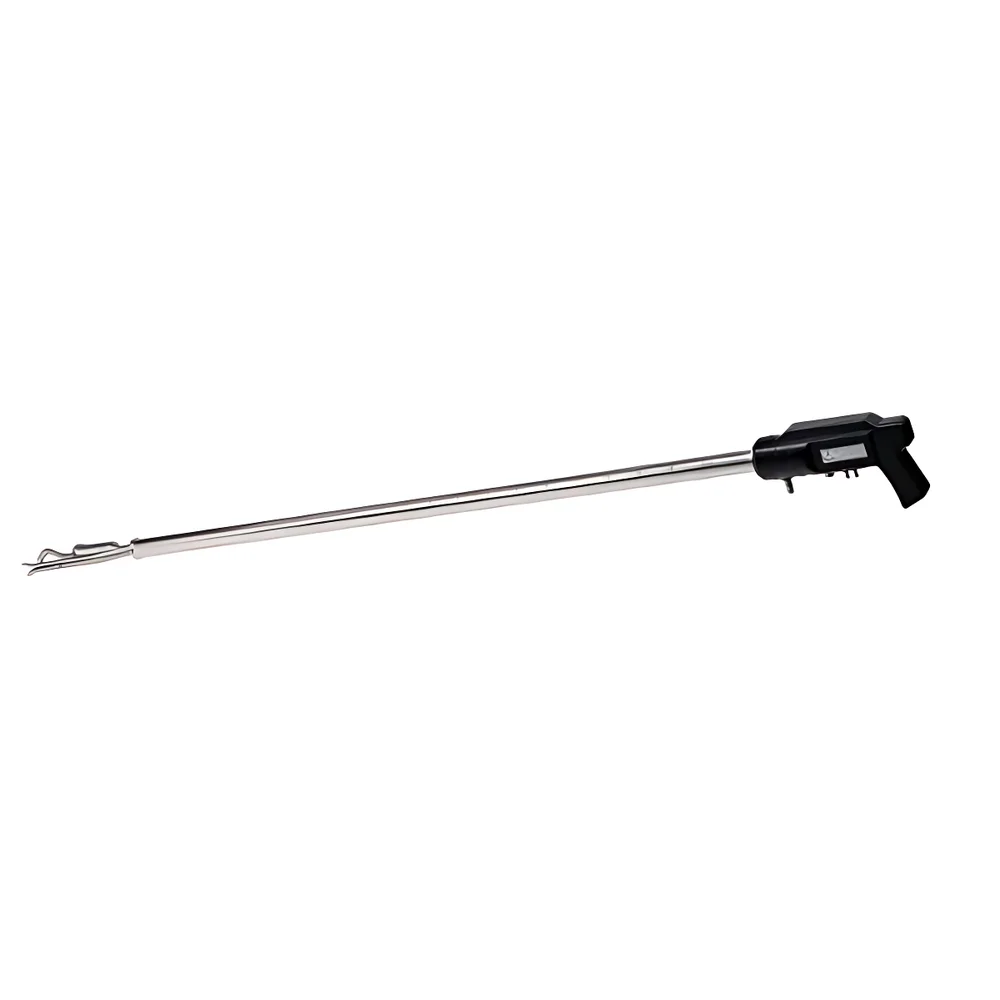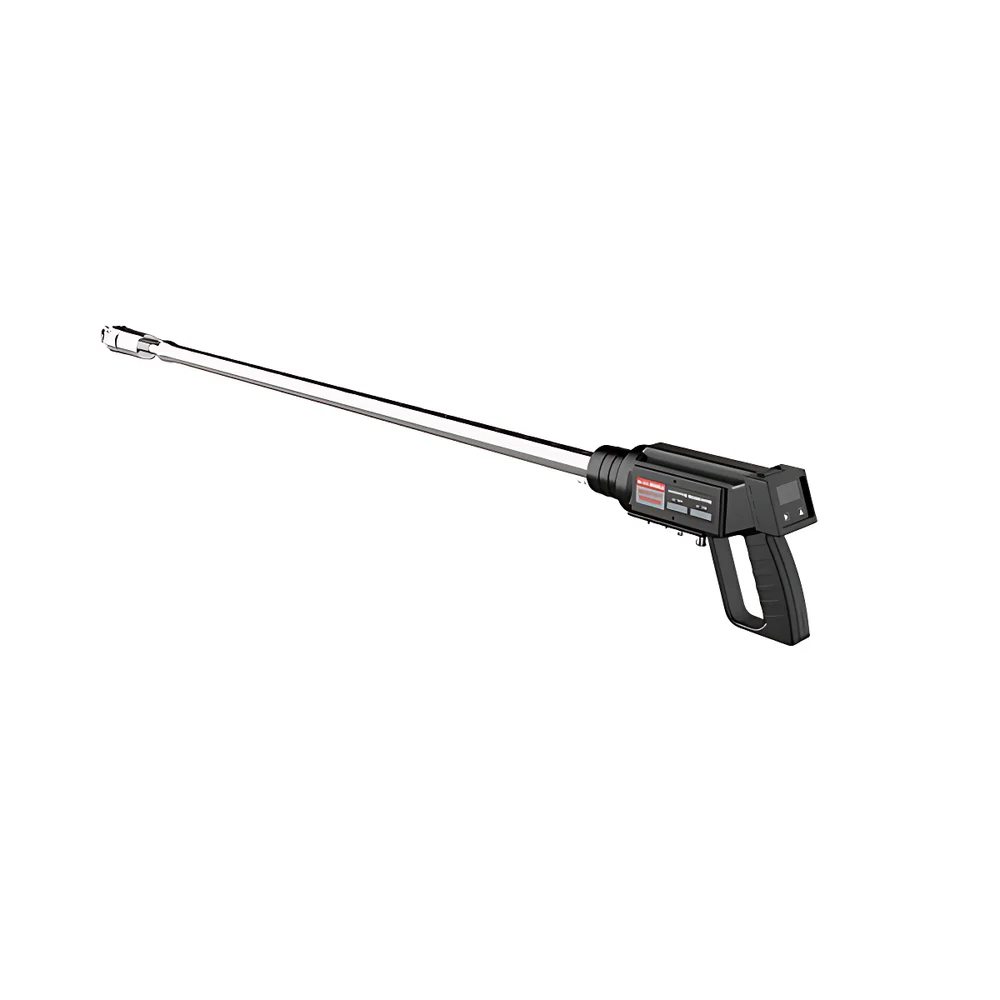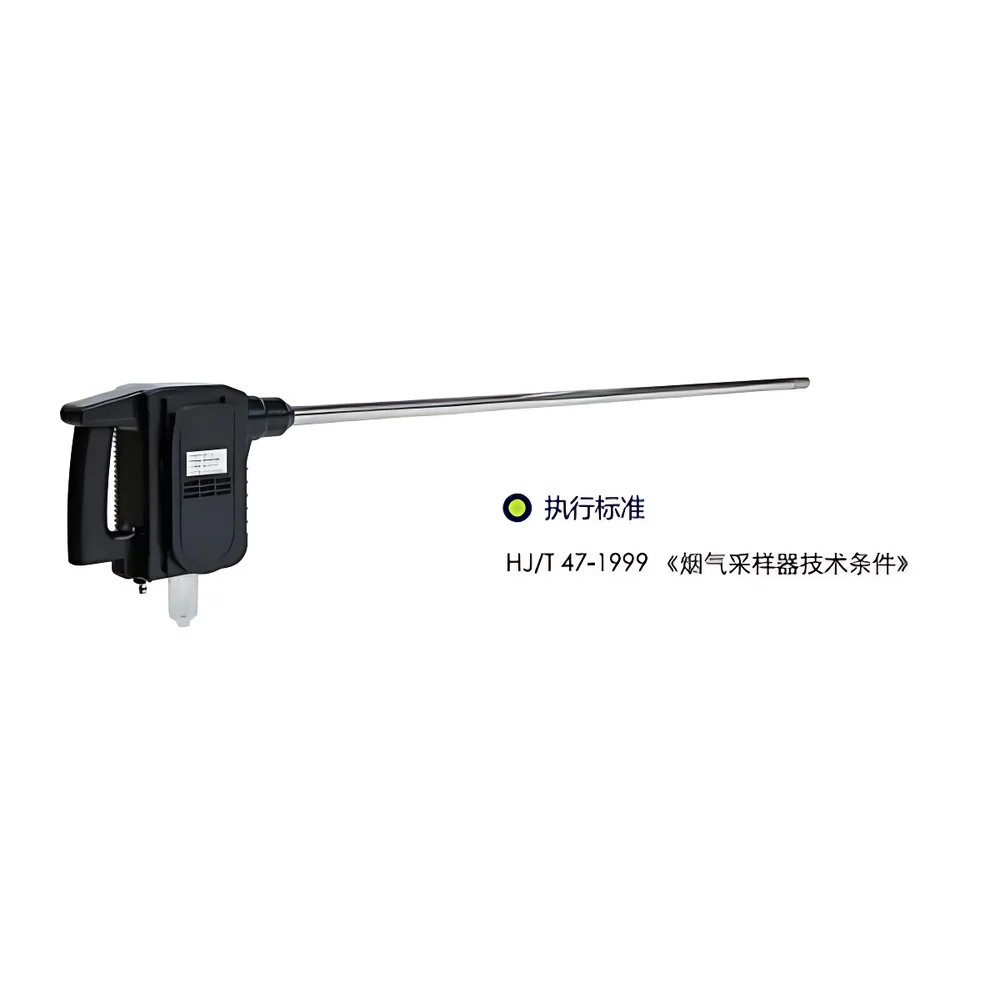
Minhope MH3010 Flue Gas Preconditioner

| Brand | Minhope |
|---|---|
| Origin | Shandong, China |
| Manufacturer Type | Authorized Distributor |
| Country of Origin | China |
| Model | MH3010 |
| Pricing | Available Upon Request |
Ask about pricing, availability and specifications.
Overview
The Minhope MH3010 Flue Gas Preconditioner is a purpose-engineered front-end gas conditioning system designed for continuous, reliable sample preparation prior to analysis in fixed-source emission monitoring applications. It operates on a three-stage conditioning principle: particulate filtration, thermal stabilization, and controlled condensate removal—enabling precise dew point management and minimizing water vapor interference in downstream electrochemical, NDIR, or paramagnetic gas sensors. Engineered for integration with portable or stationary flue gas analyzers (e.g., SO₂, NOₓ, CO, O₂ measurement platforms), the MH3010 ensures representative sampling by maintaining gas integrity across variable stack temperatures (up to 200 °C) while preventing sensor poisoning, corrosion, and signal drift caused by moisture, aerosols, or acidic condensates.
Key Features
- Integrated modular architecture optimized for plug-and-play compatibility with mainstream flue gas analyzers—including Minhope’s own MH3000-series and third-party instruments compliant with EN 15267 and EPA Method 6C/7E interfaces.
- High-efficiency sintered stainless-steel filter element (pore size ≤5 µm) installed upstream of the heating zone, providing robust particulate retention without pressure drop sensitivity or frequent replacement cycles.
- Main gas pathway constructed entirely from PTFE-lined tubing (inner diameter 4 mm, wall thickness ≥0.8 mm), minimizing adsorption of polar analytes such as SO₂, NH₃, and HCl—critical for achieving sub-ppm-level accuracy per HJ 57–2017 requirements.
- Fully removable, heat-resistant PTFE liner system across all internal flow paths (heater section, condenser chamber, and outlet line), enabling rapid field maintenance, cross-contamination prevention, and calibration traceability.
- Intelligent dual-zone temperature control: heated sampling line (maintained at 120–180 °C) prevents condensation upstream; thermoelectrically cooled condenser (setpoint adjustable between 2–10 °C) achieves consistent dew point suppression below 5 °C, meeting HJ/T 47–1999 condensate removal efficiency thresholds.
Sample Compatibility & Compliance
The MH3010 is validated for use with flue gases containing SO₂ (0–5000 ppm), NOₓ (0–2000 ppm), CO (0–10,000 ppm), O₂ (0–25% vol), and H₂O (saturated up to 150 °C). Its design conforms to key Chinese environmental monitoring standards: HJ/T 47–1999 (Technical Specifications for Flue Gas Samplers) and HJ 57–2017 (Determination of Sulfur Dioxide in Stationary Source Exhaust—Potentiometric Electrolysis Method). While not CE-marked or certified to IEC 61000-6-2/6-4, its EMI-hardened enclosure and grounded PTFE path support stable operation in industrial plant environments. For GLP/GMP-aligned deployments, the unit supports audit-ready documentation via optional calibration log export (via RS232 interface) and configurable timestamped event logging.
Software & Data Management
The MH3010 operates as a hardware preconditioning module without embedded firmware or GUI. Temperature setpoints, heater status, and condenser operational mode are managed via analog voltage inputs (0–10 V DC) or discrete relay signals from host analyzers. Optional accessory kits include a DIN-rail mountable temperature controller (Model TC-MH3010-PRO) with local LCD display, real-time PID tuning, and Modbus RTU (RS485) output for integration into SCADA or EMS platforms. All configuration parameters are stored non-volatilely and survive power cycling. No cloud connectivity or proprietary software is required—ensuring long-term interoperability and compliance with air quality data governance policies under China’s “Measures for the Administration of Environmental Monitoring Data Quality” (MEP Order No. 37).
Applications
- Regulatory compliance monitoring at coal-fired, biomass, and waste-to-energy power plants per China’s GB 13223–2011 and EU IED Annex II requirements.
- Stack testing during environmental impact assessments (EIAs) and routine QA/QC audits conducted by provincial EPBs and CMA-accredited labs.
- Method validation studies supporting ISO 12039, ISO 10849, and US EPA Reference Methods 6, 7, and 10—particularly where high-humidity, low-concentration SO₂ measurements demand rigorous moisture management.
- Educational laboratory setups for environmental engineering curricula focusing on emission source characterization, gas-phase reaction kinetics, and sensor degradation mechanisms.
- Occupational hygiene surveys in industrial kilns, incinerators, and metal smelting facilities where real-time exposure assessment requires stable, low-drift gas readings.
FAQ
Does the MH3010 include built-in gas concentration measurement capabilities?
No. It is a dedicated sample conditioning device only—no sensors, detectors, or analytical modules are integrated.
Can the MH3010 be used with non-Minhope analyzers?
Yes. Its pneumatic and electrical interfaces follow industry-standard dimensions and signal protocols compatible with most 12–24 V DC powered portable emission analyzers.
What maintenance intervals are recommended for the stainless-steel filter?
Under typical coal-combustion conditions (≤50 mg/m³ particulate load), inspection every 200 operating hours and replacement every 1000 hours is advised per HJ/T 47–1999 Annex B.
Is the PTFE liner resistant to hydrofluoric acid (HF) or chlorine gas (Cl₂)?
Standard PTFE liners exhibit excellent resistance to Cl₂ but are not rated for prolonged HF exposure; optional perfluoroalkoxy (PFA) liner kits are available upon request.
Does the unit comply with FDA 21 CFR Part 11 for electronic records?
No. As a hardware-only preconditioner without electronic record generation, it falls outside the scope of Part 11; however, its analog outputs may feed into Part 11–compliant data acquisition systems.