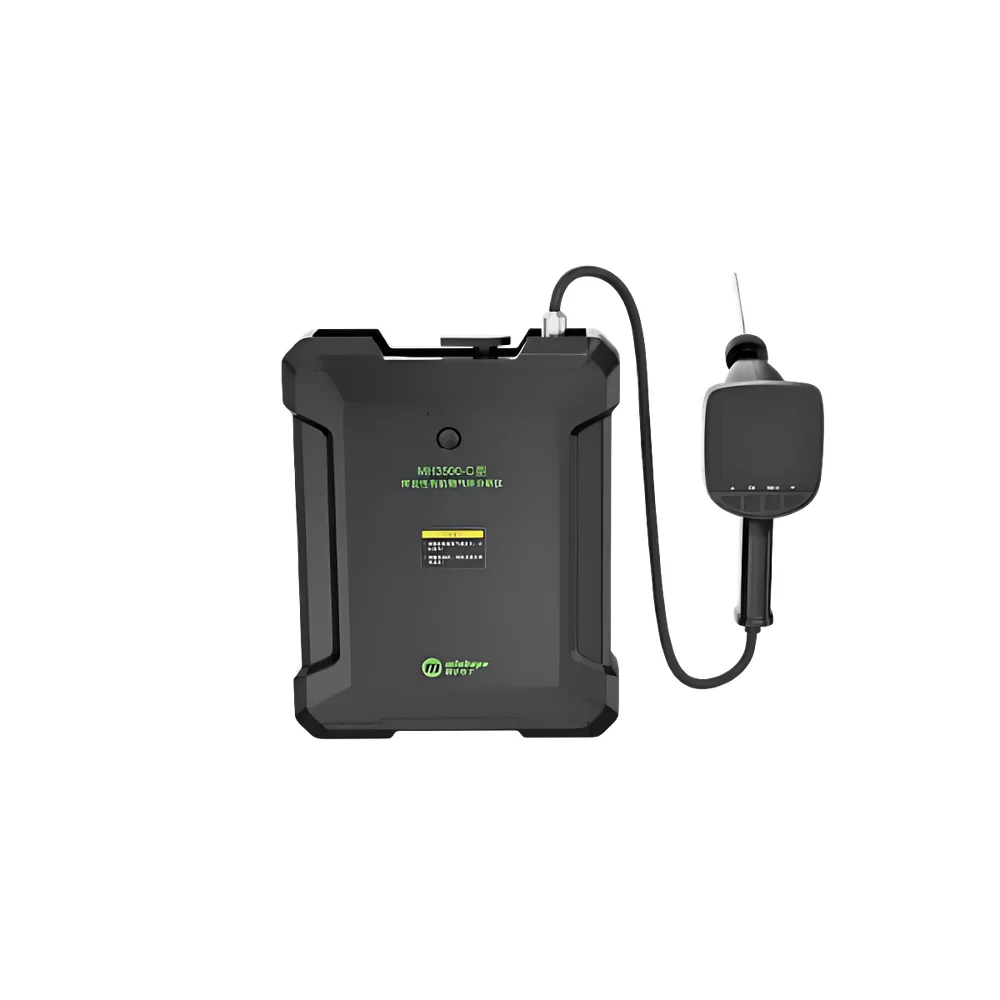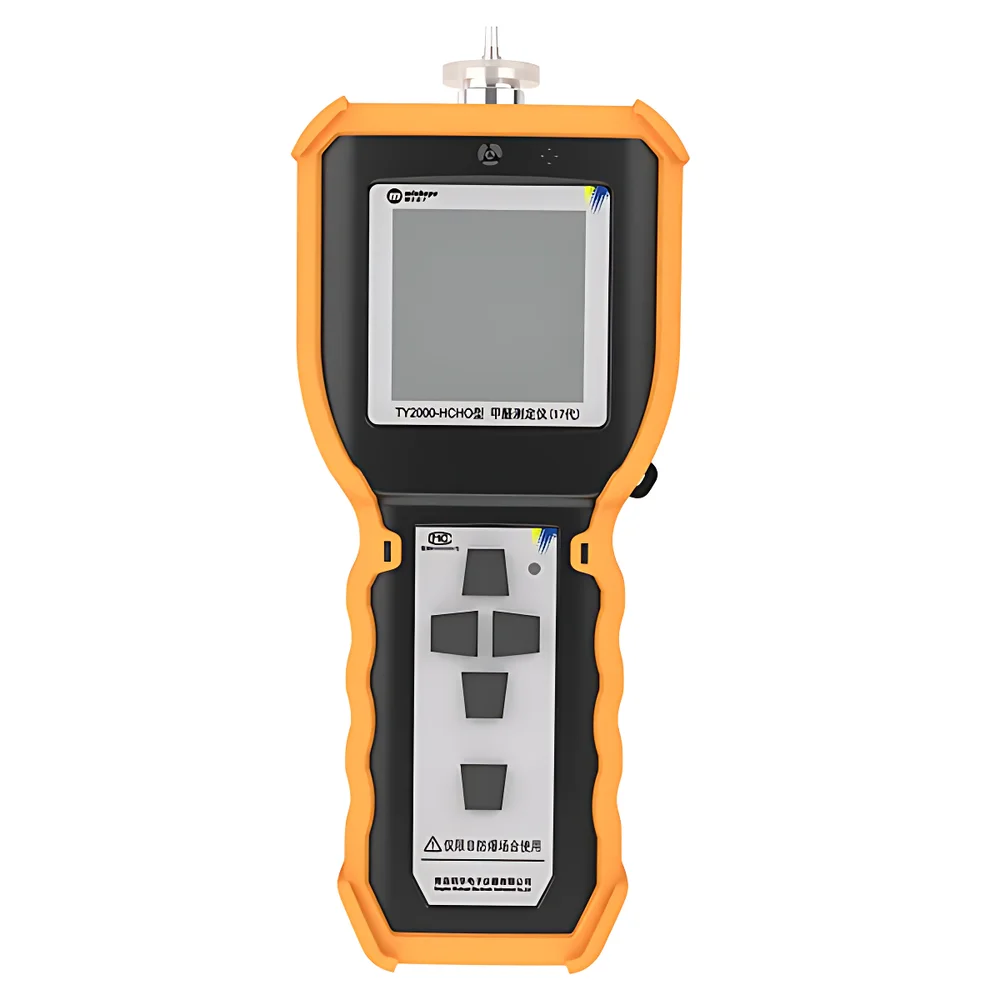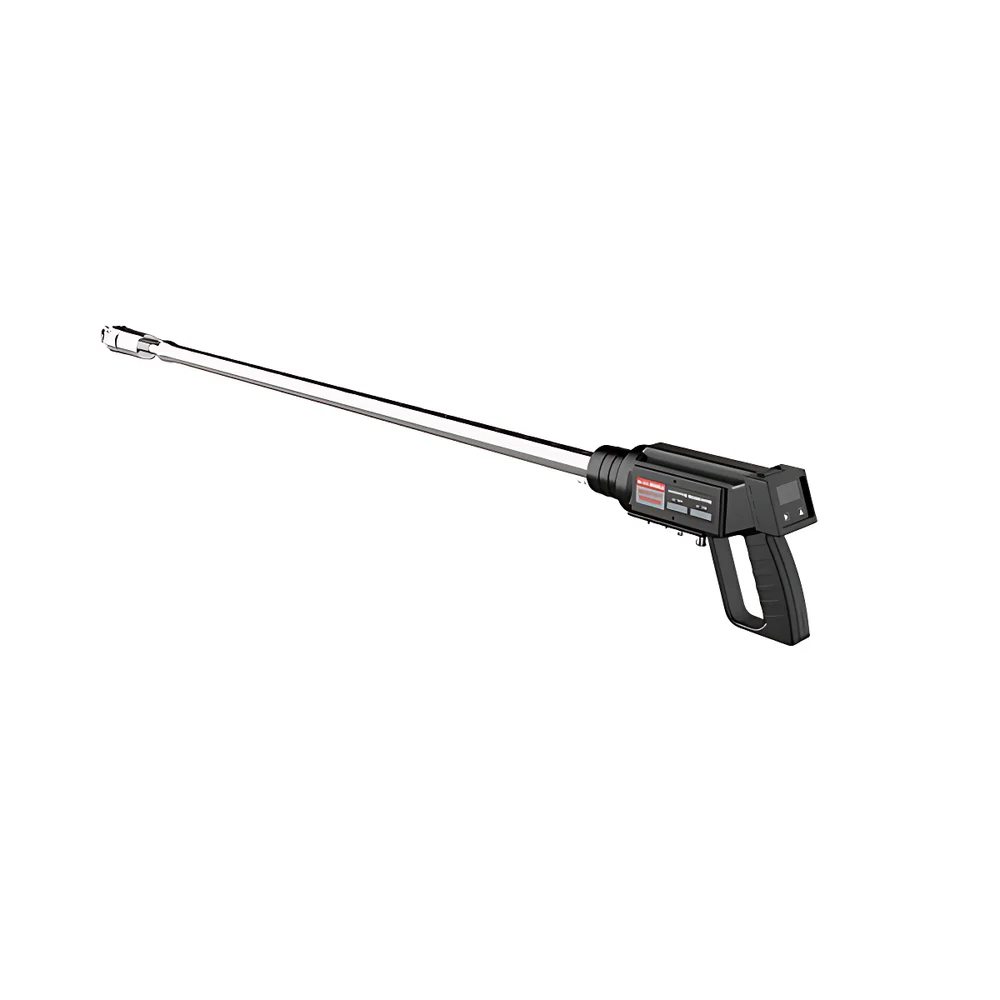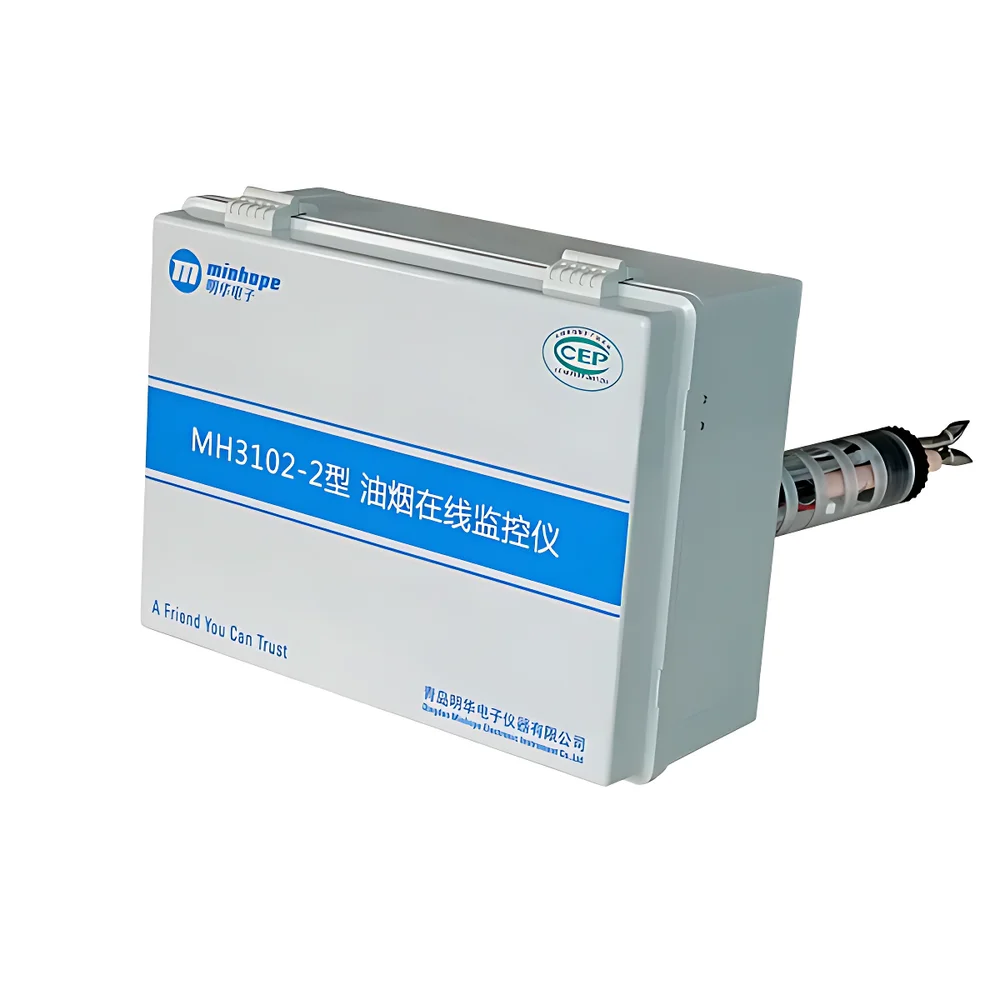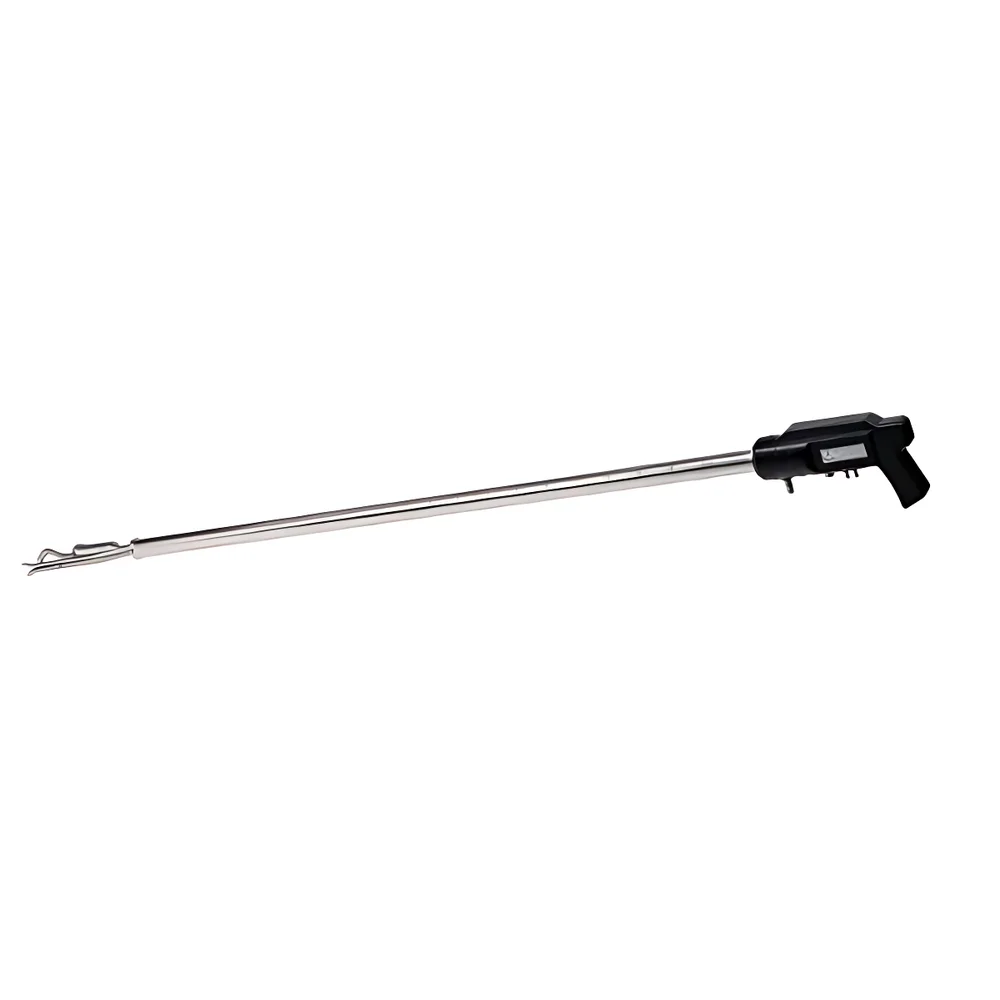
Minhope MH3020N Ammonia and Ammonium Salt Sampling Probe

| Brand | Minhope |
|---|---|
| Origin | Shandong, China |
| Manufacturer Type | Authorized Distributor |
| Country of Origin | China |
| Model | MH3020N |
| Pricing | Upon Request |
Ask about pricing, availability and specifications.
Overview
The Minhope MH3020N Ammonia and Ammonium Salt Sampling Probe is a field-deployable, thermally integrated sampling device engineered for compliant, quantitative collection of both gaseous ammonia (NH₃) and particulate-phase ammonium salts (e.g., NH₄Cl, (NH₄)₂SO₄, NH₄NO₃) from stationary source exhaust streams. Designed in accordance with EPA Method 205, ISO 11843-3, and HJ 1045–2019 (China’s standard for ammonia emission monitoring), the probe operates on the principle of isokinetic sampling combined with controlled thermal management to prevent condensation, adsorption loss, or volatilization artifacts during transit. Its fully heated EP-grade stainless steel construction ensures chemical inertness across the full operational temperature range (typically 120–180 °C), minimizing surface retention of polar analytes—a critical requirement for accurate total ammonia quantification in flue gas matrices containing SO₂, NOₓ, HCl, and moisture.
Key Features
- Fully integrated, uniform heating system with PID-controlled temperature regulation (±2 °C stability) across the entire probe length—including inlet tip, sampling nozzle, and internal transfer line—to maintain sample integrity from point of capture to filter/impinger interface.
- EP-grade (Electropolished) 316L stainless steel construction resistant to chloride-induced pitting and acidic corrosion, validated for continuous exposure to flue gases with HCl concentrations up to 500 ppm and SO₂ up to 2000 ppm.
- Universal mounting geometry supporting both horizontal and vertical stack insertion without reconfiguration; includes adjustable support collar and reinforced swivel joint for stable positioning under high-velocity flow conditions (up to 30 m/s).
- Integrated thermocouple (Type K) and pitot tube assembly enabling simultaneous real-time measurement of stack gas temperature and velocity—essential for isokinetic flow calculation and sampling rate validation per EPA Method 2F and ISO 16911-1.
- Optimized arc-shaped inlet bend (radius ≥ 3× inner diameter) reducing turbulent impaction losses of sub-2.5 µm ammonium aerosols, thereby improving collection efficiency for fine-mode particulate ammonium species.
- Modular connection interface compatible with Minhope’s certified flue gas analyzers (e.g., MH3021, MH3050 series) and third-party isokinetic samplers, supporting synchronized dilution,分流 (split-stream) sampling, and anti-backflow design to eliminate suction reversal during pump cycling.
Sample Compatibility & Compliance
The MH3020N is validated for use with quartz fiber filters (for particulate ammonium salts) and acid-coated impingers (e.g., 0.01 M H₂SO₄) or denuders (coated with citric acid or oxalic acid) for gaseous NH₃ capture. It meets the physical and thermal requirements specified in US EPA Reference Method 205 (Ammonia Emissions from Stationary Sources), EN 13284-1 (Determination of low-range dust mass concentration), and China’s HJ 1045–2019 (Determination of Ammonia Emissions from Fixed Pollution Sources—Ion Chromatography Method). Its design supports GLP-compliant field documentation, including temperature log traceability, isokinetic deviation reporting (<10%), and audit-ready calibration records for thermocouple and pitot static pressure transducers.
Software & Data Management
When paired with Minhope’s MH3021 Flue Gas Analyzer or MH3050 Multi-parameter Stack Emission Monitor, the MH3020N enables automated isokinetic calculation, real-time temperature/velocity compensation, and synchronized data logging via RS485 Modbus RTU or Bluetooth 5.0. All acquired parameters—including probe tip temperature, differential pressure, stack temperature, and calculated sampling velocity—are timestamped and stored with 1-second resolution. Data export complies with ASTM D6784-22 Annex A4 for mercury and speciated metal reporting frameworks, and supports 21 CFR Part 11–compliant electronic signatures when deployed with validated LIMS integration modules.
Applications
- Regulatory compliance monitoring of NH₃ emissions from coal-fired power plants, waste-to-energy facilities, and cement kilns.
- Source apportionment studies requiring speciated ammonia (gaseous vs. particulate) for atmospheric modeling inputs.
- Performance evaluation of selective catalytic reduction (SCR) and selective non-catalytic reduction (SNCR) systems, where ammonia slip and ammonium sulfate/bisulfate aerosol formation must be quantified.
- Stack testing during startup, shutdown, and malfunction (SSM) events under Title V permitting requirements.
- Method validation and inter-laboratory comparison exercises conducted under ISO/IEC 17025 quality management systems.
FAQ
What is the maximum recommended operating temperature for the MH3020N probe?
The probe is rated for continuous operation at up to 180 °C at the tip, with thermal insulation maintaining outer surface temperatures below 60 °C for operator safety.
Can the MH3020N be used for ambient air sampling?
No—it is designed exclusively for hot, high-humidity, corrosive flue gas environments; ambient applications require unheated, low-flow configurations not supported by this model.
Is the probe compatible with US EPA Method 205A?
Yes—its heated length, material grade, temperature control accuracy, and isokinetic interface meet all mandatory criteria outlined in Section 8.2 and Appendix A of Method 205A.
Does the MH3020N include calibration certificates for its integrated sensors?
Each unit ships with NIST-traceable calibration reports for the Type K thermocouple and pitot tube, valid for 12 months from date of manufacture.
How is isokinetic sampling maintained when using the MH3020N with a portable analyzer?
The probe’s integrated pitot-static port feeds real-time velocity data to the host analyzer, which dynamically adjusts pump speed to match stack velocity—ensuring isokinetic ratio remains within ±10% as required by ISO 16911-1 Clause 7.4.