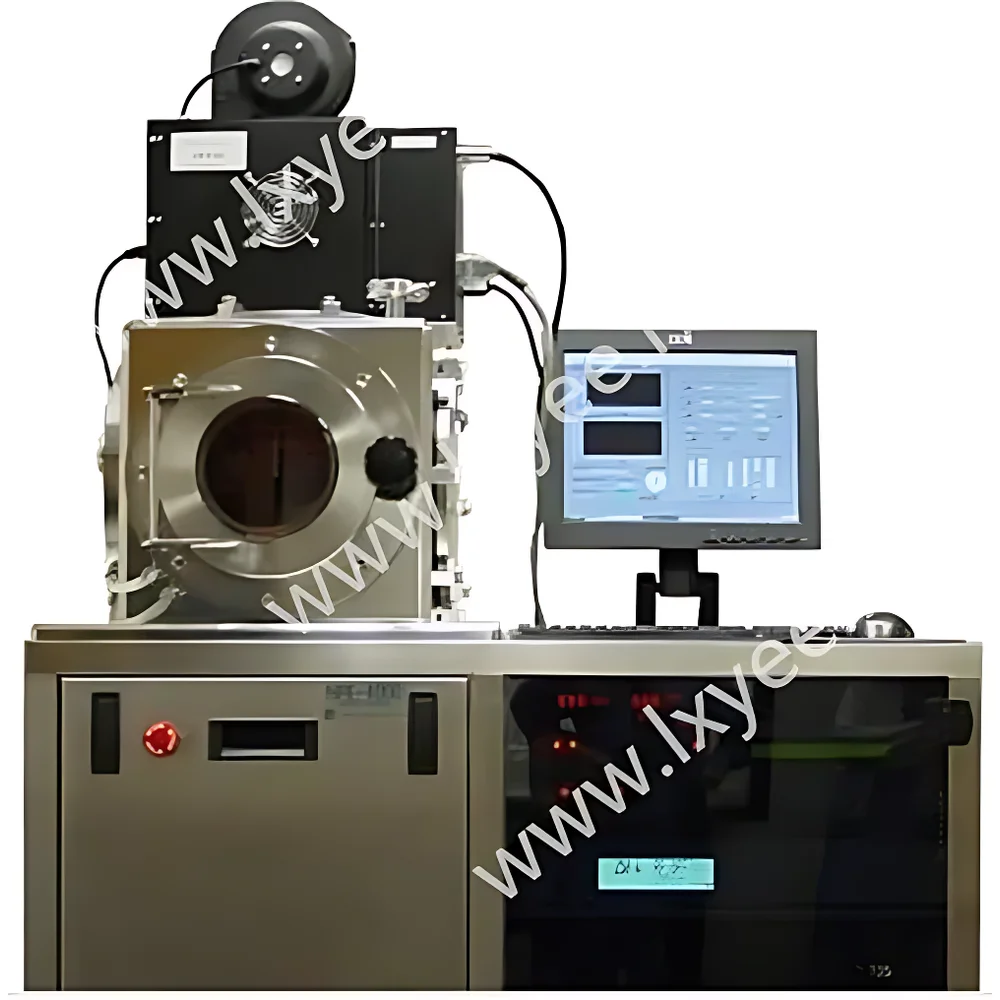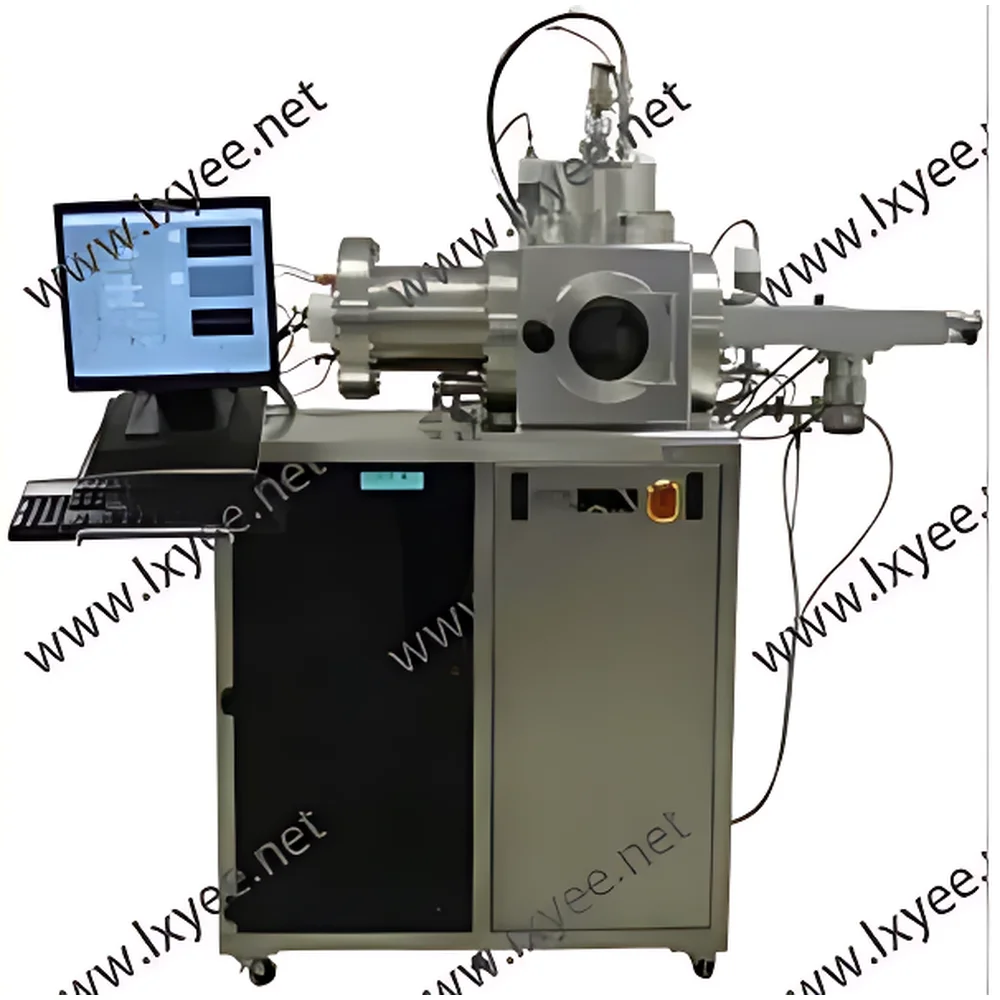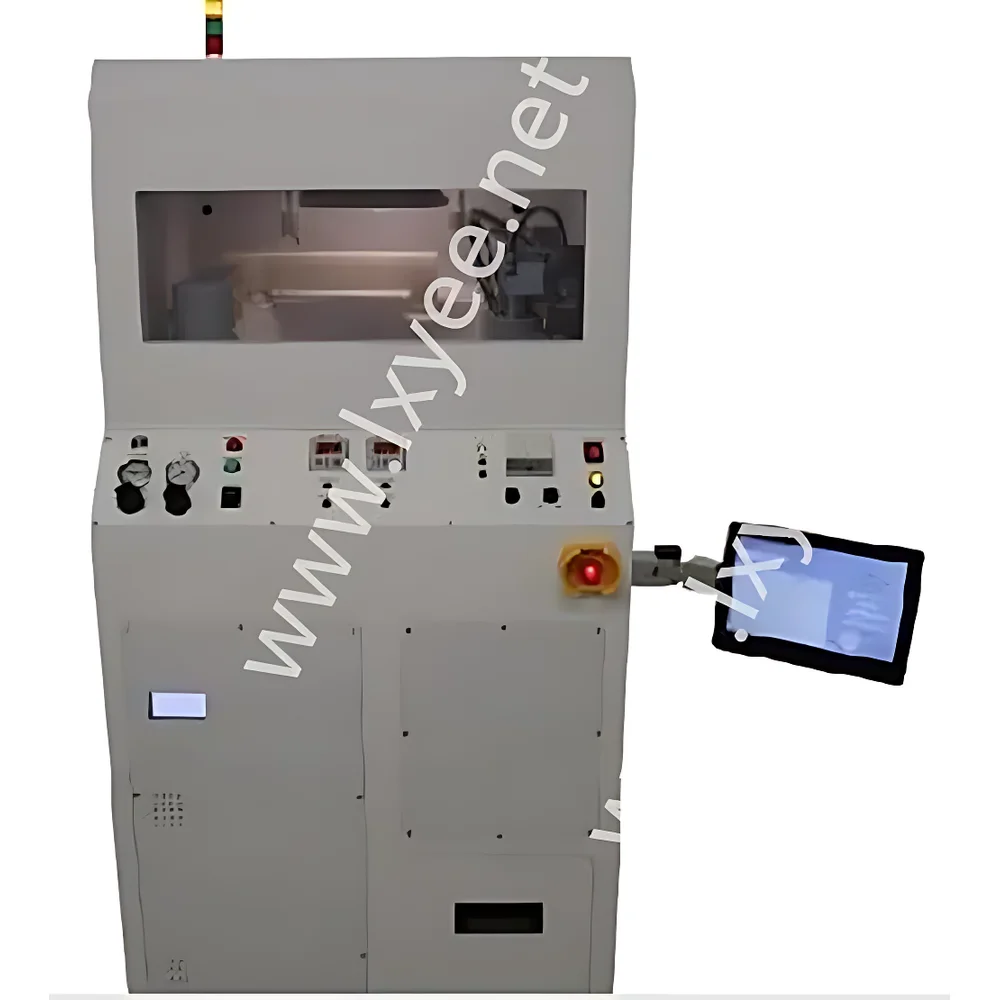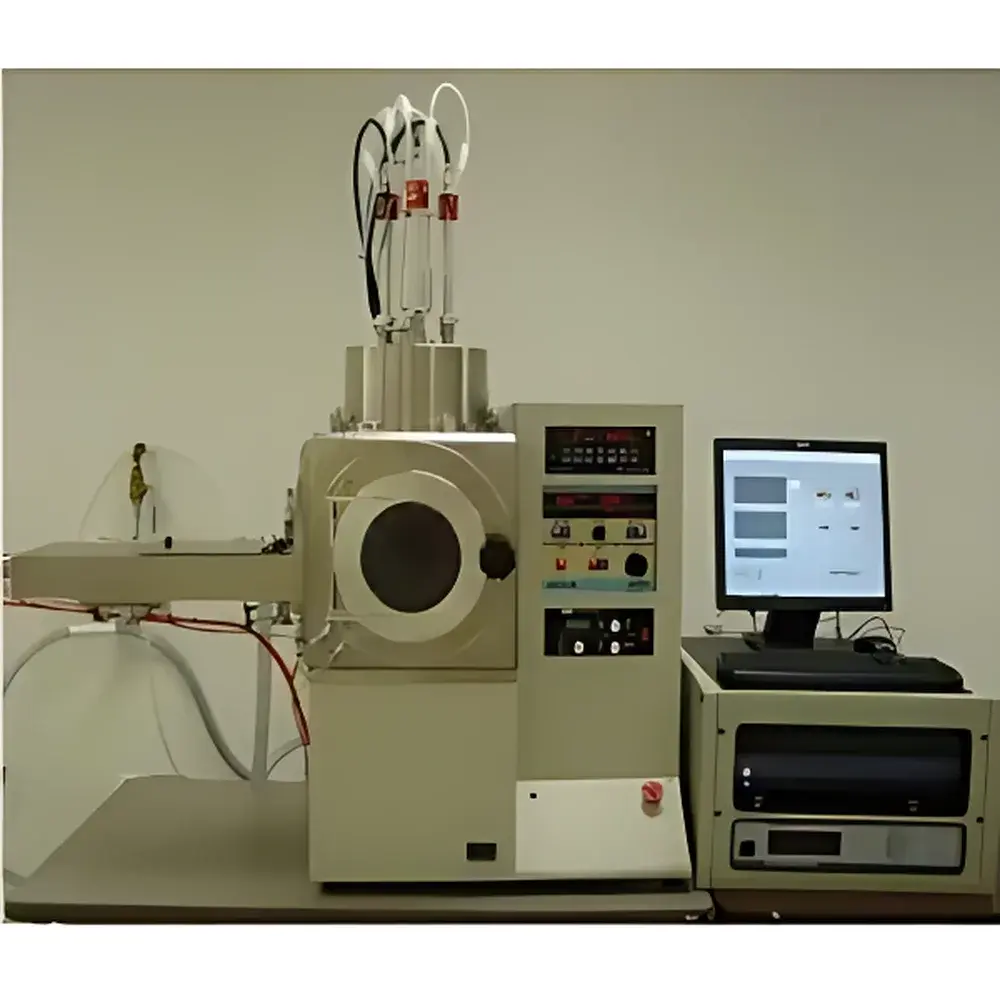
Nano-Master NSC-3000 (A) Fully Automated Magnetron Sputtering System

| Brand | Nano-Master |
|---|---|
| Origin | USA |
| Manufacturer Type | Authorized Distributor |
| Origin Category | Imported |
| Model | NSC-3000 (A) |
| Price Range | USD 135,000–205,000 |
| Chamber Material | Aluminum or Optional Stainless Steel |
| Vacuum Base Pressure | ≤1×10⁻⁷ Torr |
| Pumping Speed | 260 L/s Turbo Molecular Pump (Optional) |
| Substrate Heater | Up to 700 °C |
| Rotating Substrate Stage | Up to 6-inch diameter |
| Magnetron Configuration | Up to Three Off-Axis Planar Targets |
| Power Supplies | 1 kW DC + 300–600 W RF (13.56 MHz) |
| Thickness Resolution (Quartz Crystal Monitor) | <1 Å |
| Control Software | LabVIEW-based PC Interface with Multi-Level Password Protection |
| Safety | Full Interlock System, Load-Lock Pre-Vacuum Chamber, Auto Wafer Handling |
Ask about pricing, availability and specifications.
Overview
The Nano-Master NSC-3000 (A) is a fully automated, high-vacuum magnetron sputtering system engineered for precision thin-film deposition in research, development, and pilot-scale fabrication environments. Based on the principles of DC and RF magnetron sputtering—where energetic plasma ions bombard a solid target material, ejecting atoms that condense onto a substrate—the NSC-3000 (A) delivers exceptional process reproducibility and film uniformity across diverse substrates including silicon wafers, optical glass, ceramic tiles, and magnetic recording heads. Its modular architecture integrates a 14-inch cubic aluminum vacuum chamber (with stainless steel and bell-jar variants available), three 2-inch planar magnetrons arranged in an off-axis configuration, and a thermally stabilized rotating stage capable of accommodating up to 6-inch substrates. The system achieves ultra-high vacuum conditions (≤1×10⁻⁷ Torr) using a 260 L/s turbo molecular pump backed by a dry scroll pump, reaching 1×10⁻⁶ Torr within 15 minutes—critical for minimizing residual gas incorporation and ensuring stoichiometric fidelity in compound films such as ITO, Al₂O₃, or TiN.
Key Features
- Programmable substrate rotation and vertical positioning for optimized thickness uniformity (±2% over 100 mm wafers)
- Integrated water-cooled or resistively heated substrate stage (operable from room temperature to 700 °C under vacuum)
- Dual-power capability: 1 kW DC supply for conductive targets and 300–600 W RF (13.56 MHz) supply for insulating or semi-conductive materials
- Quartz crystal microbalance (QCM) with sub-angstrom (<1 Å) real-time thickness resolution and rate control
- LabVIEW-driven automation interface supporting recipe-based operation, parameter logging, and remote diagnostics
- Multi-tier security architecture: password-protected user roles (Operator, Engineer, Administrator) with audit-trail-capable session logging
- Comprehensive hardware interlocks covering chamber pressure, cooling water flow, power supply status, and door position
- Integrated load-lock module enabling rapid sample exchange without breaking main chamber vacuum
Sample Compatibility & Compliance
The NSC-3000 (A) accommodates rigid flat substrates up to 150 mm in diameter, including Si, GaAs, fused silica, alumina, and ferrite wafers. Its adjustable magnetron-to-substrate distance (25–150 mm range) allows empirical optimization of deposition rate (0.1–5 nm/s typical) and film homogeneity per application requirements. The system conforms to standard laboratory safety frameworks (ANSI Z87.1, UL 61010-1) and supports GLP/GMP-aligned workflows through timestamped, user-attributed data export (CSV/TXT) and optional 21 CFR Part 11-compliant electronic signature modules. All vacuum components meet ASTM E595 outgassing specifications for low-total-mass-loss (TML) and collected-volatile-condensable-material (CVCM) performance.
Software & Data Management
Control and monitoring are executed via a Windows-based PC running custom LabVIEW software. The interface provides synchronized real-time display of vacuum pressure, substrate temperature, sputter power, QCM thickness/rate, and gas flow rates (Ar, O₂, N₂). Process recipes—including multi-step sequences with timed power ramping, gas switching, and temperature profiling—are stored with version control and metadata tagging. Raw sensor data is logged at configurable intervals (100 ms–10 s) and exported in machine-readable formats compatible with MATLAB, Python (Pandas), or statistical process control (SPC) platforms. Audit trails record all user actions, parameter changes, and alarm events with ISO 8601 timestamps and operator ID.
Applications
- Optical coatings: anti-reflective (MgF₂/TiO₂ stacks), high-reflectivity mirrors (Ag/Al bilayers), and transparent conductive oxides (ITO, AZO)
- Hard protective films: CrN, TiAlN, and DLC deposited via pulsed DC sputtering on cutting tools or MEMS devices
- Functional dielectrics: SiO₂, Si₃N₄, and Al₂O₃ for gate stacks, passivation layers, or waveguide cladding
- RF plasma pre-cleaning: in-situ substrate surface activation prior to deposition (using optional RF bias)
- Magnetic thin films: CoFeB, NiFe, and GdFeCo for spintronics and read-head prototyping
- Research-grade combinatorial libraries: enabled by programmable shutter sequencing across multiple targets
FAQ
What vacuum level can the NSC-3000 (A) achieve, and how long does pump-down take?
The base pressure is ≤1×10⁻⁷ Torr when equipped with the standard 260 L/s turbo molecular pump and dry backing pump; pump-down to 1×10⁻⁶ Torr typically completes within 15 minutes from atmospheric conditions.
Is the system compliant with FDA 21 CFR Part 11 for regulated environments?
While the base configuration supports ALCOA+ data integrity principles, full 21 CFR Part 11 compliance—including electronic signatures and audit trail validation—requires optional software licensing and IQ/OQ documentation packages.
Can the NSC-3000 (A) deposit insulating films like SiO₂ or Al₂O₃?
Yes—via RF sputtering using the 13.56 MHz, 300–600 W RF generator and matching network; optional RF substrate bias enhances film density and adhesion.
What substrate heating options are available?
Standard configuration includes resistive heating up to 700 °C under vacuum with closed-loop PID control and thermocouple feedback; water-cooling is integrated for rapid thermal cycling.
How is film thickness monitored during deposition?
A quartz crystal microbalance (QCM) with <1 Å resolution provides real-time thickness and deposition rate feedback; optional optical monitoring (in-situ spectroscopic ellipsometry) is available as an add-on.