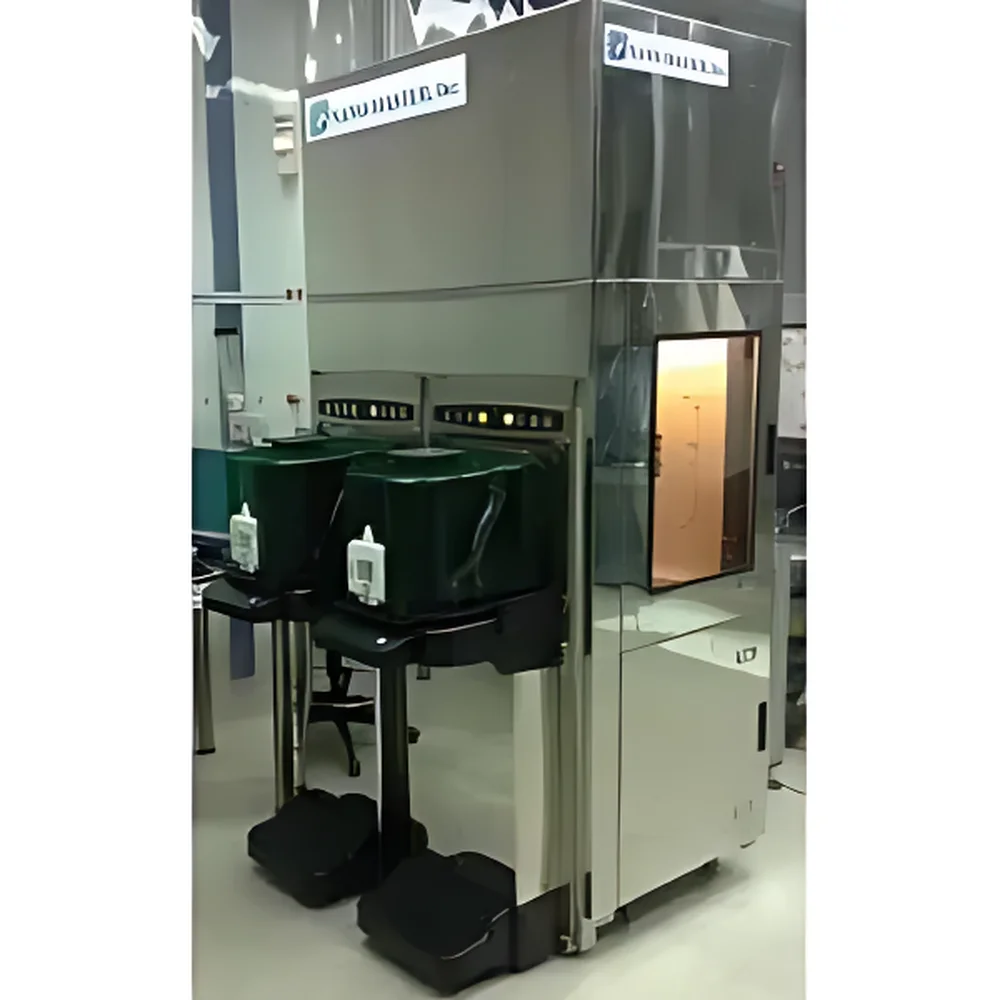
Nano-Master LSC-5000 (AD) Fully Automated Megasonic Wet-Strip System for Large-Format Substrates

| Brand | Nano-Master |
|---|---|
| Origin | USA |
| Manufacturer Type | Authorized Distributor |
| Product Origin | Imported |
| Model | LSC-5000 (AD) |
| Chamber Volume | Configurable per substrate configuration |
| Heating Power | Integrated resistive heating with PID-controlled thermal management |
| Cleaning Temperature Range | Ambient to 85 °C (chemically compatible) |
| Compatible Process Liquids | Deionized (DI) water, piranha solution (H₂SO₄:H₂O₂), ozone-enriched DI (20 ppm O₃), hydrogenated DI, high-purity solvents (e.g., acetone, IPA), dilute acids (e.g., HF, HCl), and custom chemistries |
| External Dimensions (L×W×D) | 762 mm × 660 mm × 762 mm (30″ × 26″ × 30″) |
Ask about pricing, availability and specifications.
Overview
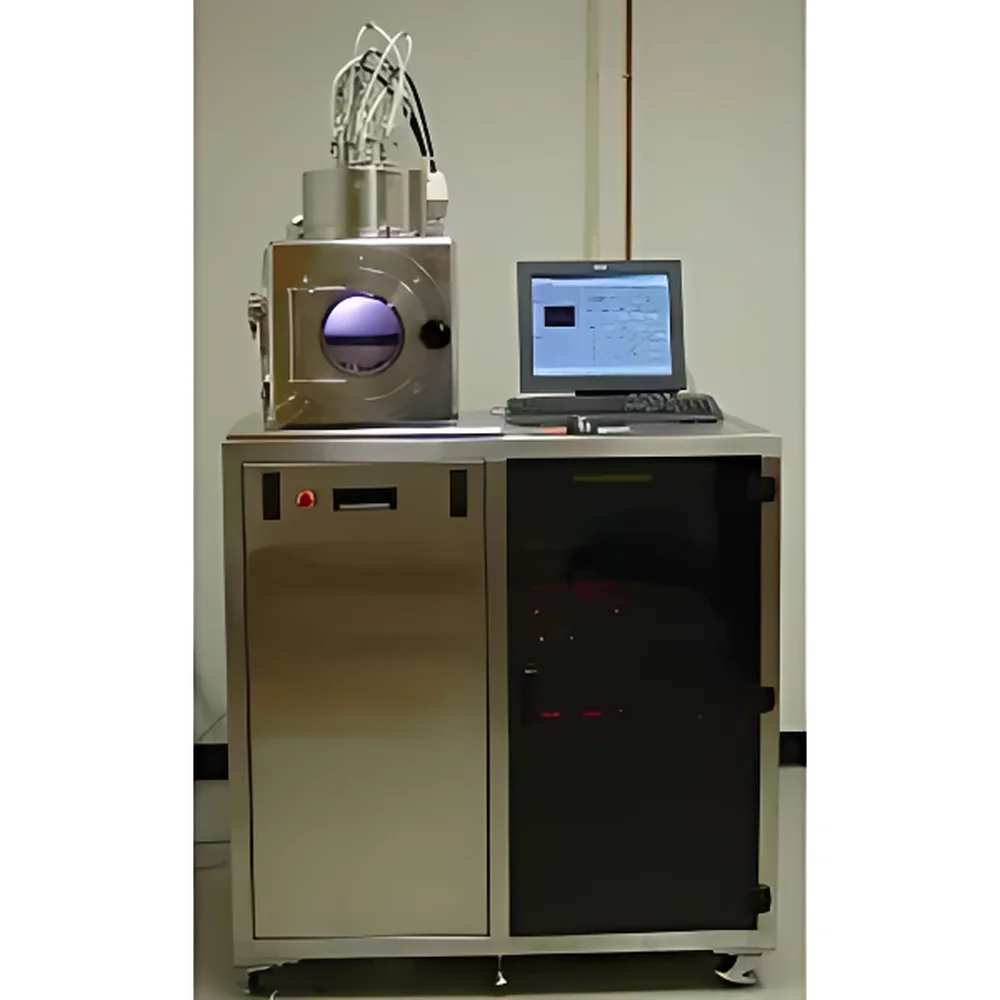
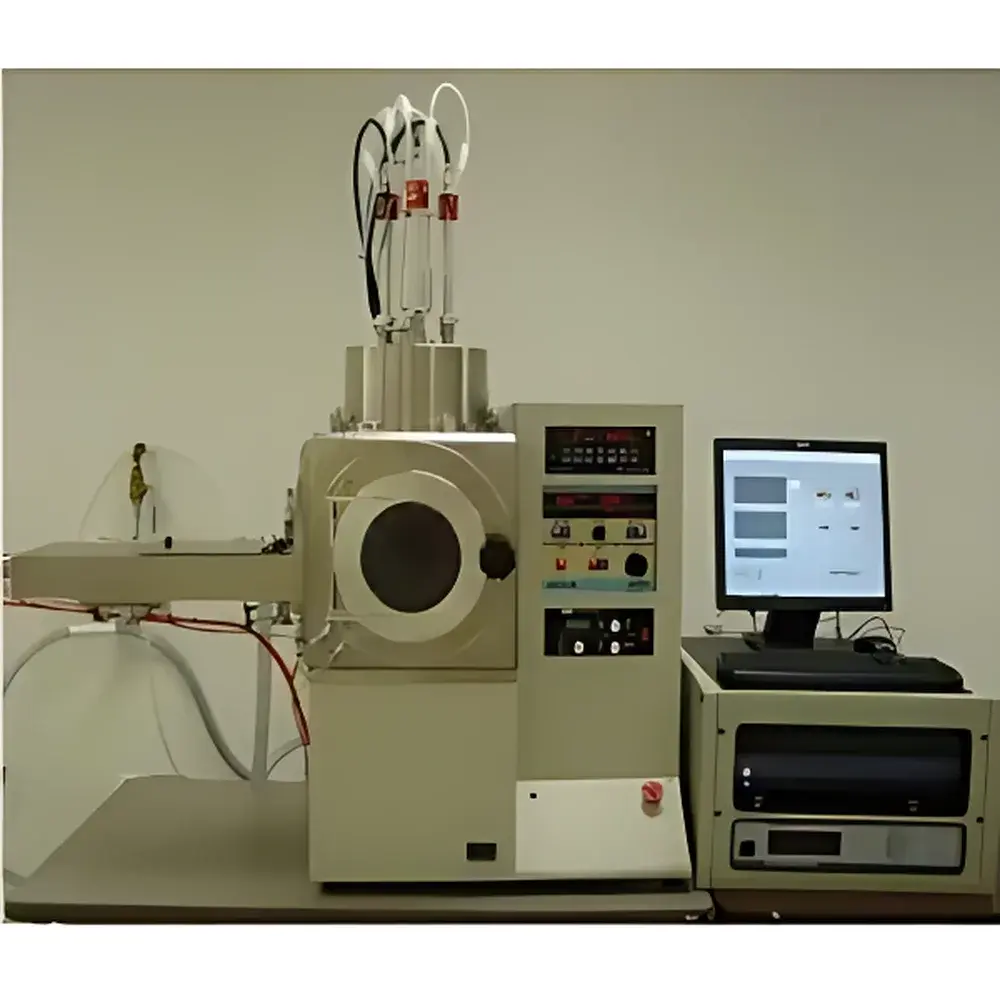
The Nano-Master LSC-5000 (AD) is a fully automated, high-precision megasonic wet-strip system engineered for the controlled removal of photoresist, hard masks, and organic residues from large-format substrates in semiconductor R&D, MEMS fabrication, advanced packaging, and flat-panel display manufacturing. It operates on the principle of megasonic energy coupling—utilizing high-frequency (≥1 MHz) acoustic waves transmitted through deionized water or process chemicals to induce cavitation-free microstreaming at the substrate surface. This non-contact, low-damage mechanism enables uniform resist stripping without particle redeposition or surface erosion, even on fragile structures such as ultra-thin Si wafers, sapphire substrates, ITO-coated glass, and patterned reticles. Designed for substrates up to 450 mm diameter or 15″ × 15″ square formats, the LSC-5000 (AD) integrates multiple orthogonal cleaning modalities—including megasonic irradiation, precision chemical dispensing, rotating brush scrubbing, heated DI rinse, high-pressure DI jetting, and thermally assisted nitrogen drying—within a single, reconfigurable process chamber.
Key Features
- Fully automated substrate handling via integrated robotic arm with EFEM (Equipment Front End Module) and SMIF (Standard Mechanical Interface) compatibility for cleanroom integration
- Modular megasonic transducer array delivering uniform energy distribution across full 450 mm wafers or 15″ × 15″ panels
- Programmable brush module with variable rotational speed (0–300 rpm), vertical force control (1–15 N), and real-time torque monitoring
- Dual-channel chemical delivery system with independent metering pumps, solvent/acid separation pathways, and corrosion-resistant fluidic manifolds (per ASTM F2101 material compatibility standards)
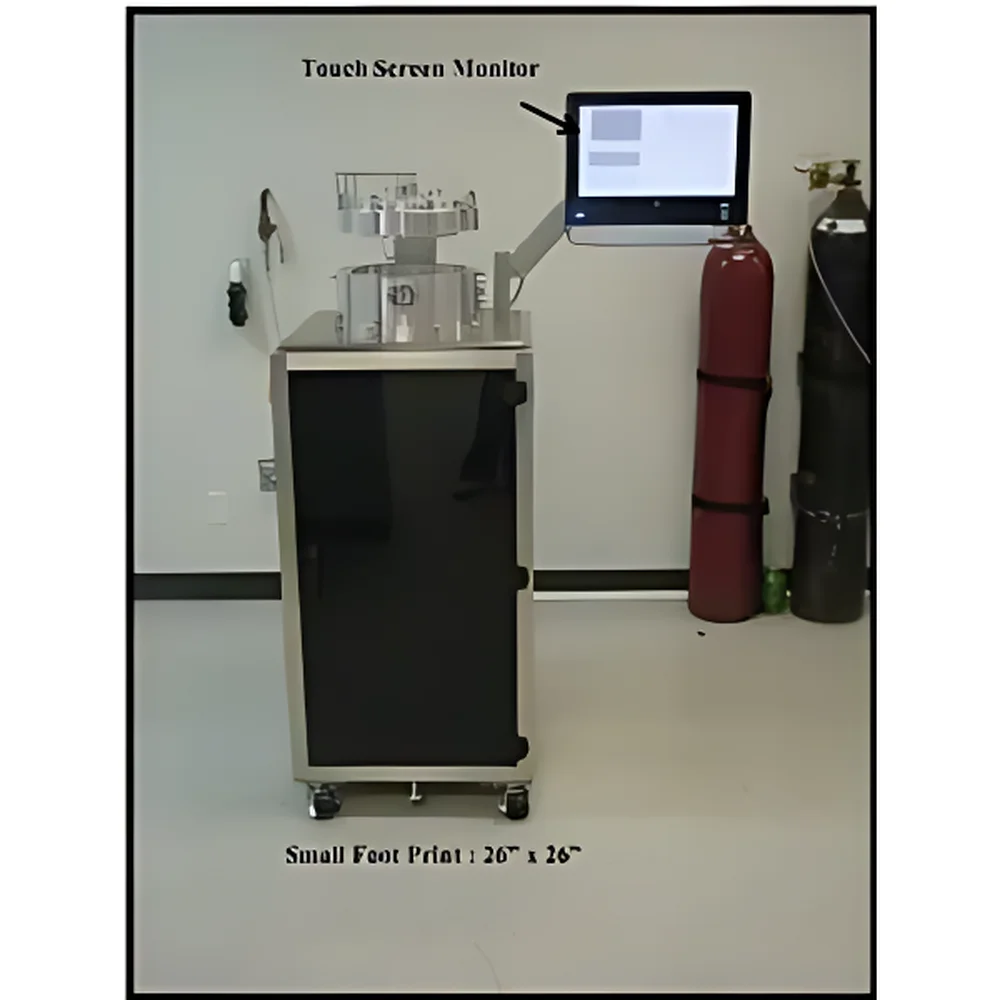
- Touchscreen HMI with LabVIEW-based PC controller supporting recipe-driven operation, parameter logging, and audit-trail generation compliant with FDA 21 CFR Part 11 requirements
- Comprehensive safety architecture including interlocked access doors, liquid-level sensors, overtemperature cutoffs, chemical leak detection, and emergency purge protocols
- Compact footprint: 762 mm × 660 mm (30″ × 26″), optimized for Class 100–1000 cleanroom environments
Sample Compatibility & Compliance
The LSC-5000 (AD) accommodates a broad spectrum of substrate types and geometries, including silicon wafers (200–450 mm), sapphire wafers, quartz reticles, chrome-on-glass photomasks (with or without protective pellicles), ITO-patterned display panels, and flexible OLED substrates with temporary protective films. All wet-processing modules meet SEMI S2-0215 (Safety Guidelines) and SEMI E10-0719 (Equipment Reliability) specifications. Chemical handling subsystems comply with NFPA 30 and NFPA 45 standards for hazardous material storage and dispensing. Optional ozone and piranha modules are certified to UL 61010-1 and CE Machinery Directive 2006/42/EC. Data integrity features—including electronic signatures, user-access levels, and time-stamped event logs—support GLP/GMP and ISO 9001 quality system audits.
Software & Data Management
Control and monitoring are executed via a Windows-based LabVIEW application with deterministic real-time loop execution (≤10 ms cycle time). The software supports up to 999 customizable process recipes, each defining sequence logic, timing, temperature ramps, flow rates, megasonic power levels, and brush parameters. All operational data—including sensor readings (temperature, pressure, conductivity, pH), actuator status, alarm events, and manual intervention timestamps—are stored in encrypted SQLite databases with automatic daily backup to network drives. Export options include CSV, XML, and PDF reports formatted for internal QA review or external regulatory submission. Audit trails retain full traceability for ≥12 months per FDA 21 CFR Part 11 §11.10(a).
Applications
- Photoresist stripping after etch or ion implantation in 300 mm and 450 mm semiconductor pilot lines
- Clean removal of hardened PR from EUV mask blanks and contact lithography reticles
- Post-develop residue clearance on high-resolution display backplanes (e.g., microLED, AMOLED)
- Organic contaminant removal from MEMS sensor surfaces prior to wafer bonding
- Surface preparation of sapphire substrates for GaN epitaxy—minimizing subsurface damage vs. plasma ashing
- Recovery and reconditioning of expensive photomasks using solvent-selective chemistries and non-abrasive megasonic agitation
FAQ
What substrate sizes does the LSC-5000 (AD) support?
It handles round wafers up to 450 mm in diameter and square substrates up to 15″ × 15″ (381 mm × 381 mm), with adjustable chuck and edge-handling fixtures.
Can the system process substrates with delicate pellicles or thin-film coatings?
Yes—the megasonic frequency and power density are tunable to avoid delamination; brush contact force and rotation are independently programmable to prevent coating abrasion.
Is the system compatible with piranha solution and other aggressive chemistries?
With the optional Piranha Module (certified PTFE/PFA fluid path), it supports hot sulfuric-peroxide mixtures under strict temperature and venting controls per SEMI F47 guidelines.
Does the system provide validation documentation for GMP environments?
Yes—IQ/OQ documentation packages, calibration certificates for all critical sensors, and 21 CFR Part 11 compliance reports are available upon request.
How is chemical waste managed during multi-step processes?
The system employs segregated drain lines for acids, solvents, and DI water, with optional neutralization and filtration modules meeting local EPA and ISO 14001 wastewater discharge requirements.