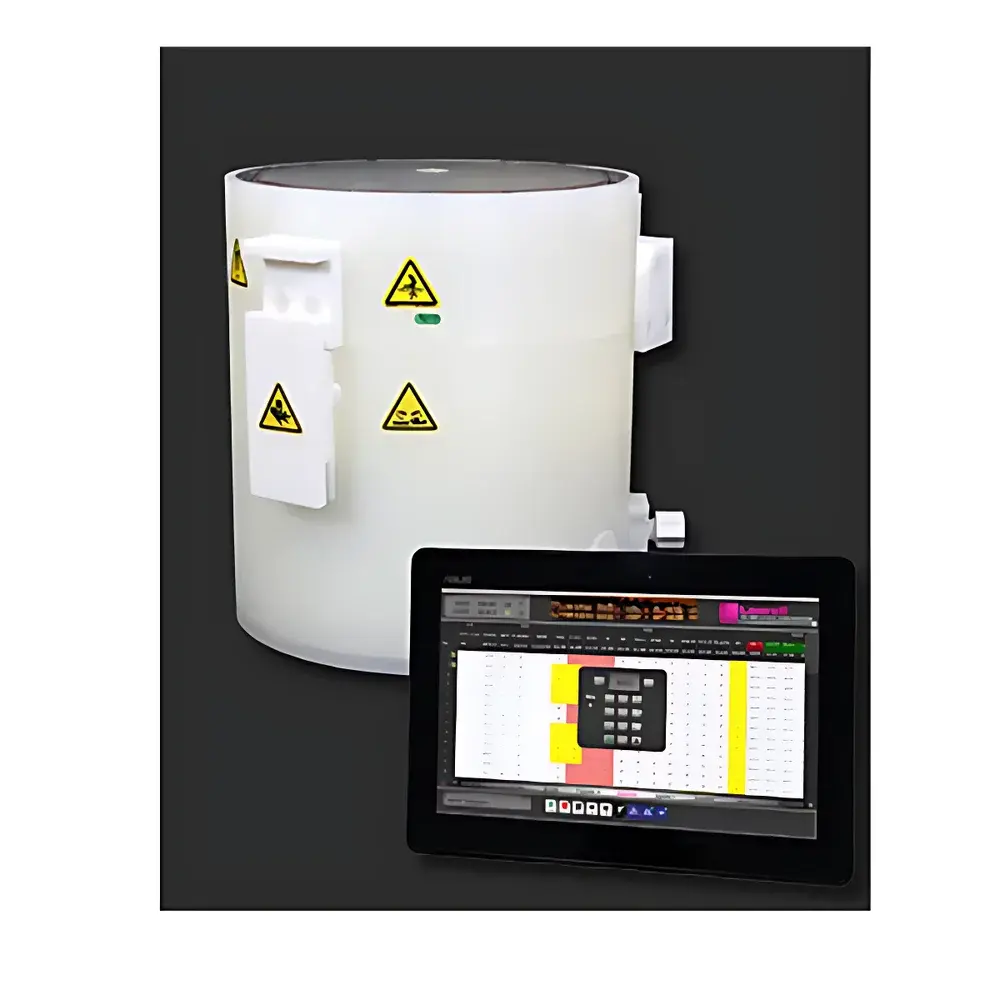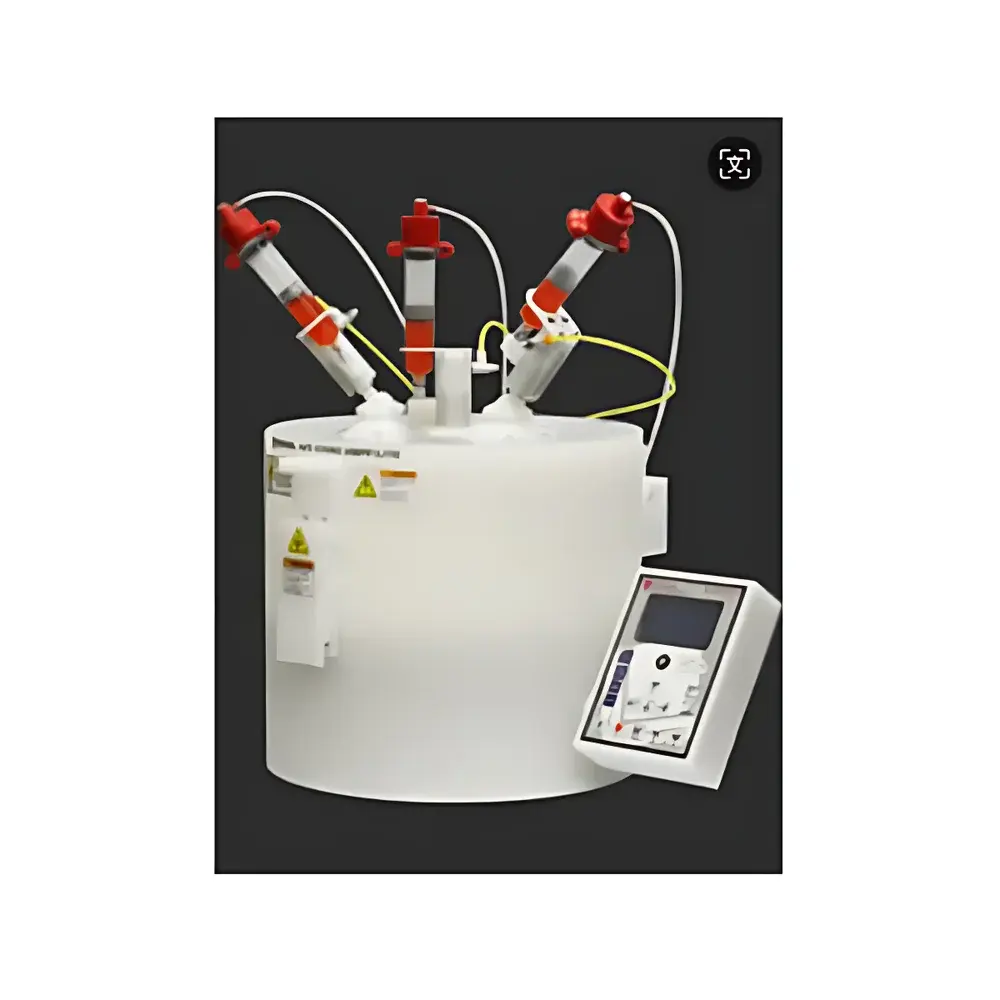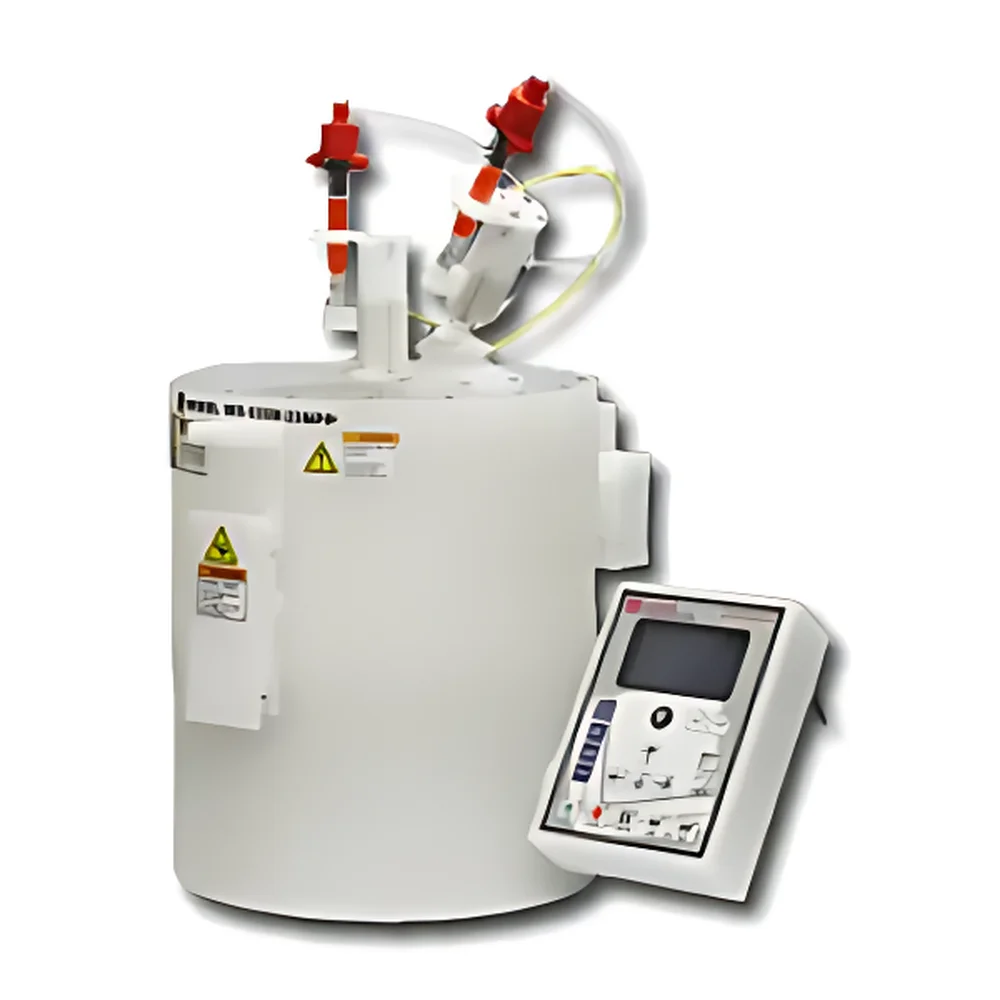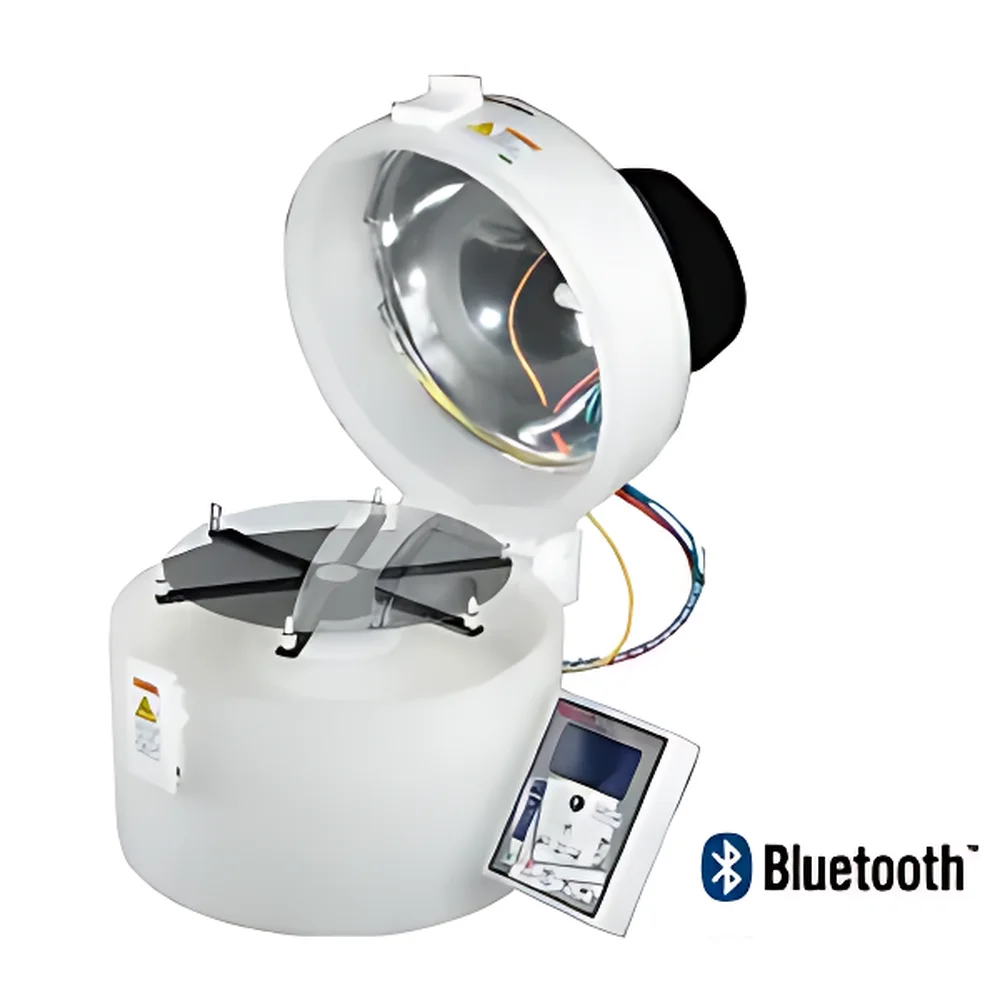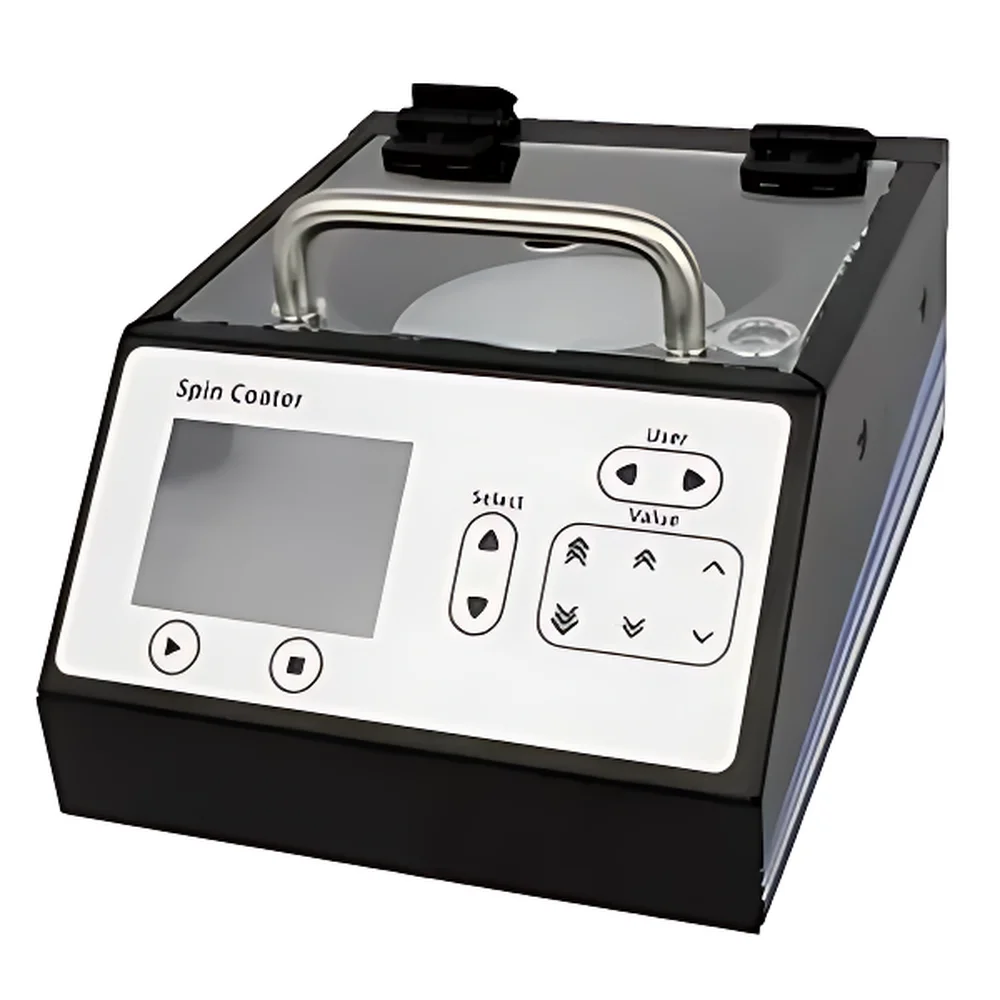
Laurell OS-E461 Compact Economical Spin Coater

| Brand | Laurell |
|---|---|
| Origin | USA |
| Model | OS-E461 |
| Rotation Speed | 120–6000 rpm |
| Speed Stability | <2% |
| Spin Time | 1–1000 s |
| Substrate Diameter | Up to 150 mm (6-inch) |
| Chamber Diameter | 170 mm |
| Footprint | 225 × 170 mm |
| Height | 132 mm |
| Power Supply | DC 24 V, 2 A (via 100–240 V AC, 50/60 Hz adapter) |
| Safety Interlock | Lid-activated automatic motor lockout |
| Construction | PP chamber, stainless steel housing, tempered glass lid |
| Compliance | CE-marked, RoHS-compliant, designed for GLP-aligned lab environments |
Ask about pricing, availability and specifications.
Overview
The Laurell OS-E461 Compact Economical Spin Coater is a precision-engineered benchtop instrument for uniform thin-film deposition via centrifugal spin coating—a foundational process in semiconductor fabrication, photovoltaics, MEMS development, and advanced materials research. Unlike conventional vacuum-dependent spin coaters, the OS-E461 employs a patented non-vacuum substrate retention system based on mechanical registration within a polypropylene chuck. This eliminates reliance on vacuum pumps, nitrogen purging, or complex plumbing—reducing both infrastructure dependency and long-term operational risk. Its operation follows well-established fluid dynamics principles: during rotation, viscous precursor solutions spread radially under controlled acceleration and shear, with final film thickness governed by rotational speed, acceleration profile, solution viscosity, and solvent evaporation rate. Designed for reproducible, operator-independent results, the OS-E461 delivers high inter-run consistency across diverse substrates—from rigid silicon wafers to flexible polymer films—without inducing substrate warpage or edge defects.
Key Features
- Space-optimized footprint: Dimensions of 225 × 170 × 132 mm enable seamless integration into gloveboxes, fume hoods, cleanroom laminar flow benches, and shared instrumentation labs.
- Vacuum-free substrate clamping: Patented polypropylene chuck with precision-machined recesses secures substrates mechanically—eliminating vacuum-induced bowing, especially critical for ultra-thin (<200 µm) or flexible substrates.
- Programmable multi-step control: Supports up to 10 user profiles; each profile stores 10 independent programs, with up to 50 programmable steps per program—including ramp-up, dwell, ramp-down, and hold phases.
- High-speed precision range: Adjustable rotation from 120 to 6000 rpm with <2% speed stability over time, enabling optimization for thick resist layers (low-rpm crystallization) or sub-10 nm films (high-rpm solvent-limited regimes).
- Self-leveling platform: Integrated bubble level and adjustable leveling feet ensure orthogonal alignment of the rotation axis—critical for minimizing radial thickness gradients and edge bead formation.
- Chemically resistant construction: Polypropylene chamber, 304 stainless steel chassis, and tempered glass viewing lid provide robust resistance to common photoresists, developers, solvents (e.g., PGMEA, acetone, IPA), and acidic/basic etchants.
- Inherent electrical safety: Operates exclusively on isolated 24 V DC power—no line-voltage exposure—meeting IEC 61010-1 requirements for laboratory equipment safety.
Sample Compatibility & Compliance
The OS-E461 accommodates substrates up to 150 mm (6-inch) in diameter, including silicon, glass, quartz, sapphire, PET, PI, and metal foils. Its non-contact, non-suction retention method preserves substrate integrity and avoids microcrack propagation in brittle wafers or delamination in multilayer stacks. The system complies with CE marking directives (2014/30/EU EMC, 2014/35/EU LVD) and RoHS 2011/65/EU restrictions on hazardous substances. While not certified to ISO 9001 or FDA 21 CFR Part 11 out-of-the-box, its deterministic, auditable parameter logging (via optional USB export) supports documentation workflows required under GLP and internal QC protocols. All firmware operations are deterministic and repeatable—no randomization or adaptive learning algorithms interfere with procedural traceability.
Software & Data Management
The OS-E461 features an embedded microcontroller-based interface with a tactile membrane keypad and dual-line LCD display. No external PC or proprietary software is required for routine operation. All programs—including speed ramps, dwell times, and step sequencing—are stored in non-volatile memory with battery-backed retention. Parameter changes are logged with timestamp and user ID (where enabled via external authentication layer). For integration into automated lab systems, optional RS-232 or USB-to-serial adapters support ASCII command protocol for remote triggering and status polling. Exported log files conform to CSV format for import into LIMS or statistical process control (SPC) platforms. Audit trail functionality—including program modification history—is available through firmware update v2.3+ when paired with Laurell’s LabLink™ configuration utility.
Applications
- Semiconductor R&D: Photoresist, anti-reflective coating (ARC), and hard mask spin-on deposition for lithography process development.
- Perovskite & organic photovoltaics: Uniform coating of precursor inks for scalable thin-film solar cell fabrication.
- Microfluidics & biosensors: Patterning of PDMS, SU-8, and conductive polymer layers on glass or silicon substrates.
- Nanomaterials research: Controlled deposition of graphene oxide, quantum dot suspensions, and metal-organic framework (MOF) colloids.
- Academic teaching labs: Robust, low-maintenance platform for hands-on instruction in thin-film physics, rheology, and process metrology.
FAQ
Why does the OS-E461 eliminate vacuum requirements?
Vacuum chucks induce mechanical stress on thin or flexible substrates, causing warpage and non-uniform film thickness. The OS-E461 uses geometric registration in a chemically inert PP chuck—ensuring flatness, simplifying installation, and removing pump-related failure modes and solvent contamination risks.
Can the OS-E461 be used inside a nitrogen-purged glovebox?
Yes—the absence of vacuum lines, external pumps, or vented exhaust makes it fully compatible with inert-atmosphere enclosures without modification.
What substrates are supported beyond standard silicon wafers?
Glass slides (up to 150 mm), quartz wafers, flexible PET/PI films, metal foils (e.g., Cu, Al), and ceramic substrates—all secured without adhesive or suction.
Is firmware upgrade capability available?
Yes—field-upgradable via USB flash drive using Laurell-provided signed binaries; version history and release notes are published on the official support portal.
Does the system meet regulatory requirements for GMP environments?
While the base unit is not 21 CFR Part 11 validated, its deterministic behavior, parameter audit logging (with optional add-ons), and physical access controls align with Annex 11 and EU GMP Chapter 4 prerequisites for computerized system qualification.