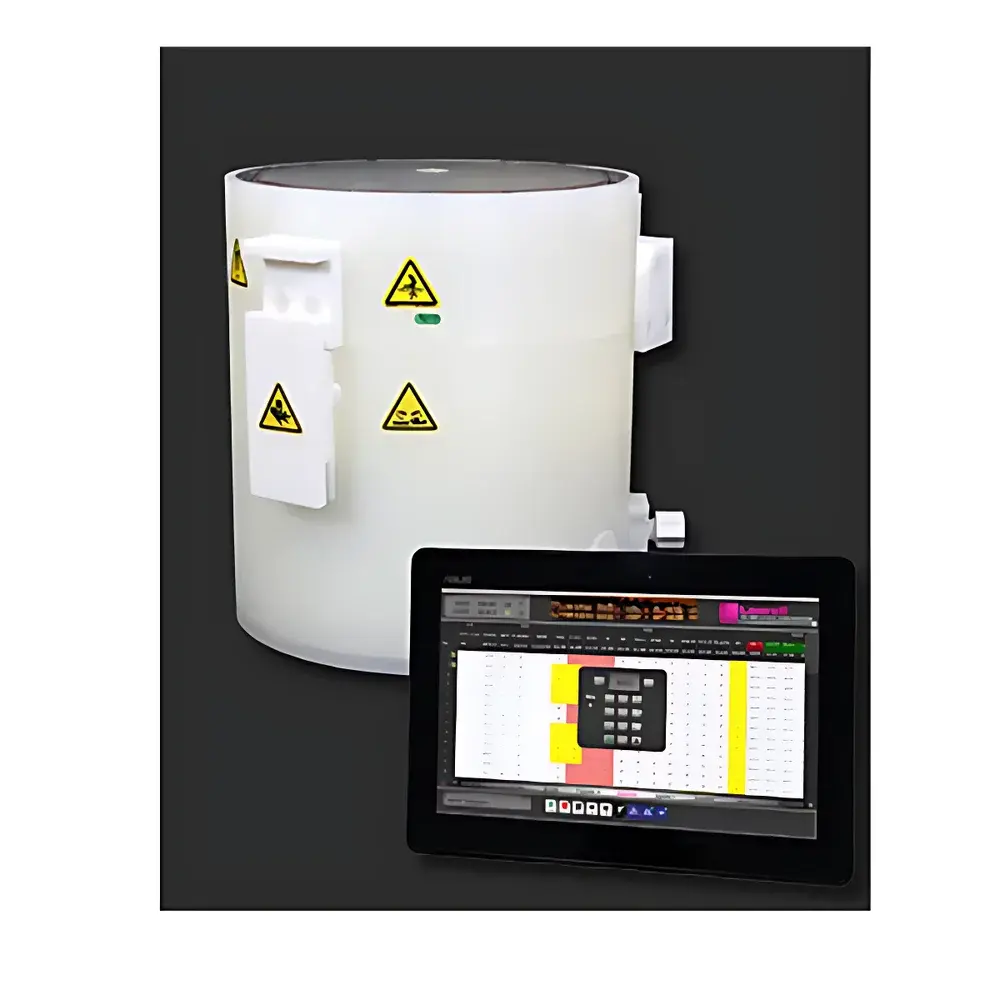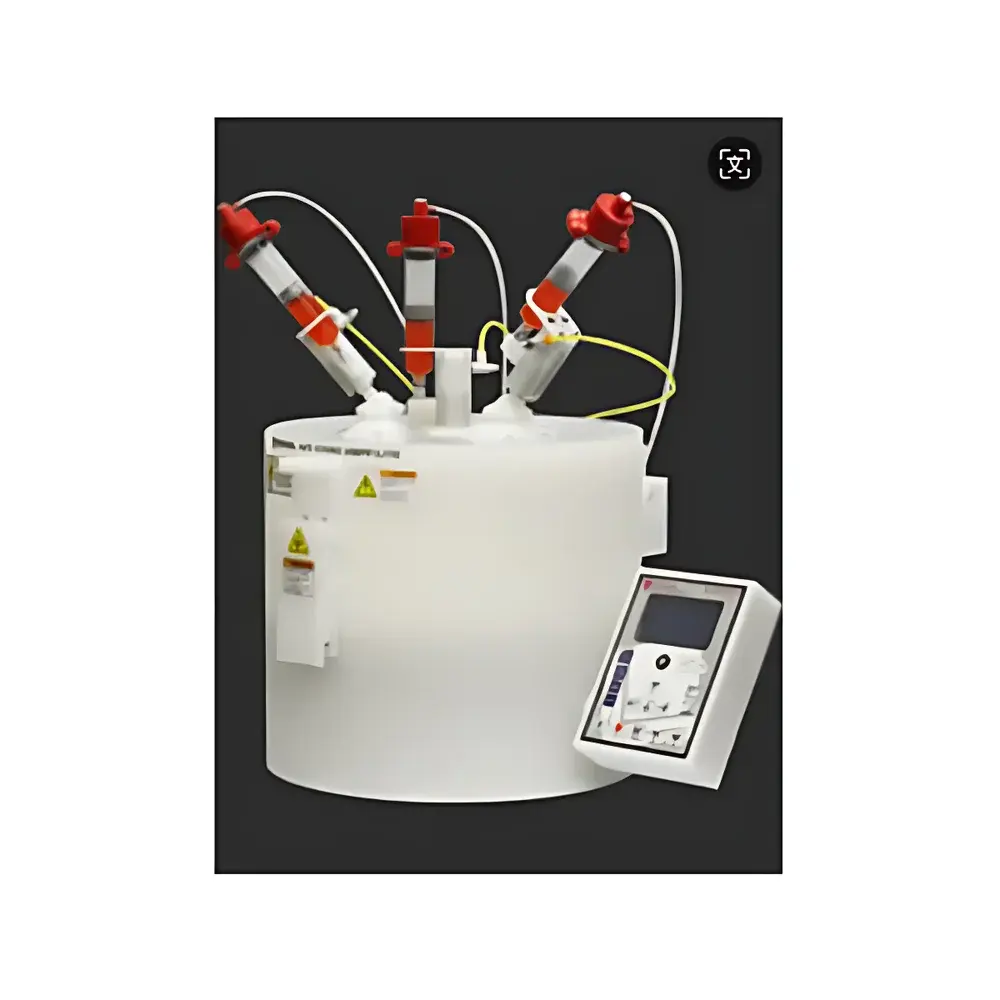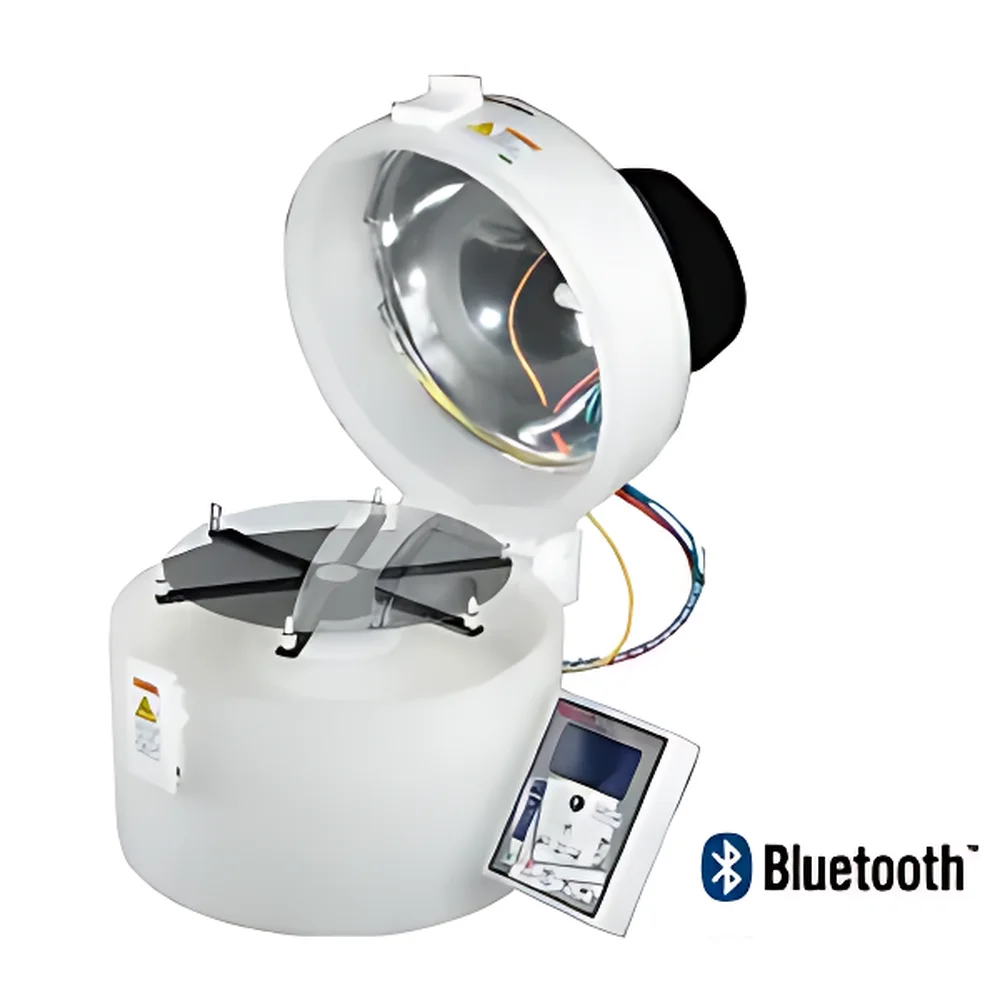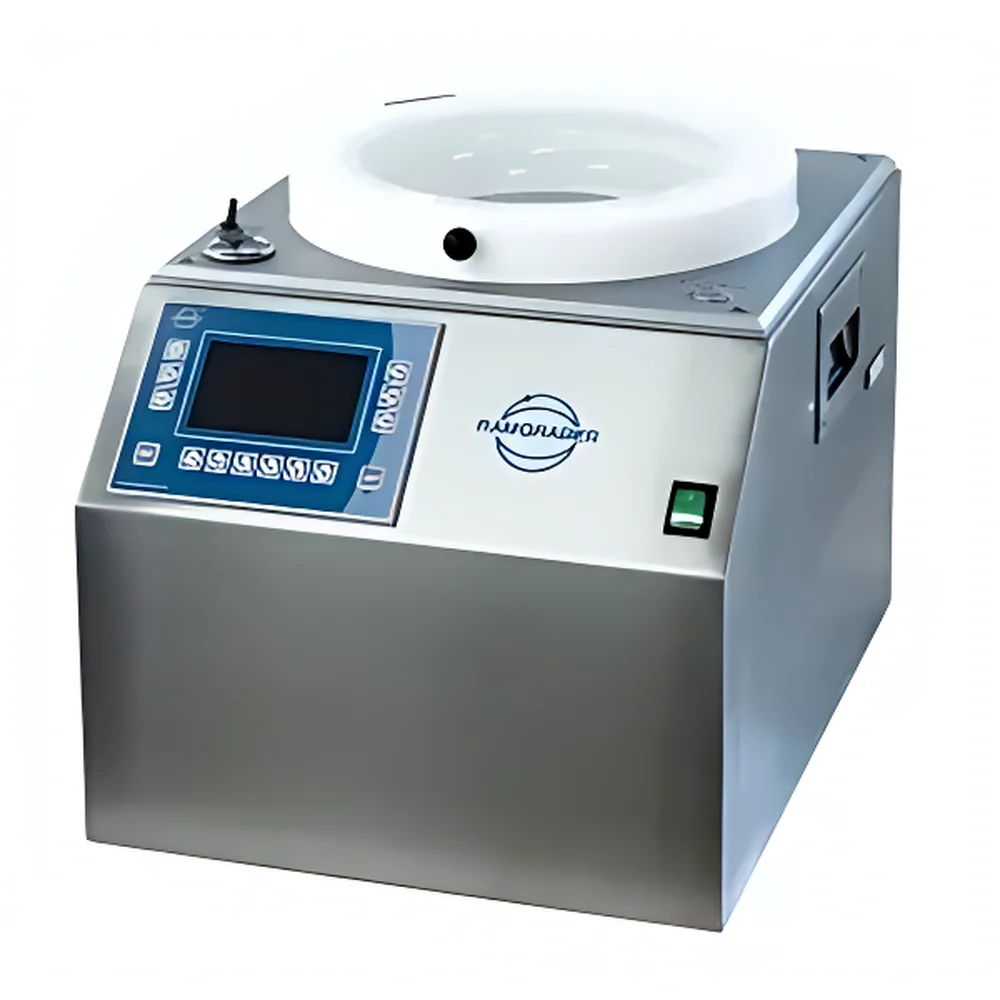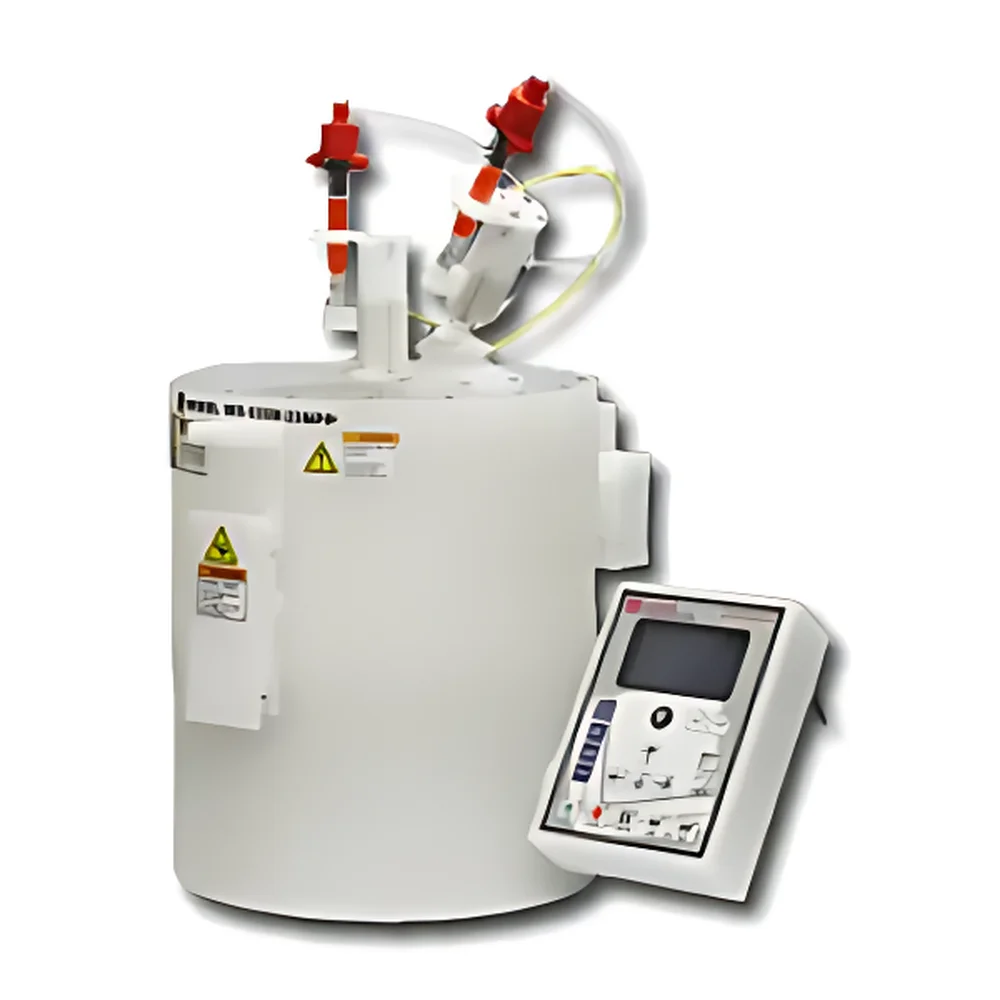
Laurell WS-650Mz-23N Spin Coater

| Brand | Laurell |
|---|---|
| Origin | USA |
| Model | WS-650Mz-23N |
| Max. Rotation Speed | 0–12,000 rpm |
| Speed Accuracy | < ±0.2 rpm |
| Speed Repeatability | < ±0.2 rpm |
| Acceleration (no-load) | 0–30,000 rpm/sec |
| Substrate Compatibility | Ø10–150 mm wafers or 125 × 125 mm square substrates |
| Chamber Diameter | 9.5 in (241 mm) |
| Control System | PLC-based digital controller with NIST-traceable calibration |
| Programmability | 20 stored programs, up to 51 steps per program |
| Timing Resolution | 0.1 sec (1–5999.9 sec/step) |
| Chamber Material | NPP (Natural Polypropylene) |
| Vacuum System | Oil-free pump, 220–240 V AC, 50/60 Hz |
| Software | SPIN3000 process analysis and control software |
| Optional Modules | UD-3 programmable multi-nozzle dispense system with anti-drip aspiration, EBR mechanical edge bead removal, IND wet-station integration, OND glove-box integration |
Ask about pricing, availability and specifications.
Overview
The Laurell WS-650Mz-23N Spin Coater is a precision-engineered benchtop spin processing system designed for reproducible, high-fidelity thin-film deposition in semiconductor fabrication, microelectronics R&D, photovoltaics, MEMS, and advanced materials laboratories. Operating on the principle of centrifugal force-driven fluid distribution, the system rotates substrates at precisely controlled angular velocities to achieve uniform solvent evaporation and polymer chain alignment—critical for consistent film thickness, surface morphology, and interfacial adhesion. Its core architecture integrates a high-inertia, brushless DC motor coupled with closed-loop speed regulation, enabling sub-rpm stability across the full 0–12,000 rpm range. Unlike open-loop analog controllers, this model employs a NIST-traceable digital PLC platform calibrated at factory level—eliminating routine recalibration requirements while maintaining long-term drift < ±0.006% of setpoint over extended operational cycles.
Key Features
- Ultra-stable rotational control: Speed accuracy < ±0.2 rpm and repeatability < ±0.2 rpm under dynamic load conditions, verified per ASTM E29-23 guidelines for measurement uncertainty reporting.
- NPP (natural polypropylene) chamber construction: Chemically inert to common photoresists (e.g., AZ, Shipley, TOK), developers, solvents (acetone, PGMEA, IPA), and etchants—ensuring compatibility with ISO Class 5 cleanroom environments without outgassing or particle shedding.
- High-acceleration motor drive: Capable of 0–30,000 rpm/sec no-load acceleration, supporting rapid ramp profiles essential for multilayer resist stacks requiring distinct spin regimes (e.g., prime coat → soft bake → top coat).
- Modular substrate handling: Accommodates round wafers from Ø10 mm to Ø150 mm and square substrates up to 125 × 125 mm; includes optional 3-mm adapter chuck for small-format samples (e.g., test coupons, OLED substrates).
- Programmable multi-step protocols: Stores 20 independent recipes, each configurable with up to 51 discrete speed/time/acceleration steps—enabling complex processes such as dual-speed edge bead removal (EBR), gradient coating, or sequential solvent annealing.
- Integrated oil-free vacuum system: Maintains >95 kPa suction pressure with <5 µm particulate filtration, compliant with SEMI S2-0212 safety standards for vacuum-assisted chucking and solvent vapor containment.
Sample Compatibility & Compliance
The WS-650Mz-23N supports rigid and semi-rigid substrates including silicon, fused silica, sapphire, ITO/glass, SiC, GaN-on-sapphire, and flexible PI/PET films (with optional low-force chucks). All wet-contact surfaces meet USP Class VI biocompatibility requirements, and chamber geometry conforms to SEMI F47-0218 specifications for wafer edge clearance and splash containment. The system complies with CE Machinery Directive 2006/42/EC, RoHS 2011/65/EU, and FCC Part 15 Subpart B for electromagnetic emissions. When operated with SPIN3000 software and audit trail enabled, it satisfies FDA 21 CFR Part 11 requirements for electronic records and signatures in regulated GMP/GLP environments.
Software & Data Management
SPIN3000 is a Windows-based process management suite offering real-time RPM/torque/temperature logging, recipe version control, and CSV-exportable trace files timestamped to UTC with millisecond resolution. It implements role-based access control (RBAC), mandatory electronic signatures for critical parameter changes, and automated backup to network drives or cloud storage (AES-256 encrypted). Process data are structured to align with ISA-88 batch record templates, facilitating integration into LIMS or MES platforms via OPC UA or RESTful API endpoints. Calibration logs—including NIST certificate numbers and verification dates—are embedded directly within each exported dataset.
Applications
This spin coater is routinely deployed in front-end-of-line (FEOL) process development for photoresist priming (HMDS), bilayer resist patterning, anti-reflective coating (ARC) spin-on glass (SOG), and organic planarization layers. It serves as a primary tool in academic labs for perovskite solar cell precursor deposition, graphene oxide dispersion coating, conductive polymer (PEDOT:PSS) film formation, and sol-gel derived metal oxide thin films (TiO₂, ZnO, SiO₂). In quality assurance workflows, it supports ASTM D1239-22-compliant thickness uniformity mapping using integrated profilometry interfaces.
FAQ
Is the WS-650Mz-23N compatible with corrosive solvents such as hydrofluoric acid-based etchants?
No—the NPP chamber provides resistance to organic solvents and diluted mineral acids, but HF, hot concentrated HNO₃, or molten KOH require specialized PTFE-lined or quartz-coated variants.
Can the system be integrated into a nitrogen-purged glovebox environment?
Yes—select the OND configuration, which features sealed feedthroughs, intrinsically safe cabling, and pressure-compensated vacuum coupling for operation at <1 ppm O₂/H₂O.
Does the SPIN3000 software support automated pass/fail criteria for thickness uniformity?
Yes—users may define statistical process control (SPC) limits per wafer zone (center, mid-radius, edge) based on inline ellipsometer or reflectometer inputs, triggering alerts when %CV exceeds user-defined thresholds.
What maintenance intervals are recommended for the motor and vacuum pump?
Brushless motor requires no scheduled maintenance; oil-free vacuum pump service is recommended every 12 months or after 5,000 operating hours—whichever occurs first—per ISO 13374-2 condition monitoring guidelines.
Is remote diagnostics supported for troubleshooting during GMP audits?
Yes—SPIN3000 includes secure SSH-enabled remote desktop access with session logging, time-stamped screen capture, and automatic generation of diagnostic reports compliant with Annex 11 validation documentation requirements.