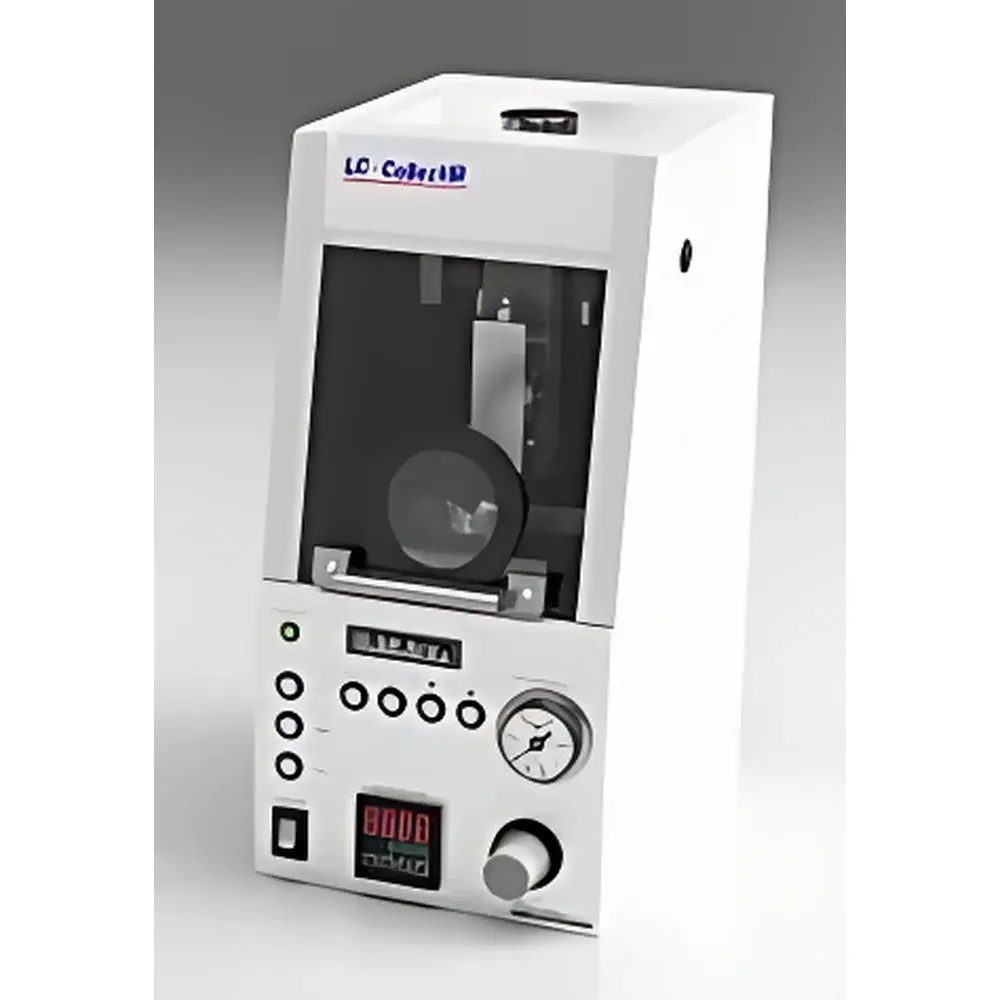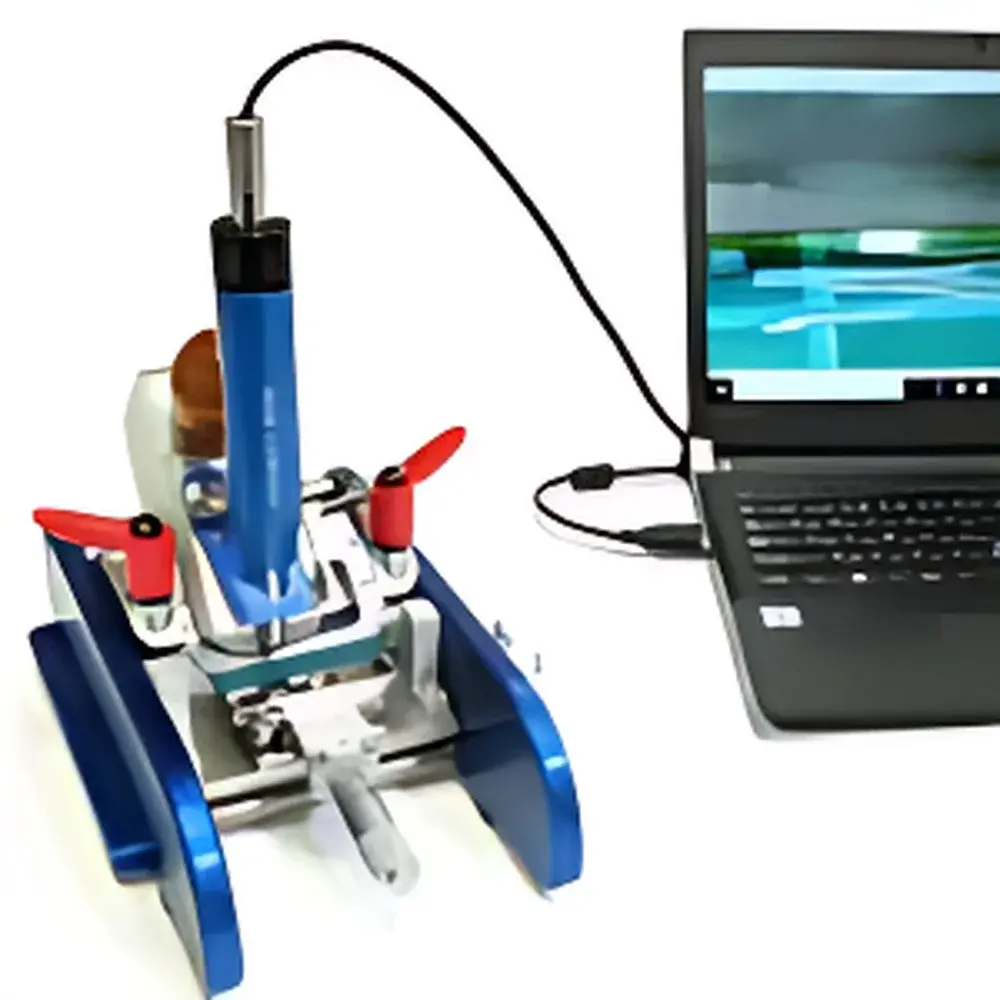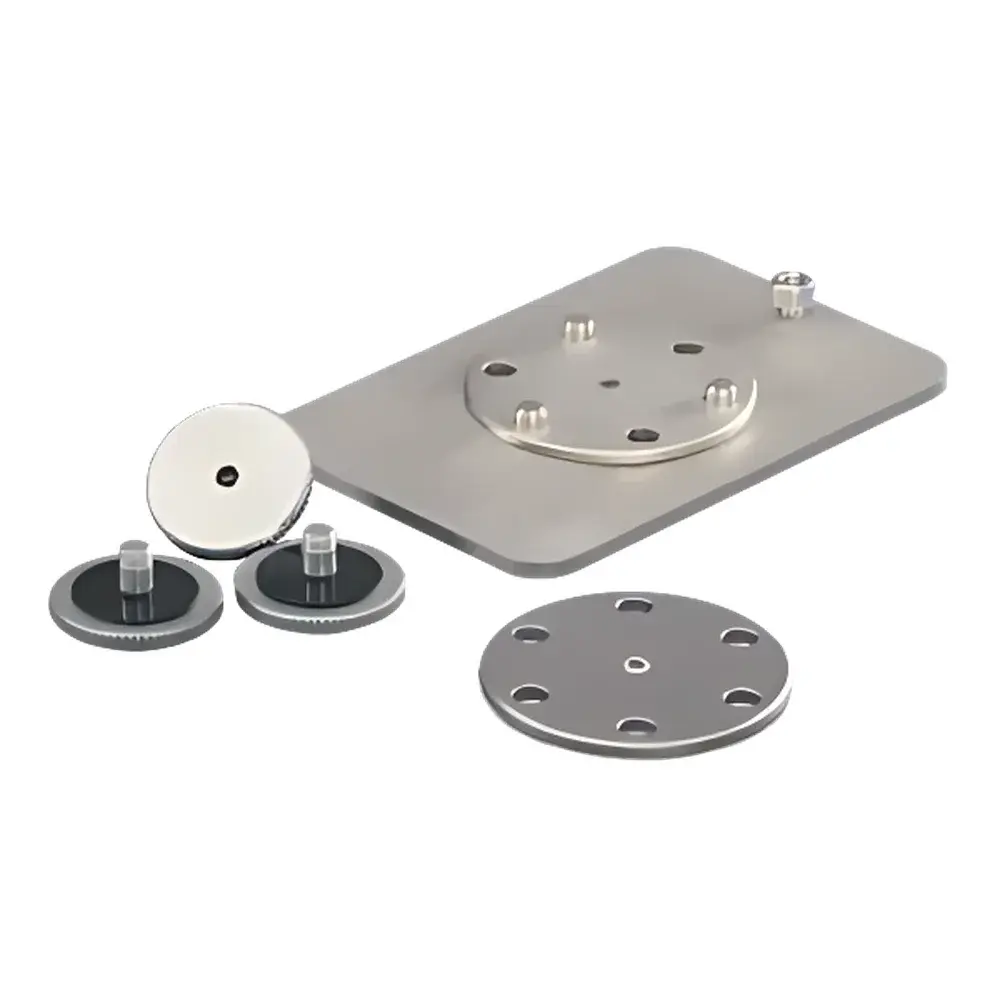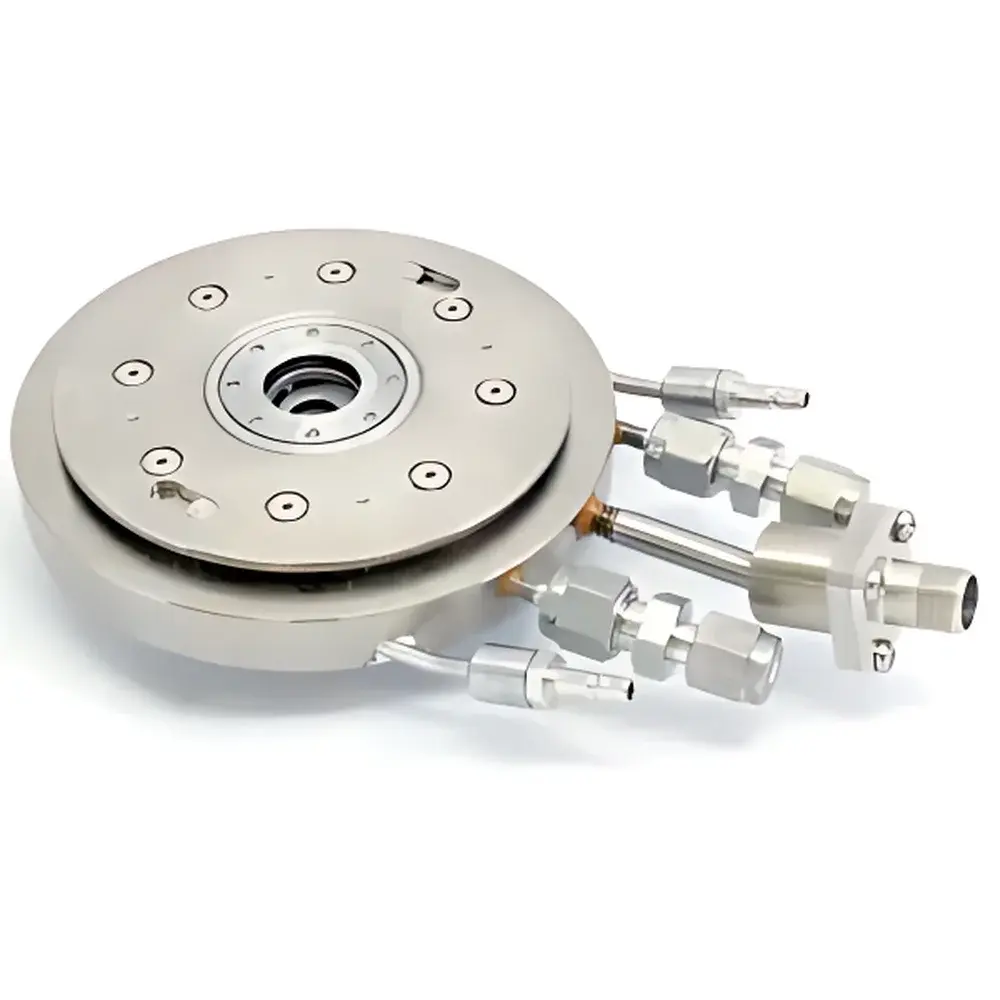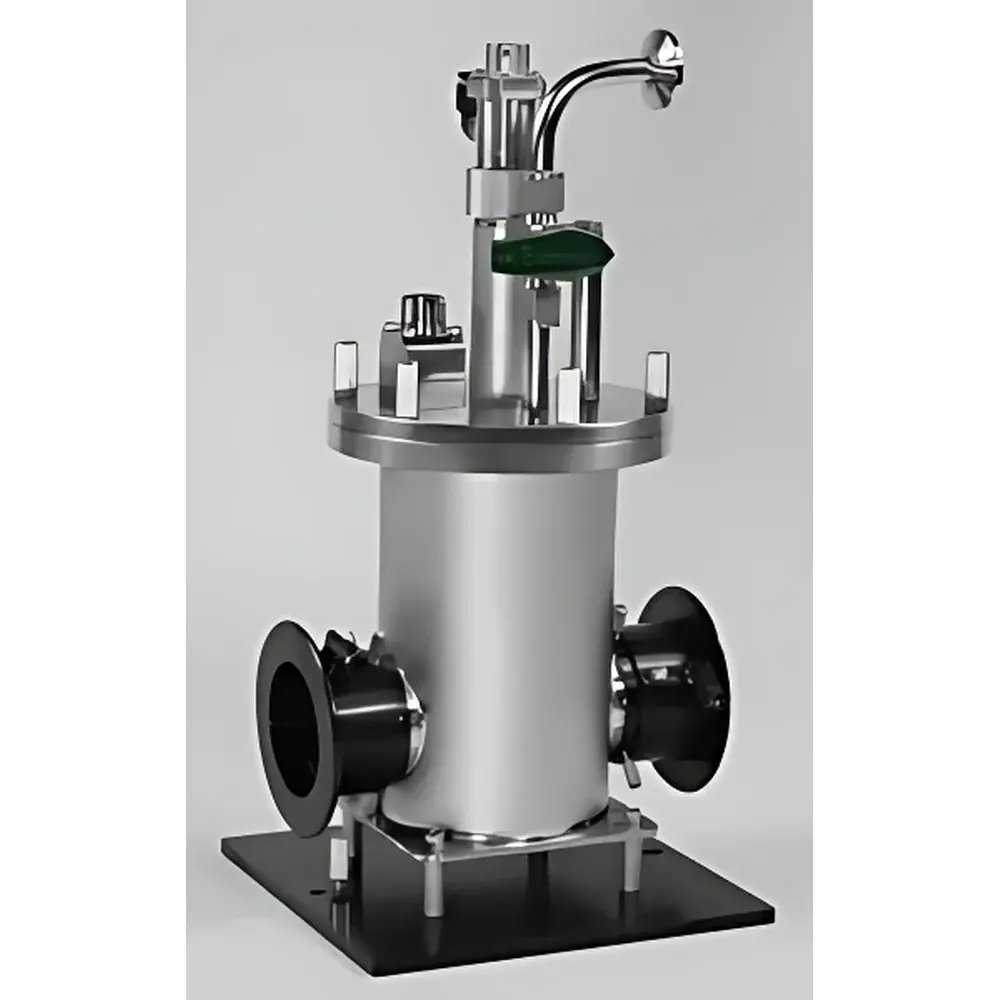
LT-190 Low-Temperature Transmission Cell by S.T. Japan

| Brand | S.T. Japan |
|---|---|
| Origin | Japan |
| Manufacturer Type | Authorized Distributor |
| Origin Category | Imported |
| Model | LT-190 |
| Price Range | USD 14,000 – 28,000 |
| Temperature Range | −190 °C to +150 °C |
| Cooling Method | Liquid Nitrogen Cryogenic System |
| Optical Path Length | Standard 10 mm (customizable upon request) |
| Window Material | Fused Silica (UV–Vis–NIR transparent, 185–2500 nm) |
| Sealing | Metal–glass hermetic seal with Viton O-rings (low-temperature compatible) |
| Compatibility | Standard 1/4″–28 UNF threaded ports for integration with commercial spectrophotometers and FTIR systems |
Ask about pricing, availability and specifications.
Overview
The LT-190 Low-Temperature Transmission Cell is a precision-engineered optical sample holder designed for controlled-temperature spectroscopic measurements in the ultraviolet, visible, and near-infrared spectral regions. Built on a robust stainless-steel body with fused silica windows, it enables high-fidelity transmission spectroscopy under cryogenic and elevated thermal conditions—from liquid nitrogen temperatures (−190 °C) up to +150 °C. Its operational principle relies on stable thermal equilibration of the sample volume via direct liquid nitrogen immersion or regulated gas-phase heating, ensuring minimal thermal gradient across the optical path. This design supports fundamental studies requiring phase transition monitoring, vibronic band resolution at low T, or thermally induced conformational analysis—particularly in molecular spectroscopy, coordination chemistry, and solid-state photophysics.
Key Features
- Wide operational temperature range: −190 °C to +150 °C, validated for continuous duty with <±0.5 °C stability over 30-minute intervals under static conditions
- Fused silica windows (185–2500 nm transmission) with AR coating options available for specific wavelength bands (e.g., 200–800 nm or 700–1600 nm)
- Hermetically sealed chamber using metal–glass interface and low-temperature Viton® elastomer O-rings, rated for repeated thermal cycling without vacuum degradation
- Standard 10 mm optical path length; optional path lengths (2 mm, 5 mm, 20 mm) configurable via interchangeable spacer inserts
- Modular 1/4″–28 UNF threaded ports compatible with standard cuvette holders, beam alignment stages, and vacuum/N₂ purge manifolds
- Integrated PT100 sensor port (with 4-wire configuration) for independent, traceable temperature monitoring adjacent to the sample zone
Sample Compatibility & Compliance
The LT-190 accommodates liquid, slurry, gel, and thin-film samples in volumes from 150 µL (minimum fill for 10 mm path) to full chamber capacity (~1.2 mL). It is routinely deployed with volatile solvents (e.g., THF, toluene, CH₂Cl₂), ionic liquids, and air-sensitive organometallic solutions when used under inert gas purging or vacuum. All wetted materials comply with ASTM F2023 (elastomer low-temperature performance) and ISO 8502-3 (surface cleanliness for optical interfaces). The cell’s mechanical construction adheres to ISO 9001-certified manufacturing protocols at S.T. Japan’s Ibaraki facility. No regulatory certification (e.g., FDA, CE) applies, as the LT-190 is classified as a laboratory accessory—not a medical or process control device—though it meets GLP documentation requirements for temperature traceability when paired with calibrated data loggers.
Software & Data Management
As a passive optical component, the LT-190 requires no embedded firmware or driver software. Temperature control and logging are managed externally via third-party cryostats (e.g., Janis ST-100, Cryo Industries CTC-100) or programmable temperature controllers (e.g., Lake Shore 336, Omega CNi16D). S.T. Japan provides a comprehensive technical manual including calibration procedures, torque specifications for window installation, and thermal expansion compensation tables for path-length drift correction. Raw temperature readings from the integrated PT100 sensor can be imported into spectroscopic acquisition platforms (e.g., Ocean Insight OceanView, Thermo Fisher OMNIC, Horiba LabSpec) via analog voltage output or Modbus RTU interface when connected to compatible controllers—enabling synchronized timestamped spectral–thermal datasets suitable for 21 CFR Part 11–compliant environments with appropriate audit trail configuration.
Applications
- Low-temperature UV-Vis absorption and fluorescence spectroscopy of J-aggregates, lanthanide complexes, and triplet-state intermediates
- In situ FTIR monitoring of catalytic reactions across phase boundaries (e.g., solid–liquid transitions in metal–organic frameworks)
- Temperature-dependent Raman profiling of phonon modes in 2D materials (graphene, MoS₂) and perovskite thin films
- Thermal denaturation studies of proteins and nucleic acids using circular dichroism (CD) when adapted to CD-compatible mounts
- Calibration validation of cryogenic radiometric standards in metrology laboratories accredited to ISO/IEC 17025
FAQ
Can the LT-190 be used under vacuum?
Yes—the cell is rated for operation down to 1 × 10⁻⁵ mbar when properly assembled with torque-controlled window mounting and verified O-ring seating.
Is liquid nitrogen consumption rate specified?
No fixed rate is provided due to dependence on ambient conditions, insulation quality, and thermal load; typical steady-state consumption is 120–180 mL/h at −190 °C with standard Dewar coupling.
Are custom window materials available?
Yes—CaF₂ (120–8000 nm), BaF₂ (150–11000 nm), or ZnSe (500–16000 nm) windows can be supplied under OEM agreement with lead-time adjustment.
Does S.T. Japan provide NIST-traceable temperature calibration?
Calibration certificates (per ISO/IEC 17025) are available as an optional service, covering PT100 sensor response from −196 °C to +150 °C against reference platinum resistance thermometers.
What maintenance is required between uses?
Post-use inspection of O-rings for compression set, cleaning of window surfaces with spectroscopic-grade methanol and lint-free wipes, and verification of thread integrity using thread gauge sets per JIS B 0205.