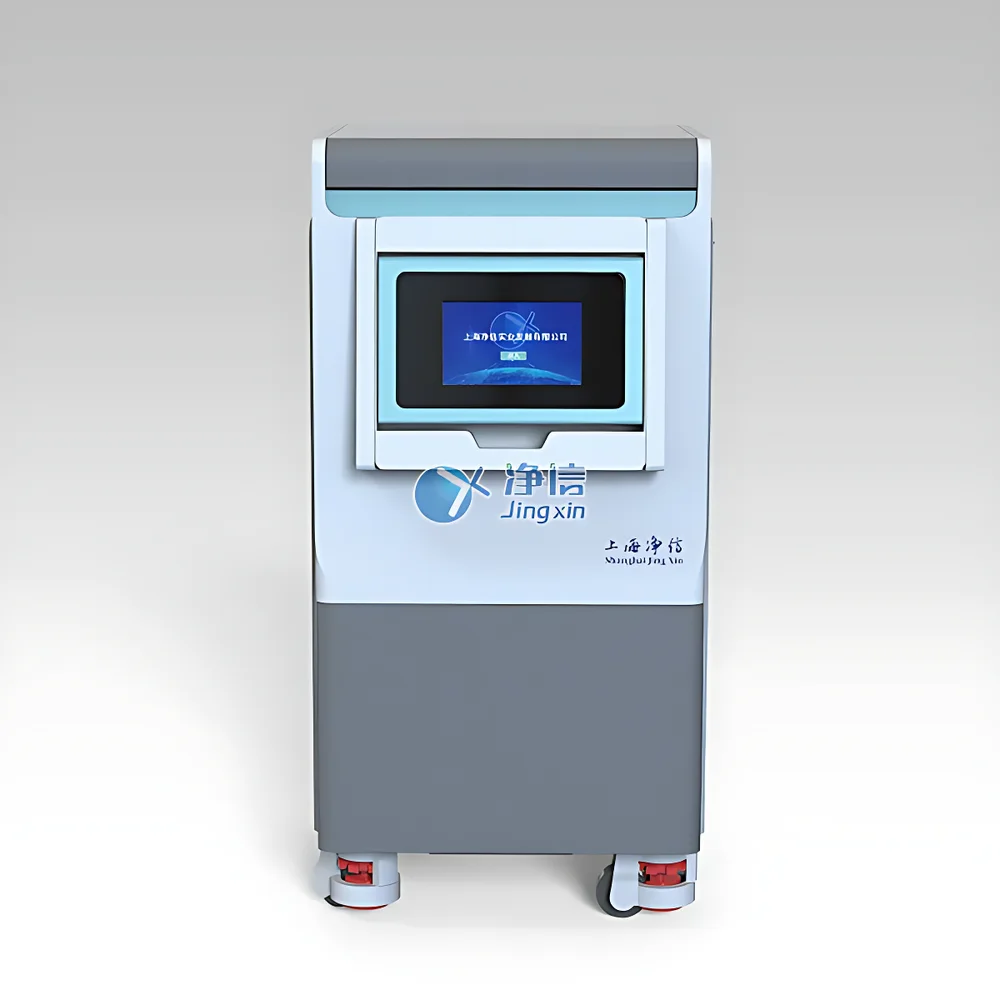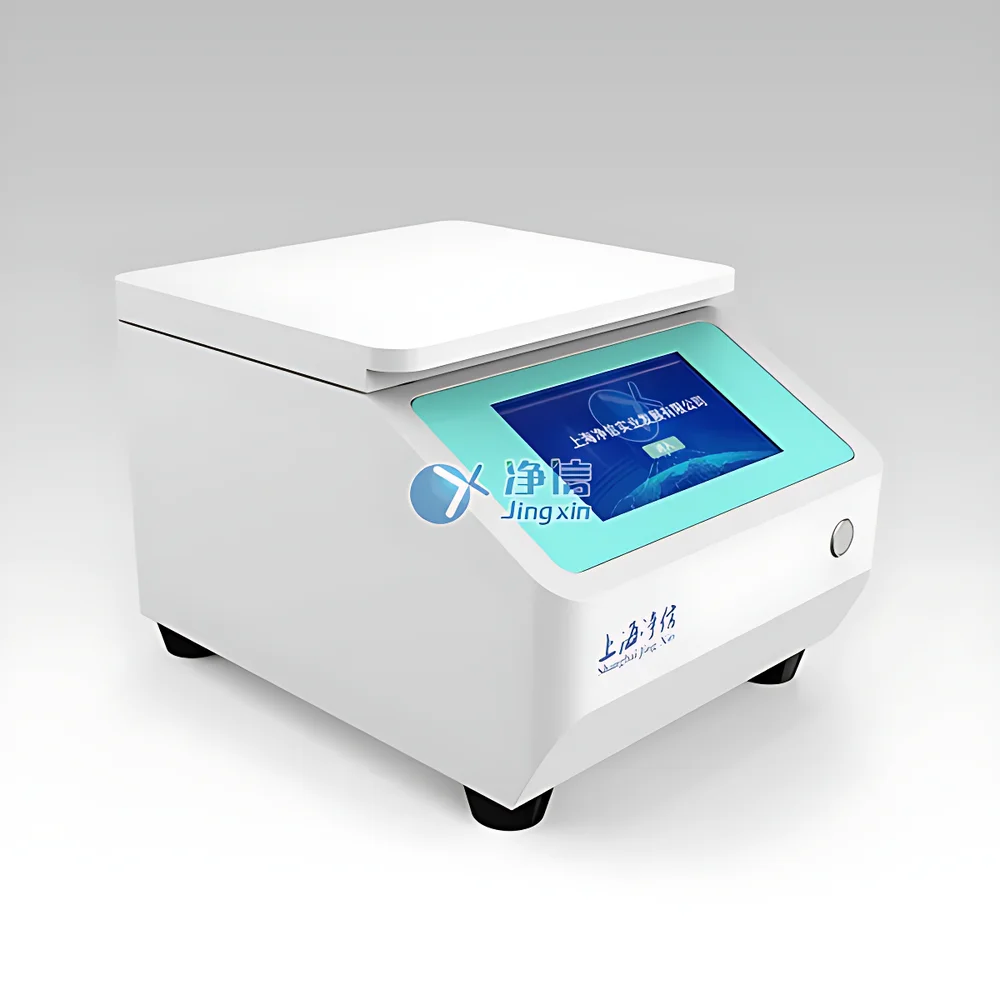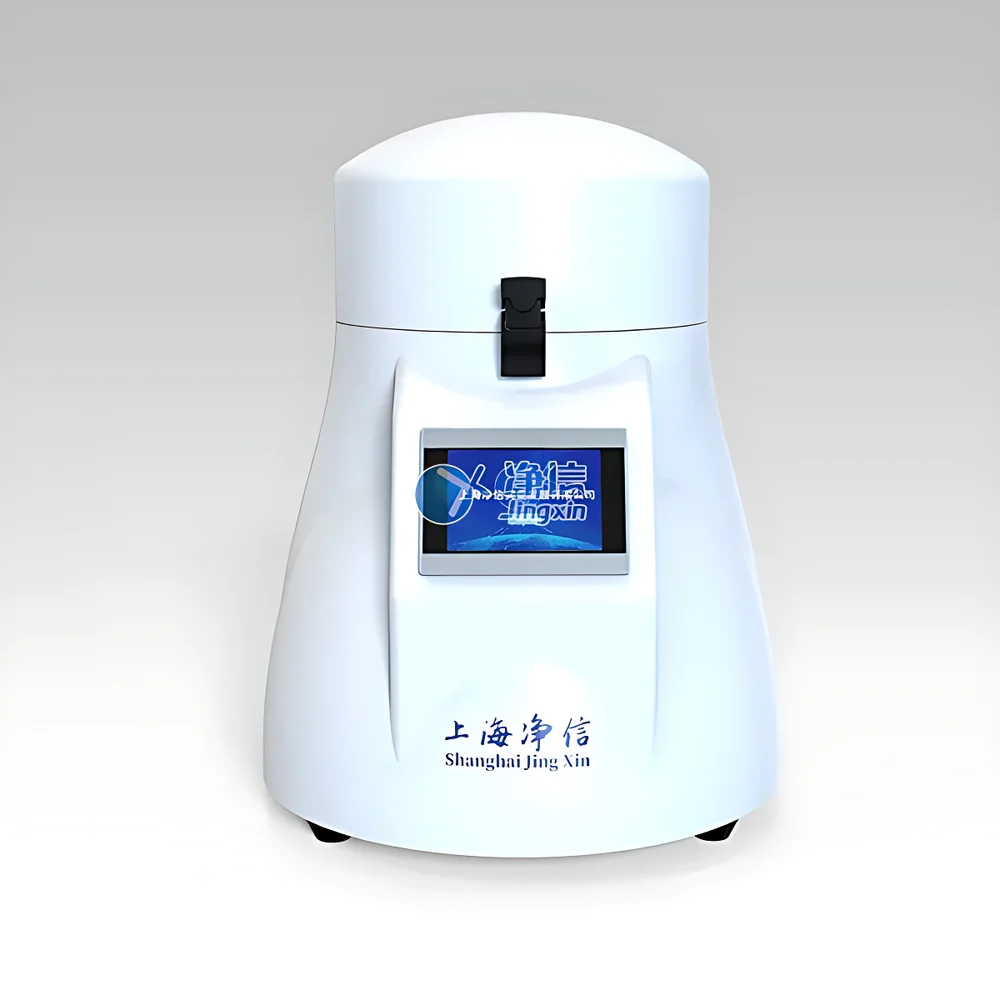
Jingxin TL-48R High-Throughput Tissue Grinder

| Brand | Jingxin (Shanghai Jingxin Scientific Instrument Co., Ltd.) |
|---|---|
| Origin | Shanghai, China |
| Manufacturer Type | Direct Manufacturer |
| Instrument Type | Benchtop High-Throughput Grinder |
| Sample Compatibility | Cryogenic samples (liquid nitrogen compatible) |
| Feed Size | <15 mm (adjustable via interchangeable adapters) |
| Final Particle Size | ~5 µm |
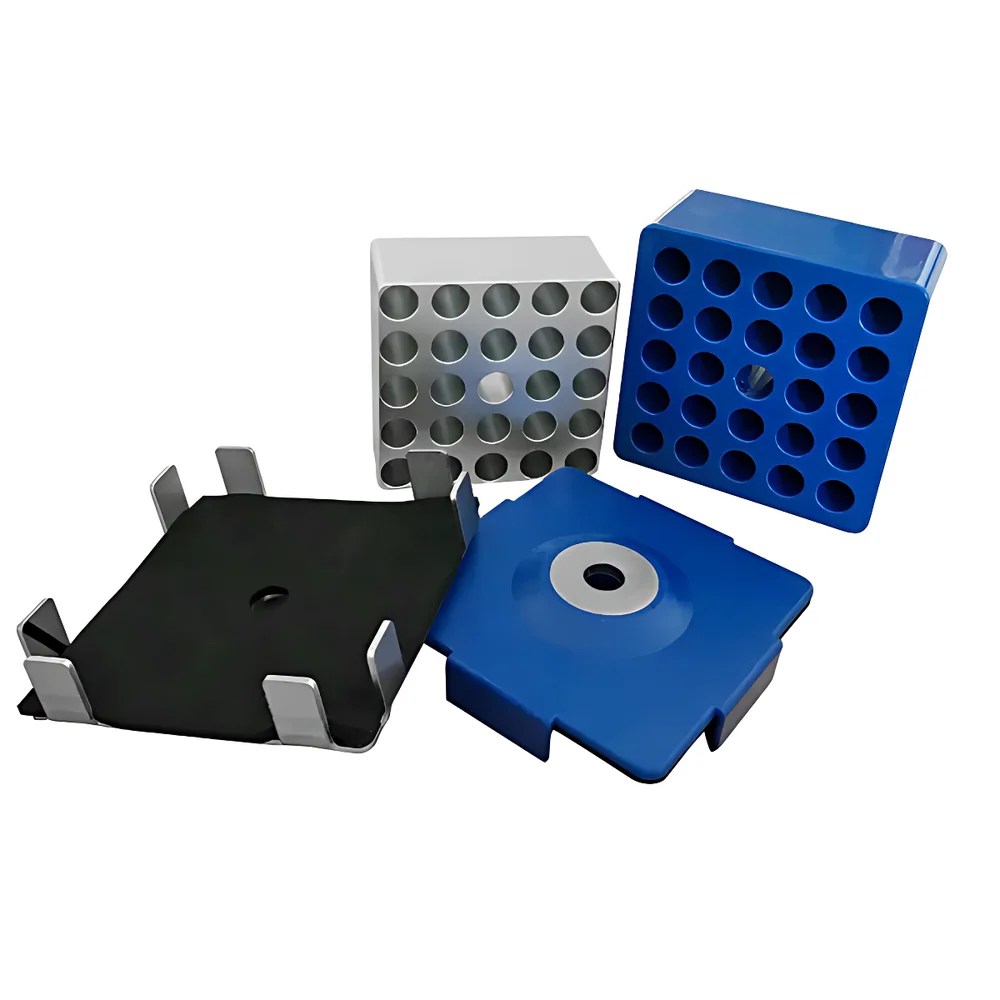
| Throughput Capacity | 48 × (0.2–0.5 mL) |
| Operating Frequency Range | 0–140 Hz (0–5000 rpm) |
| Noise Level | <55 dB(A) |
| Power Supply | 220 V / 50 Hz |
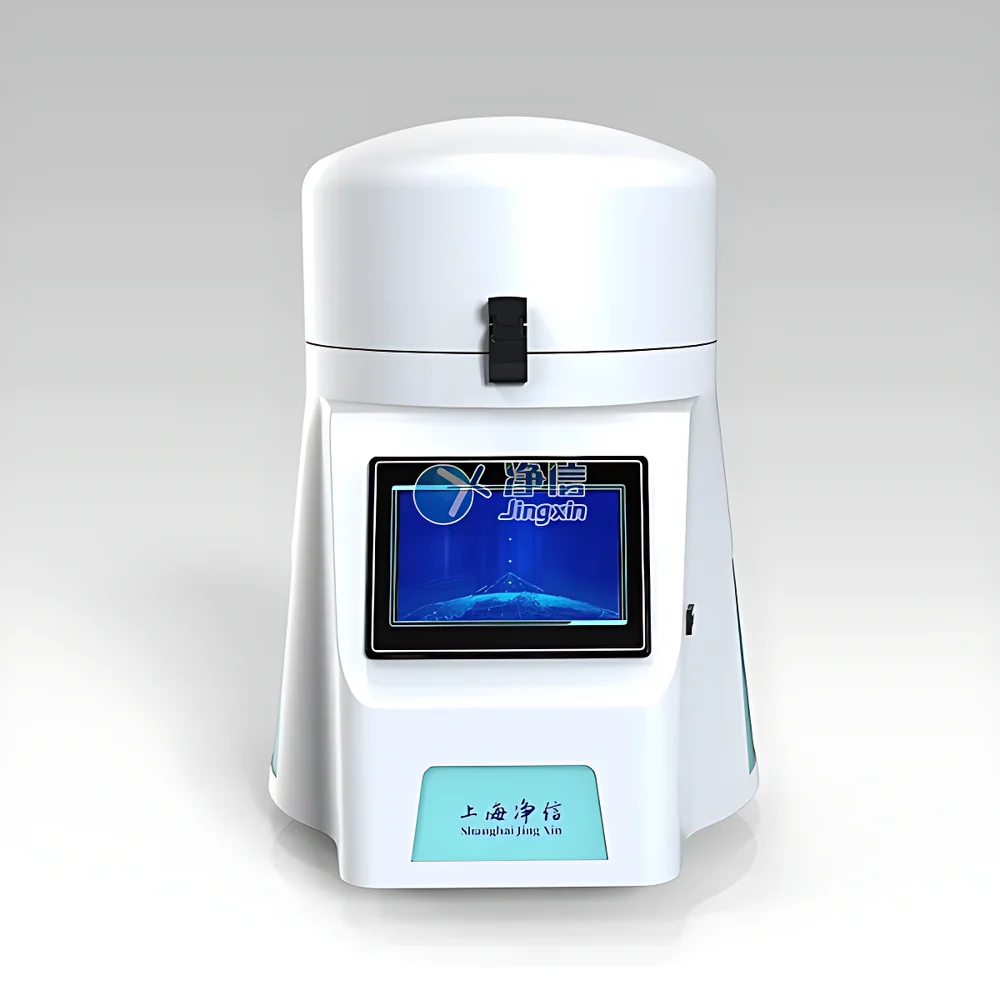
| Dimensions (W×D×H) | 400 × 340 × 530 mm |
| Weight | 45 kg |
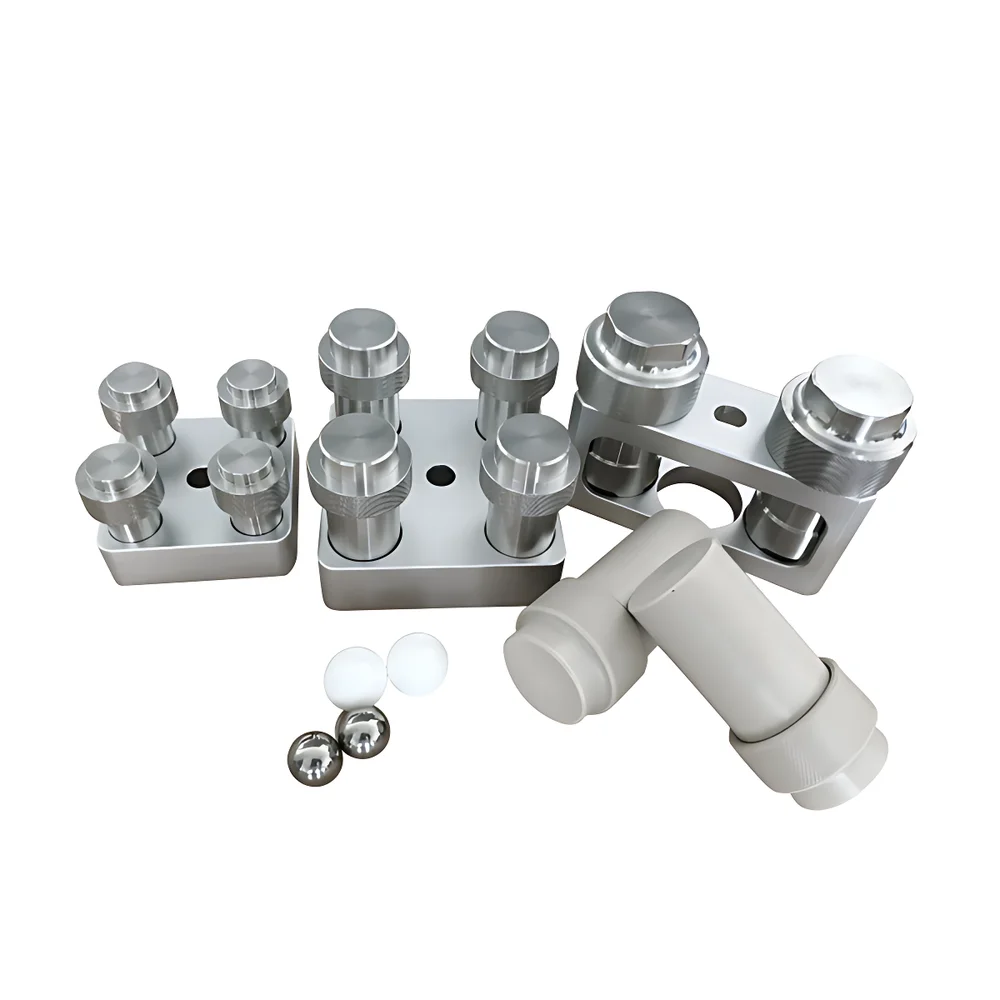
| Adapter Material | PTFE (polytetrafluoroethylene) |
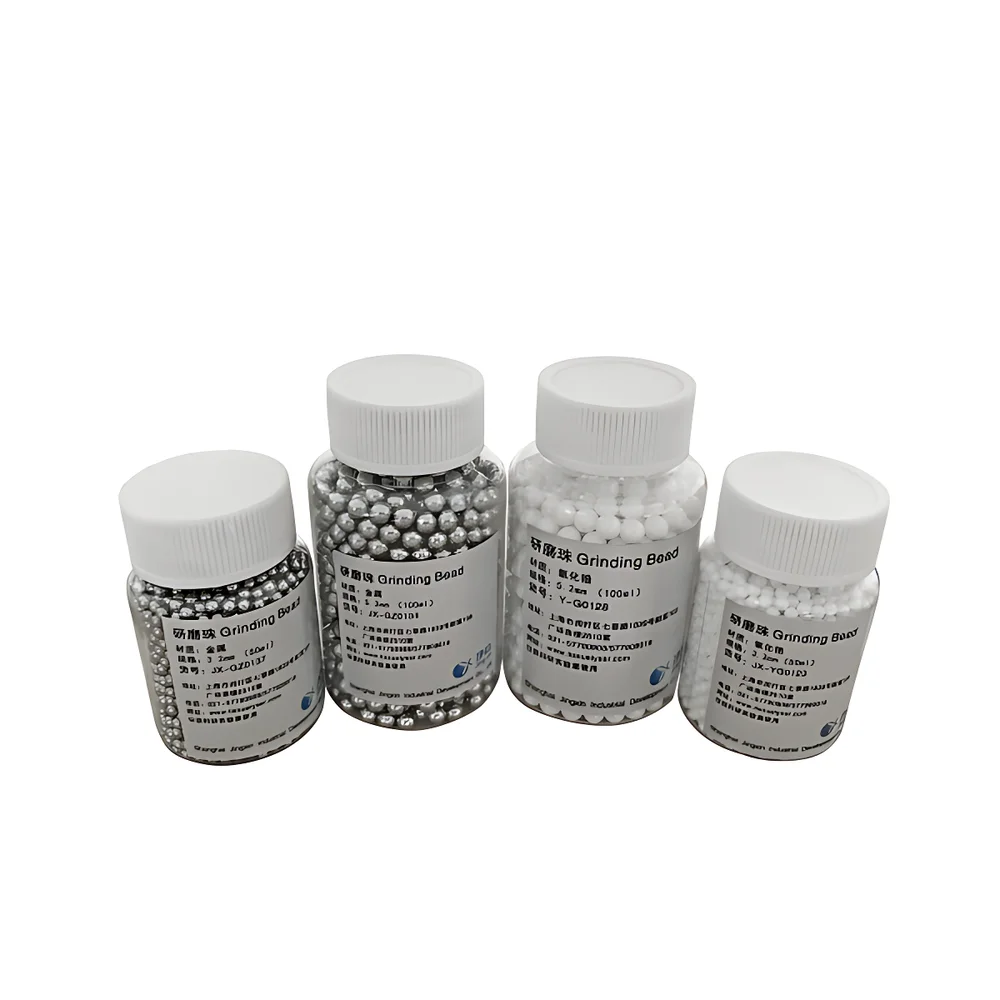
| Grinding Media Options | Stainless steel, chrome steel, zirconia, tungsten carbide, quartz beads (0.1–30 mm diameter) |
| Control Interface | 4.3-inch TFT touchscreen with multi-level user permissions (operator/system/administrator) |
| Data Export | USB port |
| Remote Control | LAN/WiFi-enabled via local network or internet |
Ask about pricing, availability and specifications.
Overview
The Jingxin TL-48R High-Throughput Tissue Grinder is an engineered benchtop homogenizer designed for rapid, reproducible mechanical lysis of biological and non-biological samples under controlled conditions. It operates on a patented three-dimensional orbital shaking principle—combining vertical oscillation with horizontal reciprocation—to generate complex “figure-eight” motion trajectories within sample tubes. This kinematic architecture ensures uniform energy transfer across all positions in the adapter plate, minimizing inter-sample variability and maximizing cell disruption efficiency through high-frequency impact, shear, and compression forces exerted by grinding beads. Unlike rotary or rotor-stator systems, the TL-48R avoids localized heat buildup and sample splashing by maintaining sealed-tube operation throughout processing. Its design supports cryogenic grinding workflows without requiring continuous liquid nitrogen immersion—sample adapters may be pre-chilled for ≤2 minutes prior to loading, then mounted directly onto the platform for immediate initiation of grinding cycles. This capability is critical for preserving labile biomolecules such as intact RNA, native protein complexes, and epigenetically sensitive DNA fragments.
Key Features
- Three-axis orbital vibration system delivering consistent kinetic energy distribution across up to 48 simultaneously processed samples.
- Multi-tier security interface with role-based access control (operator/system/administrator), password-protected parameter editing, and audit-trail-ready configuration logs.
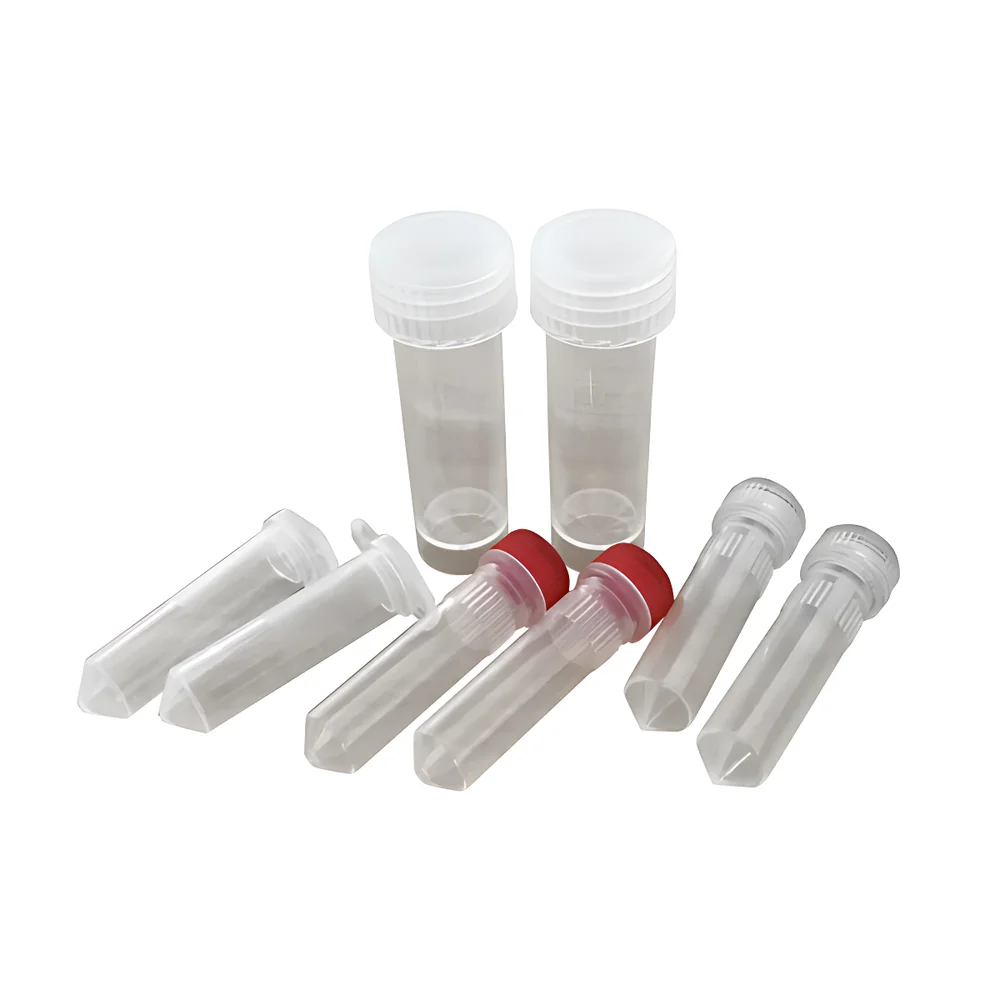
- PTFE-coated adapter plates resistant to chemical corrosion and thermal shock, compatible with standard microcentrifuge tubes (0.2–50 mL) and custom stainless-steel grinding jars.
- Programmable cycle parameters: duration (1–9999 s), frequency (0–140 Hz), acceleration/deceleration ramp profiles (full speed achieved in ≤2 s).
- Acoustically damped housing achieving <55 dB(A) operational noise—suitable for shared laboratory environments without acoustic isolation.
- Integrated safety interlocks including lid-actuated motor cutoff, real-time temperature monitoring (optional), and automatic emergency stop upon abnormal vibration detection.
Sample Compatibility & Compliance
The TL-48R accommodates diverse sample matrices—including mammalian tissues (liver, brain, muscle), plant organs (leaves, seeds, roots), microbial cultures (E. coli, yeast, spores), environmental specimens (soil, sediment), pharmaceutical tablets, polymers (PE, PS, resins), and volatile organics (coal, wax, oil shale). All protocols adhere to GLP-aligned documentation standards; instrument firmware supports timestamped parameter logging for traceability. While not certified to ISO/IEC 17025 or FDA 21 CFR Part 11 out-of-the-box, the system’s data export functionality (via USB or network interface) enables integration into validated LIMS or ELN platforms where electronic signatures and audit trails are implemented at the institutional level. Optional validation kits—including IQ/OQ documentation templates—are available upon request for regulated QC/QA laboratories.
Software & Data Management
Control is executed via an embedded 4.3-inch TFT touchscreen running proprietary firmware with intuitive icon-driven navigation. Each method file stores frequency, time, ramp settings, and adapter type metadata. Up to 100 user-defined protocols can be saved locally. Data export occurs in CSV format via USB-A port for downstream statistical analysis (e.g., ANOVA of lysate yield or fragment size distribution). Remote operation is supported over Ethernet or WiFi using secure HTTP-based API endpoints—enabling centralized scheduling across multi-instrument labs. No cloud dependency is required; all communication remains confined to local networks unless explicitly configured otherwise. Firmware updates are delivered via signed binary packages verified against SHA-256 checksums.
Applications
- Nucleic acid extraction: Efficient release of genomic DNA and total RNA from fibrous or lipid-rich tissues while minimizing shearing—ideal for long-read sequencing library prep.
- Proteomics sample prep: Gentle yet thorough homogenization preserving post-translational modifications and protein–protein interactions prior to LC-MS/MS analysis.
- Metabolomics: Rapid quenching and lysis of metabolically active cells (e.g., cyanobacteria, fungal hyphae) under sub-zero conditions to arrest enzymatic degradation.
- Pharmaceutical QA/QC: Uniform particle size reduction of excipients or active ingredients for dissolution testing and content uniformity assessment per USP & Ph. Eur. guidelines.
- Materials science: Dispersion of nanomaterials (graphene oxide, metal oxides) in polymer matrices or solvent systems for rheological characterization.
FAQ
What types of grinding media are compatible with the TL-48R?
Stainless steel, chrome steel, zirconia, tungsten carbide, and quartz beads ranging from 0.1 mm to 30 mm in diameter are supported. Selection depends on sample hardness, desired final particle size, and downstream compatibility (e.g., zirconia for RNA work to avoid RNase contamination).
Can the instrument operate continuously for extended batches?
Yes—the thermal management system allows uninterrupted operation for up to 6 hours at 100 Hz, provided ambient temperature remains below 25°C and ventilation clearance exceeds 10 cm on all sides.
Is method transfer between TL-48R units reproducible?
Inter-unit coefficient of variation (CV) for lysate yield across identical tissue samples is ≤3.2% (n=12) when using calibrated adapters and standardized bead loads, confirming suitability for multi-site collaborative studies.
Does the system support GMP-compliant documentation?
While the base unit does not include 21 CFR Part 11-compliant electronic signatures, its data export architecture enables integration with third-party validation software that provides full audit trail, electronic signature, and change control capabilities.
How is cross-contamination prevented during high-throughput runs?
All sample tubes remain hermetically sealed during grinding. Disposable PTFE-coated adapters and single-use grinding beads eliminate carryover risk. Optional UV-C irradiation module (sold separately) provides post-run chamber decontamination.
More from Jingxin (Shanghai Jingxin Scientific Instrument Co., Ltd.)
View all Jingxin (Shanghai Jingxin Scientific Instrument Co., Ltd.) products → Jingxin JXFSTPRP-192CL High-Speed Cryogenic Grinding and Homogenization System
- Jingxin JX-CKSM-4WK 4-Channel Temperature-Controlled Single-Cell Suspension Preparation System
- Jingxin JX-24 High-Efficiency Automated Cryogenic Tissue Grinder
- Jingxin Tissuelyser-192 High-Throughput Cryogenic Tissue Homogenizer