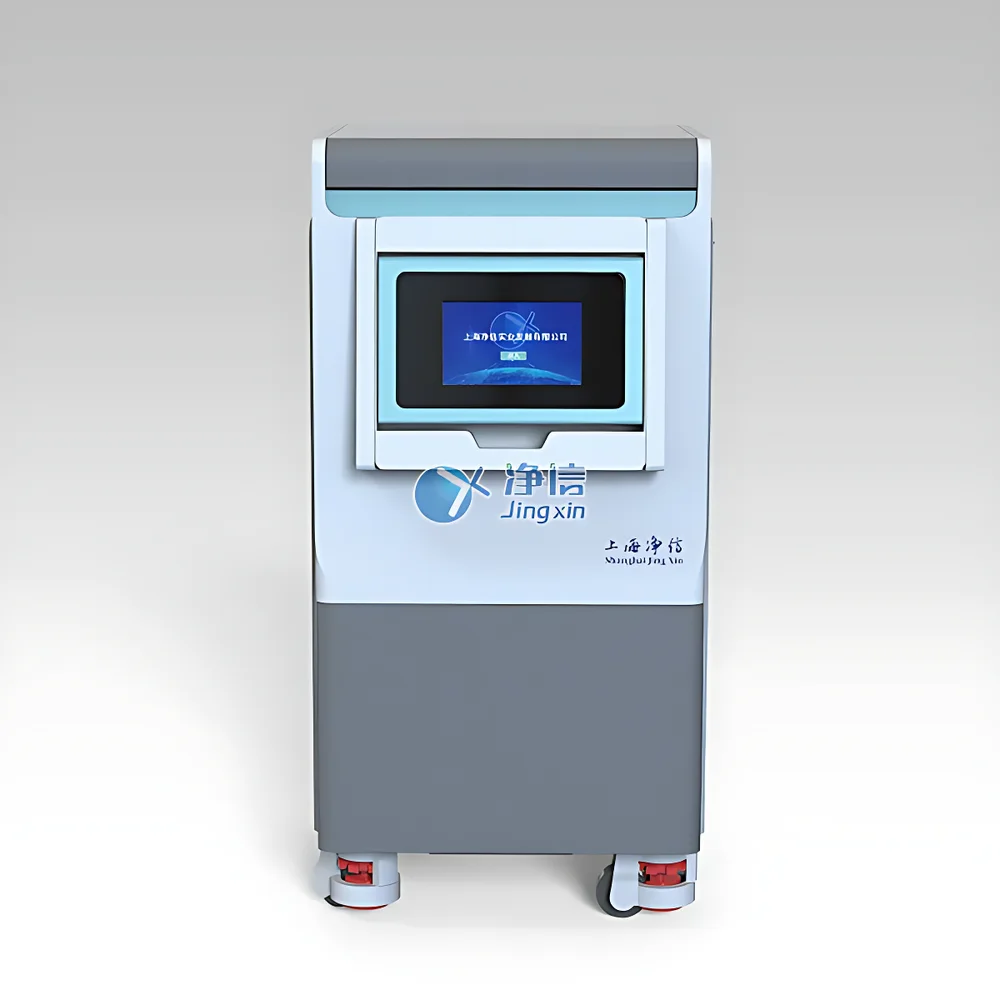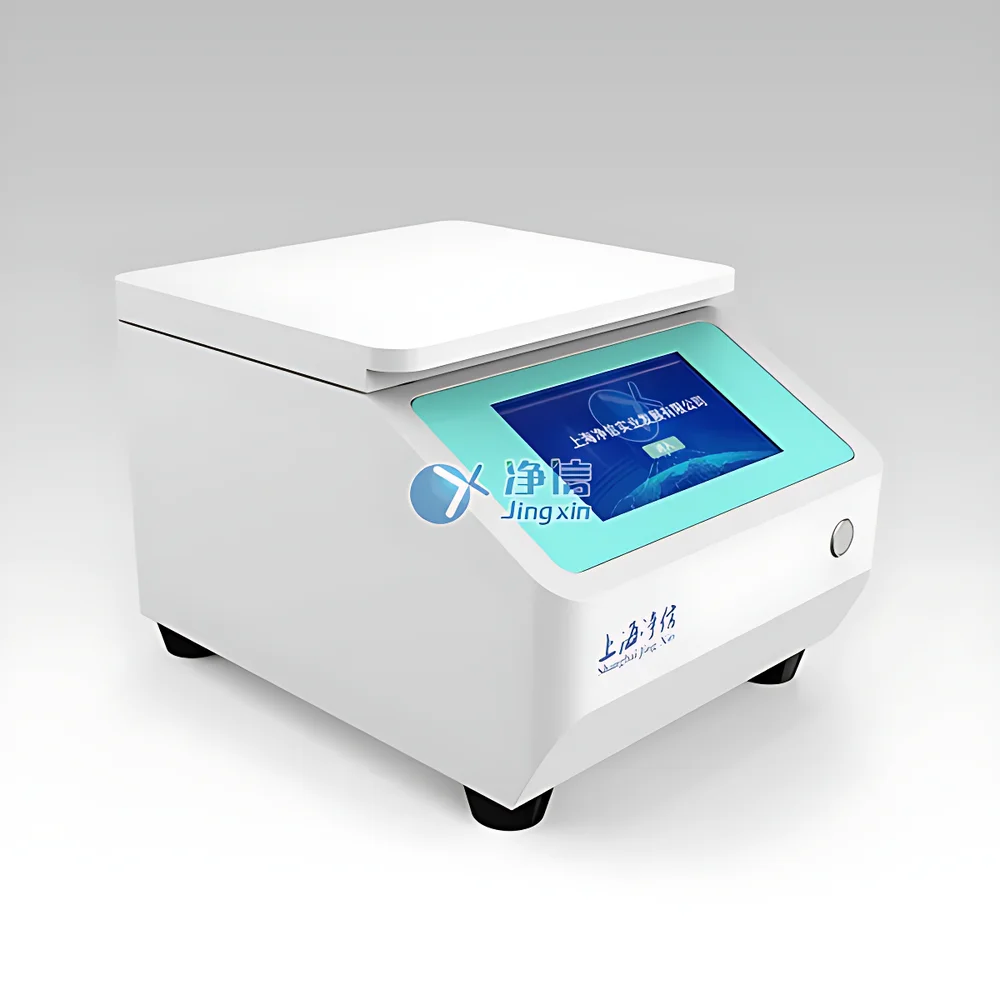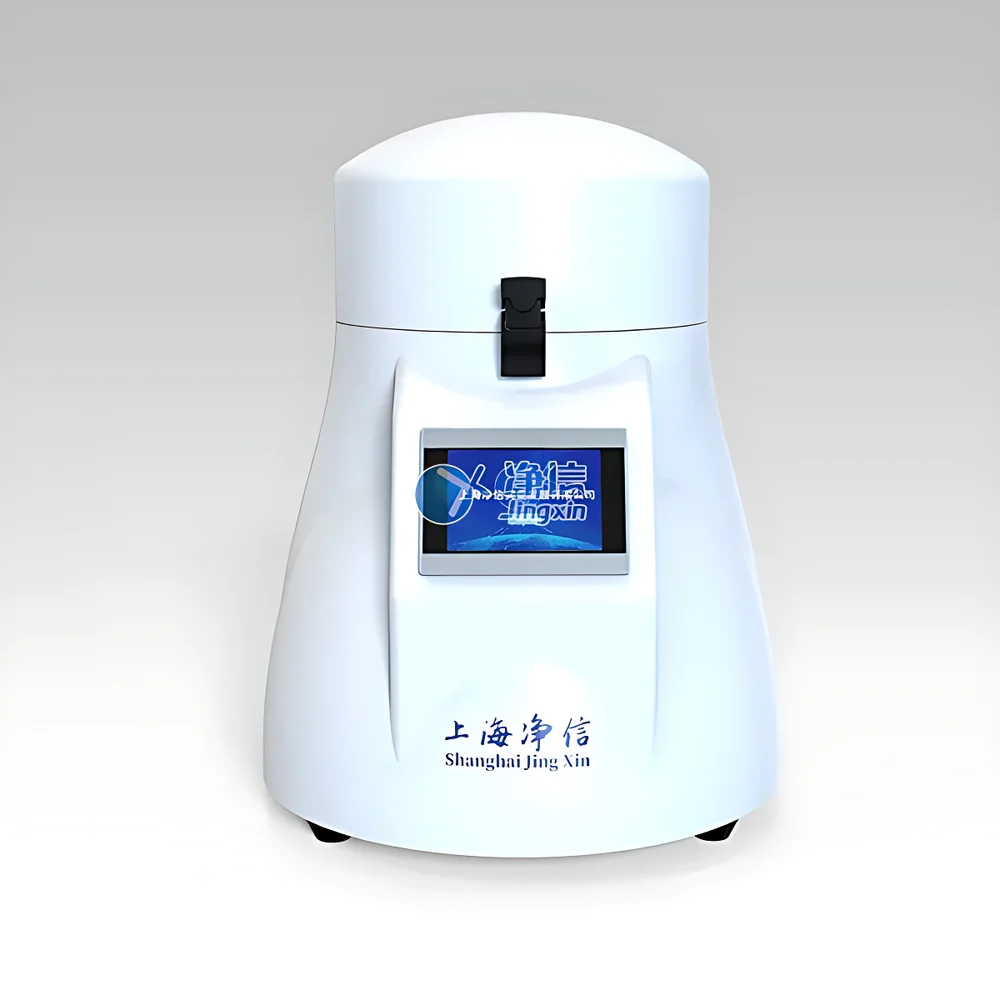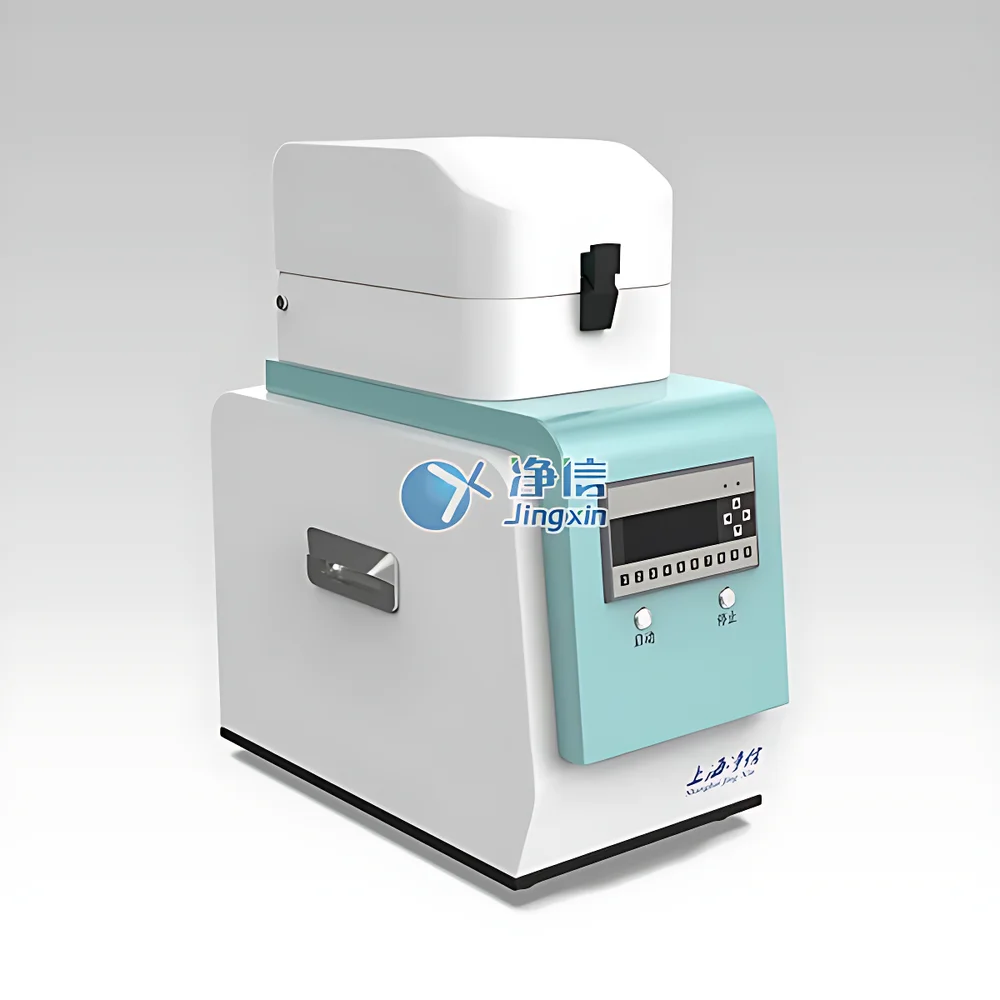
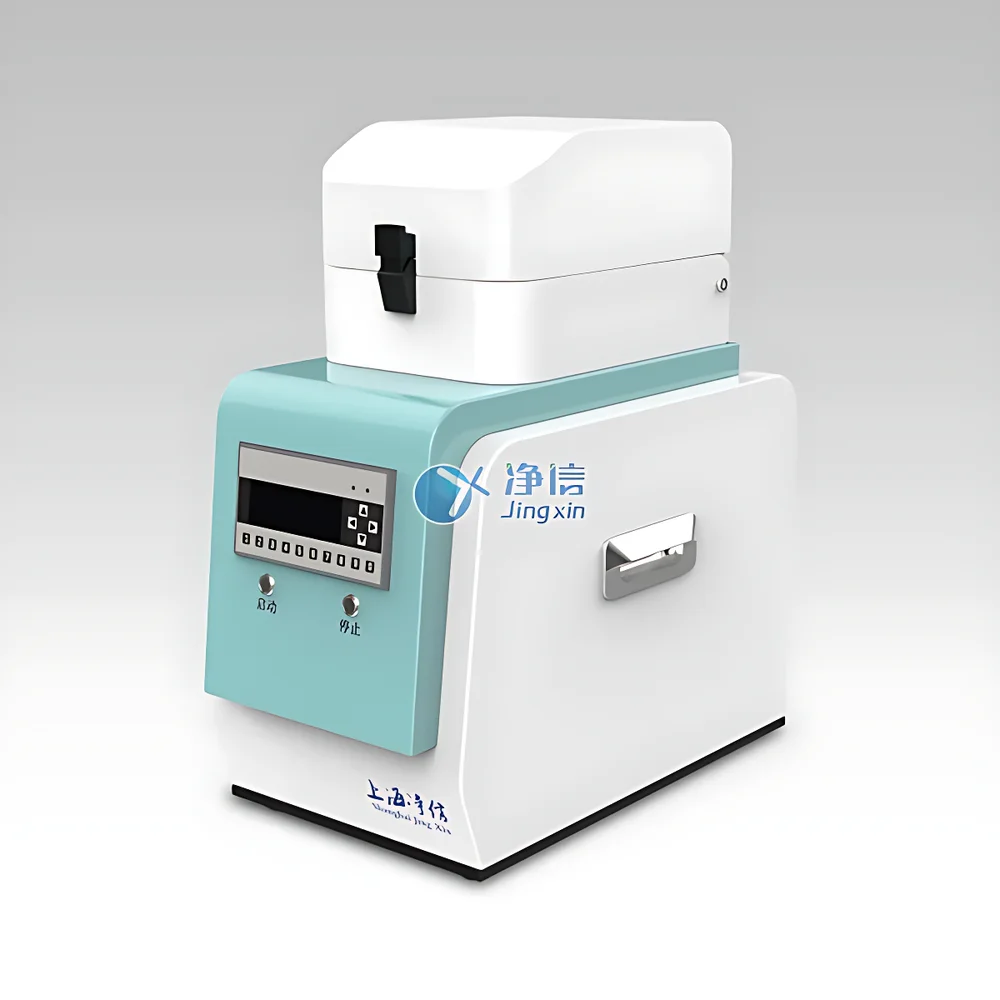
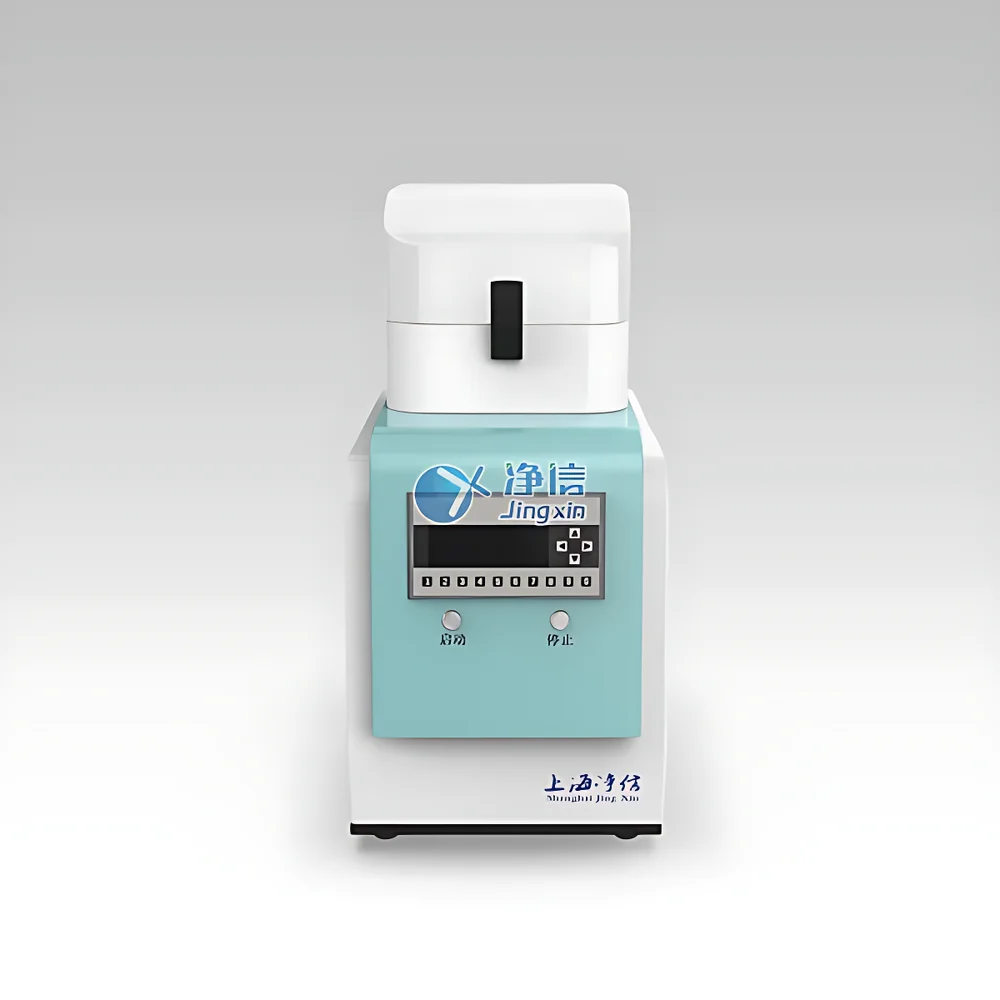
Jingxin JX-2016 Cryogenic Plastic Track Crusher & Grinder

| Brand | Jingxin (Shanghai Jingxin Scientific Instrument Co., Ltd.) |
|---|---|
| Origin | Shanghai, China |
| Manufacturer Type | Direct Manufacturer |
| Product Category | Domestic |
| Model | JX-2016 Cryogenic Plastic Track Crusher |
| Instrument Type | Cryogenic Grinder |
| Sample Compatibility | Frozen or ambient-sensitive materials, including elastomeric polymers and thermoplastic composites |
| Feed Size | ≤ 8 mm |
| Final Particle Size | 0–5 µm |
| Batch Capacity | 2 × 50 mL (customizable) |
| Operating Temperature Range | –196 °C to –100 °C (liquid nitrogen cooling) |
| Frequency Range | 1–70 Hz (30–2100 rpm |
| Compliance | ISO, CE |
| Grinding Mechanism | Cryogenic embrittlement + high-frequency impact milling |
| Grinding Vessel Materials | Stainless steel, PTFE (Teflon®), optional ceramic-coated variants |
| Grinding Media Options | Stainless steel, chrome steel, zirconia, tungsten carbide, quartz sand |
Ask about pricing, availability and specifications.
Overview
The Jingxin JX-2016 Cryogenic Plastic Track Crusher & Grinder is an engineered solution for the controlled, low-temperature comminution of highly elastic, heat-sensitive polymeric materials—particularly synthetic athletic track surfaces composed of EPDM rubber, SBR granules, polyurethane binders, and composite fillers. Unlike conventional grinders that induce thermal degradation, plastic deformation, or incomplete particle size reduction in such resilient matrices, this system integrates cryogenic embrittlement with high-frequency mechanical impact to achieve reproducible sub-micron pulverization without chemical alteration or polymer chain scission. The device operates on a dual-principle mechanism: first, rapid immersion or in-situ liquid nitrogen (LN₂) cooling induces glass transition and brittle fracture behavior in otherwise ductile thermoplastic and elastomeric phases; second, a precisely tuned 3D orbital vibration system subjects the pre-embrittled sample to multi-axis impact forces—enabling uniform energy distribution across heterogeneous material structures. Designed for laboratory-scale sample preparation prior to elemental analysis (e.g., ICP-MS for heavy metals), FTIR spectroscopy, GC-MS volatiles profiling, or microplastic quantification per ISO 21047 and EN 17247, the JX-2016 ensures physicochemical fidelity from bulk specimen to analytical-ready powder.
Key Features
- Cryogenic integrity: Samples remain continuously at ≤ –100 °C within 60 seconds and reach –196 °C within 4 min 30 sec, preserving volatile organic compounds (VOCs), plasticizers (e.g., phthalates), and flame retardants during processing.
- Hermetic sample containment: All grinding vessels—including stainless steel, PTFE, and ceramic options—are fully sealed during operation, eliminating cross-contamination, airborne particulate loss, and operator exposure to hazardous dust (e.g., PAHs, isocyanates).
- Modular adaptability: Supports standardized tube formats (1.5 mL to 50 mL) with interchangeable adapters; optional refrigerated adapters allow pre-chilling in –80 °C freezers or extended LN₂ immersion (>30 min) for ultra-low-T stabilization.
- Controlled energy input: Frequency adjustable from 1–70 Hz (30–2100 rpm) with programmable run time (0.1–9999 sec), cycle count (1–99), and pause intervals—enabling method optimization for varying polymer crystallinity and filler loading.
- Robust mechanical architecture: Single moving component—the impact-driven oscillating arm—minimizes wear, eliminates gearboxes or belts, and supports >10,000 operational cycles under GLP-compliant maintenance protocols.
Sample Compatibility & Compliance
The JX-2016 accommodates diverse sample categories requiring cold-stage fragmentation: thermoset elastomers (e.g., polyurethane-bound track layers), fiber-reinforced composites (e.g., nylon or polyester mesh substrates), and mixed-waste construction polymers. It complies with ISO 17025 requirements for sample homogenization traceability and meets CE safety directives for enclosed cryogenic machinery (EN 61000-6-4, EN 61000-6-2). For regulated environmental testing workflows—including ASTM D7367 (microplastics in runoff) and EPA Method 8270D (semi-volatile organics)—the system supports audit-ready documentation via optional software modules with 21 CFR Part 11–compliant electronic signatures, user access logs, and immutable parameter history.
Software & Data Management
Optional touchscreen interface enables storage of up to 10 user-defined protocols with full parameter logging (frequency, duration, LN₂ flow rate, ambient temperature). When integrated with Jingxin’s LabManager™ software suite (v3.2+), the instrument exports timestamped CSV reports containing real-time temperature monitoring (via embedded Pt100 sensors), motor current draw (indicative of load resistance), and cycle completion verification. All data files are structured for direct import into LIMS platforms compliant with ISO/IEC 17025:2017 Clause 7.5.2.
Applications
- Preparation of homogenized reference materials for accreditation bodies (e.g., CRM development per ISO Guide 35).
- Routine QA/QC of recycled rubber crumb used in track surfacing—assessing heavy metal leaching potential (EN 71-3) and VOC emissions (ISO 16000-9).
- Forensic analysis of track surface degradation products following weathering or UV exposure studies.
- Development of polymer nanocomposites where uniform dispersion of nano-fillers (e.g., TiO₂, SiO₂) requires pristine matrix fragmentation prior to melt compounding.
- Regulatory compliance testing for REACH SVHC screening and RoHS Annex II substance quantification in synthetic sports surfaces.
FAQ
Can the JX-2016 process samples without liquid nitrogen?
Yes—when equipped with the optional air-cooling module (Type I configuration), it maintains temperatures down to 0 °C; however, for elastomeric track materials, LN₂ (Type II) is strongly recommended to ensure effective embrittlement.
What is the maximum throughput for regulatory batch testing?
Standard configuration handles two 50 mL batches simultaneously; custom configurations support up to eight 25 mL tubes or four 50 mL vessels with synchronized grinding profiles.
Is PTFE contamination a concern during grinding?
No—PTFE adapters are fabricated from virgin, USP Class VI–certified fluoropolymer and validated for extractables per USP ; blank runs confirm <0.1 µg/g background fluorine by ICP-OES.
How is calibration verified for particle size consistency?
Each unit ships with NIST-traceable stainless steel grinding media sets and undergoes factory validation using certified glass microsphere standards (NIST SRM 1980); users may perform periodic verification via laser diffraction (e.g., Malvern Mastersizer 3000) per ISO 13320.
Does the system meet explosion-proof requirements for volatile organics?
The sealed grinding chamber, inert LN₂ atmosphere, and absence of spark-generating components satisfy ATEX Zone 2 / NEC Class I, Division 2 criteria for handling flammable solvents or solvent-laden track samples.
More from Jingxin (Shanghai Jingxin Scientific Instrument Co., Ltd.)
View all Jingxin (Shanghai Jingxin Scientific Instrument Co., Ltd.) products → Jingxin JXFSTPRP-192CL High-Speed Cryogenic Grinding and Homogenization System
- Jingxin JX-CKSM-4WK 4-Channel Temperature-Controlled Single-Cell Suspension Preparation System
- Jingxin JX-24 High-Efficiency Automated Cryogenic Tissue Grinder
- Jingxin Tissuelyser-192 High-Throughput Cryogenic Tissue Homogenizer