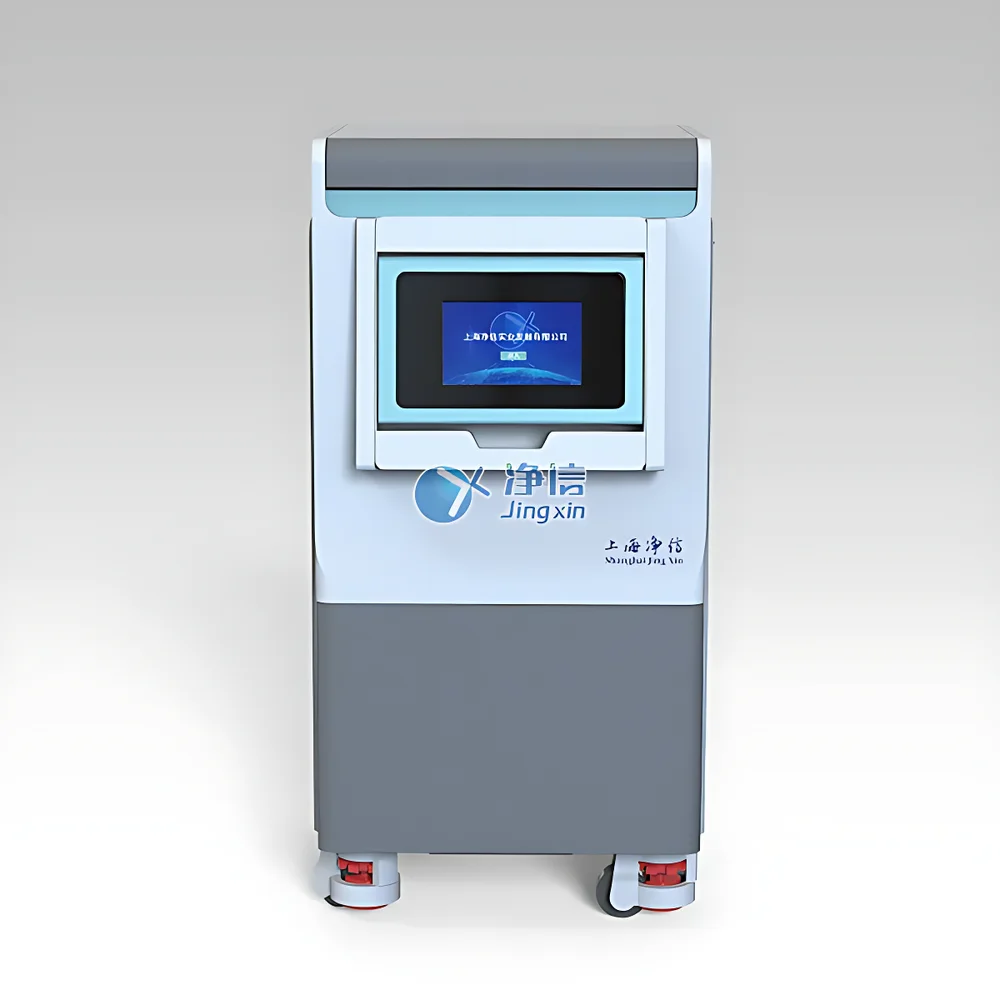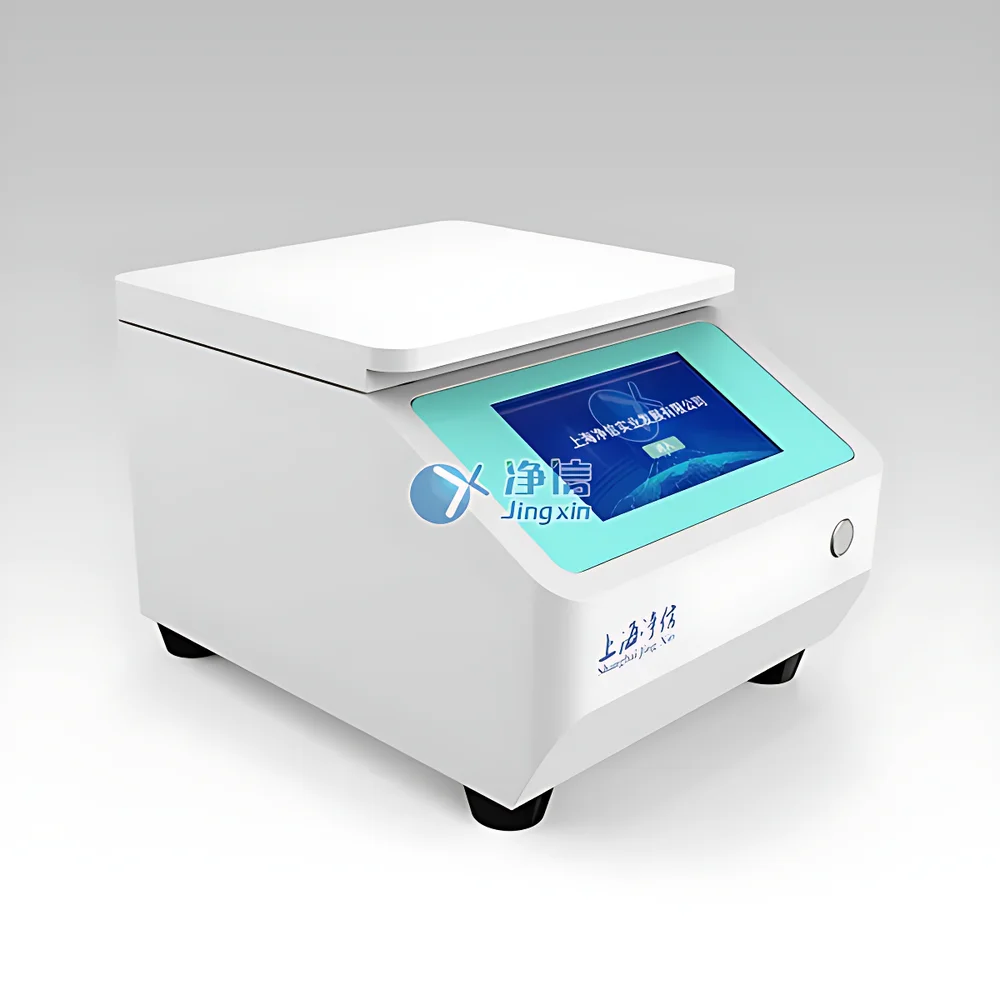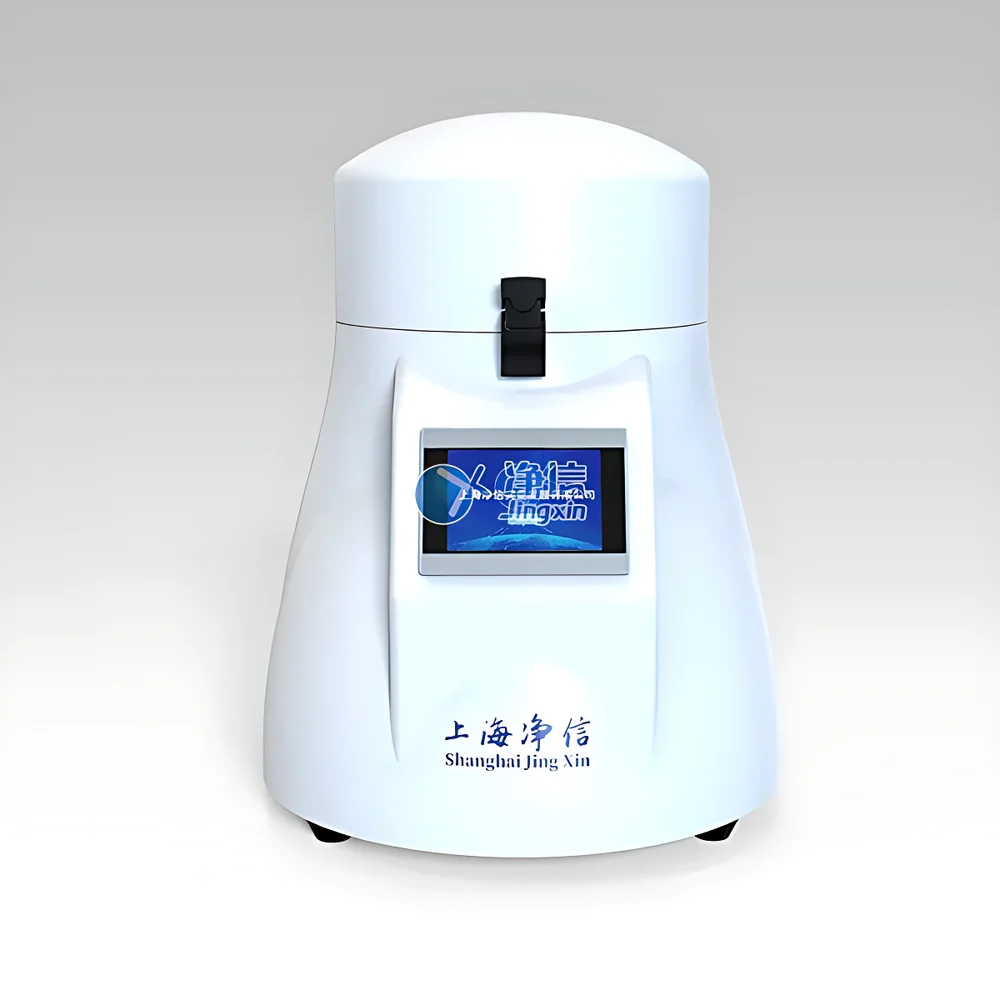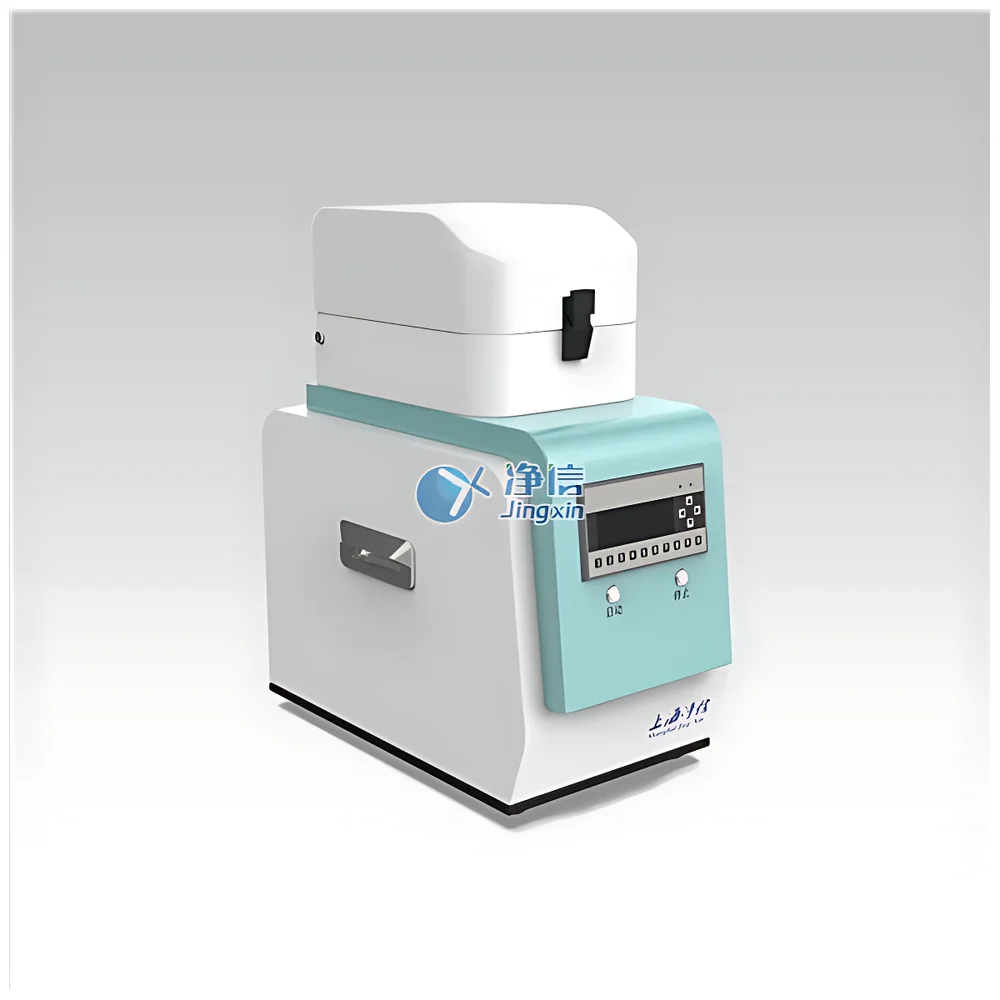
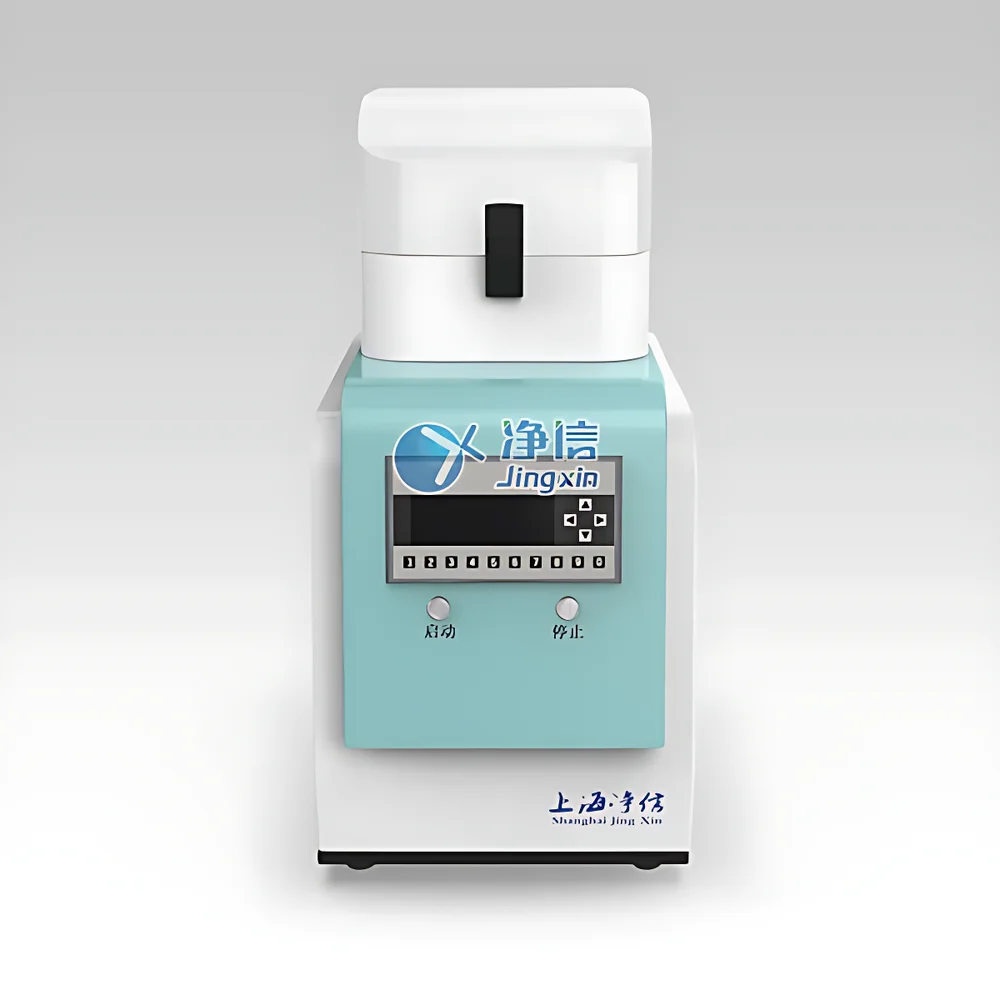
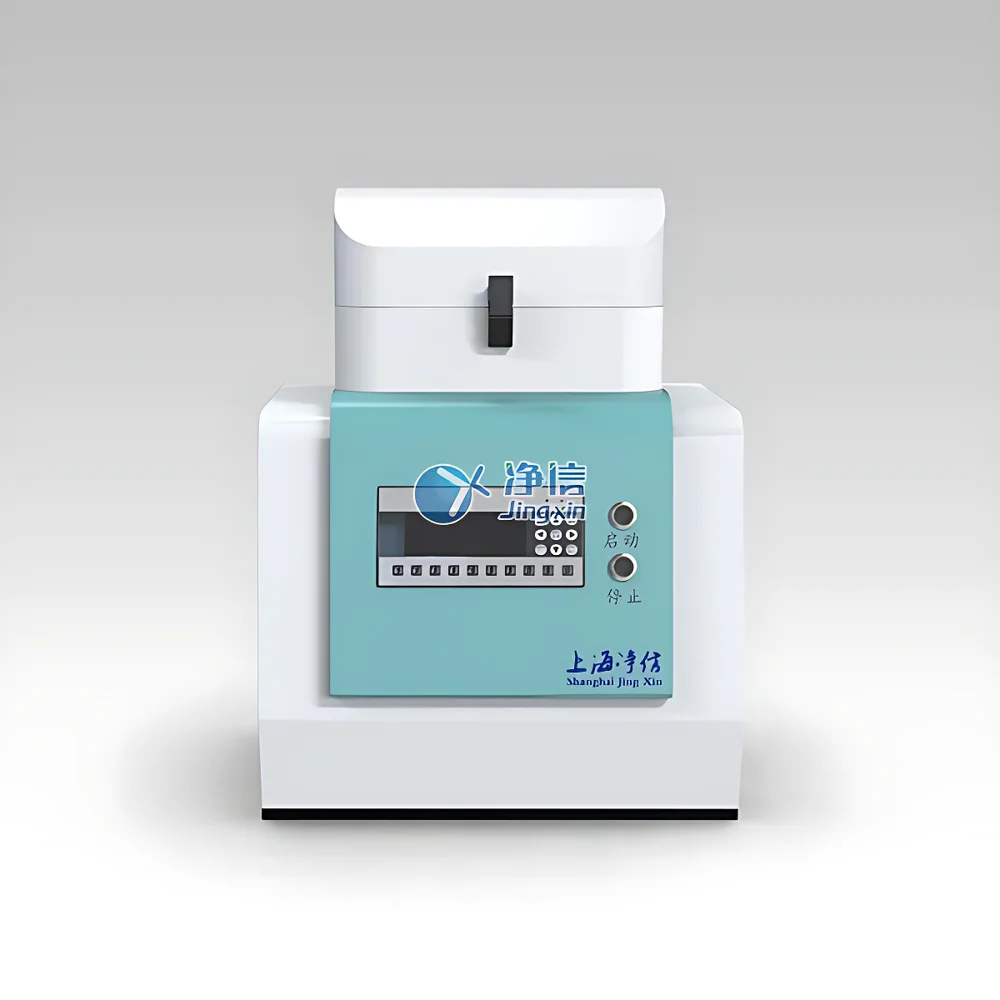
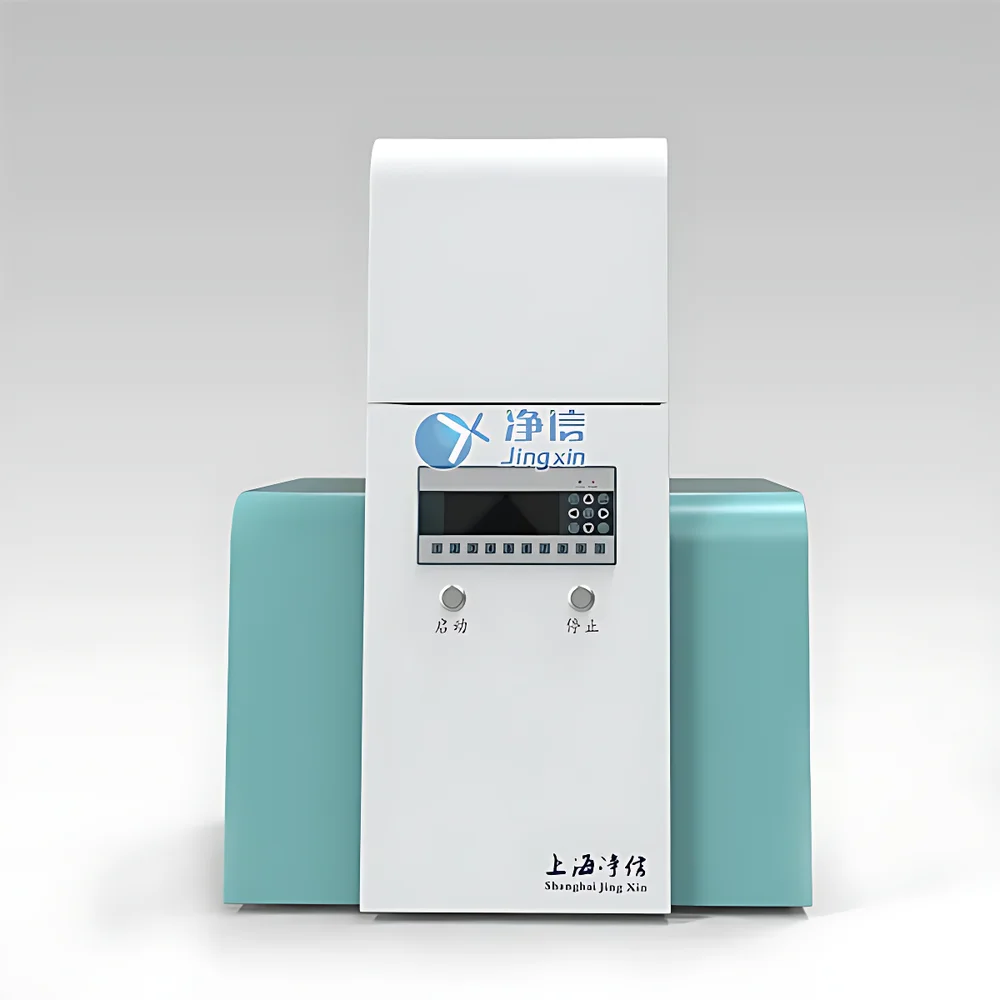
Jingxin Tissuelyser-32L High-Throughput Multi-Sample Tissue Grinder

| Brand | Jingxin (Shanghai Jingxin Scientific Instrument Co., Ltd.) |
|---|---|
| Origin | Shanghai, China |
| Manufacturer Type | Direct Manufacturer |
| Product Category | Domestic |
| Model | Tissuelyser-32L |
| Instrument Type | Benchtop Vibratory Tissue Grinder |
| Sample Compatibility | Hard, brittle, fibrous, and temperature-sensitive biological & non-biological materials |
| Feed Size | No strict limitation (determined by adapter geometry) |
| Final Particle Size | ≤5 µm |
| Batch Capacity | 32 × (0.2–0.5 mL), 32 × 2 mL, 6/8 × (7–15 mL), 2 × 25 mL, 2 × 50 mL |
| Vibration Frequency Range | 0–70 Hz (300–4200 cycles/min) |
| Noise Level | <55 dB(A) |
| Weight | 23 kg |
| Dimensions (W×D×H) | 280 × 400 × 530 mm |
| Power Supply | 220 V AC |
| Optional Cryogenic Upgrade | Compatible with liquid nitrogen cooling or air-cooled cryo-modules |
Ask about pricing, availability and specifications.
Overview
The Jingxin Tissuelyser-32L is a high-throughput, benchtop vibratory tissue grinder engineered for rapid, reproducible, and contamination-free homogenization of diverse biological and synthetic samples. It operates on the principle of high-frequency vertical oscillation—driving stainless-steel, zirconia, tungsten carbide, or quartz grinding beads within sealed tubes to induce mechanical shearing, impact fracture, and frictional attrition. This mechanism enables efficient cell lysis, tissue disintegration, and particle size reduction without thermal degradation—critical for downstream nucleic acid isolation (DNA/RNA), protein extraction, metabolite profiling, and polymer dispersion. Unlike planetary or rotary mills, the Tissuelyser-32L’s vertically aligned eccentric drive ensures uniform energy transfer across all positions in multi-tube configurations, minimizing inter-sample variability and eliminating centrifugal bias. Its robust 10 mm-diameter main shaft and precision-machined bearing assembly support sustained operation at frequencies up to 70 Hz while maintaining mechanical stability and long-term calibration integrity.
Key Features
- True high-throughput capability: Simultaneously processes up to 32 samples in 2 mL tubes, or scalable configurations including 6–8 × 7–15 mL tubes, 2 × 25 mL, and 2 × 50 mL vessels—enabling parallel processing for cohort-based studies.
- Programmable digital controller: Adjustable vibration frequency (0–70 Hz), runtime (0–9999 s), and ramp-up/ramp-down profiles (achieving target speed within ≤2 s); parameter retention across power cycles.
- Full-seal operation: Integrated safety hood with dual mechanical lock system prevents accidental lid opening during operation; eliminates aerosol generation and cross-contamination between runs.
- Cryogenic compatibility: Optional integration with liquid nitrogen delivery systems or compressed-air cryo-modules—supports sub-zero grinding for thermolabile analytes (e.g., RNA, labile enzymes, volatile organics).
- Material-resilient construction: Corrosion-resistant housing, chemically inert grinding media options (zirconia, stainless steel, tungsten carbide), and adapter-compatible tube holders designed for repeated autoclaving or solvent cleaning.
- Low-noise engineering: Acoustic enclosure and vibration-damping base reduce operational noise to <55 dB(A), meeting ISO 15712-1 requirements for shared laboratory environments.
Sample Compatibility & Compliance
The Tissuelyser-32L accommodates a broad spectrum of sample types—including mammalian tissues (liver, brain, muscle), plant organs (roots, seeds, leaves), microbial cultures (E. coli, yeast, spores), environmental matrices (soil, sediment), pharmaceutical excipients, polymers (PE, PS, resins), and fossilized specimens. Its dry-, wet-, and cryo-grinding versatility supports protocols compliant with ASTM D5231 (solid waste particle size analysis), ISO 13320 (laser diffraction particle sizing), and USP (particulate matter in injections). All standard adapters and grinding tubes meet ISO 8573-1 Class 4 purity requirements for cleanroom-compatible use. The instrument’s closed-tube architecture aligns with GLP/GMP documentation standards when paired with audit-trail-enabled software (see Software & Data Management section).
Software & Data Management
While the base model features a tactile keypad with segmented LCD display, optional firmware upgrades enable USB data export of run logs (timestamp, frequency, duration, cycle count) for traceability. When integrated with Jingxin’s optional PC-based control suite, users gain access to method libraries, electronic batch records, and 21 CFR Part 11-compliant user authentication, electronic signatures, and audit trail generation—supporting regulated QC/QA workflows in pharmaceutical and clinical research labs. All saved methods are encrypted and exportable as CSV or XML for LIMS integration.
Applications
- Genomics & transcriptomics: Rapid disruption of fibrous plant tissues and tough animal organs prior to column-based or magnetic-bead nucleic acid purification.
- Proteomics: Efficient lysis of protease-rich tissues (e.g., pancreas, spleen) under chilled conditions to preserve post-translational modifications.
- Microbiome research: Homogenization of fecal pellets, soil cores, and biofilm-embedded samples without selective bias toward Gram-positive or spore-forming species.
- Pharmaceutical development: Milling of API-excipient blends for dissolution testing, or particle size reduction of lyophilized biologics prior to SEC-MALS characterization.
- Materials science: Dispersion of nanocomposites (e.g., graphene oxide in polymer melts) and deagglomeration of ceramic precursors for XRD sample preparation.
FAQ
What types of grinding media are compatible with the Tissuelyser-32L?
Standard options include stainless steel, chromium steel, zirconium oxide, tungsten carbide, and quartz beads (0.1–30 mm diameter), selected based on sample hardness and downstream compatibility (e.g., zirconia for RNA work to avoid RNase contamination).
Can the instrument be validated for GMP environments?
Yes—when operated with the optional software package, it supports IQ/OQ documentation templates, electronic signature capture, and full audit trail logging per FDA 21 CFR Part 11.
Is liquid nitrogen handling supported natively?
The base unit accepts third-party LN₂ delivery manifolds; Jingxin provides mounting brackets and flow-regulated valve interfaces—users must implement external dewar systems and PPE-compliant handling protocols.
How is inter-sample consistency ensured across large batches?
Vertical oscillation geometry, rigid adapter clamping, and symmetrical tube loading minimize amplitude deviation; empirical validation shows CV <3% for RNA yield across 32 replicates (n=5 independent runs).
What maintenance is required for long-term reliability?
Biannual inspection of drive belt tension, bearing lubrication, and safety interlock function; routine cleaning of adapter grooves and lid gasket surfaces using ethanol or isopropanol—no internal user-serviceable components.
More from Jingxin (Shanghai Jingxin Scientific Instrument Co., Ltd.)
View all Jingxin (Shanghai Jingxin Scientific Instrument Co., Ltd.) products → Jingxin JXFSTPRP-192CL High-Speed Cryogenic Grinding and Homogenization System
- Jingxin JX-CKSM-4WK 4-Channel Temperature-Controlled Single-Cell Suspension Preparation System
- Jingxin JX-24 High-Efficiency Automated Cryogenic Tissue Grinder
- Jingxin Tissuelyser-192 High-Throughput Cryogenic Tissue Homogenizer