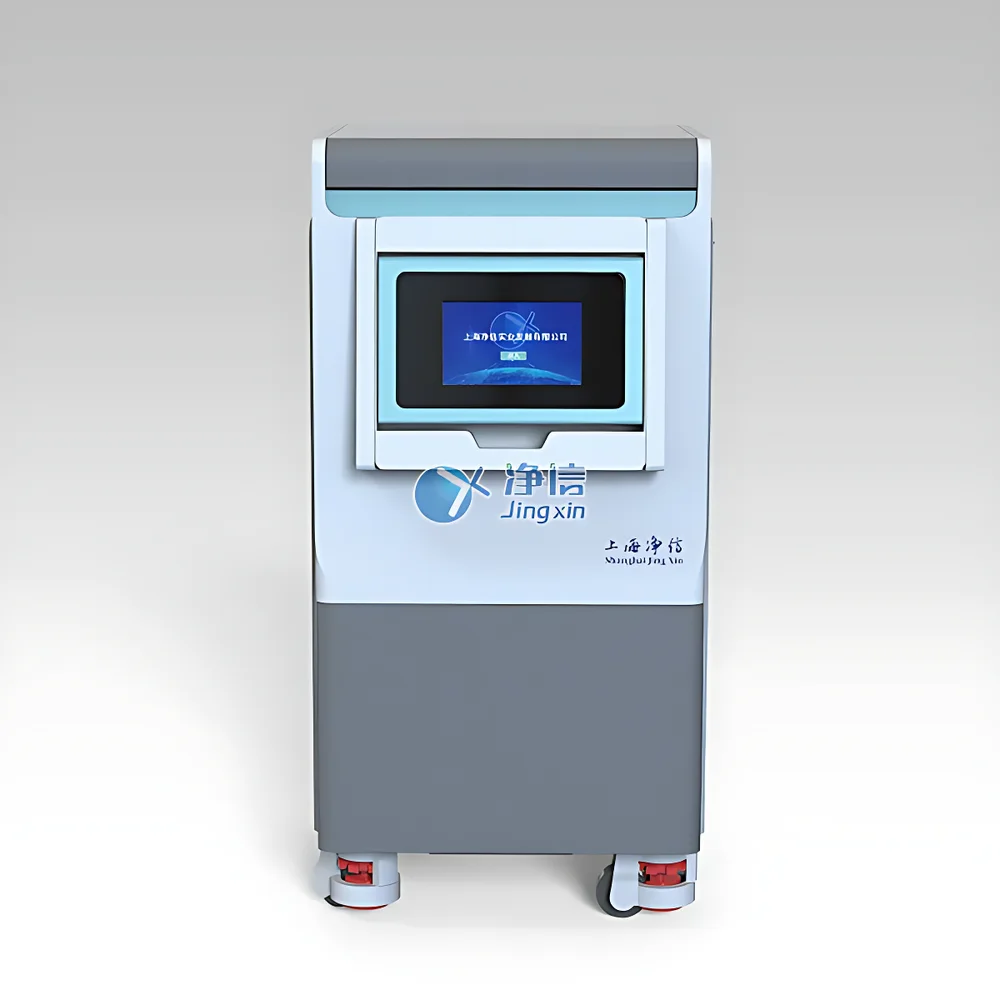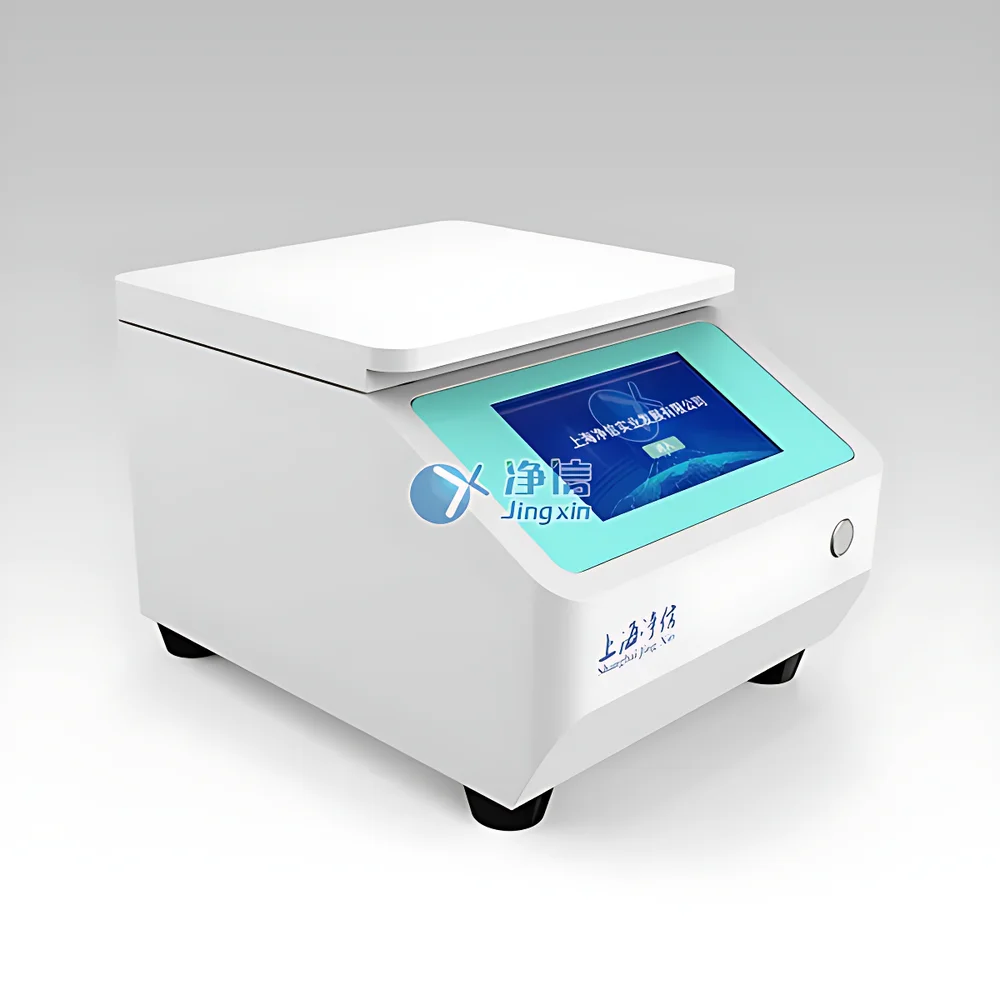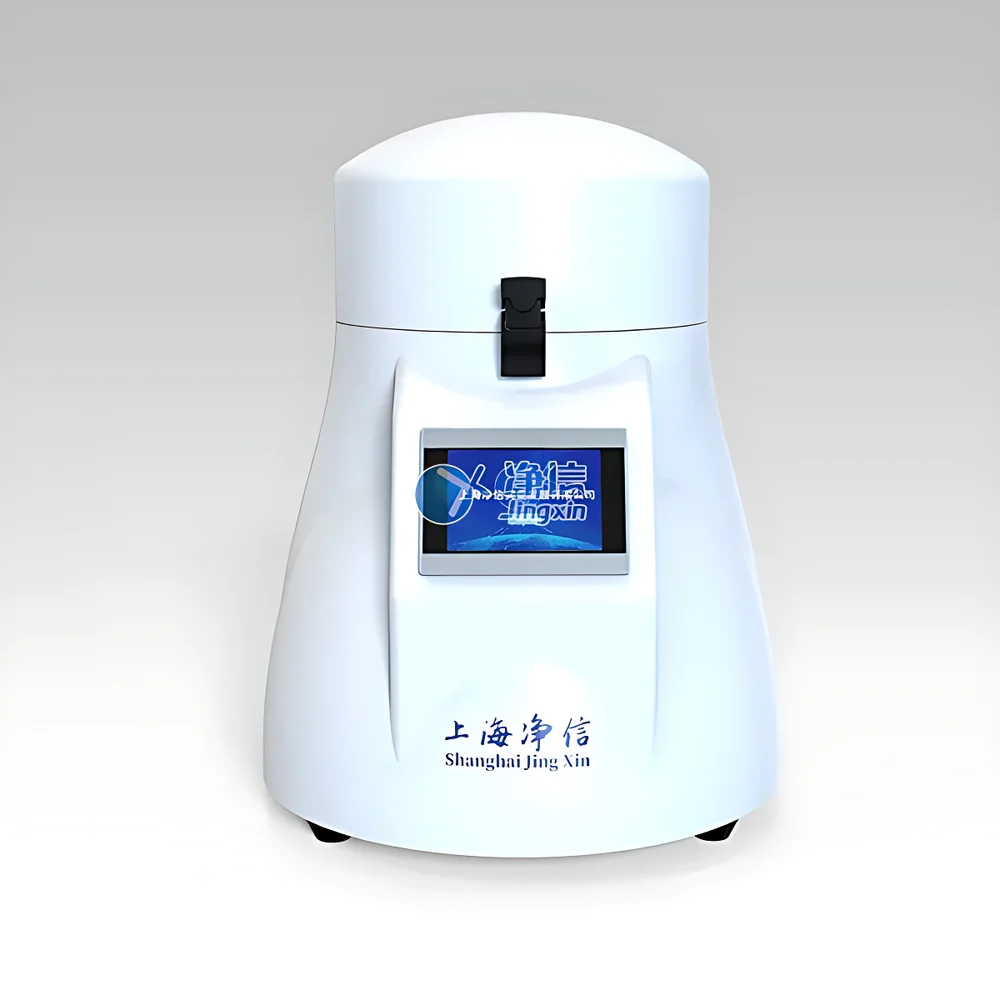
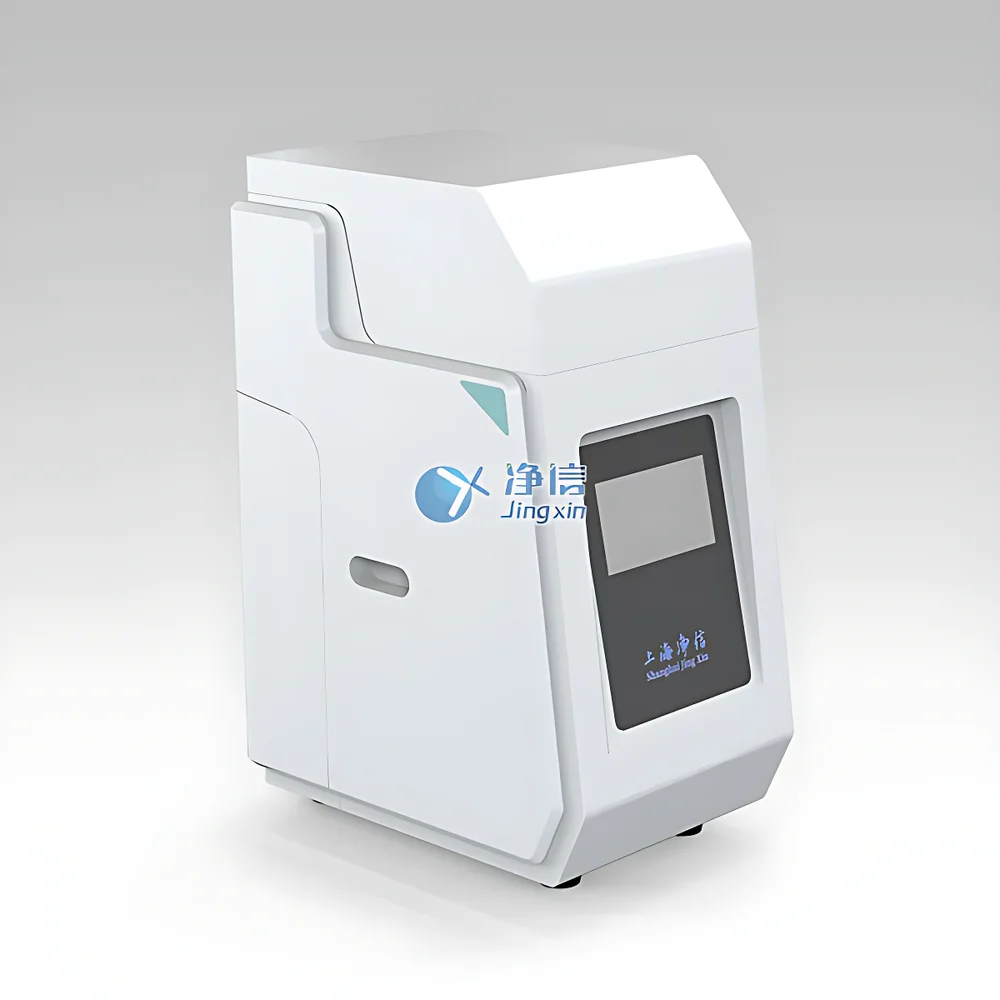
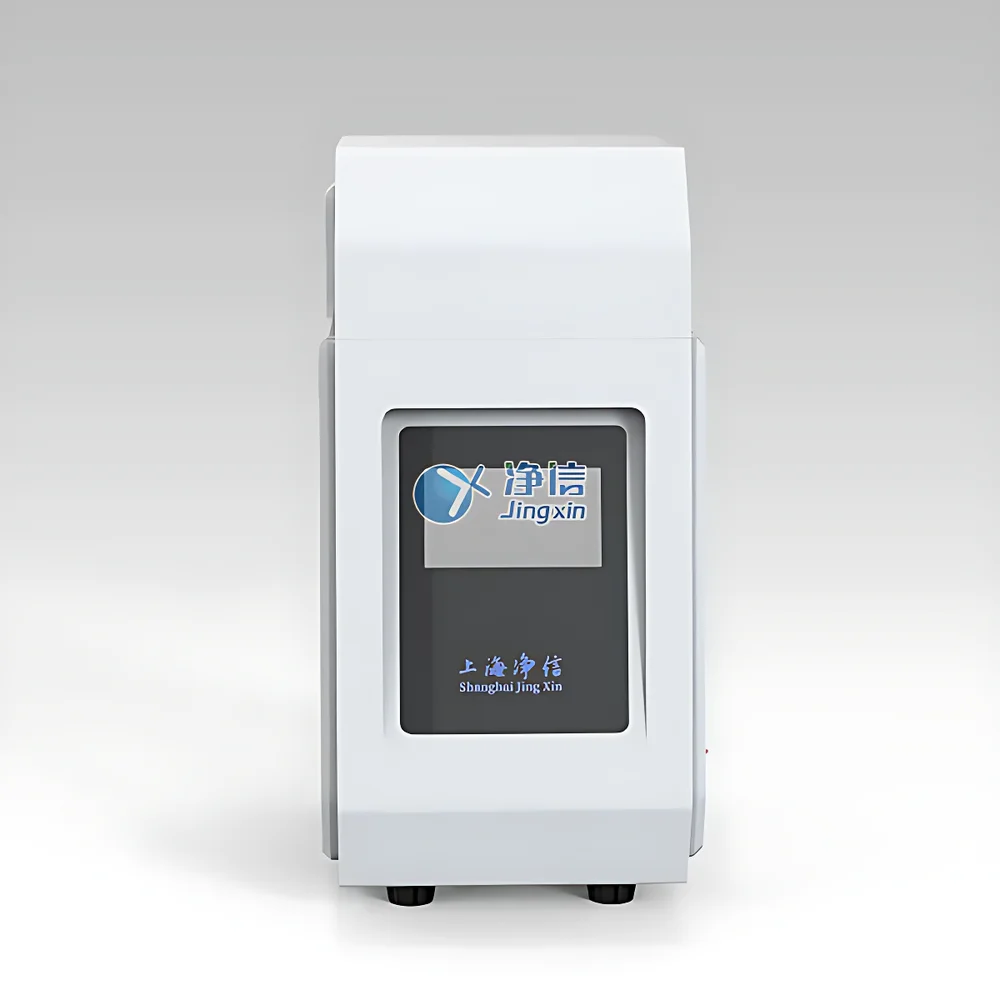
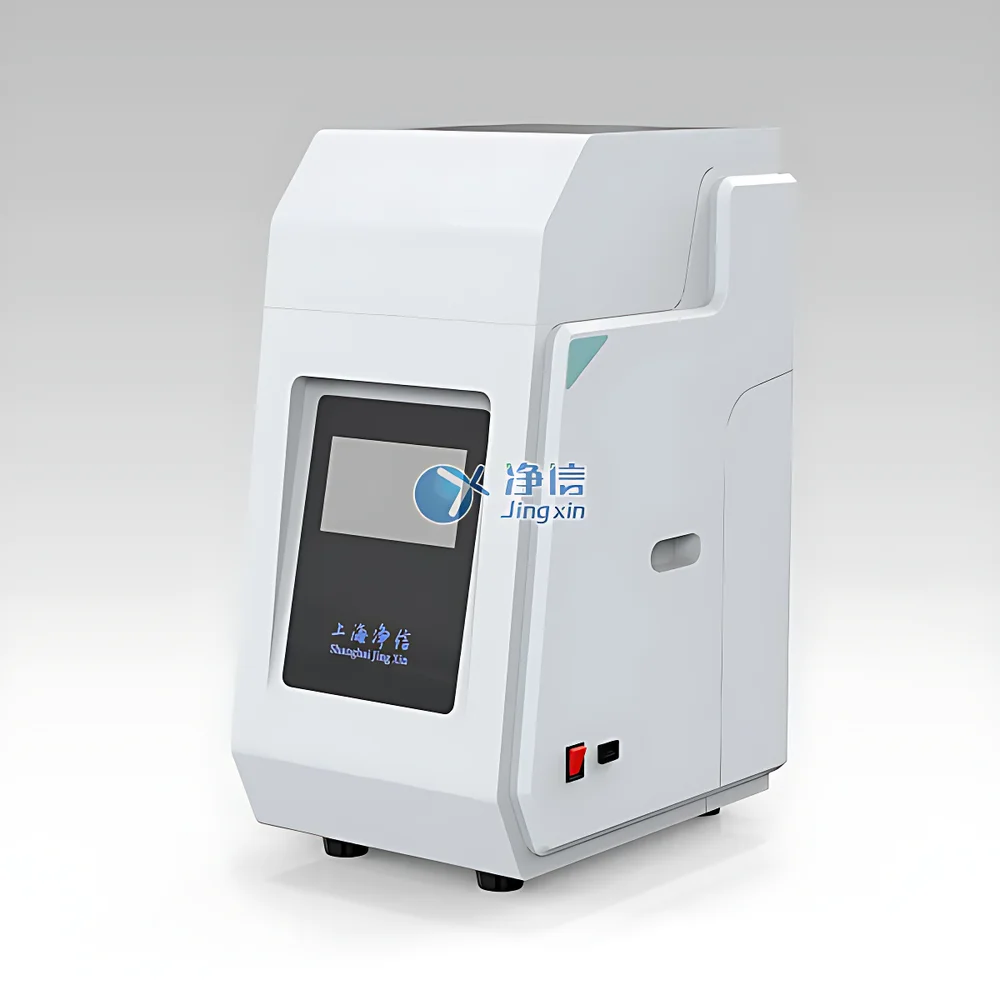
Jingxin JXFSTPRP-192 High-Throughput Cryogenic Ball Mill Grinder for Tissue Homogenization and Cell Lysis

| Brand | Jingxin (Shanghai Jingxin Scientific Instrument Co., Ltd.) |
|---|---|
| Origin | Shanghai, China |
| Manufacturer Type | Direct Manufacturer |
| Instrument Type | High-Frequency Oscillating Ball Mill |
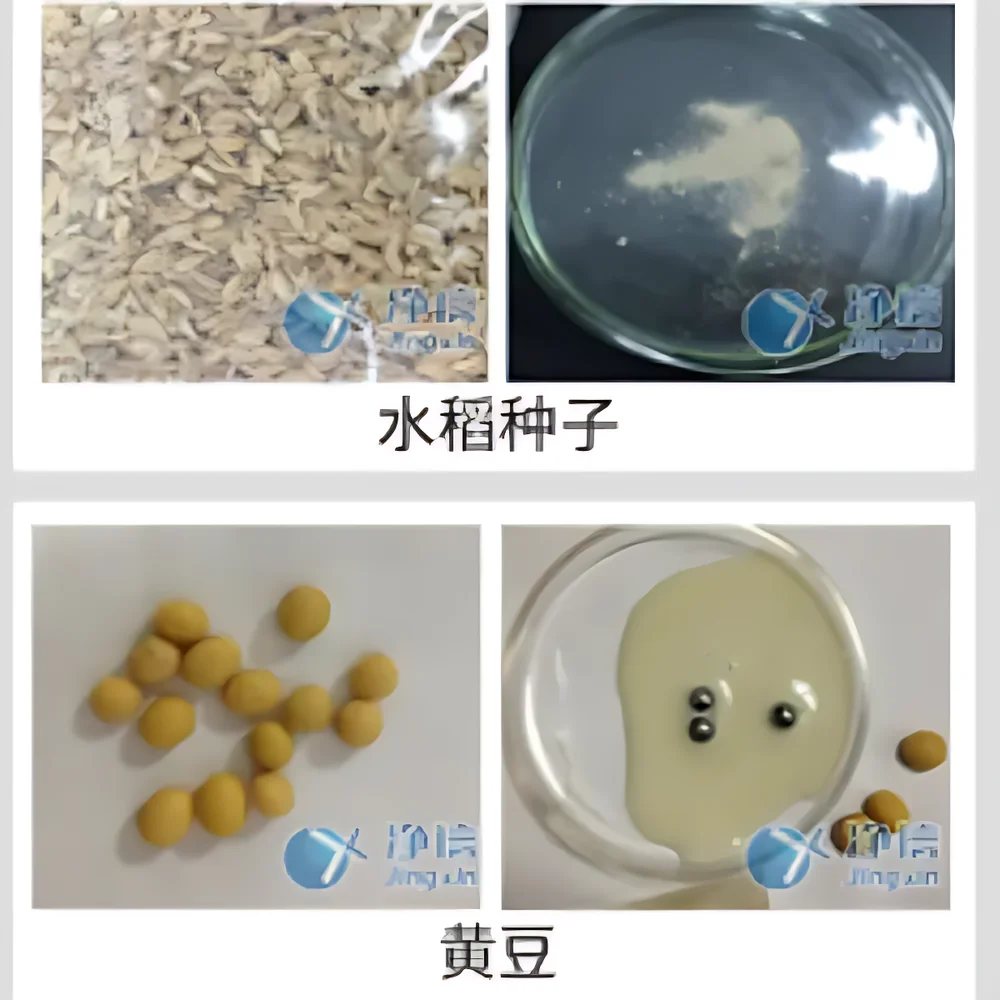
| Sample Compatibility | Soft to moderately tough biological and organic materials |
| Feed Size | Not strictly limited |
| Output Particle Size | ~5 µm (after optimized grinding) |
| Throughput Capacity | 192 × 2 mL deep-well tubes |
| Vibration Frequency Range | 0–70 Hz (0–2100 rpm equivalent) |
| Noise Level | <45 dB(A) (no-load) |
| Safety Features | Dual electronic locking system, lid-open safety cutoff, integrated safety shield |
| Operating Modes | Dry grinding, wet grinding, cryogenic grinding (with pre-chilled or liquid nitrogen-cooled adapters) |
Ask about pricing, availability and specifications.
Overview
The Jingxin JXFSTPRP-192 is a high-throughput, programmable ball mill grinder engineered for rapid, reproducible mechanical homogenization of biological and soft-material samples. It operates on the principle of high-frequency horizontal oscillation—driving grinding beads within sealed tubes or jars to induce intense impact, shear, and friction forces. This mechanism enables efficient cell lysis, tissue disruption, and particle size reduction without thermal degradation, making it especially suitable for downstream molecular applications such as nucleic acid (DNA/RNA) and protein extraction. Unlike conventional rotor-stator homogenizers or ultrasonic disruptors, the JXFSTPRP-192 delivers uniform energy input across all sample positions simultaneously, eliminating positional bias and ensuring inter-sample consistency. Its design prioritizes compatibility with cold-chain workflows, supporting cryogenic operation via refrigerated or liquid nitrogen–precooled adapters—a critical capability for preserving labile biomolecules during processing.
Key Features
- High-frequency oscillation (0–70 Hz) with precise digital control over time, frequency, and multi-stage cycling—including adjustable pause intervals (1–600 s) between cycles.
- Modular adapter system accommodating up to 192 × 2 mL deep-well plates, 96-well microplates, 48 × 5 mL tubes, 32 × (7–15) mL tubes, 16 × 50 mL tubes, 8 × 100 mL tubes, and dual stainless-steel jars (25 mL and 50 mL each).
- Full-seal grinding environment prevents cross-contamination and aerosol generation—essential for biosafety compliance and high-sensitivity assays.
- Integrated dual electronic lock system with >60 kg holding force and automatic motor cutoff upon lid opening—meeting IEC 61000-4-2 ESD and ISO 13857 safety distance requirements.
- Low-noise operation (<45 dB[A] at 1 m, no-load), enabling deployment in shared laboratory spaces without acoustic interference.
- Touchscreen interface with user-defined protocol storage (up to 20 programmable methods), real-time parameter monitoring, and system diagnostics.
- Compatible with multiple grinding media materials (stainless steel, chrome steel, zirconia, tungsten carbide, quartz sand) and bead sizes (0.1–30 mm), allowing optimization for specific sample matrices and target fragment sizes.
Sample Compatibility & Compliance
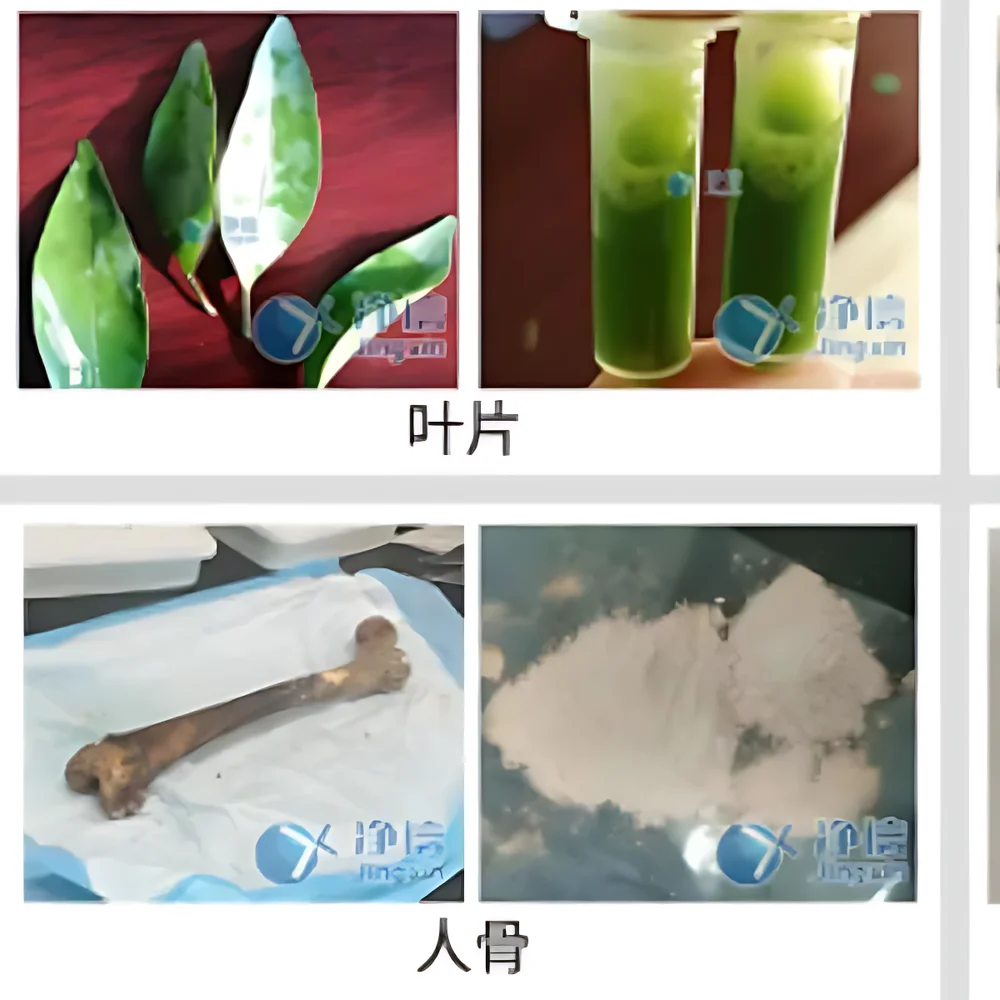
The JXFSTPRP-192 supports a broad spectrum of soft-to-intermediate hardness samples: plant tissues (leaves, stems, seeds), animal organs (liver, brain, muscle), microbial cultures (yeast, bacteria, spores), food matrices (fruits, nuts, meat), pharmaceutical excipients, polymers (PE, PS, resins), and environmental samples (soil, sediment, coal). It complies with general laboratory safety standards including CE marking (2014/30/EU EMC Directive, 2014/35/EU LVD Directive) and conforms to ISO/IEC 17025-relevant operational traceability when used with validated protocols. While not FDA 21 CFR Part 11–certified out-of-the-box, its audit-trail-capable touchscreen logs enable integration into GLP/GMP workflows when paired with laboratory information management systems (LIMS) and electronic signature validation procedures.
Software & Data Management
The embedded controller features non-volatile memory for storing ≥20 user-defined grinding protocols, each configurable with up to three sequential segments (e.g., ramp-up → hold → cool-down). All parameters—including frequency, duration, cycle count, inter-cycle delay, and start/stop timestamps—are logged locally and exportable via USB. Optional data export modules support CSV formatting compatible with common laboratory analytics platforms (e.g., GraphPad Prism, JMP, Python pandas). For regulated environments, metadata fields (operator ID, sample ID, batch number, ambient temperature) can be manually appended prior to execution to support ALCOA+ data integrity principles.
Applications
This instrument is routinely deployed in academic, clinical, agricultural, and industrial laboratories for: high-yield DNA/RNA isolation from fibrous plant tissues; simultaneous lysis of 96 mouse liver biopsies for proteomic screening; homogenization of yeast pellets prior to phosphoproteome analysis; preparation of pesticide residue standards from composite fruit samples; dispersion of polymer nanocomposites for rheological characterization; and pretreatment of soil microbiome samples for metagenomic sequencing. Its throughput scalability—from single-tube optimization to 192-sample parallel processing—makes it ideal for method development, QC release testing, and large-scale biobanking operations.
FAQ
What types of grinding media are recommended for RNA extraction?
Zirconia or stainless-steel beads (0.5–2.0 mm diameter) are preferred for RNA work due to low nucleic acid adsorption and minimal RNase activation. Pre-chilled zirconia beads further suppress enzymatic degradation.
Can the instrument operate under cryogenic conditions?
Yes—adapters may be pre-cooled in −80 °C freezers or immersed in liquid nitrogen for ≥30 minutes prior to loading. The instrument itself does not integrate active cooling but maintains structural integrity and seal integrity at sub-zero temperatures.
Is cross-contamination controlled between runs?
Each sample is processed in a physically isolated tube or jar. The closed-system architecture, combined with disposable adapters and autoclavable stainless-steel jars, eliminates carryover risk when standard decontamination protocols (e.g., 70% ethanol wipe, UV irradiation, or 0.5% sodium hypochlorite soak) are followed.
How is reproducibility ensured across high-throughput batches?
Mechanical oscillation symmetry, precision-machined adapter seating, and real-time frequency stabilization ensure ≤±0.5 Hz deviation across all 192 positions—validated per ASTM E2917-21 for homogenizer performance qualification.
Does Jingxin offer application-specific validation packages?
Yes—Jingxin provides SOP templates, grinding efficiency validation reports (using DAPI-stained cell lysis quantification and qPCR-based DNA yield assessment), and compatibility documentation for third-party extraction kits (e.g., Qiagen RNeasy, Thermo Fisher PureLink).
More from Jingxin (Shanghai Jingxin Scientific Instrument Co., Ltd.)
View all Jingxin (Shanghai Jingxin Scientific Instrument Co., Ltd.) products → Jingxin JXFSTPRP-192CL High-Speed Cryogenic Grinding and Homogenization System
- Jingxin JX-CKSM-4WK 4-Channel Temperature-Controlled Single-Cell Suspension Preparation System
- Jingxin JX-24 High-Efficiency Automated Cryogenic Tissue Grinder
- Jingxin Tissuelyser-192 High-Throughput Cryogenic Tissue Homogenizer