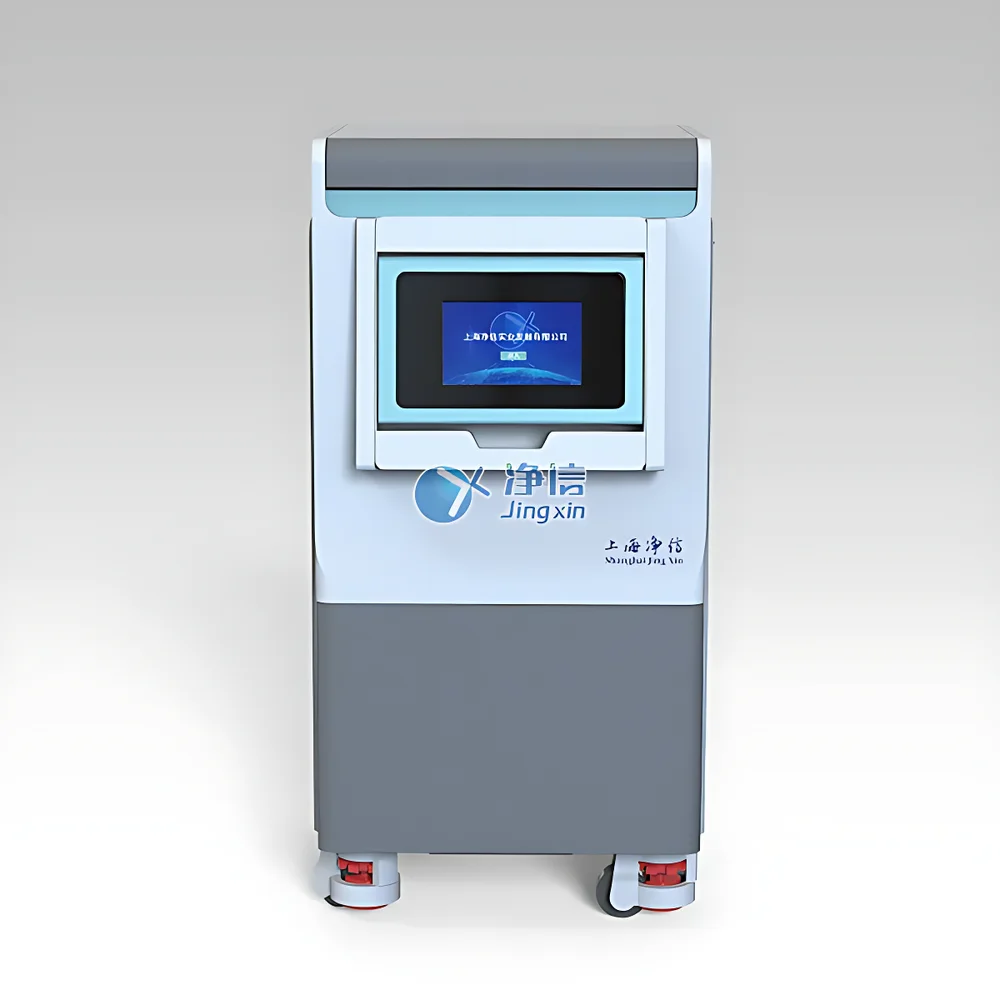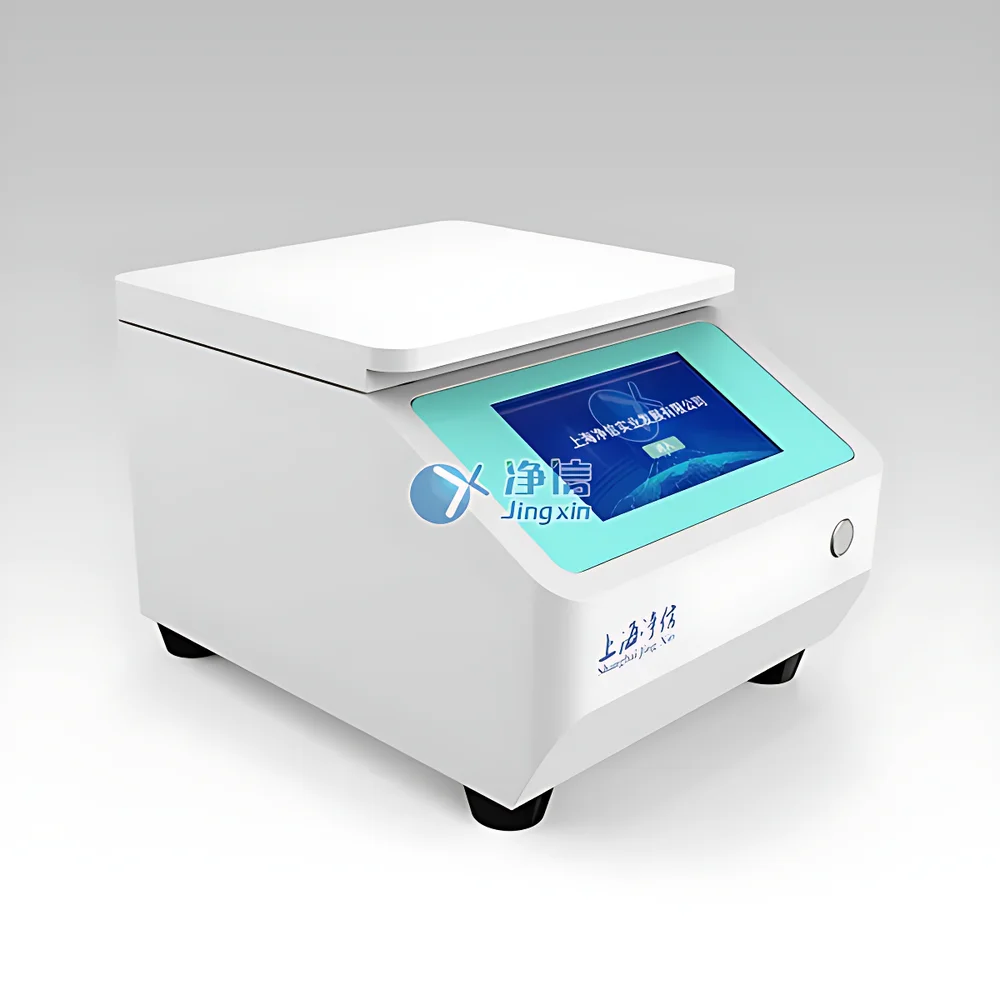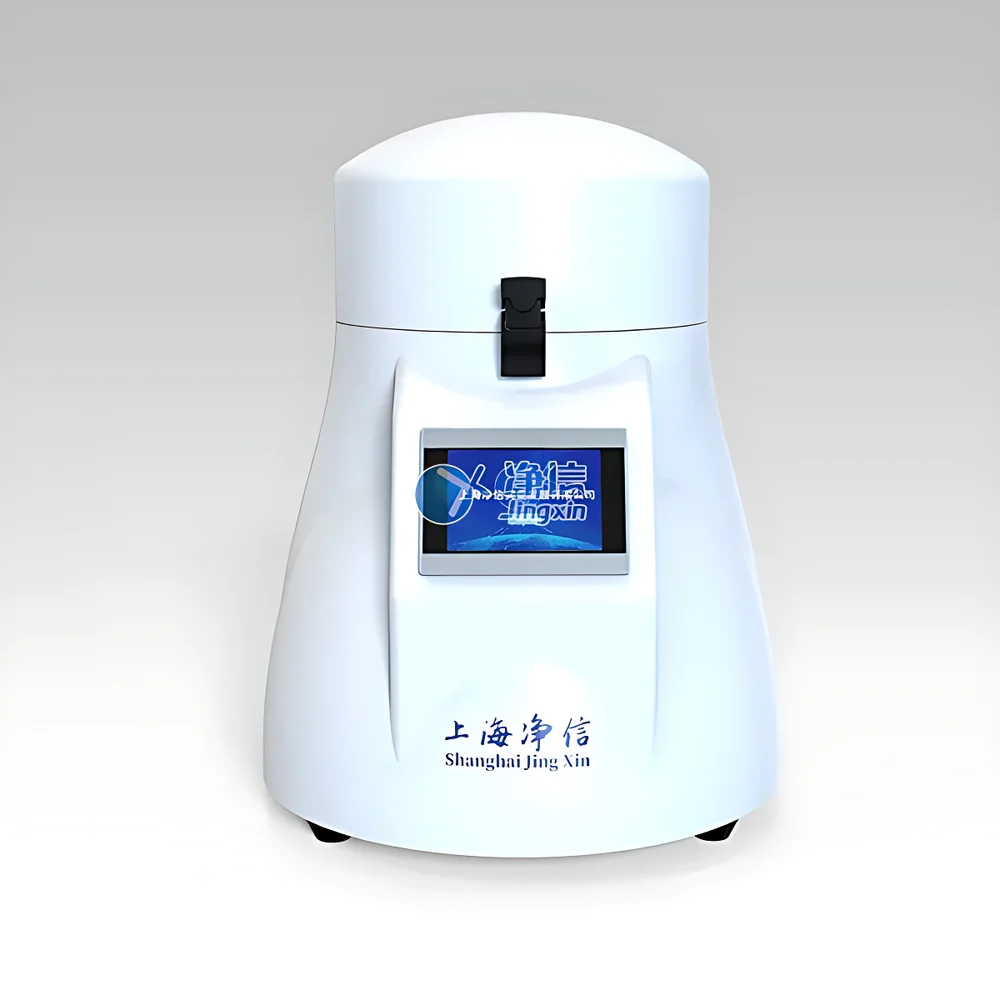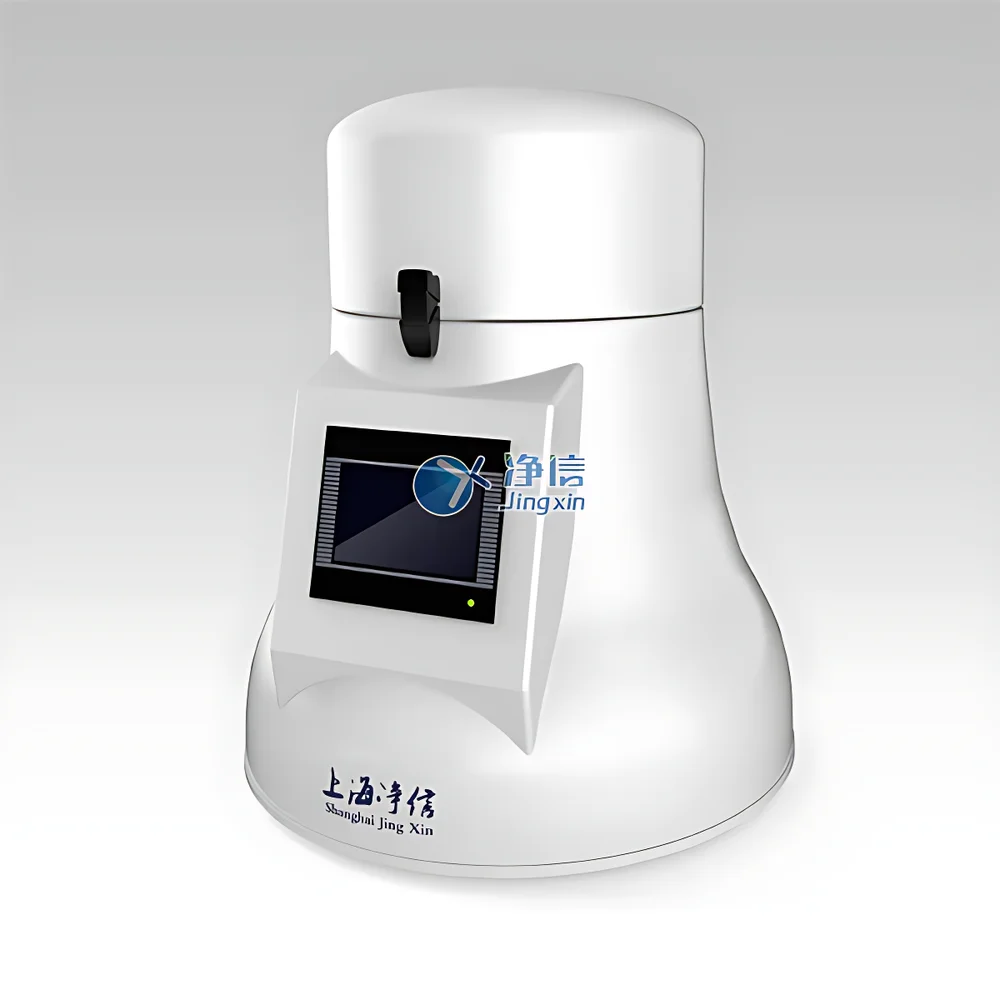
Jingxin JXFSTPRP-15 Multi-Channel Microbial Bead Homogenizer

| Brand | Jingxin (Shanghai Jingxin Scientific Instrument Co., Ltd.) |
|---|---|
| Origin | Shanghai, China |
| Manufacturer Type | Direct Manufacturer |
| Regional Classification | Domestic (China) |
| Model | JXFSTPRP-15 |
| Instrument Category | Bead Mill Homogenizer |
| Sample Compatibility | Cryogenic Samples |
| Final Particle Size | <5 µm |
| Throughput | Up to 96 × 2 mL tubes |
| Operating Speed | 0–7000 rpm |
| Processing Time Range | 0 s–9999 min |
| Acceleration/Deceleration Time | ≤2 s |
| Noise Level | <55 dB(A) |
| Grinding Modes | Dry, Wet, Cryogenic |
| Compatible Bead Diameters | 0.1–30 mm |
| Adapter Materials | PTFE or Alloy Steel |
| Grinding Vessel Materials | Hardened Steel, PTFE, Zirconia |
| Dimensions (W×D×H) | 280 × 400 × 530 mm |
| Weight | 23 kg |
Ask about pricing, availability and specifications.
Overview
The Jingxin JXFSTPRP-15 Multi-Channel Microbial Bead Homogenizer is a high-throughput, programmable benchtop instrument engineered for rapid and reproducible mechanical lysis of microbial cells using bead-beating technology. It operates on the principle of high-frequency horizontal oscillation combined with inert grinding beads (e.g., zirconia, stainless steel, or glass), generating intense shear, impact, and collision forces within sealed tubes. This physical disruption method effectively ruptures resilient microbial cell walls—including Gram-positive bacteria, spores, fungi, algae, and enveloped/non-enveloped viruses—without enzymatic or chemical bias. Designed specifically for microbiology, metagenomics, and molecular diagnostics workflows, the system delivers consistent nucleic acid (DNA/RNA) and protein release while preserving biomolecular integrity—critical for downstream applications such as qPCR, NGS library preparation, and proteomic profiling.
Key Features
- High-Throughput Parallel Processing: Simultaneously homogenizes up to 96 samples in standard 2 mL tubes (configurable for 0.2–50 mL formats), enabling scalable batch processing for clinical, environmental, or industrial microbiome studies.
- Cryogenic Compatibility: Fully compatible with liquid nitrogen-cooled adapters (12-position and 24-position options) and optional air-cooling modules, maintaining sample temperatures below −80 °C during lysis to inhibit nuclease/protease activity and prevent thermal degradation.
- Contamination-Free Operation: All sample handling occurs within sealed, disposable tubes and single-use beads; no shared fluid paths or rotor contact eliminates cross-contamination risk between runs—essential for low-biomass or multiplexed sequencing applications.
- Precision Parameter Control: Digital touchscreen interface supports programmable speed (0–7000 rpm), time (0 s–9999 min), acceleration/deceleration profiles (≤2 s ramp), and up to 10 user-defined protocols with timestamped storage.
- Robust Mechanical Architecture: Equipped with auto-centering clamping mechanism, safety interlock lid, and vibration-dampened chassis; certified for continuous operation under GLP-compliant laboratory environments.
- Flexible Bead & Vessel Options: Supports bead diameters from 0.1 mm to 30 mm and interchangeable grinding vessels fabricated from hardened steel, medical-grade PTFE, or yttria-stabilized zirconia—optimized for diverse microbial toughness and downstream compatibility.
Sample Compatibility & Compliance
The JXFSTPRP-15 is validated for lysis across broad microbial taxonomic groups: prokaryotes (Gram-positive/negative bacteria, actinomycetes, mycoplasma, rickettsiae, chlamydiae), eukaryotes (yeasts, molds, microalgae, protozoa), and acellular agents (viruses, viroids, prion-associated aggregates). Its closed-tube design meets ISO 15189 and CLIA requirements for pre-analytical sample integrity. When operated with traceable calibration logs and audit-trail-enabled software (via optional PC interface), it supports FDA 21 CFR Part 11 compliance for regulated diagnostics and pharmaceutical QC labs. All wetted components comply with USP Class VI biocompatibility standards.
Software & Data Management
The integrated 7-inch capacitive touchscreen provides intuitive protocol setup, real-time status monitoring, and local storage of ten experiment configurations with date/time stamps and operator ID fields. Optional USB export enables transfer of run logs (CSV format) for LIMS integration. For advanced traceability, the system supports external PC control via RS232 or Ethernet (firmware v2.3+), enabling automated scheduling, electronic signature capture, and full audit trail generation aligned with GMP/GLP documentation standards.
Applications
- Routine DNA/RNA extraction from bacterial cultures, soil microbiomes, and clinical swabs prior to Illumina or Nanopore sequencing
- Preparation of antigenic lysates for ELISA and mass spectrometry-based pathogen identification
- Cell wall disruption for antibiotic susceptibility testing and CRISPR-Cas screening libraries
- Homogenization of fungal biomass for secondary metabolite recovery and transcriptomic analysis
- Viral capsid disruption in vaccine development and antiviral drug screening assays
- Standardized sample prep in accredited environmental testing laboratories (e.g., ISO 17025-accredited water/biowaste analysis)
FAQ
What types of beads are recommended for Gram-positive bacterial lysis?
For robust organisms like Staphylococcus aureus or Bacillus subtilis, 0.1 mm zirconia beads (≥99.5% purity) at 6500 rpm for 45–90 s yield optimal DNA recovery with minimal shearing.
Can the instrument be used without cryogenic cooling for routine E. coli lysis?
Yes—standard ambient-temperature protocols (e.g., 3000 rpm, 60 s) deliver >95% lysis efficiency for lab strains; however, cryo-mode is strongly advised for clinical isolates or RNase-rich samples.
Is validation support available for regulatory submissions?
Jingxin provides IQ/OQ documentation templates, bead lot traceability certificates, and third-party calibration reports upon request—fully customizable for FDA, CE-IVDR, or NMPA registration pathways.
How is maintenance performed to ensure long-term reproducibility?
Recommended quarterly verification includes speed calibration (±10 rpm tolerance), torque consistency check, and adapter seating force measurement using DIN 50104-compliant fixtures.
More from Jingxin (Shanghai Jingxin Scientific Instrument Co., Ltd.)
View all Jingxin (Shanghai Jingxin Scientific Instrument Co., Ltd.) products → Jingxin JXFSTPRP-192CL High-Speed Cryogenic Grinding and Homogenization System
- Jingxin JX-CKSM-4WK 4-Channel Temperature-Controlled Single-Cell Suspension Preparation System
- Jingxin JX-24 High-Efficiency Automated Cryogenic Tissue Grinder
- Jingxin Tissuelyser-192 High-Throughput Cryogenic Tissue Homogenizer