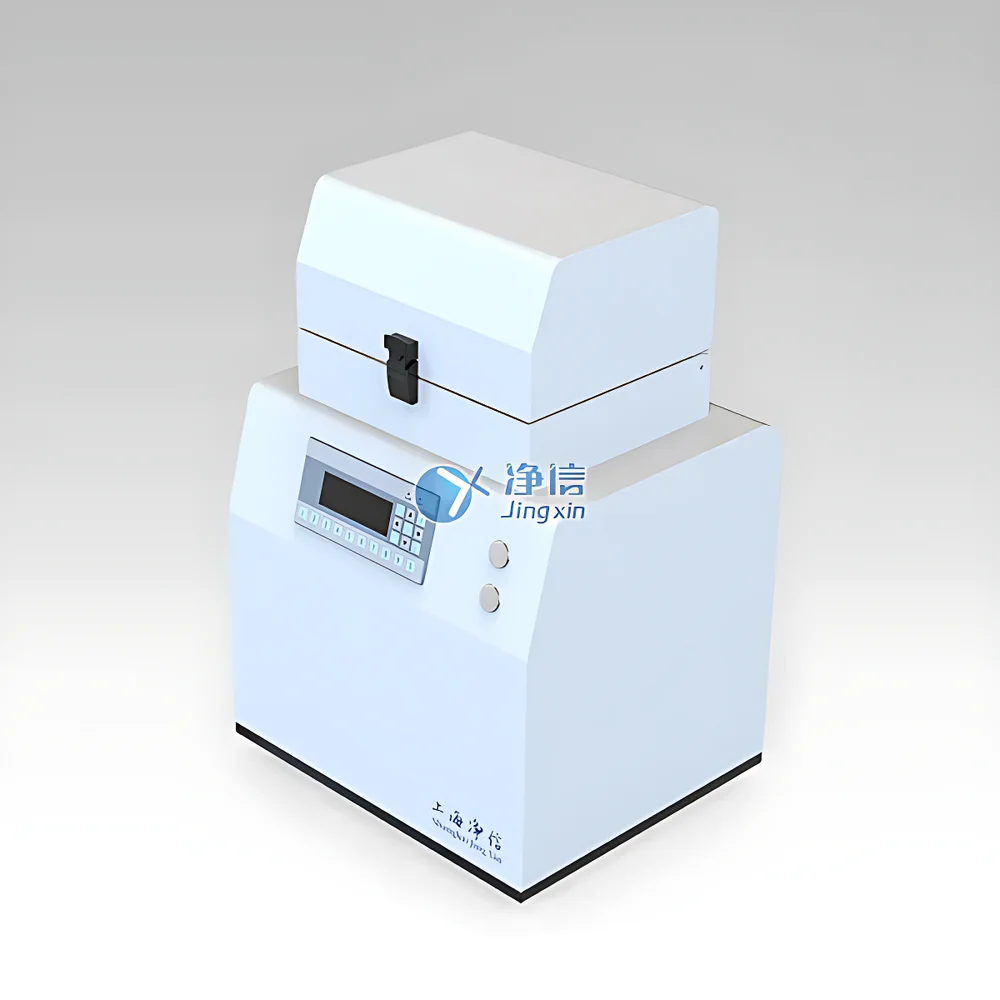
English Product Name

| Brand | Jingxin (Shanghai Jingxin Scientific Instrument Co., Ltd.) |
|---|---|
| Origin | Shanghai, China |
| Manufacturer Type | Direct Manufacturer |
| Instrument Type | Cryogenic Grinder |
| Sample Applicability | Frozen & Temperature-Sensitive Samples |
| Feed Size | ≤ 8 mm |
| Final Particle Size | 0–5 µm |
| Batch Capacity | 2 × 50 mL (customizable) |
| Operating Temperature Range | –196 °C to ambient |
| Frequency Range | 1–70 Hz |
| Compliance | ISO, CE |
Ask about pricing, availability and specifications.
Overview
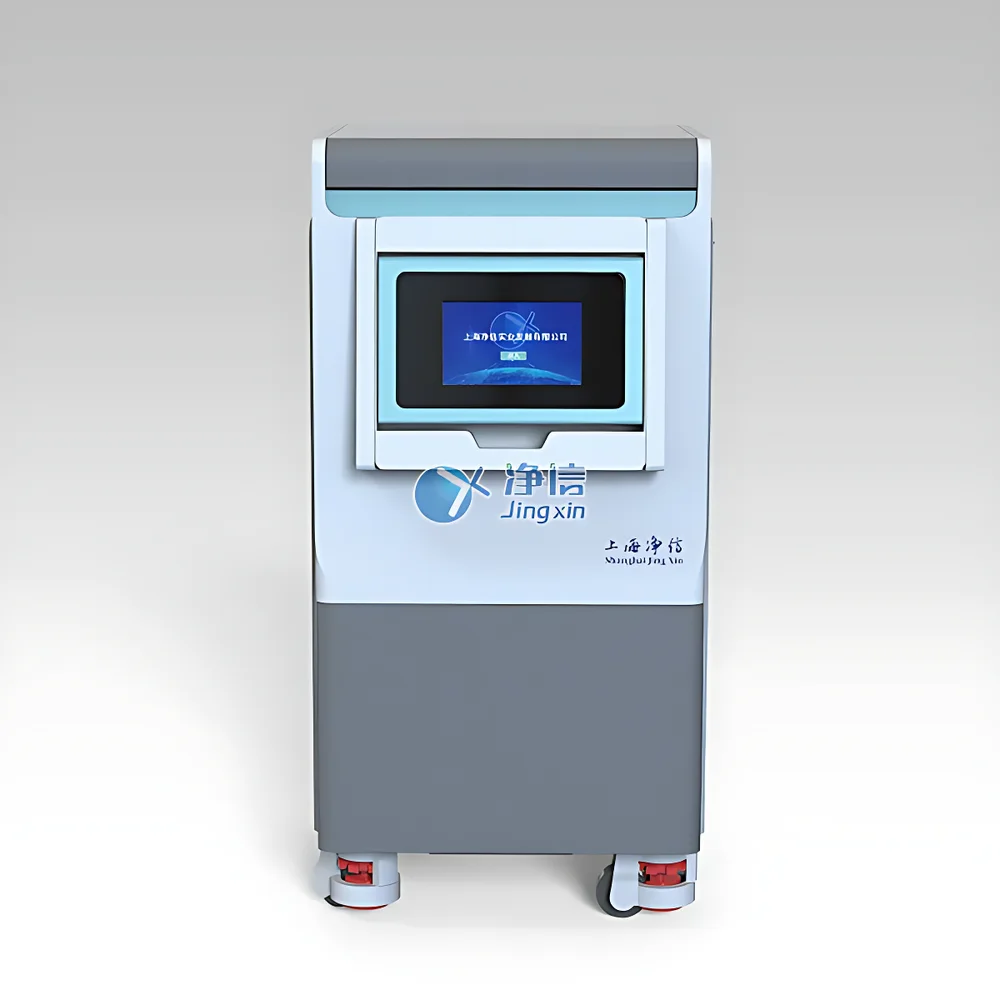
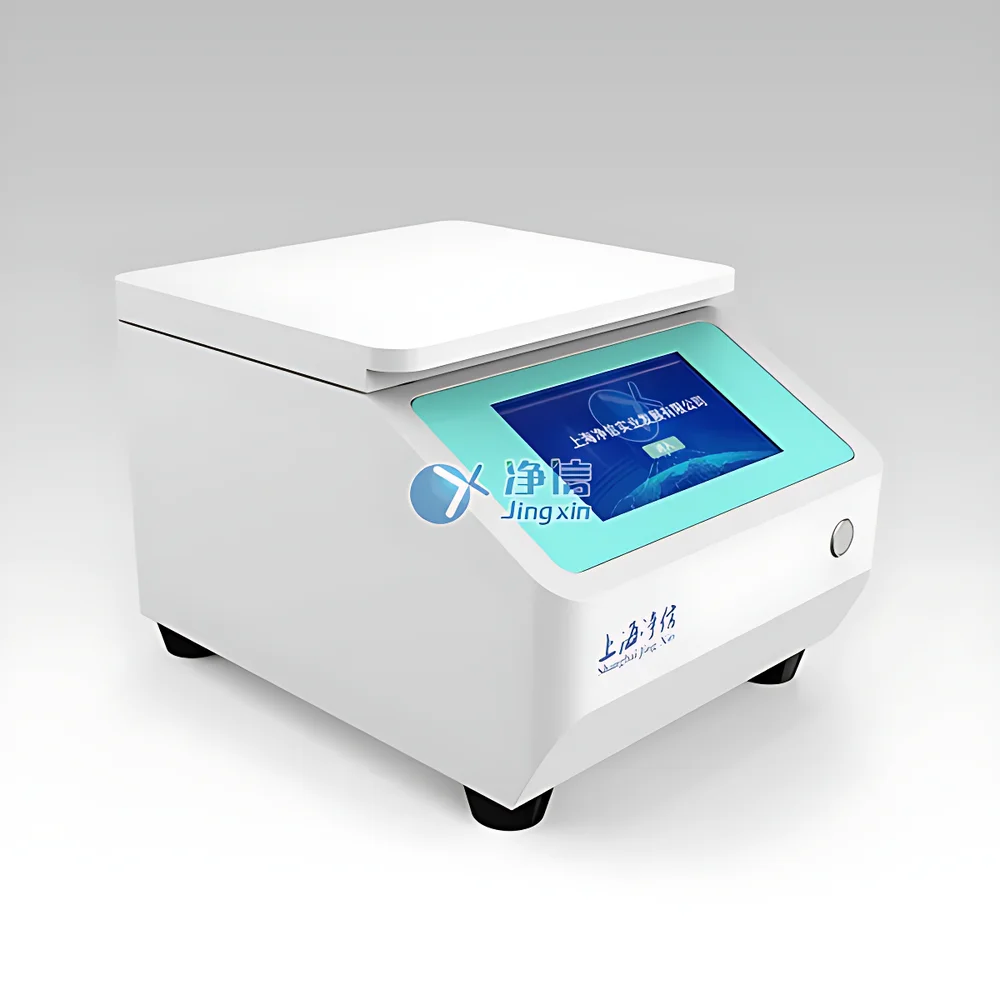
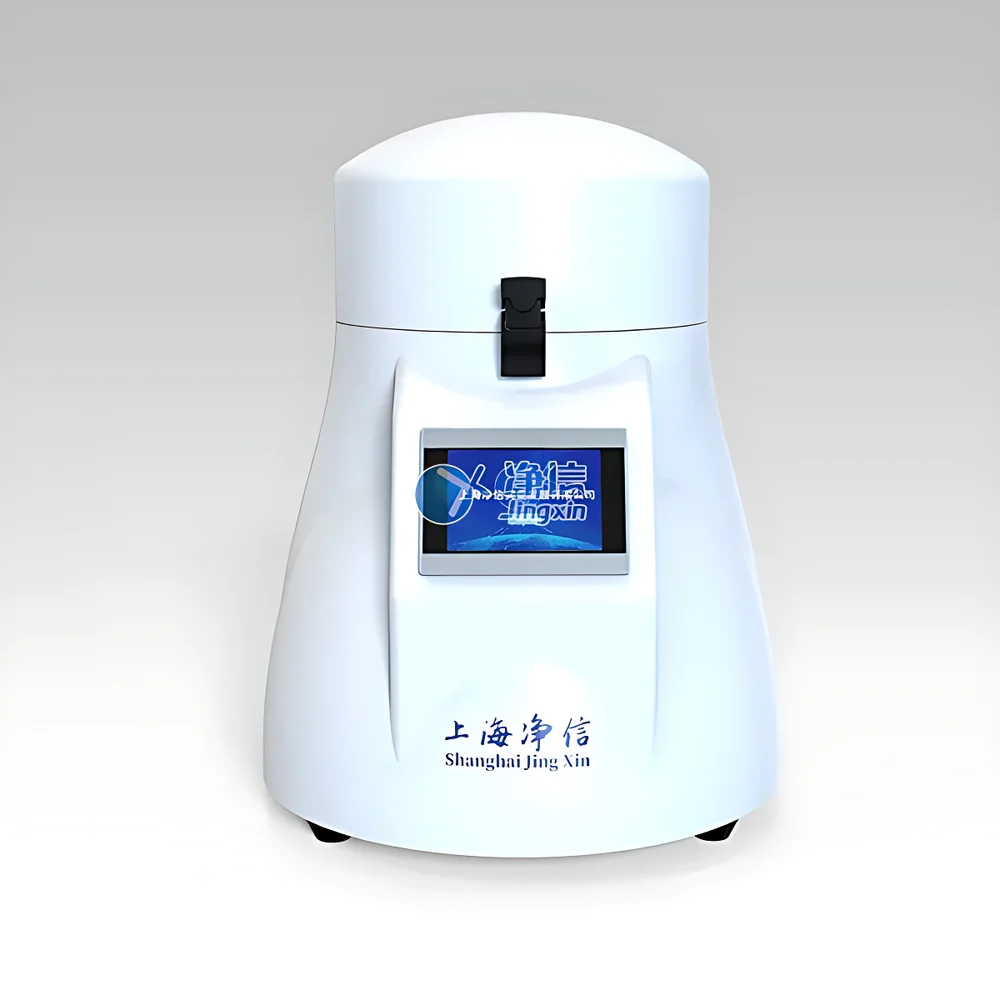
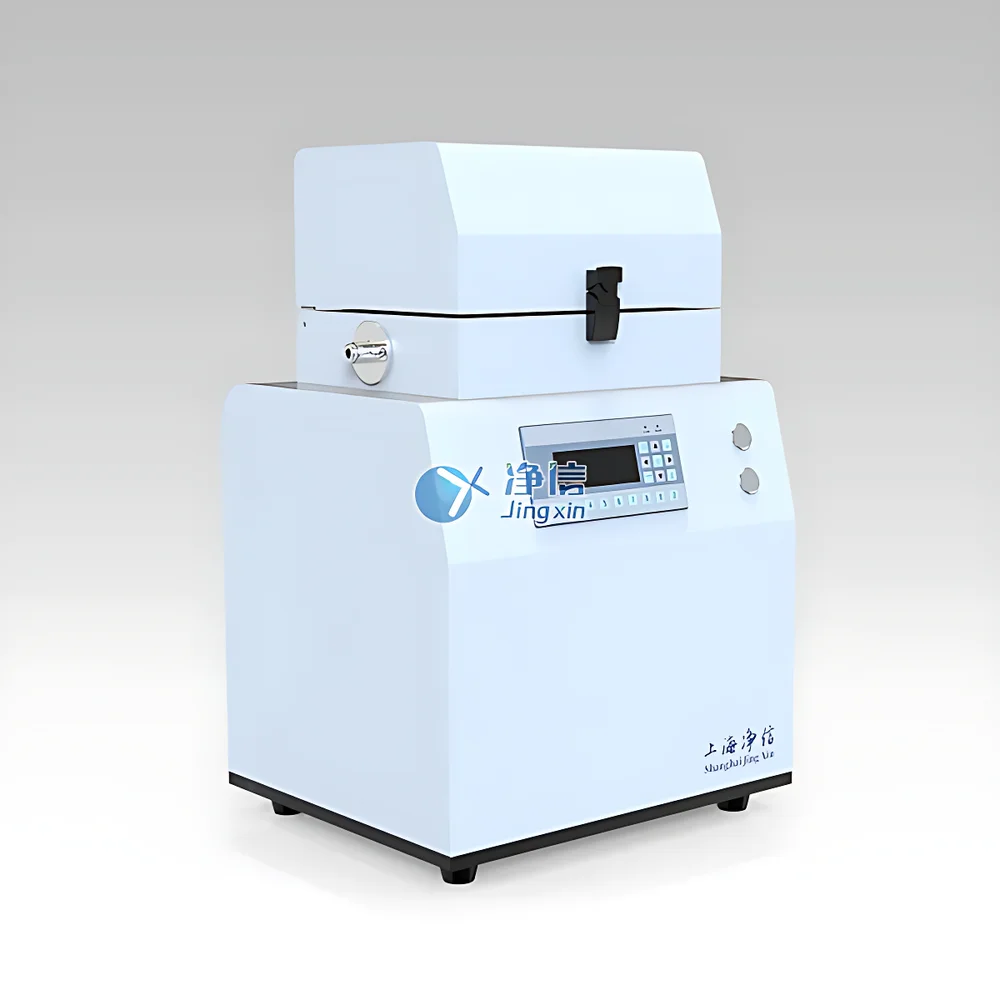
The Jingxin JXFSTPRP-II-02 is a semi-automatic cryogenic grinder engineered for high-fidelity sample homogenization under ultra-low temperature conditions. It leverages liquid nitrogen immersion and controlled mechanical impact—based on the principle of cryo-mechanical fragmentation—to embrittle thermolabile, elastic, fibrous, or tough biological and synthetic materials prior to grinding. By rapidly cooling samples to –196 °C, the system suppresses enzymatic activity, minimizes thermal degradation, and prevents structural alteration during comminution—making it indispensable for nucleic acid, protein, and metabolite integrity preservation in pre-analytical workflows. Unlike ambient or refrigerated grinders, this instrument maintains sample integrity across diverse matrices including soft tissues (e.g., brain, liver), plant matter (roots, leaves, seeds), polymers (PE, PS, rubber), pharmaceuticals, forensic evidence, and mineral composites.
Key Features
- Ultra-rapid cryogenic conditioning: Samples reach –100 °C within 60 seconds and –196 °C in ≤ 4 minutes 30 seconds via direct liquid nitrogen bath immersion of adapters and grinding jars.
- Hermetically sealed grinding: Each sample remains fully enclosed in individual, leak-proof cryo-tubes (1.5–50 mL) throughout processing—ensuring containment of hazardous, regulated, or low-abundance analytes and eliminating cross-contamination risk.
- Three-dimensional orbital motion: Patented 3D vibration pattern (horizontal + vertical oscillation + rotational displacement) generates an “8-figure” trajectory, maximizing collision frequency and energy transfer between grinding beads and sample without localized overheating.
- Modular frequency control: Adjustable oscillation frequency (1–70 Hz) enables precise optimization for varying sample hardness, density, and thermal mass—supporting reproducible particle size distribution (PSD) from 0–5 µm.
- Durable single-motion architecture: Only the impactor assembly moves—reducing mechanical wear, vibration transmission, and maintenance requirements while extending service life beyond 10,000 operational cycles.
- Rugged industrial enclosure: Fully welded steel housing (no plastic components) ensures structural stability during high-frequency operation and complies with laboratory safety standards for cryogenic equipment handling.
Sample Compatibility & Compliance
The JXFSTPRP-II-02 accommodates heterogeneous sample types—including fresh/frozen tissues, microbial cultures, botanical material, pharmaceutical tablets, elastomers, ceramics, coal, oil shale, and forensic trace evidence—without requiring pre-drying or chemical pretreatment. Its design supports GLP/GMP-aligned workflows: all grinding vessels are autoclavable or disposable; batch records can be linked to user-defined protocols; and optional data-logging modules support audit trails per FDA 21 CFR Part 11 requirements. The instrument conforms to ISO 9001 manufacturing practices and carries CE marking for electromagnetic compatibility (EMC) and mechanical safety (2006/42/EC). It is routinely validated in laboratories adhering to ASTM D7263 (soil particle size analysis), USP (disintegration testing), and ISO 13320 (laser diffraction PSD verification).
Software & Data Management
While the base configuration operates via tactile keypad and LCD interface, optional digital modules enable programmable method storage (up to 20 user-defined protocols), real-time frequency/time logging, and USB export of operational metadata (start/stop timestamps, setpoints, cycle counts). All parameters—including dwell time, ramp rate, hold duration, and jar identification—are editable and recallable, facilitating SOP-driven operation in regulated environments. Optional remote monitoring via Ethernet or RS-232 allows integration into centralized lab information management systems (LIMS) for traceability and compliance reporting.
Applications
This cryogenic grinder is routinely deployed in molecular biology labs for DNA/RNA extraction from fibrous plant tissues or lipid-rich mammalian organs; in pharmaceutical QA/QC for uniform blending of active pharmaceutical ingredients (APIs) with excipients; in food safety testing for pathogen enrichment from complex matrices (e.g., meat, dairy, produce); in materials science for preparing nanoscale polymer composites; and in forensic toxicology for homogenizing seized substances prior to GC-MS or LC-MS/MS analysis. Its ability to process dual 50 mL batches simultaneously—without intermediate warming—enhances throughput in high-volume screening applications such as biobanking or clinical trial sample preparation.
FAQ
Can the JXFSTPRP-II-02 operate without liquid nitrogen?
No—it is specifically designed for liquid nitrogen–assisted cryogrinding. Air-cooled variants (e.g., JXFSTPRP-I series) are available separately but do not achieve –196 °C.
What grinding jar materials are compatible?
Stainless steel, PTFE-lined stainless steel, tungsten carbide, and zirconia jars are offered; material selection depends on sample corrosivity, required purity, and desired final particle size.
Is validation documentation available for GMP use?
Yes—IQ/OQ templates, calibration certificates for frequency and timing circuits, and material traceability reports for wetted parts are provided upon request.
How is cross-contamination prevented between runs?
Each sample is processed in a dedicated, sealed tube; post-run cleaning follows validated SOPs using ethanol, acetone, or alkaline detergent—validated for residual carryover ≤ 0.1 ng.
Does the system support regulatory-compliant electronic records?
With the optional DataLogger module, full audit trails—including operator ID, timestamped parameter changes, and run completion status—are generated in CSV format compliant with 21 CFR Part 11 Annex 11 requirements.
More from Jingxin (Shanghai Jingxin Scientific Instrument Co., Ltd.)
View all Jingxin (Shanghai Jingxin Scientific Instrument Co., Ltd.) products → Jingxin JXFSTPRP-192CL High-Speed Cryogenic Grinding and Homogenization System
- Jingxin JX-CKSM-4WK 4-Channel Temperature-Controlled Single-Cell Suspension Preparation System
- Jingxin JX-24 High-Efficiency Automated Cryogenic Tissue Grinder
- Jingxin Tissuelyser-192 High-Throughput Cryogenic Tissue Homogenizer